In Tbilisi, police detained a Ukrainian citizen during anti-government protests, seizing pepper spray and a phone. The detainee faces up to 9 years in prison on suspicion of organizing group violence.
On the evening of December 5, police detained a Ukrainian citizen in Tbilisi as part of an investigation into protest actions. This was reported by the Georgian opposition TV channel Rustavi 2, writes UNN.
Law enforcement officers explained to the detainee that he was in custody in open criminal proceedings regarding the organization of group violence, leadership, participation in it and committing a criminal act at a public invitation.,
– reports the publication.
The detainee was taken to the police station. Pepper spray and a mobile phone were seized from his backpack.
The items have already been sealed and are likely to be sent for examination. The attacker faces a sentence of up to 9 years in prison.,
– writes Rustavi 2.
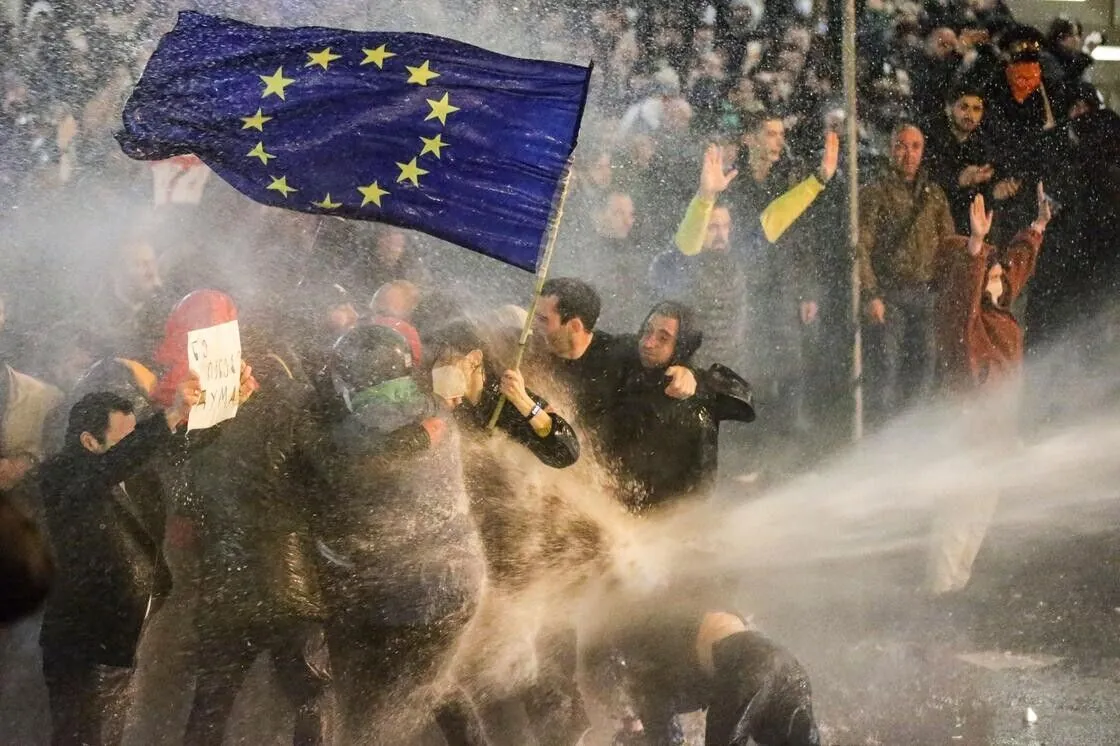
Anti-government protests continue in Tbilisi for the eighth day in a row. According to echo of the Caucasus, the protesters blocked Rustaveli Avenue.
Protests are also taking place in other major cities of Georgia, in particular in Kutaisi, law enforcement officers detained a 14-year-old child. At the time of his arrest, he was unconscious.
recall
President of Georgia Salome Zurabishvili declared the invalidity of the parliamentary elections on October 26 due to mass violations.
after the official results of the elections, in which the ruling Georgian Dream party won an absolute majority of seats in parliament, protests began.
Protests in Georgia continue amid a political crisis caused by the decision of the government's Georgian Dream Party to suspend the process of European integration.
Editor’s note: This article is part of a series of profiles highlighting successful Ukrainian startups and businesses. The series is funded by the regional investment fund Ukraine-Moldova American Enterprise Fund (UMAEF) and created in partnership with Spend With Ukraine, a non-profit organization that launched a platform to showcase businesses with Ukrainian roots and provide one more meaningful way to support Ukraine – by choosing to spend with Ukraine. The series’ sponsors are not involved in the editorial process of the writing of these profiles.
Andriy Vyshnevsky believes the future of Ukraine lies in the pages of books. This year, he helped resurrect Ukraine’s oldest independent publishing house, Osnovy, after purchasing the company with his wife Svitlana Matvienko, director of the Ukrainian School of Political Studies. Now, as the CEO and co-owner of Osnovy, he is leading the company’s mission to educate Ukrainian citizens and popularize Ukrainian authors both at home and abroad. Ukraine is undergoing a literary renaissance as it faces Russia's full-scale invasion, with many looking to fill in the blanks left by decades of Soviet repression of Ukrainian culture.
“We have to recall our past and simplify access to the literature of earlier periods of Ukrainian history and return to our foundations. We need to understand how we can use that part of literature as a foundation for what we will build upon it,” he told the Kyiv Independent from Osnovy’s office in Kyiv’s historic center. Osnovy is as old as independent Ukraine. Founded in 1992 by Canadian citizen Bohdan Kravchenko and Ukrainian citizen Solomiya Pavlychko, it was the first publishing house in the country to translate world classics into Ukrainian and has since published over 400 titles.
In its first phase, Osnovy focused on translating books on economics, philosophy, and politics, from Aristotle to Simone de Beauvoir—“the key texts on which the Western civilization is based,” Vshnevsky explains. Osnovy itself translates to "foundations."
Osnovy’s idea was to bridge the gap between Europe and the newly independent Ukrainian population that had suffered generations of restricted access to knowledge.
The company opened new doors to the international market after Dana Pavlychko, Solomiya’s daughter, took over in 2012 during its second phase. She shifted the focus to publishing English language photography and art books looking at niche subjects from orthodox churches to women working on Ukraine’s railways.
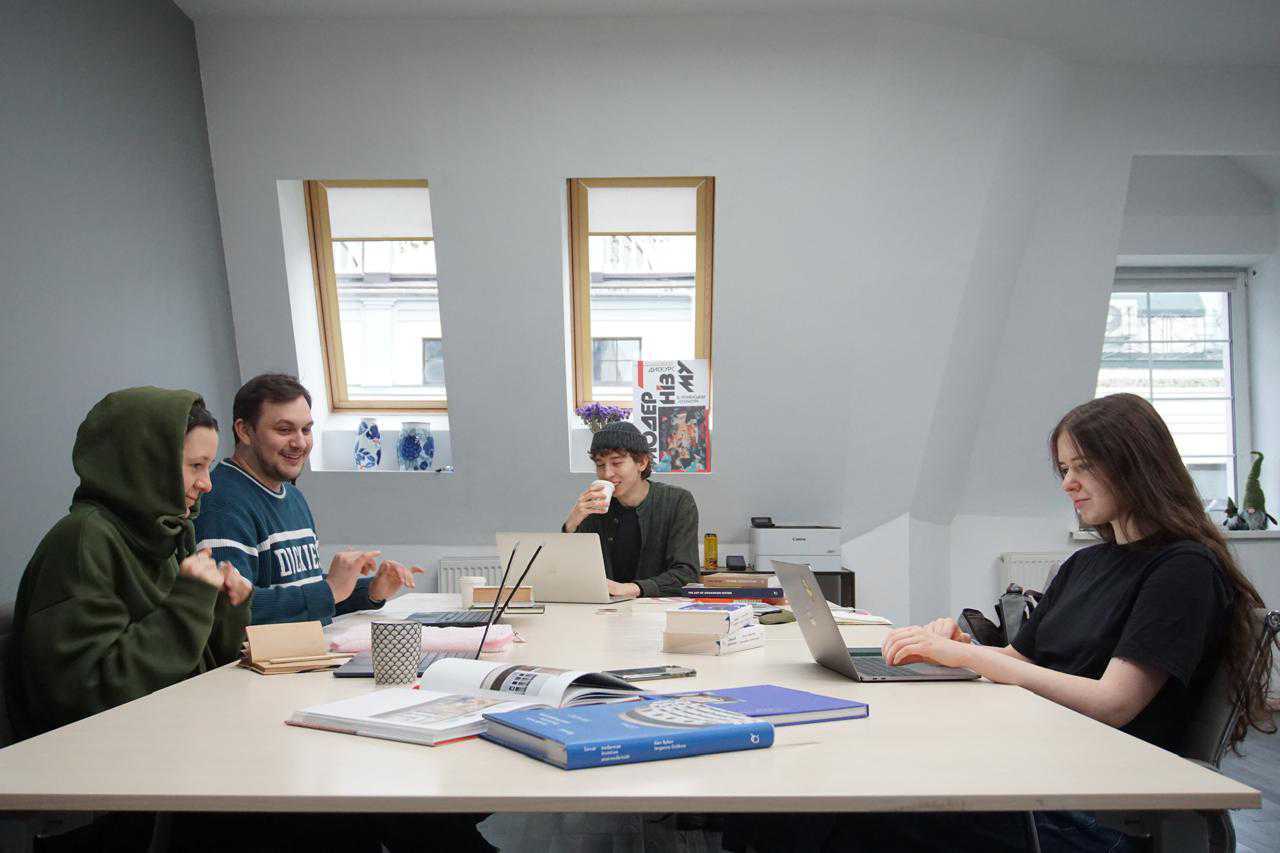
Osnovy team in their office in an undated photo. (Andriy Vyshnevsky / Osnovy)
Looking towards the future, Vyshnevsky will prioritize the domestic market as Ukrainian society pulls through the traumas of war. Osnovy will go back to its foundational texts as well as new translations of modern literature, both fiction and non-fiction, to broaden its readers’ minds. “The purpose of Osnovy is to provide Ukrainian society with intellectual resources to be better prepared for the challenges we are going to face after Ukraine wins this war,” he said.
Rising from the ashes
Osnovy was on its last legs when Vyshnevsky took over in June. The majority of the company’s dozen employees fled Ukraine during the full-scale invasion, including former-owner Dana Pavlychko, and efforts to keep it afloat from abroad were in vain. Revenues dropped from Hr 8 million ($192,000) in 2022 to Hr 4 million ($96,000) in 2023, leaving Pavlychko with little option but to sell. Over the last six months, Vyshnevsky managed to build up the employees from two to 13 and the new team inherited 15,000 unsold books that helped provide some cash flow to restart the company. Osnovy has a special place in Vyshnevsky’s heart as Bohdan Kravchenko was one of the first people he met after moving to Kyiv from his hometown Kharkiv in the early 2000s. He couldn’t imagine he would take over from Kravchenko 25 years later. This year, Vyshnevsky is hopeful Osnovy will once again turn a profit with 57 book projects currently underway and plans to publish 30-40 titles per year.
The covers of Classical Ukrainian literature reimagined: (L-R) "The Kaidash Family" by Ivan Nechuy-Levytsky, "The City" by Valerian Pidmohylny, and "Tiger Trappers" by Ivan Bahrianyi. (Osnovy)
His optimism is bolstered by the increasing number of Ukrainians turning to books as Russia pummels Ukrainian cultural institutions, including Osnovy’s printing partner Faktor Druk in Kharkiv, which suffered a major missile strike in May. “It might sound paradoxical, but I think that the full-scale war encouraged people to read,” Vyshnevsky said.
"It might sound paradoxical, but I think that the full scale war encouraged people to read."
Osnovy first got going in 1992 with financial support from the International Renaissance Foundation, an NGO funded by philanthropist George Soros, although it was soon self-sufficient as the books flew off the shelves. Vyshnevsky admits that Osnovy is a niche publishing house, and that the challenge is fulfilling its mission of popularizing specialized literature while making money. But Osnovy has a growing customer base, which Vyshnevsky was surprised to discover is very young, with around 85% between 18 and 35 years old. He will also redirect Osnovy’s strategy towards smaller, independent bookstores rather than big retailers. Ukrainians have recently flocked towards cozy, community-focussed bookshops and Vyshnevsky is partnering with several across Ukraine as he aims to expand beyond the 100 stores currently stocking Osnovy’s publications.
Stay warm with Ukrainian traditions this winter. Shop our seasonal merch collection.
The 2014 Euromaidan Revolution was a big catalyst for change for Osnovy and propelled the company to its peak popularity, Vyshnevsky said. While that was partially driven by Ukrainians’ surging interest in their culture, it was also because the revolution attracted the eyes of foreigners to Ukraine. Under the direction of Dana Pavlychko, the company began publishing stylish photography and art books in English for the first time. The international market proved to be a hit, with over 300 stores in Europe and North America selling Osnovy’s books as well as online stores like Amazon. “Photo books were a good tool to popularize Ukraine and Ukrainian culture,” Vyshnevsky said.
"Photo books were a good tool to popularize Ukraine and Ukrainian culture."
“We pay attention to the tactile characteristics. You should want to touch the book, hold it in your hands,” he added, commenting on the aesthetic graphic design and high-quality printing and binding. One of Osnovy’s most well-known publications, “Decommunized: Soviet-Ukrainian Mosaics” by photographer Yevgen Nikiforov, was popular both domestically and abroad and deals with the complexities of Ukraine's Soviet and independent identity. Through communist-era mosaics, Nikiforov shows the imperial legacy of the Soviet Union while also honoring the craftsmanship of Ukrainian artists, Vyshnevsky said.
Ukrainian Railroad Ladies: A Visual Exploration of the Traffic Controllers Profession on Ukrainian Railway Crossings by Sasha Maslov. (Osnovy)
Osnovy is preparing a new edition of the book which will take on a different perspective as some of the mosaics have been destroyed by the war, or are stuck in Russian-occupied territories. The new edition will be a chance to reflect on Ukraine’s past, present, and future, in the context of the full-scale invasion, Vyshnevsky said.
“By printing these books in English and selling them abroad, we make our own reflection inclusive by encouraging and engaging people from the West into this process. We are trying to show that Ukrainians were deprived of the opportunity to communicate with the Western world, but we are a part of the Western world,” he added.
Building up a nation
Before Vyshnevsky’s takeover, Osnovy was primarily focused on the international market and rarely marketed books inside Ukraine. Vyshnevsky wants to go back to the company’s roots and see’s Osnovy as a public service for Ukraine to strengthen its weaknesses that could be exploited by Russia again. “Our role is to prepare Ukrainian society for life after the war is finished,” he said. “We need critical thinking, good education, and the professional skills and ability not only to survive, but also to build sustainable institutions and to develop them.” In the fallout of revolutions and the full-scale invasion, Ukrainians are unearthing their history, particularly the writers purged by the Soviet regime in the 1920s and 1930s known as the Executed Renaissance. Osnovy published a series of illustrated books from this generation in 2016, although the writers have only recently garnered more mainstream attention.
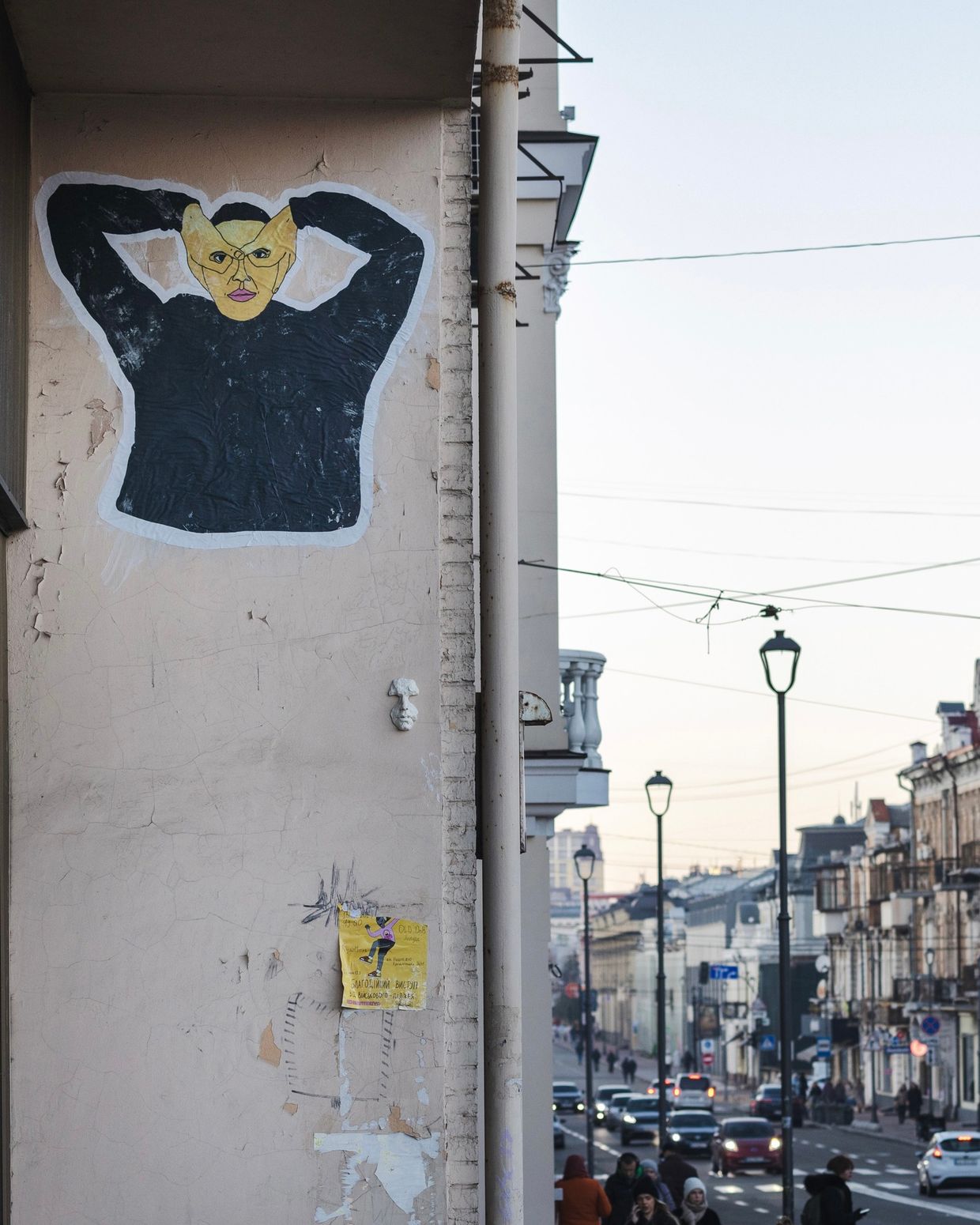
Osnovy stickers around the city walls. (Osnovy / Facebook)
“This literature is not just an archive like for many other European nations. It is material we need to work on right now and to go back to the past to better understand our future,” he said.
Russia’s full-scale invasion has also pushed readers towards contemporary Ukrainian literature and authors writing about the war. Osnovy had never published modern-day Ukrainian writers, but Vyshnevsky is now considering it to meet the demand. He also believes it's important for foreigners to read Ukrainian authors. As Ukraine begins EU integration talks, the country should have translations in European languages of its novels that were “eliminated” from the European cultural context, Vyshnevsky stressed. “It is important to fill the gap caused by 70 years of Soviet rule,” he said. “If we don't, this gap will remain and we will be trying to build over it, instead of building a solid foundation.”
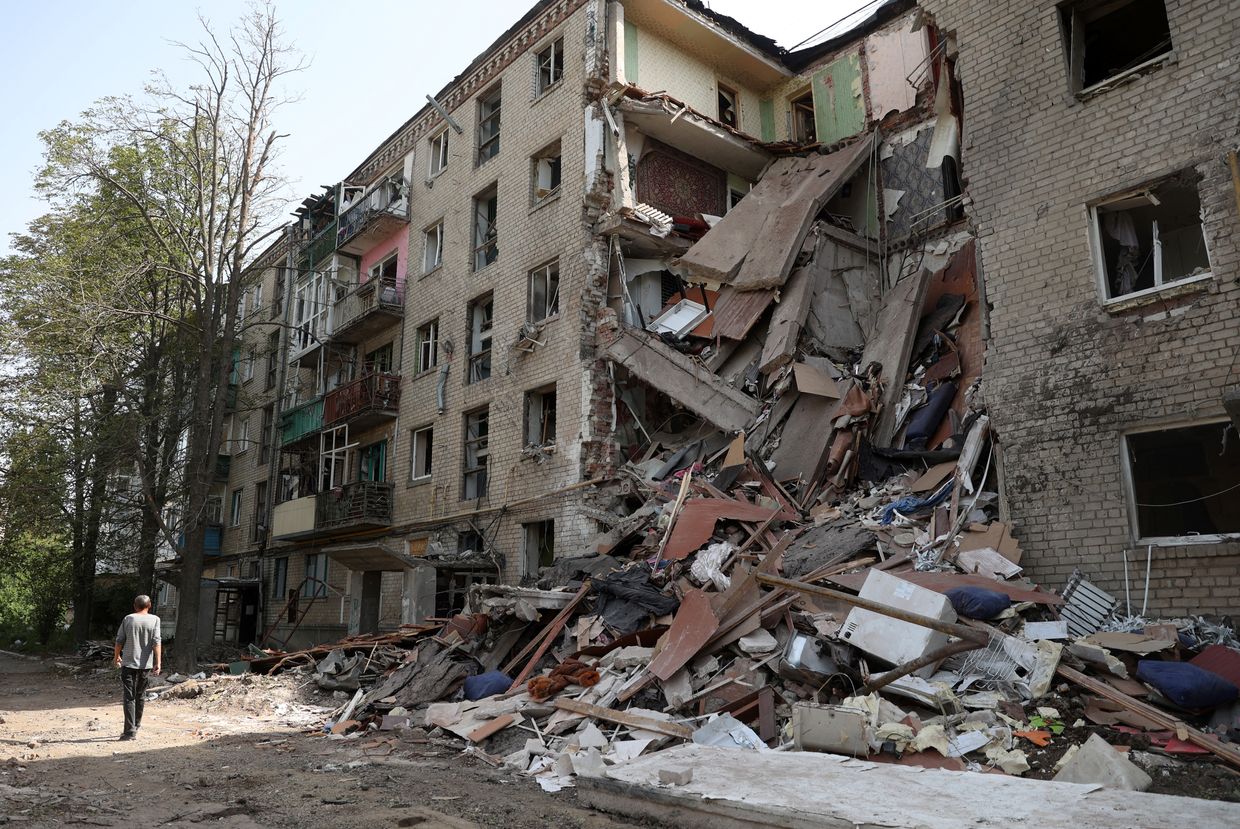
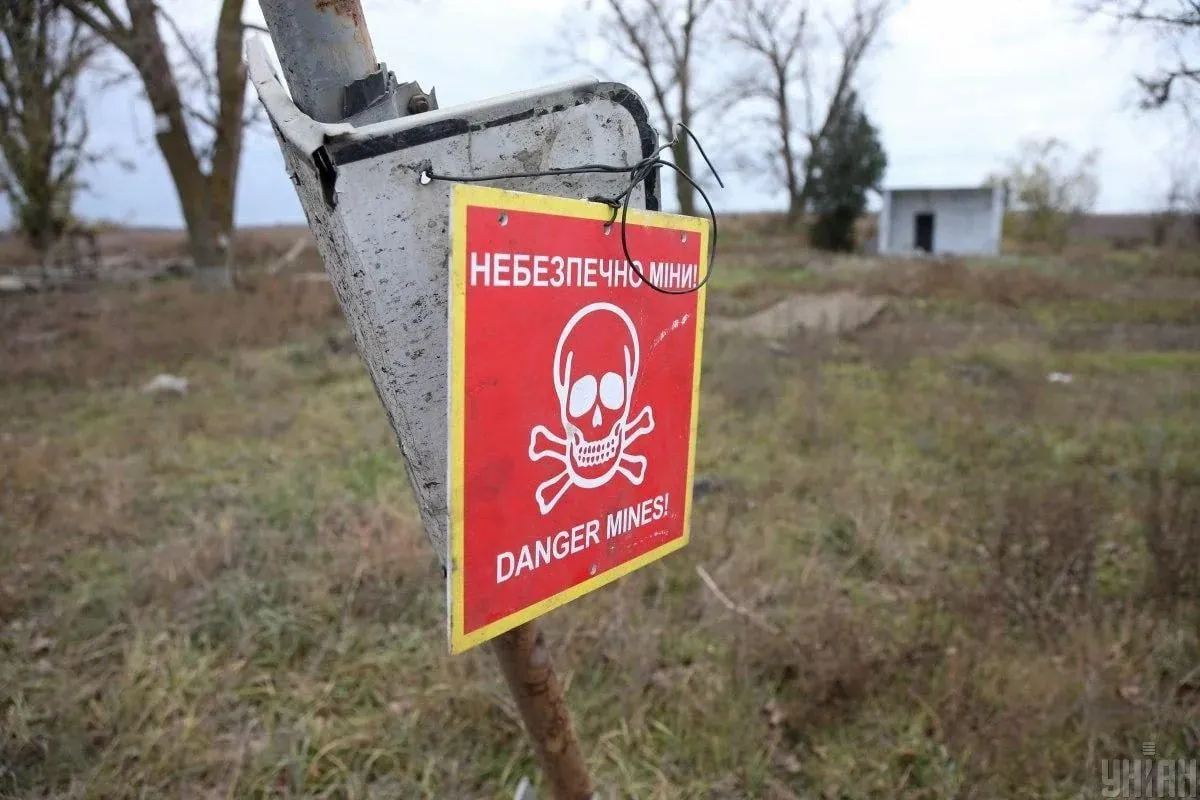
Since the beginning of the full-scale invasion, 1,083 civilians have been blown up by Russian anti-personnel mines, 333 of them killed. Kharkiv, Kherson and Mykolaiv regions are the most polluted.
Since the large-scale invasion began in February 2022, more than 1,000 people have been blown up by Russian anti-personnel mines in the unoccupied territories. This is reported by the Ministry of Defense, reports UNN.
Since the beginning of the large-scale invasion in the de-occupied territories, 1,083 civilians have been blown up by Russian anti-personnel mines. Of these, 333 were killed and 750 were injured. Kharkiv, Kherson and Mykolaiv regions remain the most polluted liberated territories.,
– reported in the Ministry of Defense.
Details
It is also noted that in 2024, 35 thousand square kilometers of the territory of Ukraine were marked as not containing evidence of the presence of risks of explosive substances, which made it possible to reduce the area of potentially contaminated territories from 174 thousand to 139 thousand square kilometers.
recall
The government is working to implement an integrated approach in humanitarian demining. Almost 35.5 thousand square kilometers of Ukrainian land have already been returned to Operation. More than 4 thousand sappers are working on mine clearance in Ukraine.
Pro-Russian videos appeared on Ukrainian TV channels on 5 December due to a hacker attack targeting several telecom providers.
Source: reporters from the Ukrainian public broadcaster Suspilne in Kyiv
Details: One of the providers stated that they would resolve the signal issue by around 21:00, reporting unauthorised interference that disrupted the operation of cable television.
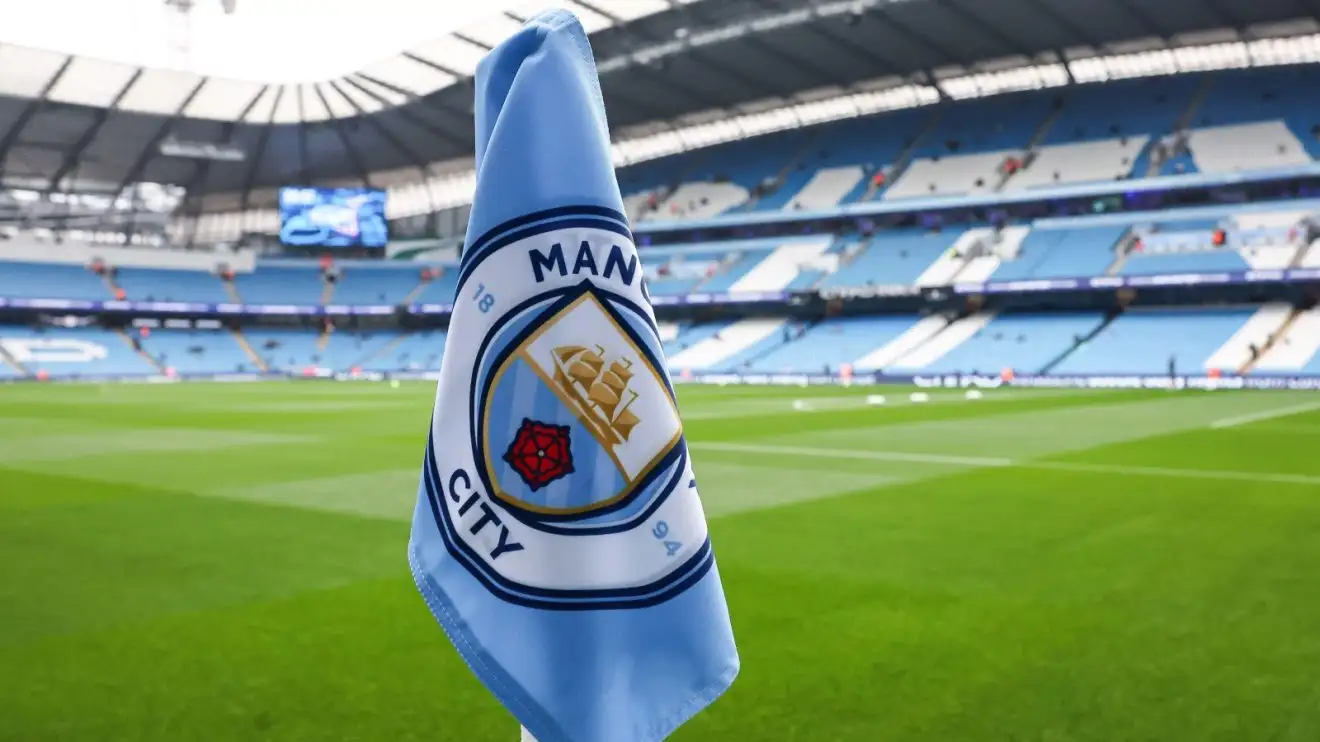
A new report has revealed the expected ‘timeline’ of Manchester City’s Financial Fair Play case as the hearing is expected to ‘end this week’.
At the start of 2023, Man Citywere charged with breaching over 100 of the Premier League’s FFP charges. This followed a four-year probe into their conduct between 2009 and 2018.
Pep Guardiola‘s side have insisted on their innocence and it remains to be seen whether they will be punished for their alleged breaches. If found guilty, they could be given a huge fine, points deduction, transfer ban or expulsion from the Premier League.
Earlier this year, Man City battled back against the Premier League as they campaigned for the removal of Associated Party Transaction (APT rules.
The report has ‘revealed the timeline for the long-awaited outcome’ as ‘lawyers make their closing arguments in the Manchester City hearing’. It is noted that the case ‘is scheduled to conclude this week and an outcome is anticipated in February’.
It is also claimed that the case has ‘gone to schedule so far’ and ‘one notable aspect’ is brought up.
‘Although there is the possibility for remaining delays, the case has gone to schedule so far, and is seen within the Premier League as having been run in a highly disciplined manner.
‘There has been considerable will in the competition to have it finally settled this season, but the likelihood of appeals from either side could mean it runs into the 2025-26 campaign.
‘The hearing has gone exactly according to schedule so far, having started on 17 September.
‘Very little information has come out due to the stakes and considerable discretion of all involved but one notable aspect has been the sheer number of lawyers involved.’
The report has also commented on the likelihood of Man City being expelled from the Premier League.
‘Even if the most serious charges are not proven, however, there is an expectation that City will have to be punished on non-compliance given that Premier League regulations demand that clubs participate in investigations. This was what they were primarily punished for in the controversial Court of Arbitration case of June 2020, that saw an initial Uefa Champions League ban overturned due to technicalities.
‘While a minority within the Premier League are pushing for expulsion if the most serious charges are proven, that is currently seen as an unlikely possibility. Such an outcome would require a special shareholders meeting and vote of 15.
‘That is not expected to be a situation witnessed this season, however, due to the near certainty that one of the sides will appeal the outcome.’
Hackers interfered with the broadcast of Ukrainian TV channels, replacing programs with pro-Russian Videos. Providers reported problems with the signal and promised to resolve them within the evening.
Due to the hacker attack, the airwaves of a number of Ukrainian TV channels were affected. Providers also noted that there may be a problem with the signal.
Reports UNN with reference to monitoring TG channels and Suspilne.
Tonight, viewers of Ukrainian TV could see instead of the traditional program something similar to a hacker attack using pro-Russian Videos.
Instead of broadcasting Ukrainian TV, a video appeared in which a woman in Russian talks about the"bad life in Ukraine"
According to Suspilny, a number of providers broadcasting Ukrainian TV channels were attacked. It is also known that there is a comment on the situation from providers. If there is a problem with the signal, the problem will be resolved during the evening.
Hacker attack: in Astana, the Ukrainian flag appeared on the LED screen on the day of Putin's arrivalNov 27 2024, 08:48 PM • 15838 views
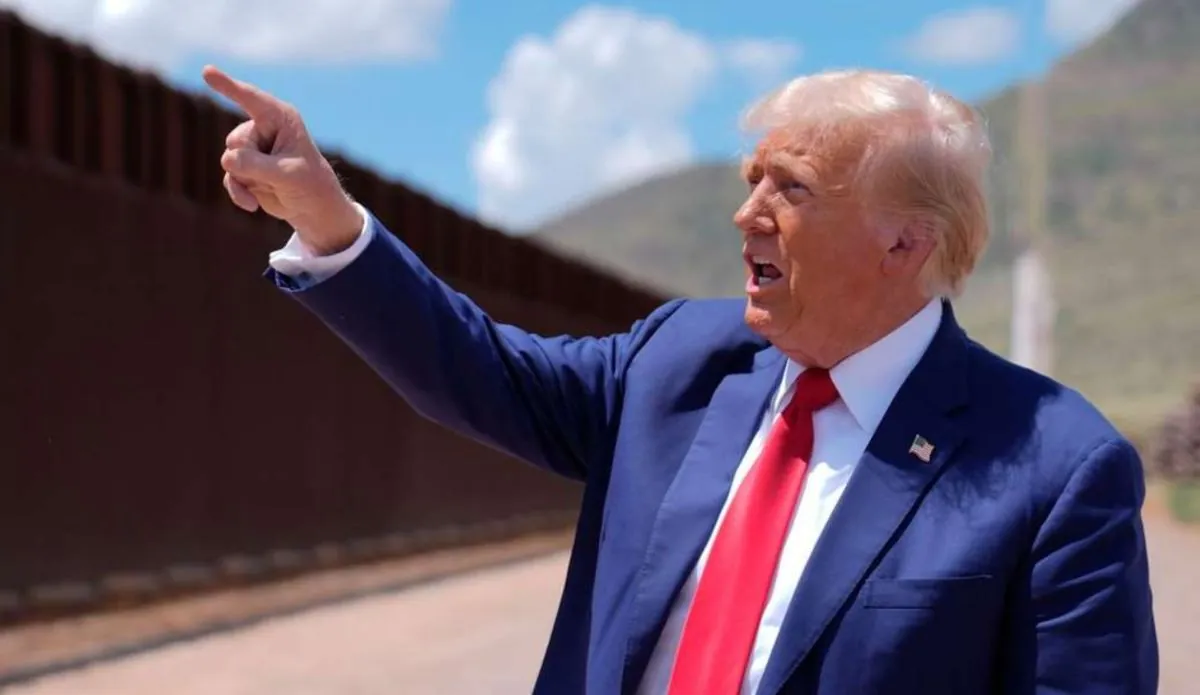
The Trump administration is in talks with the Bahamas, Panama and other countries to accept deported migrants. The plan could affect hundreds of thousands of people who will be sent to countries without ties to their culture.
The administration of newly elected US President Donald Trump, which will start working after Trump's inauguration in January, is preparing a list of countries to which it could deport migrants if their home countries refuse to accept them.
This is reported by NBS News, reports UNN.
Details
The new Trump administration is preparing a list of countries where it can deport migrants if their home countries refuse to accept them
– the publication writes.
These countries include, but are not limited to, the Turks and Caicos Islands, The Bahamas, Panama, and Grenada. Sources of the publication note that the Trump team has already contacted these countries to work out an agreement under which they will agree to accept flights for deportation from the United States.
These plans could mean that thousands, if not hundreds of thousands, of migrants will be permanently displaced to countries where they know neither the people nor the language, and have nothing to do with culture. It is unclear whether migrants will be allowed to legally stay to work and live in the countries where they are being deported. It is also unknown what pressure – economic or diplomatic-The Trump administration is applying to countries to force them to agree, or what pressure may be applied after the inauguration of newly elected President Donald Trump in January
– adds the publication.
The publication recalls that in 2019, during Trump's first term, he sent migrants to Guatemala as part of an agreement with this country to accept people from other countries seeking asylum in the United States.
According to this policy, asylum seekers who recently crossed the United States were put on a plane to Guatemala, not knowing where they were going. This practice continued until early 2020, albeit on a relatively small scale, and was discontinued during the pandemic.
recall
Canadian officials have announced preparations for a possible increase in the flow of migrants from the United States.After the announcement of Trump's victory, search queries for moving to Canada increased tenfold.
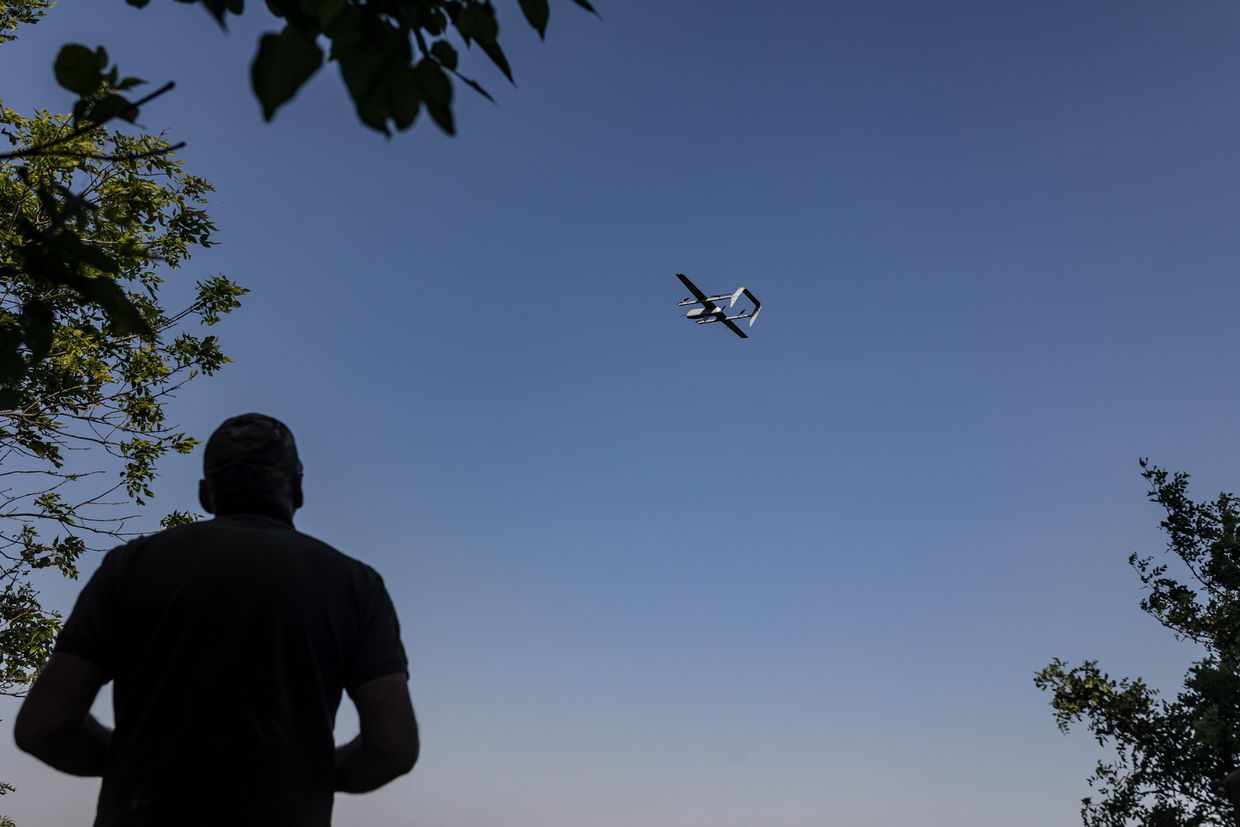
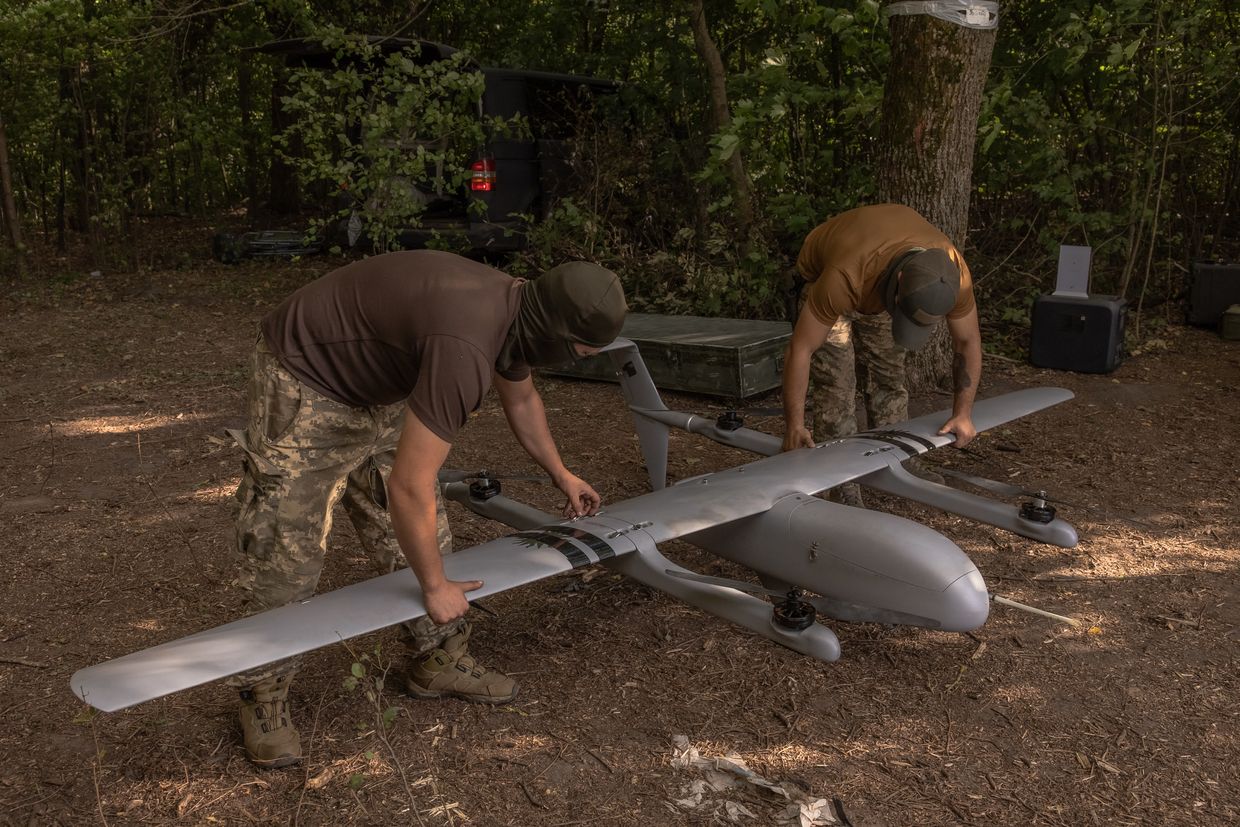
The Ukrainian military will get over 30,000 DeepStrike attack drones in 2025 within President Volodymyr Zelensky's resilience plan, Defense Minister Rustem Umerov announced on Dec. 5.
According to Umerov, DeepStrike drones are of the new generation, capable of "operating autonomously over long distances and hitting targets with high accuracy."
"We are demonstrating to the world that Ukraine is capable of innovation and technological independence. Even in wartime, we are developing cutting-edge production and strengthening our defense capabilities," Umerov said.
Zelensky presented a 10-point resilience plan to the Ukrainian parliament on Nov. 19, which includes measures to stabilize the front line, increase the technological capabilities of Ukrainian forces, and overcome bureaucracy in the army.
The production of part of the DeepStrike drones that will be supplied to the Ukrainian army next year was financed by international partners who invested in the Ukrainian defense industry, according to Umerov.
The minister did not say how these drones will be distributed among Ukrainian troops.
Ukraine is working to scale up domestic defense production, aiming to produce 1.5 million drones by the end of 2024.
There is a "significant volume" of new and long-term orders for first-person-view (FPV) drones, reconnaissance drones, long-range drones, and missile-drones, Zelensky said on Dec. 3.
Kyiv employs long-range drones to strike deep into Russian territory, targeting military infrastructure such as airfields and logistics, as well as oil refineries and depots.
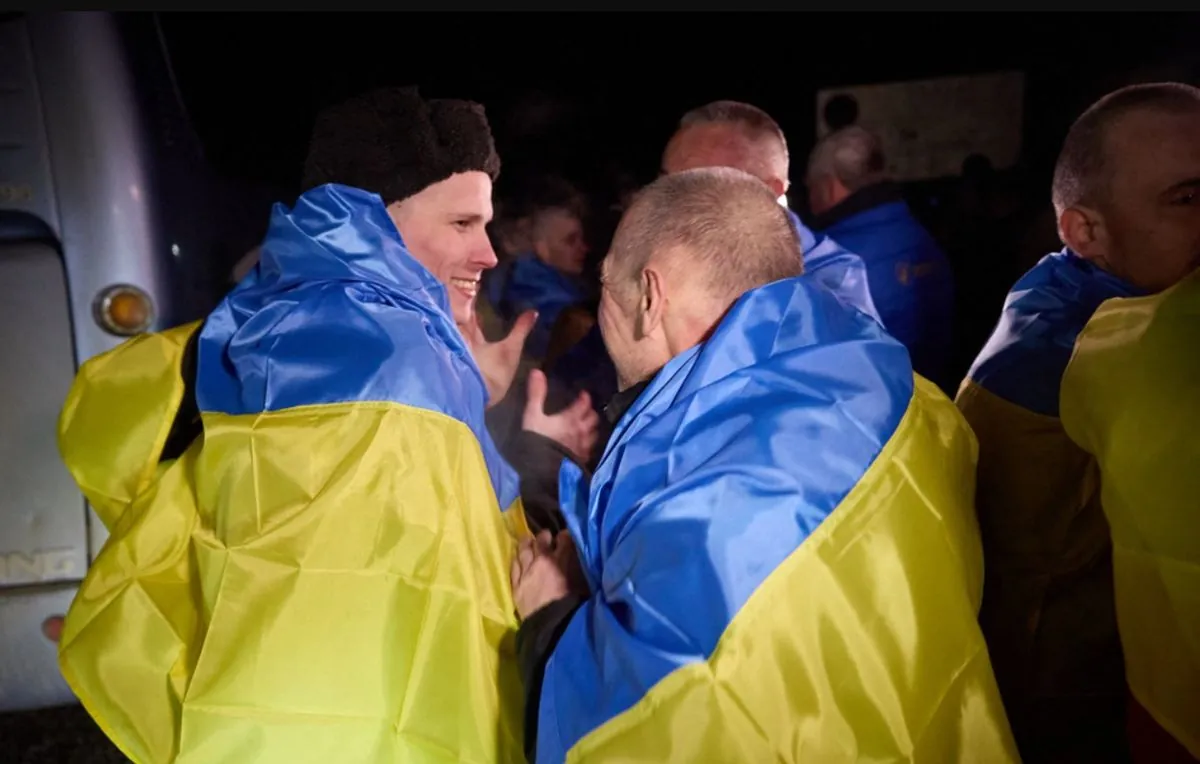
In Poltava, the exchange of prisoners of war is considered official, and the military receives all guarantees. Such exchanges are easier to carry out on the battlefield than after prisoners get into the FSB system.
If a field exchange of prisoners of war is carried out, it is then counted in the official one. The military receives all guarantees, including social ones.
This was stated by Dmitry Usov, Secretary of the coordination headquarters for the treatment of prisoners of war, during the international human rights conference "decades 2014-2024. reclaiming human rights. Preserving democracy", Reports UNN.
It is easier to make a field exchange with certain life risks than an official one. Because as soon as our military gets into the dcs system, gets into the FSB, the Investigative Committee and all other structures, then it is already difficult to get them out of there. And when this happens on the battlefield, you can agree there
– said Usov.
He revealed a certain strategy that the coordination headquarters has during exchanges.
"Even if there is a field exchange, it is then counted in the official one. All guarantees, including social ones, are given to the military and his family," Usov said.
addition
On December 2, it was reported that the Commissioner for Human Rights in Russia, Tatyana Moskalkova, allegedly published a list of Ukrainian prisoners of war and cynically stated that "Ukraine does not agree to take them away."
Subsequently, Ukraine denied the terrorist country's reports about allegedly refusing to exchange prisoners of War.
Usov informed UNN that the Russian side was again beginning to delay the exchange of prisoners of war.





 shop now

 The Kyiv IndependentLiliane Bivings