Author: dmitriy.vasyura@gmail.com

  • England ladder has a new leader in Bellingham but Man Utd man returns

    England ladder has a new leader in Bellingham but Man Utd man returns

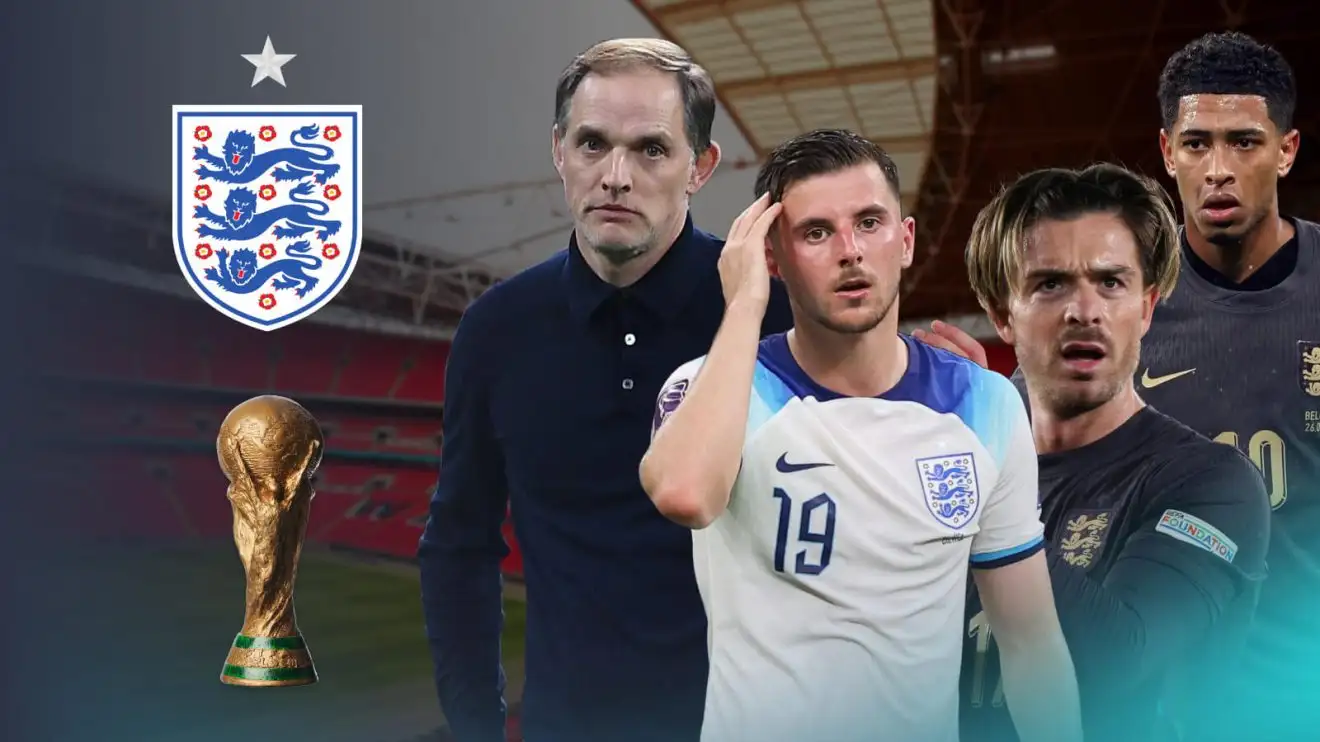
    England World Cup ladder

    For the third England Ladder in a row, we’re going to go right ahead and get our excuses in early.

    Last time out we moaned about having to pick a World Cup Ladder when we didn’t even know who was going to be the manager leading England into their World Cup qualifying campaign next year.

    Just to give you a full idea of how good we are at this, we then scoffed at the fact the odds-on favourite to be the next manager at that time was, er, Thomas Tuchel.

    Now we’re moaning that we do know who the manager is but haven’t actually got any concrete idea about the squad he might pick because the lazy workshy scrounging and above all FOREIGN fool can’t even be bothered to start work yet.

    Throw in the fact that half the actual squad also couldn’t be bothered to turn up for this international break, and it gets even more puzzling.

    So while we pompously like to describe this nonsense as ‘educated guesswork’ the ‘educated’ element of that is even more tenuous than usual here.

    With that in mind, we figured it made sense to lay out some of the ground rules behind our slightly more out-there approach to this ladder. As ever, the ladder represents less our preferences and more our best guess at what we think the manager thinks. With a completely new manager involved, we’ve allowed ourselves a couple of speculative punts that may very well look ridiculous by March but that won’t mark any meaningful change on previous ladders.

    We’ve also given heavy weighting to the known knowns; Tuchel couldn’t have been much clearer about what he’s here to do as England manager. He stopped short of saying he’ll be gone after the World Cup, but he’s here on an 18-month contract with one very, very clear and very, very tough goal: win that World Cup.

    He has never been a long-term project manager at club level and there is no reason to think that changes with England. It’s not as clear-cut as some suggest that he will only be here for this one World Cup campaign, but there’s a very strong chance that is indeed the case.

    And that changes things considerably. While Lee Carsley, understandably, used his three months in charge to hand full caps to several of his Under-21 favourites, Tuchel will, equally understandably, use his 18 months to focus entirely on those players he expects to use at the World Cup. Building for the future beyond that is a secondary concern, if it’s even a concern at all.

    Therefore, in general, we have erred on the side of old hands over young bucks.

    Anyway. Enough excuses. Let’s get on with it and hope against hope that we don’t look like total idiots by March.

    1) Jude Bellingham (2)
    At least the starting point is nice and straightforward. Bellingham is England’s present and future. Whatever type of manager you have, whatever type of system he employs, whatever tactics he prefers, if they have even half a brain in their skull then Bellingham will be their focal point.

    It took Carsley a little while – and the absences of Phil Foden, Jack Grealish and Cole Palmer – to land on a couple of things. Bellingham’s best position is number 10, and he’s at his best at number 10 when he is clearly and uncomplicatedly the only number 10 on the pitch. Both he and the number nine – whether that was Ollie Watkins against Greece or Harry Kane against Ireland – benefited from that clarity.

    We fully expect Jude Bellingham to be Thomas Tuchel’s number 10 just as he was Gareth Southgate’s and Lee Carsley’s. We very much wish everything else after this was as clear-cut.

    2) Harry Kane (3)
    Left out against Greece, with Ollie Watkins impressing in his place and scoring just about the most Kane-for-England goal imaginable to set England on their way to that vital win. Kane then returned against Ireland and laboured through the first half to set off more of the kind of ‘Is he still England’s best striker?’ chat that has so dominated the interlull mailbox.

    And then he produced a pass to Jude Bellingham of breathtaking excellence to crack that game wide open and grant him the opportunity to score what is actually the most Kane-for-England goal imaginable: a penalty won in large part by Kane’s own clever brilliance.

    Even without that, the appointment of Tuchel would appear to be one that plays right into Kane’s hands. Tuchel knows Kane and Kane knows Tuchel, while the laser-focus on the short term should – but probably won’t – quieten some of the noise around Kane and the ravages of time.

    3) Declan Rice (1)
    One of the several thousand England players ruled out of this squad through injury, something we are all required to pretend never happened in previous November international breaks and is an entirely new phenomenon brought about entirely by Tuchel’s lazy refusal to bother with these games either.

    Conor Gallagher and Curtis Jones actually did an entirely adequate job as a thrown-together CM partnership in two comfy England wins. But we’re pretty sure neither is about to unseat Rice as first midfield name on the team-sheet for Tuchel, Carsley or any hypothetical England manager.

    4) Bukayo Saka (5)
    Noni Madueke did everything asked of him and showed himself well capable at this level, but nothing he did really suggested he’s about to unseat Bukayo Saka as England’s first choice out on the right, and that’s absolutely fine.

    This sits as one of many that might need revising in March, but for now we’re pretty comfortable with the hypothesis that Saka will be in Tuchel’s starting XI.

    5) Jordan Pickford (8)
    Brilliant against Greece, with a couple of big saves at big moments that kept England in control of what was always the key fixture of this break and the Nations League campaign itself. England’s undisputed number one under the last two managers, and sits squarely in the ‘ain’t broke, don’t fix it’ pile for Tuchel. He has plenty of big calls to make elsewhere and will surely take the easy continuity win on offer here.

    Again, tricky to the point of utter impossibility to even try and guess who he might want as his two back-up keepers from your Popes and Hendersons, your Traffords, or the Ramsdales of this world but SPOILER ALERT that hasn’t stopped us having a go later on.

    6) Trent Alexander-Arnold (4)
    Six of the top nine from October’s ladder played no part in this international break, which we suspect is some kind of record. It would be fair to say England coped admirably enough to say none of those players was hugely missed in 3-0 and 5-0 wins, but there were certainly times in that first half against Ireland where our thoughts drifted back to the creative brilliance of Alexander-Arnold in the first game of the Carsley interregnum back in September.

    Kyle Walker, Rico Lewis and Tino Livramento all did fine at right-back, as did Curtis Jones and Conor Gallagher in midfield, but you’d think given the chance Carsley would certainly have deployed Alexander-Arnold somewhere in both these games, and we suspect Tuchel would too.

    7) Marc Guehi (10)
    He was at Swansea on loan when Tuchel took over at Chelsea and was then sold to Crystal Palace in the summer. How much to read into that? Probably not much. With very little confidence at all, we’re still leaning towards Stones-Guehi as England’s unconvincing first-choice centre-back partnership until we see something concrete to tell us otherwise.

    8) John Stones (7)
    Kyle Walker did altogether too much centre-backing in this international break. Mad really how easily England got away with that. Stones has had a worryingly stop-start time at club level and looked horribly rusty in his October appearances, but with short-term focus on one major tournament, our guess – and this is admittedly one of our very guessiest guesses – is that Stones will form part of Tuchel’s first-choice defence.

    9) Ollie Watkins (11)
    Very firmly established now as at the very least Kane’s primary understudy, and little reason to see why Tuchel would want to deviate from that. That one-tournament focus has to be good news for the likes of Watkins and Dominic Solanke, reducing as it does the need or temptation to simply skip a generation of strikers and move straight to someone like Liam Delap. And by ‘someone like Liam Delap’ we mean ‘Liam Delap’ because there really isn’t anyone else at the moment.

    10) Noni Madueke (20)
    Didn’t do enough to disturb Bukayo Saka’s starting spot, you wouldn’t have thought, but has certainly done enough to justify sticking around under the new regime.

    11) Kyle Walker (31)
    We have really got to stop writing him off. Every time he looks finished, he seems to return to the starting line-up. Quite often as captain. Now he’s apparently a centre-back in a two as well, which we’re absolutely sure shouldn’t be a thing.

    We will give ourselves the partial mitigation of not knowing about Tuchel and the 18-month contract when we dropped Walker right into the 30s, but the fact he then played so much of this break under Carsley means it can only be partial.

    Another player for the ‘We should know one way or the other in March’ perhaps. If Tuchel thinks he can get 18 months out of the vastly experienced and still absurdly pacey Walker, then why not? If he doesn’t then he’ll be moved on quickly. And we’ll drop him to 47. And then he’ll be captain again by June. Because we simply never learn.

    12) Anthony Gordon (13)
    Enforced absences of some other high-profile rivals gave Gordon a clear run at the left-wing spot and he did… okay. Perhaps less eye-catching than Madueke on the other side across England’s two games but did bag his first international goal and at the very least helped highlight the clear benefits of having specialist wide players in those wide positions.

    13) Lewis Hall (37)
    Is he as good as Luke Shaw or even Ben Chilwell? Frankly that is no longer the question, given their injury woes over the last few years and the parade of right-backs filling in we’ve been forced to endure. The question should now be this: is Lewis Hall a better left-back than any of the four million right-backs England can call on? And the answer to that appears to be very much yes.

    Should now be a squad regular at the very, very least.

    14) Kobbie Mainoo (6)
    Certainly an interesting time to be a hugely talented young player making your way with Manchester United and England. He’s going to be working with two very different but very good coaches and you’d think really that it can only be good for him.

    But missing games England win 3-0 and 5-0, even under a different manager, isn’t ideal for a player still looking to prove himself and cement a place in the first-choice XI. Has to drop a few places here given how England did in his absence, but certainly doesn’t feel like he’s in any danger of being discarded by either of those new managers.

    15) Cole Palmer (12)
    A conspicuous loser from this window, as noted by Will Ford after the Ireland game. It was very obvious throughout this window that Jude Bellingham (and whichever striker was playing ahead of him) was liberated and provided clarity by the absence of other wannabe number 10s fighting over the same turf.

    Palmer is a wonderful, creative footballer and accomplished finisher, and one capable of playing multiple roles for England for a very long time to come. But he is not as good as Peak Bellingham. His time will come, surely, but we suspect that under Tuchel his role will be luxury squad player, the sort whose name is always near the front of the list when commentators marvel at the strength and variety of options Tuchel has at his disposal when looking to change the frustrating course of a game that remains stubbornly 0-0 after 55 minutes.

    16) Phil Foden (14)
    See Palmer, Cole but even more so. It’s been a tricky season for Foden even at club level and he has, frankly, never felt less important to England than he does right now. His international career has never truly fired and while we don’t imagine Tuchel or anyone else would be eagerly binning him off, he does find himself with a fair bit to prove.

    17) Jack Grealish (9)
    Had perhaps played the very best football of his England career under Carsley and a shame to see him pulled out of this squad through injury. It was, though, one of the least sus of all the withdrawals given his absence of football recently.

    Really hard to know what to do with him. Does feel like by March he could be anywhere from about fifth to 45th depending on how Tuchel decides to do things. Our gut tells us Tuchel will want him around the squad as a mercurial bench option at least, but that could just be last night’s dinner repeating on us.

    18) Curtis Jones (38)
    Came into this break as one of the more curiously uncapped England players given his growing importance to Liverpool, leaves it with two caps, a goal and having displayed that he absolutely can do a job in England’s midfield. A significant climber who has benefited more than most from all those absences.

    19) Conor Gallagher (25)
    A very good international break for a player whose England career could very easily have been slip-sliding away. Few would have had great confidence in a Gallagher-Jones midfield axis – especially for the game in Athens – but they coped admirably with the challenge. One of four players to get a first England goal in the Ireland game and wouldn’t be the first England player to have their international career significantly extended by learning from Diego Simeone at Atletico Madrid.

    20) Nick Pope (26)
    Honestly, who knows with the non-Pickford goalkeepers.

    21) Luke Shaw (17)
    Have to assume that a fully-fit Shaw remains the first-choice option for any England manager, although Tuchel is one where perhaps a fully fit and actually playing Ben Chilwell could become a factor. The thing is that neither of those things ever seems to actually happen. Which brings us to…

    22) Reece James (35)
    That’s an interesting one, isn’t it? Only one English player has played more games under Tuchel than the Chelsea right-back, who arguably produced the very best football of his career under the German.

    A lot has obviously happened since, but he’s been tentatively back in action – and on both flanks – for Chelsea in recent weeks and if – if – he stays fit it wouldn’t be at all hard to see why Tuchel of all managers might want to call upon a player who was so reliably excellent for him before.

    So much can change for so many players over the next few months, but with Chelsea upwardly mobile again and a familiar face arriving in the England dug-out, James wouldn’t be human if he isn’t throwing things forward and seeing things looking far, far rosier for him than they have for a good while now.

    And he is still, preposterously, only 24.

    23) Jarrod Bowen (27)
    Wasn’t in this latest squad until all the withdrawals, but got his chance and took it with one of the swiftest if least significant super-sub goals on record. It was certainly a well-taken goal and appeared to be a training-ground routine which is always fun, as was the fact it was a goal to prompt a philosophical debate about whether you can truly have an ‘inspired substitution’, as Sam Matterface claimed, that makes it 4-0 with 15 minutes to go.

    24) Ezri Konsa (18)
    Cruel luck with injuries in and around international breaks continues, but after a winder where Kyle Walker did so much work at centre-back you’d have to assume Konsa will remain there or thereabouts.

    25) Levi Colwill (22)
    Would have seen plenty of action this week, you’d think, given how much time Kyle Walker spent at centre-back, but at risk of being overtaken by others having had a slightly sticky time in club football. One of several players who could by March look like an absolute no-brainer must-pick or someone whose absence isn’t even remarked upon.

    26) Aaron Ramsdale (32)
    Honestly, who knows with the non-Pickford goalkeepers.

    27) Rico Lewis (19)
    He’s very good, but is he going to be one of the best two or three right-backs available to England over the next 18 months? Might just be one of the hugely talented youngsters who suffers most from the upcoming laser-like focus on one specific short-term goal.

    28) Angel Gomes (15)
    One of the big winners of Carsley’s reign but played only a bit-part role in this break despite the midfield shortage. If he’s behind Curtis Jones for Carsley, then you can reasonably surmise he will be for Tuchel as well.

    29) Dominic Solanke (33)
    There is no great urgency now to go next gen with the strikers. Solanke appears to be third choice behind Kane and Watkins in the number nine stakes, and as long as we’re looking no further than the 2026 World Cup that’s absolutely fine.

    After that things might become a little more worrying given the lack of contenders coming through, but for this tournament cycle we have absolutely no issues with Kane and Watkins as the two squad certainties and Solanke as a squeezes-in-if-they-name-three-strikers striker or the man who replaces either of the others in the event of injury.

    30) Mason Mount (RE)
    Got to allow ourselves this one, haven’t we? Remember when we said there was only one Englishman to have played more football under Tuchel than Reece James? Yeah, it’s him. Obviously. Mount’s career now finds itself at a truly tantalising crossroads having appeared to be stuck down a cul-de-sac. He’s back from injury, and has not one but two new managers to impress, one of whom already knows exactly what Mount can offer him.

    We suspect this is going to be wrong either way. By March this ranking is going to look far too low or Mount’s very presence on this list utterly absurd, but we couldn’t not include him.

    31) Marcus Rashford (28)
    Another obvious potential Man United-based beneficiary of the inherent short-termism of England’s planning now. If Tuchel looks around the country in the search for international goals and tournament nous, he has few avenues open. Rashford is undoubtedly one of those few.

    32) Harry Maguire (21)
    The fact England still have so many questions to answer at centre-back and that short-term World Cup focus means nothing can be ruled out, but it nevertheless feels like England might now be moving away from the Stones-Maguire axis and even the new manager might not change that.

    33) Morgan Gibbs-White (23)
    We’ve long felt Gibbs-White is one of those players who just looks right for international football, but it’s also hard to see where precisely he might fit. A wait-and-see situation, this one. Which is really the case for pretty much everyone, isn’t it?

    34) Jarrad Branthwaite (30)
    Even before being ruled out with injury here he was unlucky not to have been given more chances in the Southgate era and perhaps even more so as Lee Carsley chucked England caps about like so much confetti. Now may find himself in the unfortunate no man’s land position of lacking the experience Tuchel wants for his one-hit strategy and with no opportunity now to get it.

    That feels like a waste given England’s lack of truly convincing centre-back options. His injury problems this autumn really have been most ill-timed. There’s all sorts of different kinds of question marks hovering over all kinds of players in this pre-Tuchel waiting room. Branthwaite feels like one we’ll know about one way or the other pretty quickly; if Tuchel wants him in, he’ll go straight in. If he’s not getting games in March, he probably isn’t getting games in this World Cup run at all.

    35) Dean Henderson (16)
    Honestly, who knows with the non-Pickford goalkeepers.

    36) Tino Livramento (24)
    A deserved debut but the list of England right-backs is a long one and we’re really not sure how close Livramento is to the front of that queue now both eyes are so firmly on the present rather than future.

    37) Eberechi Eze (29)
    Frustrating in so many ways. Feels like we waited ages for Eze to finally get his chance for England and there is now the very real chance that it has already been and gone with almost zero measurable impact.

    38) Liam Delap (34)
    Drops slightly now given all eyes are on 2026, but there’s still a good case to be made that he would be next cab off the rank after Kane, Watkins and Solanke now anyway without even needing one eye on the future.

    39) Taylor Harwood-Bellis (RE)
    He’d be even higher were Carsley in for the long haul but we retain a sneaking suspicion that while Harwood-Bellis now has a guaranteed future scuppering Sporcle quizzers for decades to come there might be something even more for him. He’s a ball-playing centre-back who offers a tangible goal threat. It’s a captivating international football combination in the one position where England’s stocks are conspicuously short that Tuchel’s best option might be to make a large, early investment in youth. We know this contradicts everything we said about Branthwaite, but that’s just called hedging your bets and is actually very intelligent, okay.

    40) Morgan Rogers (36)
    We are huge fans and he has done nothing wrong in his limited opportunities, but Rogers is another who slides purely because of the new parameters at work here.

    41) Ben Chilwell (41)
    42) James Maddison (40)
    43) Jarell Quansah (42)
    44) Sam Johnstone (49)
    45) Jadon Sancho (RE)
    46) Raheem Sterling (48)
    47) Harvey Elliott (45)
    48) Fikayo Tomori (RE)
    49) James Trafford (RE)
    50) Phil Neville (50)

  • COP29 experts: Why the 1.5°C temperature reduction target has become unattainable

    COP29 experts: Why the 1.5°C temperature reduction target has become unattainable

    COP29 experts: Why the 1.5°C temperature reduction target has become unattainable

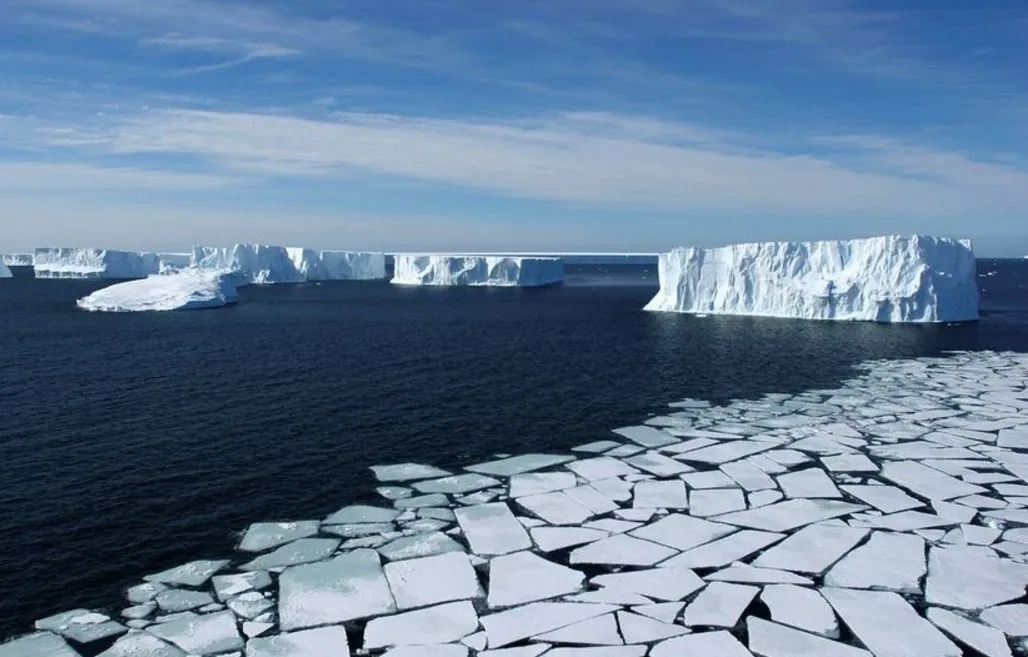
    Three leading research groups predict a 1.5°C rise in global temperatures in 2024. Experts recognize the impossibility of achieving the climate goal due to prolonged inaction.

    Three of the five leading research groups that monitor global temperatures believe that 2024 will be at least 1.5C (2.7F) hotter. This is because the internationally agreed goal of keeping global temperature rise below 1.5C has been "deader than a nail in the door" for some time.

    Writes UNN with reference to The Guardian.

    2024 will once again be the hottest year on record, with temperatures exceeding 1.5°C above pre-industrial levels for the first time.

    The goal of avoiding exceeding 1.5C is dead on. It is almost impossible to avoid it now because we have waited too long to act

    – said Zeke Housfather, head of climate research at Stripe and a researcher at Berkeley Earth.

    Moreover, the expert noted that "we are crossing the 1.5°C threshold at an accelerated pace, and this will continue until global emissions stop rising." The conclusions were confirmed by three of the five leading research groups that monitor global temperatures.

    Image

    At the same time, diplomats and experts at COP29 keep talking about 1.5°C.

    Obviously, 1.5°C is getting harder and harder. Regardless of how difficult it is, I don't want to give up on this goal, knowing full well what harm lies on the other side of that 1.5°C

    – said Wopke Hoekstra, European Union Commissioner for Climate Action.

    However, the 1.5°C goal now seems more rhetorical than scientifically achievable, unless we take into account the huge amounts of carbon sequestration in the future with the help of yet untested technologies, the Guardian writes.

    A new record of CO₂ emissions is expected in 2024: why it matters for the planetNov 13 2024, 08:12 AM • 16320 views

    "I never thought that 1.5C was a conceivable goal. I thought it was a ridiculous thing. I'm not surprised at all, like almost all climate scientists, that we're slipping past it at this rate," said Gavin Schmidt, a climate scientist at NASA.

    The big problem, climate and policy experts say, is that no one knows what target to adopt next. Should it be 1.6°C, or 1.7°C, or even more? What is realistic but also motivating? Should the new target be a different target temperature or something else?

    Countries and companies ignore most of the UN reports on methane emissionsNov 17 2024, 02:49 PM • 20157 views

    "If we can't reach 1.5C, it's better to get 1.6C than 1.7C, which would be better than getting 2C or more," experts say.

    Image

    "In any case, we are not going to have a good result. It is difficult. But every tenth of a degree matters," added Hausfather.

    Augmentation

    All countries must submit their new climate targets by February. To keep global climate goals ‘alive,’ ‘every country must submit economy-wide National Climate Action Plans (NDCs) that meet the degree limit,’ UN Secretary-General António Guterres said in a speech to SOR29. ‘The G20, as the largest source of emissions, should lead the phase-out of fossil fuels.

    Recall

    Earlier, UNN reported that climate change has made it possible to grow new crops in regions of Ukrainewhere they were not previously grown, creating opportunities for the development of the agricultural sector. This was stated by Taras Vysotsky, First Deputy Minister of Agrarian Policy and Food of Ukraine, at the conference "Climate Change: Challenges for Agricultural Education and Science".

    Temperature likely to exceed 1.5 degrees in 2024 – World Meteorological OrganizationNov 6 2024, 04:52 PM • 17799 views

  • Portuguese sheep’s milk cheese from Portugal is recognized as the best in the world

    Portuguese sheep’s milk cheese from Portugal is recognized as the best in the world

    Portuguese sheep's milk cheese from Portugal is recognized as the best in the world

    The soft cheese from Quinta do Pomar was recognized as the best among 4786 cheeses from 47 countries. British cheesemakers were unable to participate due to customs restrictions after Brexit.

    Portugal won the World Cheese Awards, while the UK was left without an award due to customs restrictions.

    Transmitted by UNN with reference to Euronews.

    Details

    A soft, buttery sheep's milk cheese from Portugal, made by Spaniard Sonia Marroio for Quinta do Pomar in Serra da Gardunha, has been recognized as the best in the world. The cheese topped the charts at this year's World Cheese Awards ceremony held in Viseu, northern Portugal, beating two Swiss cheeses (Tea Fondada and Alpenhorn Mifroma, which took second and third place), as well as Spanish and American cheeses (La Cava Barus) García-Baquero and Bayley Hazen Blue.

    At least 4,786 cheeses from 47 countries were presented at this year's competition, which is considered the largest in the world, and were judged by 240 judges of 40 nationalities.

    The judges for this award were experts in the cheese industry: cheese technologists, cheese classifiers, retailers, buyers, chefs and journalists. For about three hours, the cheeses stood on different tables, where the judges evaluated them for appearance, aroma, texture, taste and mouthfeel, and then awarded them with gold, silver, bronze or no medals.

    Chef Hector Jimenez-Bravo shares recipes for simple breakfastsOct 21 2024, 03:53 AM • 16455 views

    A curious fact: British cheesemakers were left out of the running after their applications for participation in the competition were subjected to customs inspections after Brexit. As a result of problems with customs, up to 252 cheeses from 67 British producers were affected.

    John Farrand, director of the Guild of Fine Foods, said there would be “no delay” until after the UK leaves the EU.

    “It appeared 6,000 years before Christ": 13 interesting facts about cheese you didn't knowNov 15 2024, 04:05 PM • 101089 views

  • Nordic countries equipping citizens with pamphlets offering advice in case of war

    Nordic countries equipping citizens with pamphlets offering advice in case of war

    Nordic countries equipping citizens with pamphlets offering advice in case of war

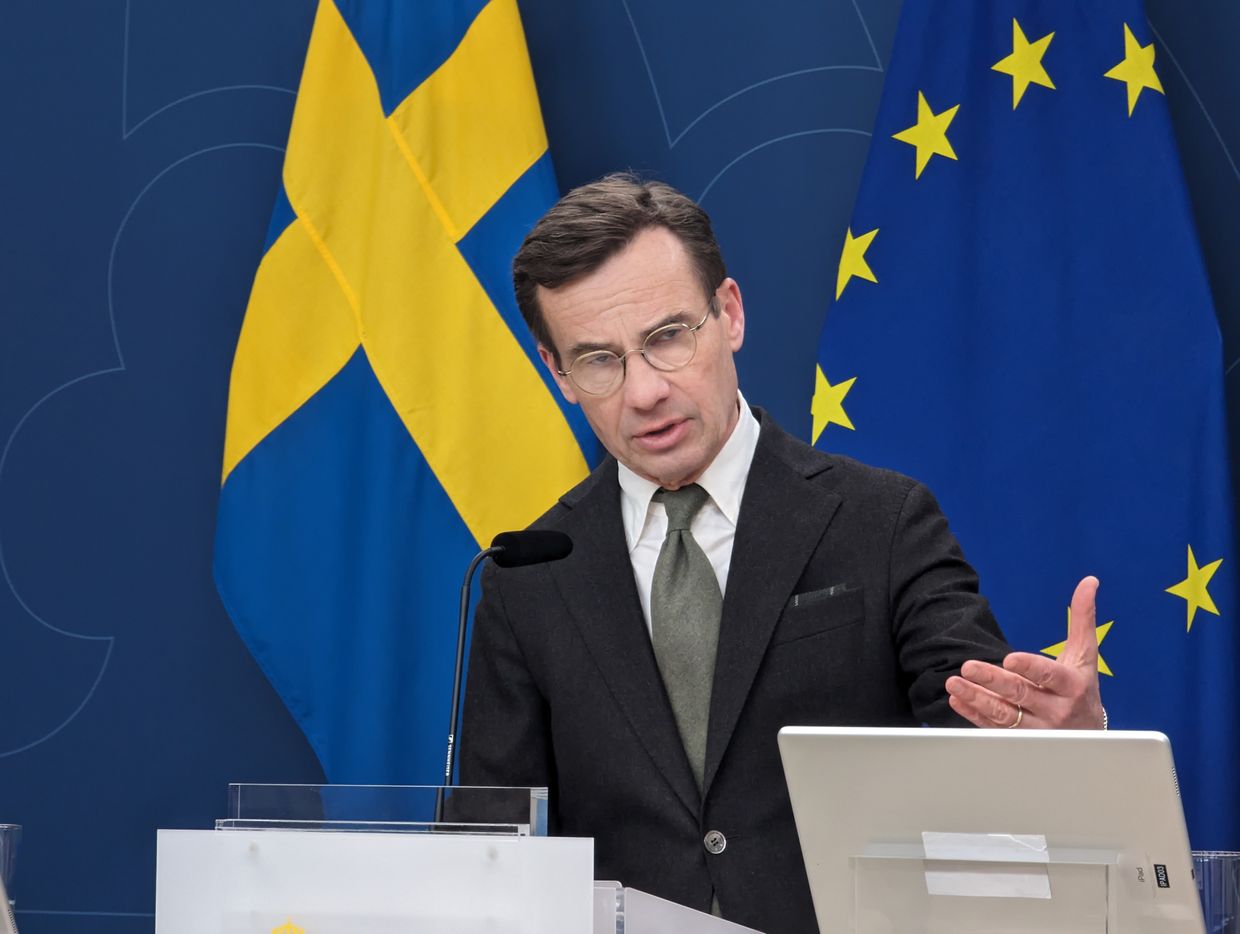
    The governments of Norway, Sweden, and Finland have begun the distribution of informative pamphlets to citizens, providing them with advice in case of the outbreak of war or other emergency situations, BBC reported on Nov. 17.

    Russia's full-scale invasion of Ukraine exacerbated fears among neighboring countries of a potential open conflict between Moscow and NATO.

    Citizens of Sweden will begin to receive pamphlets in the mail on Nov. 18, providing basic information on a "worsening security situation" amid Russia's ongoing full-scale invasion of Ukraine.

    In recent months, both Finland and Norway also provided pamphlets to its citizens. Helsinki provided a virtual pamphlet, as opposed to a physical copy, in an effort to save taxpayer money, while Oslo distributed 2.2 million paper pamphlets, "one for each household in Norway,” according to a spokesperson for Norwegian Directorate for Civil Protection, the BBC reported.

    The advice provided in the pamphlets — which have been reprinted and updated from earlier versions — provides basic survival information, including information on meals and medicines, while stressing that the Nordic countries are prepared for "self-defense" in case of a war.

    “If Sweden is attacked by another country, we will never give up. All information to the effect that resistance is to cease is false,” Stockholm's advice reads.

    Both Sweden and Finland joined the NATO alliance in the two years following Russia's full-scale invasion in February 2022. Both countries abandoned their non-alignment policy, concerned that they may become a target of Russia's expansionist ambitions.

    Russian Foreign Ministry spokesperson Maria Zakharova previously threatened Sweden in February 2024 saying there would be a Russian response to the country's then-prospects of joining NATO, but did not clarify what it would entail.

    Russian President Vladimir Putin also made similar vague threats to Finland after it joined the alliance, saying in December 2023 that Finland is "now going to have problems" because it joined NATO.

    NATO militaries have strengthened their capacity and preparedness since the beginning of Russia's full-scale invasion of Ukraine. While the prospect of the war escalating to an all-out clash between the alliance and Russia has so far been averted, there are concerns that the West has not truly accepted that it may still be a possibility.

    In Lithuania, the LRT public broadcaster reported on July 25, citing the country's Interior Ministry, that the country's authorities are drawing up plans for mass evacuations of civilians in case of an armed conflict.

    Several NATO commanders and other alliance leaders have warned in increasingly stark terms in recent months about the dangers of such a war and what impact it could have across Europe.

    Biden authorizes Ukraine to target Russia with US long-range missiles, media reportsThe permission should initially apply to strikes against Russian and North Korean soldiers in Kursk Oblast but could eventually expand to other areas, undisclosed official sources told the New York Times.Nordic countries equipping citizens with pamphlets offering advice in case of warThe Kyiv IndependentSonya BandouilNordic countries equipping citizens with pamphlets offering advice in case of war
  • Zelensky checked the state of fortifications in Donetsk region: what the President saw

    Zelensky checked the state of fortifications in Donetsk region: what the President saw

    Zelensky checked the state of fortifications in Donetsk region: what the President saw

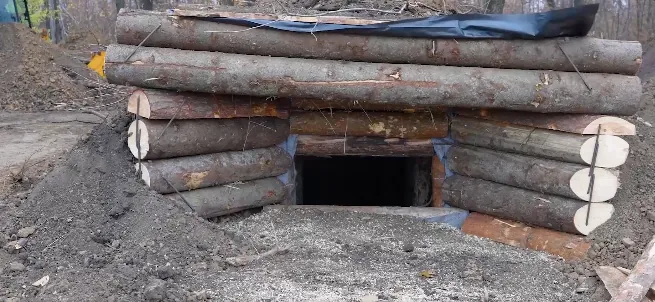
    President Zelenskyy held a meeting on life support in Donetsk region and inspected the construction of fortifications. According to him, most of the planned defense structures have already been completed.

    President Volodymyr Zelenskyy held a meeting on life support in Donetsk region and inspected the construction of fortifications in the region. He announced this on Monday in Telegram, reports UNN.

    Donetsk region. Construction of fortifications and a meeting on life support in the region. Security is a priority. Today I got acquainted with the progress of construction of defense structures. Most of the planned facilities have already been arranged. I thank everyone involved in this important work

    – Zelensky said.

    President of Ukraine Volodymyr Zelenskyy visited Pokrovsk in Donetsk region, where he spoke with the military defending the city from the Russian army.

  • China abolishes tax incentives for metal exports: what does this mean for the market

    China abolishes tax incentives for metal exports: what does this mean for the market

    China abolishes tax incentives for metal exports: what does this mean for the market

    China is canceling a 13% tax rebate on aluminum and copper exports starting December 1. This led to a drop in the shares of Chinese companies, while their international competitors showed growth.

    China's abolition of export tax incentives has forced the aluminum industry to assess the impact on supply flows, with Chinese companies experiencing a sharp drop in shares while their international competitors showed growth, Bloomberg reports, UNN writes.

    Details

    Beijing unveiled a major overhaul of its export rebate regime late Friday night, announcing plans to eliminate a 13% tax rebate on overseas sales of aluminum, copper, and cut exemptions for batteries and solar panels.

    Aluminum Corp. of China Ltd. and China Hongqiao Group Ltd., the country's two largest aluminum smelters, posted 5% drops in Shanghai and Hong Kong before losses were reversed, while Yunnan Aluminum Co. hit a 10% drop for the day in Shenzhen. Aluminum fell on the London Metal Exchange, losing 5.3% of the growth seen on Friday.

    This move by Beijing, which some analysts see as an attempt to reduce China's industrial overcapacity, has had the biggest impact on aluminum among the affected commodities due to the importance of Chinese exports to both the country's producers and global buyers. The tax changes will come into effect on December 1.

    The tax adjustment precedes the return of US President-elect Donald Trump to the White House with a promise to raise tariffs to protect American industry. It was also introduced as Chinese President Xi Jinping met with US President Joe Biden in Peru, emphasizing China's desire for cooperation between the world's two leading economies.

    Xi Jinping says he will cooperate with the Trump administrationNov 17 2024, 12:53 AM • 19744 views

    “This could be a strategic move that demonstrates China's crucial role in global markets and its ability to influence prices and demand,” ING commodities strategists Ava Manti and Warren Patterson wrote in an email. – “In the short term, the removal of the discounts will make Chinese aluminum more expensive on the international market and could lead to a reduction in exports.

    Aluminum on the LME fell 1.6% to $2608.50 per tonne as of 10:03 a.m. local time.

    The reaction of the copper market has been less pronounced so far, as China's copper products are not as important to the rest of the world as aluminum supplies. However, there has been a surge in overseas sales of copper products this year.

    Zhejiang Hailiang Co., a major producer of copper pipes and rods, said the impact would be limited and the company would respond by accelerating overseas investment in countries such as Vietnam, Germany, the United States, and Morocco.

    For solar producers, the long-term impact of the reduction in rebates is likely to be negligible. China dominates global production, so exporters should be able to pass on costs to foreign buyers. This increase will be more than offset by a 30% drop in panel prices over the past year, the publication writes.

  • ‘Step toward World War III’ — Russian MPs react to long-range strike permission reports

    ‘Step toward World War III’ — Russian MPs react to long-range strike permission reports

    'Step toward World War III' — Russian MPs react to long-range strike permission reports

    Editor's note: The story was updated with comments from Rossiyskaya Gazeta and Leonid Slutsky.

    Senior Russian lawmakers threatened on Nov. 17 that outgoing U.S. President Joe Biden’s decision to allow Ukraine to strike deep inside Russian territory with ATACMS missiles could lead to World War III and the loss of Ukrainian statehood.

    "This is a very big step towards the start of World War III," lawmaker Vladimir Dzhabarov said, according to Russia’s state-owned TASS state news agency.

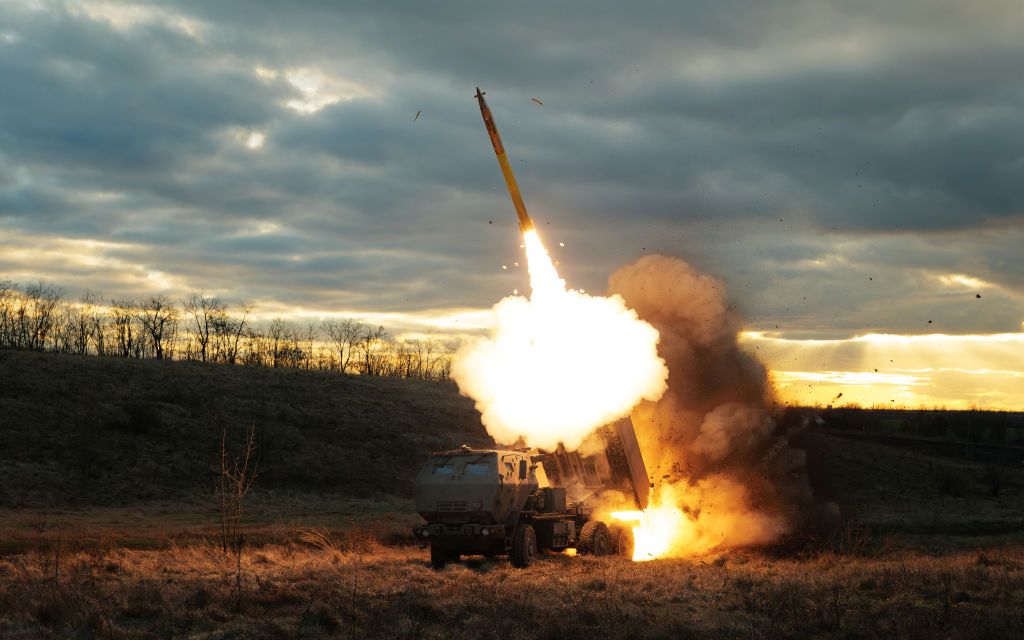
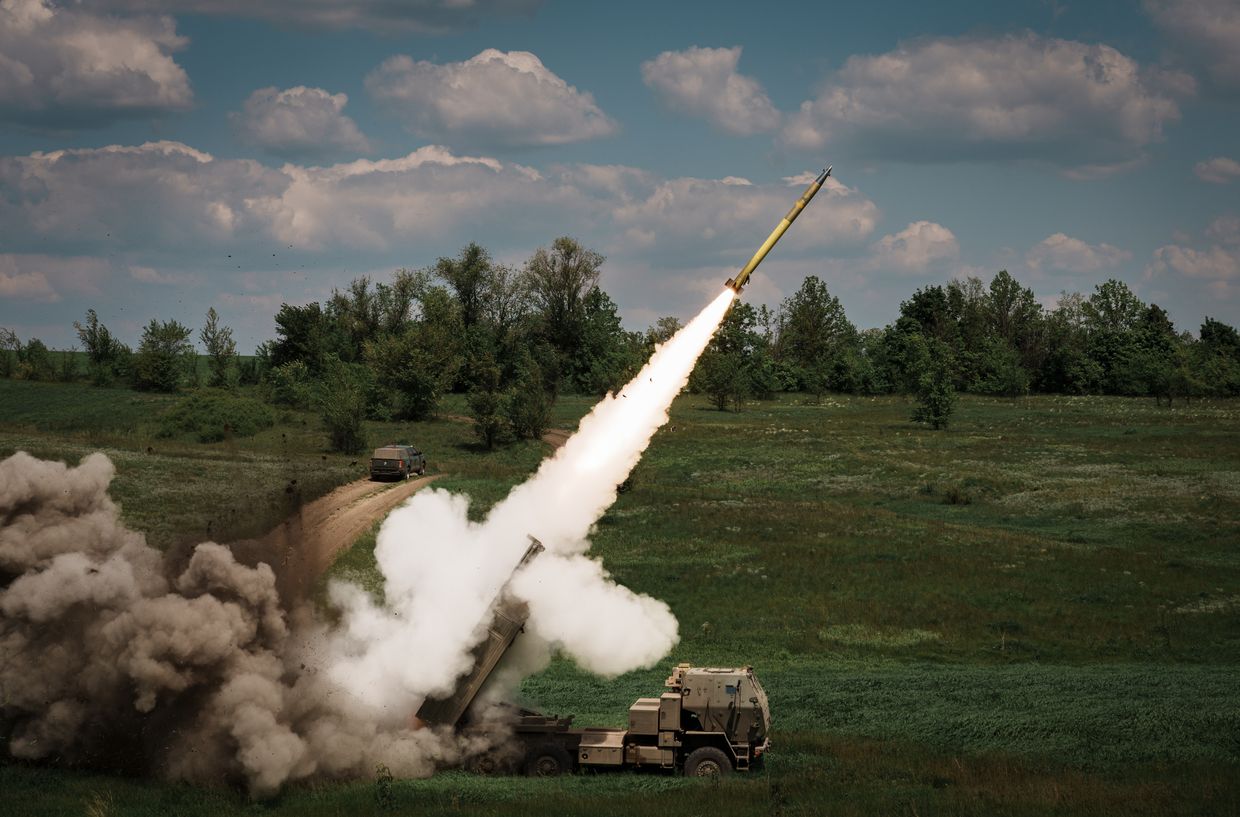
    Biden has authorized Ukraine to use U.S.-supplied long-range ATACMS missiles for strikes inside Russia, marking a significant shift in U.S. policy, several media outlets reported on Nov. 17.

    Ukraine will likely initially use the missiles against Russian and North Korean forces in Kursk Oblast, but Washington could also authorize their use elsewhere, undisclosed official sources told the New York Times.

    The decision has not been publicly confirmed by Kyiv or Washington, with President Volodymyr Zelensky saying that the "missiles will speak for themselves."

    "The West has decided on a level of escalation that could end with the remnants of Ukraine completely losing their statehood," Andrei Klishas, a member of Russia’s Federation Council, wrote on his Telegram channel.

    Leonid Slutsky, head of the nationalist Liberal-Democratic Party, said the step would "inevitably lead to a serious escalation, threatening serious consequences."

    Government-owned Rossiyskaya Gazeta newspaper called it "one of the most provocative and uncalculated decisions" by the Biden administration that could lead to "catastrophic consequences."

    The Kremlin has yet to comment officially on the latest reports. Russian President Vladimir Putin has previously said that long-range strikes against Russia with Western arms would mean NATO's involvement in the war, adding that Moscow is preparing "various responses" to such a step.

    Russia has repeatedly set supposed "red lines" on Western assistance for Ukraine, sometimes accompanied by veiled or overt nuclear threats.

    The policy change follows Biden's previous hesitance to provide such weapons out of concern for escalating tensions with Russia.

    While U.S. officials do not expect this move to "change the overall course of the war," Biden reportedly aims to help Ukraine target critical Russian and North Korean military assets and send a deterrent message to Pyongyang, the New York Times wrote.

    Proponents of the decision have long argued that this authorization would significantly enhance Ukraine’s defense capabilities, especially with Russia ramping up military offensives on many fronts and intensifying drone and missile attacks in recent months.

    Russia mulls ‘various responses’ if West aids Ukraine with long-range strikes, Putin saysThe Russian Defense Ministry is considering “various options” as a response if Ukraine launches long-range strikes against Russia with Western support, Russian President Vladimir Putin told state media in an interview published on Oct. 27.'Step toward World War III' — Russian MPs react to long-range strike permission reportsThe Kyiv IndependentMartin Fornusek'Step toward World War III' — Russian MPs react to long-range strike permission reports
  • Missile attack on Odesa: the number of victims continues to grow

    Missile attack on Odesa: the number of victims continues to grow

    Missile attack on Odesa: the number of victims continues to grow

    A rocket attack on a residential area of Odesa killed 8 people and injured 20. According to preliminary data, the occupiers attacked the city with Iskander missiles.

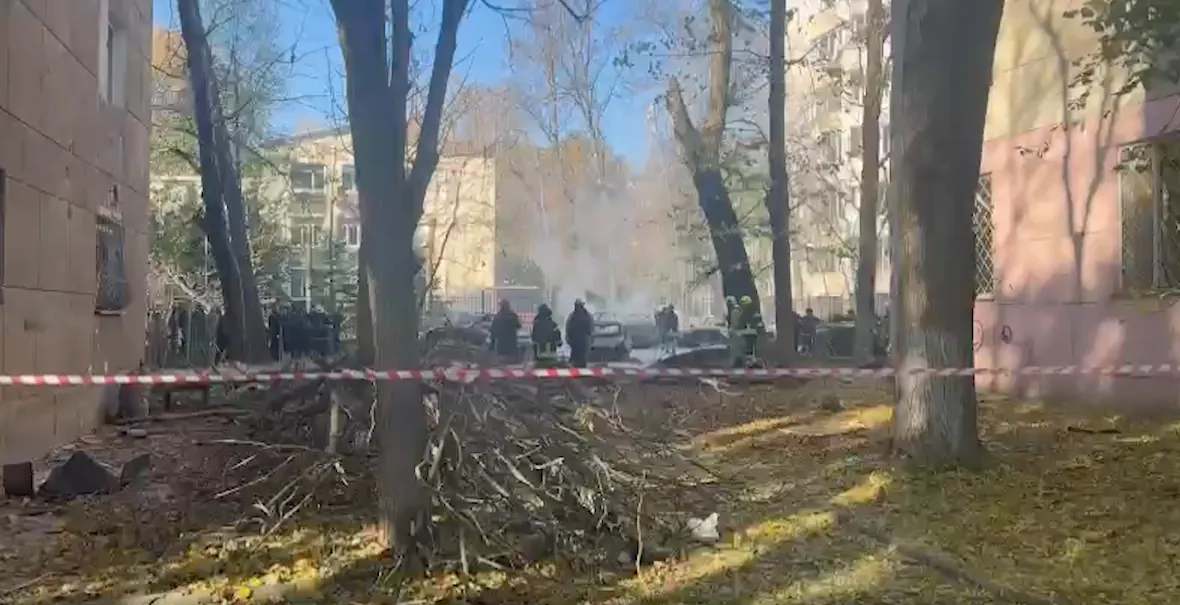
    As a result of a rocket attack by Russian troops on a residential area of Odesa, the number of victims has increased to 20 people. This was reported by the head of the Odesa RMA, Oleh Kiper, during a telethon, UNN reports .

    Details

    “In total, there are currently 20 victims, 8 people have died. Rescuers are now working at the scene to extinguish the fire,” Kiper said.

    He noted that the information that one of the missiles was stuck in the school is not true.

    “I will refute that, because it is most likely some part of the missile that exploded over Odesa. As for the missiles (fired by the Russians – ed.), they are preliminary Iskanders,” Kiper added.

    Recall

    A rocket attack by Russian troops on a residential area of Odesa killed 8 people.

  • EU to discuss Russia’s latest large-scale strike against Ukrainian energy infrastructure

    EU to discuss Russia’s latest large-scale strike against Ukrainian energy infrastructure

    Foreign ministers of European Union countries will discuss the latest Russian large-scale missile strike on Ukraine, which largely targeted Ukrainian energy infrastructure.

    Source: Josep Borrell, European Union’s High Representative for Foreign Affairs and Security Policy, ahead of the European Union Council meeting in Brussels

    Details: Borrell said that Russia’s war against Ukraine and the Sunday attack on Ukrainian energy infrastructure in particular will be one of the topics discussed during the meeting.

    "Putin answers to any attempt to talk, to negotiate, by launching the heaviest attack against civilian infrastructure, in particular electricity infrastructure. It has been the heaviest attack in months […] It doesn’t look like he’s willing to negotiate, quite the contrary," Borrell said.

    Ukraine’s Air Force said that Russia launched a total of 210 missiles and drones on Ukraine on the morning of 17 November, with Ukrainian forces intercepting and destroying 144 of them. Air defence systems were responding in most Ukrainian oblasts.

    Two people were killed in Odesa Oblast and two – both railway workers – in Dnipropetrovsk Oblast. Also, a woman was killed in Lviv Oblast.

    Eleven people were killed and nearly 90 were injured in a Russian ballistic missile strike on the evening of Sunday, 17 November.

    Support UP or become our patron!