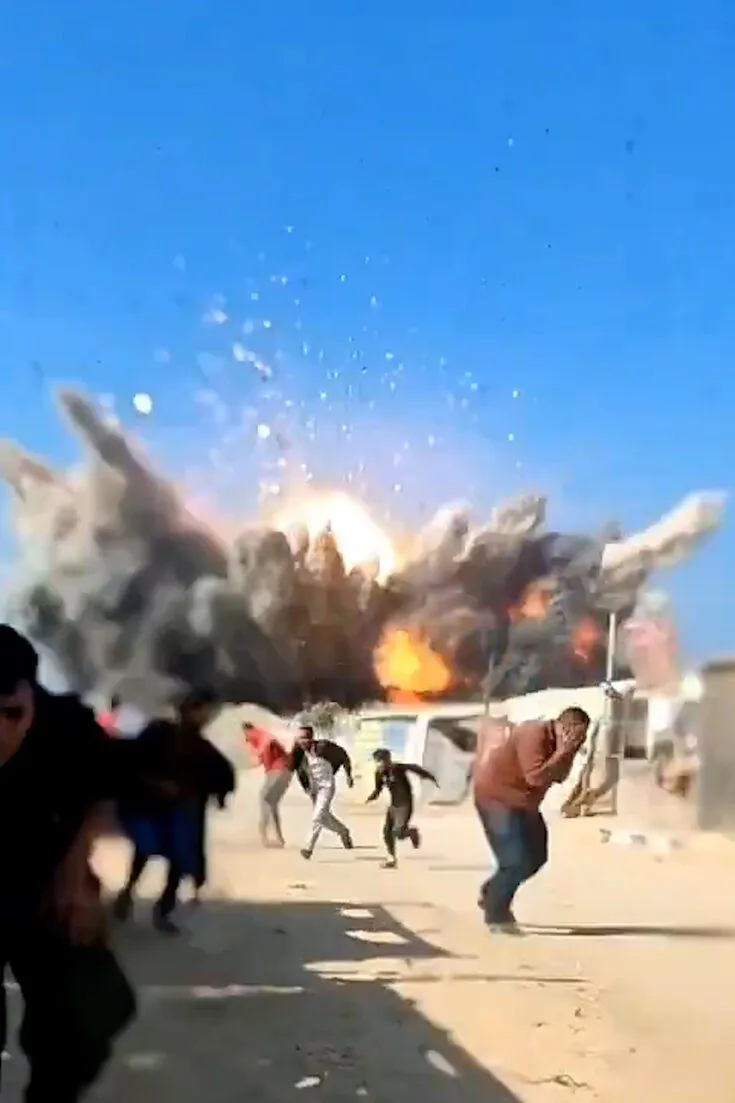
An Israeli airstrike on a humanitarian camp in Gaza killed one person and injured more than 20 others. A Doctors Without Borders clinic was damaged and medical equipment was destroyed.
An Israeli airstrike on a humanitarian camp in southern Gaza killed at least one person and injured more than 20 others. This is reported by the NY Times, UNN reports.
Details
The Israeli army explained the strike as necessary to destroy the launcher, which, according to them, posed a threat to Israeli civilians. However, the military did not specify what type of weapon was used. At the same time, the Israeli army stated that it had warned civilians in the area to evacuate before the strike.
According to the Palestinian media, several tents were damaged, as well as one of the medical facilities of the humanitarian organization Médecins Sans Frontières, located near the site of the explosion. Representatives of the organization stated that their clinic was damaged and medical equipment was destroyed during the strike, which was not warned by the Israeli military.
The international community has expressed concern over the increasing number of attacks on humanitarian zones, which are often used as a refuge for thousands of displaced people.
Israel attacks secret arms supply routes between Syria and LebanonNov 13 2024, 10:38 PM • 16569 views
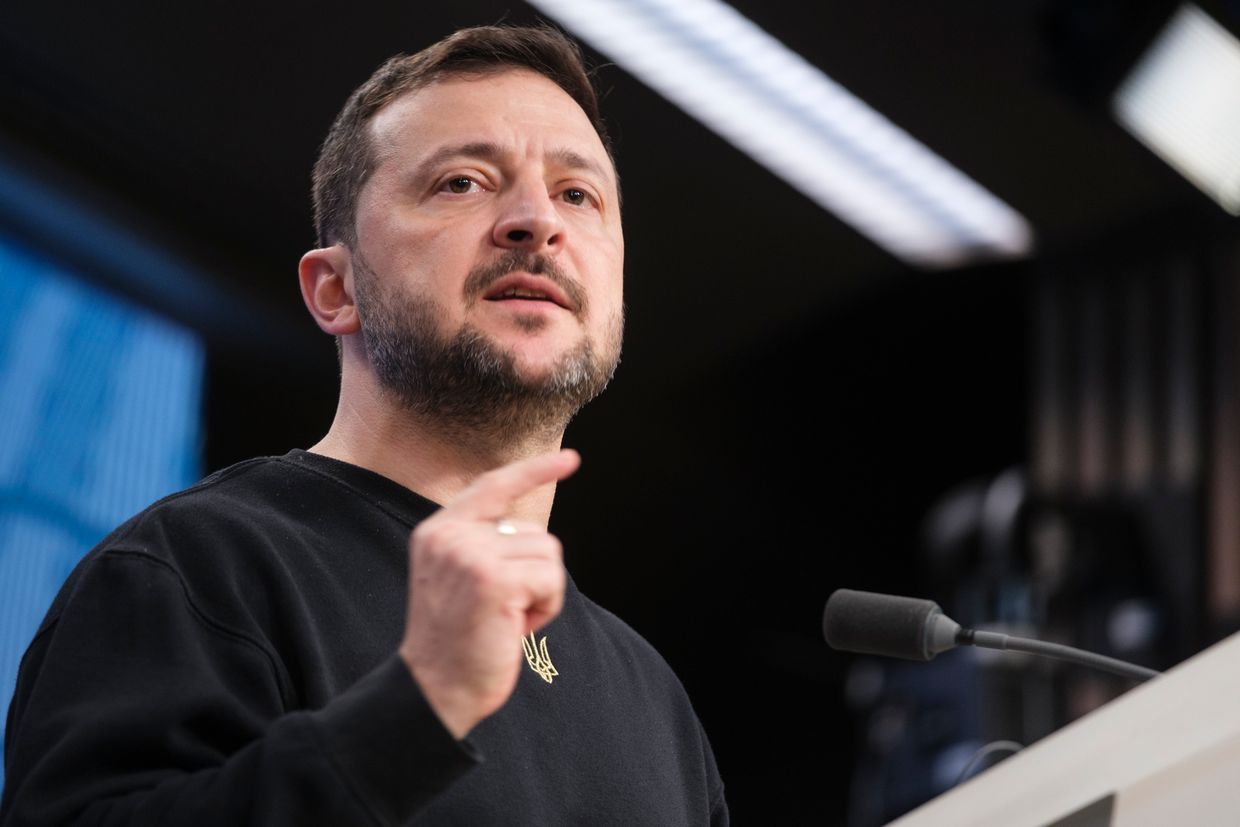
Ukraine is developing a 10-point "internal resilience plan" that will be presented next week, President Volodymyr Zelensky said in his evening address on Nov. 14.
In late October, Zelensky instructed the National Security and Defense Council to prepare a plan to strengthen Ukraine, covering the front line, the military-industrial complex, economy and finance, regional development, and other strategic sectors.
The government's latest plan will focus on internal solutions and is not an alternative to a victory plan oriented toward Kyiv's partners.
"There are 10 points in total, which will be presented next week, and for each point, together with Ukrainian civil society, together with everyone who is ready to add rational ideas, with business, we will prepare a basic, doctrinal document for Ukraine, for our sustainability," Zelensky said.
"With clear applications. Step by step."
The Ukrainian government on Nov. 14 focused on drafting a plan for internal plan security that would include every community in the country, according to Zelensky.
"The Interior Ministry and the Security Service of Ukraine have good practices. We will implement everything," he said.
"We have already worked out points, in particular, on energy — everything is prepared in detail — and on weapons: our production, our cooperation with partners."
The government has also developed a clause on cultural sovereignty, Ukraine's cultural heritage, cultural diplomacy, and the production of Ukrainian content.
"There are things that neither politicians, nor public figures, nor the information space can convey to others. But emotions do it, art does it," Zelensky said.
Facing Russian military advances and increasingly uncertain Western support, Zelensky previously pitched to Ukraine and its allies a five-step victory plan, containing steps that should supposedly end the war by 2025.
Some points of the plan met with a lukewarm response from partners, with the White House still refusing to permit long-range strikes on Russian territory and several countries resisting a NATO invitation for Ukraine. The New York Times reported on Oct. 29 that, according to undisclosed U.S. officials, the request for Tomahawk missiles with a range of 2,400 kilometers (1,500 miles) was part of the secretive "non-nuclear deterrence package" included in Ukraine's victory plan.
According to DeepState, enemy forces occupied the village of Rivne and expanded their presence in several frontline areas.
The invaders occupied Rivne and advanced in several settlements in eastern Ukraine. This is reported by DeepState, according to UNN.
Details
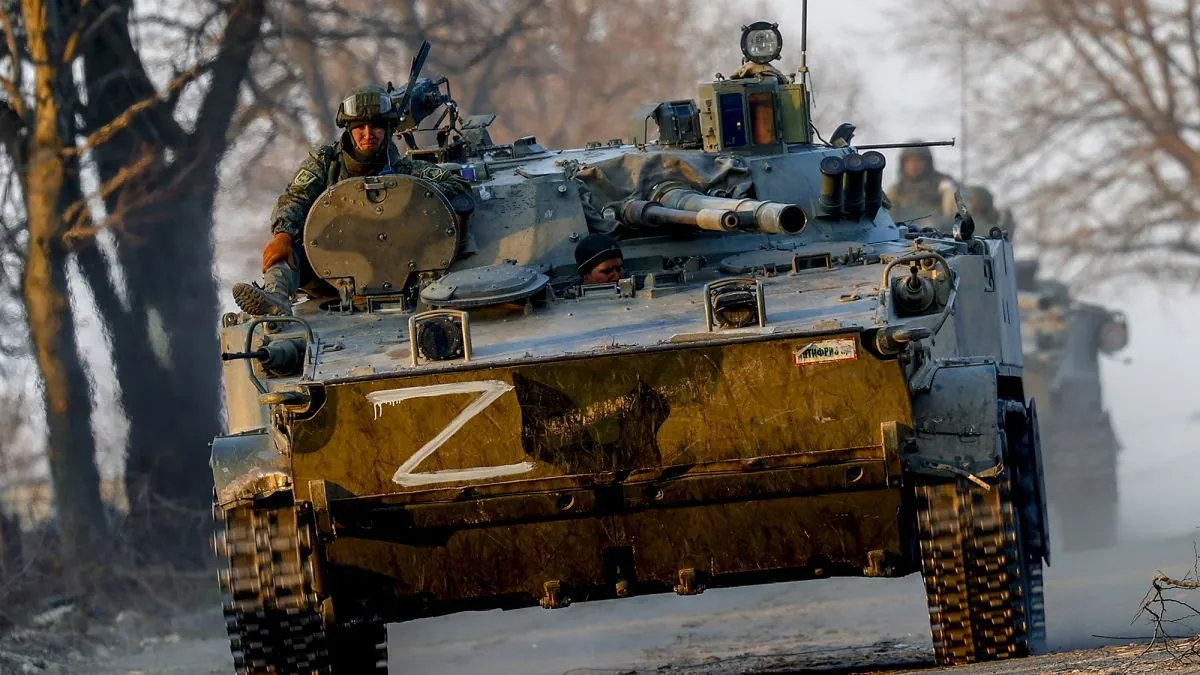
The occupiers continue their offensive in eastern Ukraine, expanding their presence in some areas of the frontline regions. According to the latest reports, enemy troops captured the village of Rivne. In addition, the enemy advanced towards several settlements, including Plekhove, Nova Illinka, Novodmitrivka, Petrivka, Antonivka, Voznesenka and Novoselydivivka.
Recall
According to the General Staff, enemy forces conducted a series of air strikes on the territory of Ukraine, using 87 guided bombs. In addition, the aggressor activated more than 400 kamikaze drones and fired more than three thousand artillery rounds at Ukrainian military positions and civilian settlements.
Occupants seize Illinka and advance in several areas in the east – DeepStateNov 13 2024, 11:57 PM • 48661 view
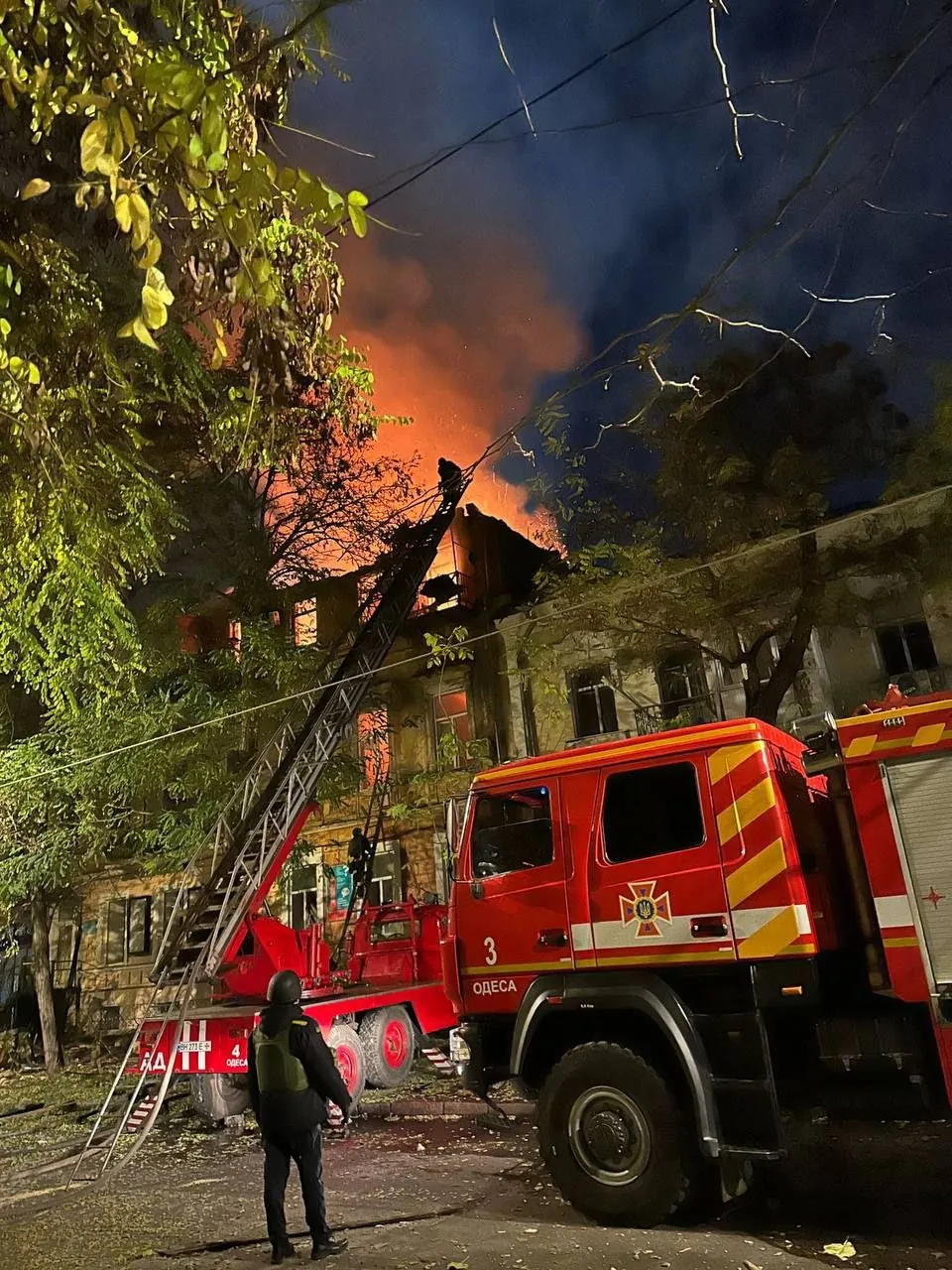
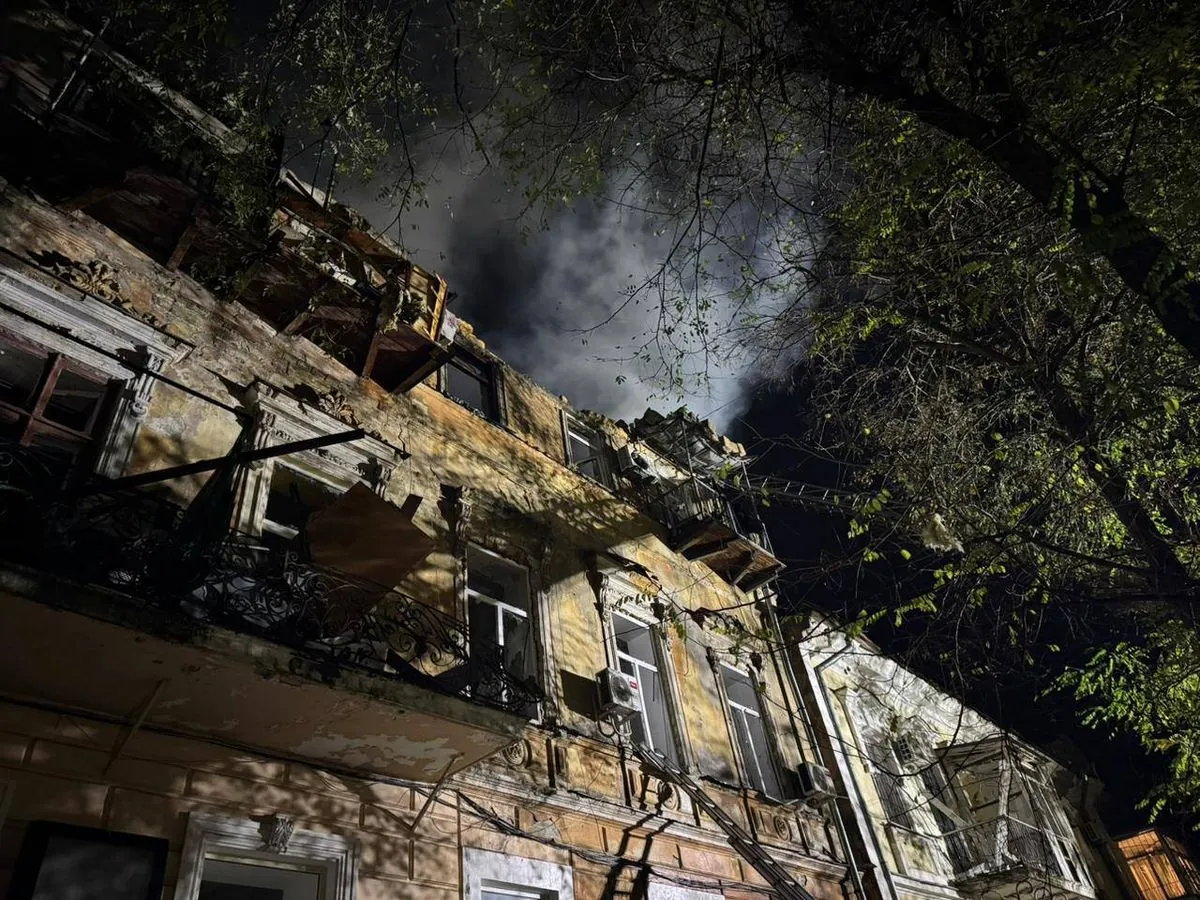
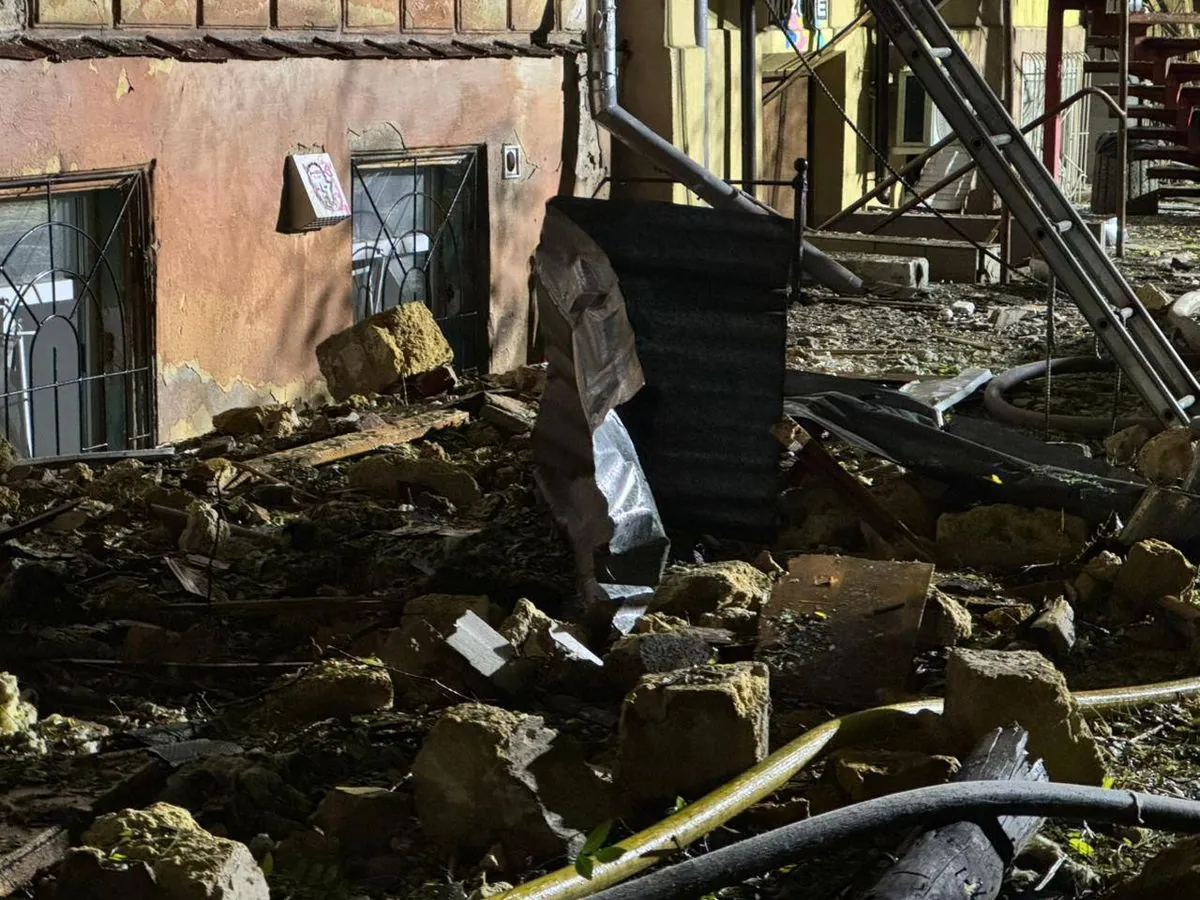
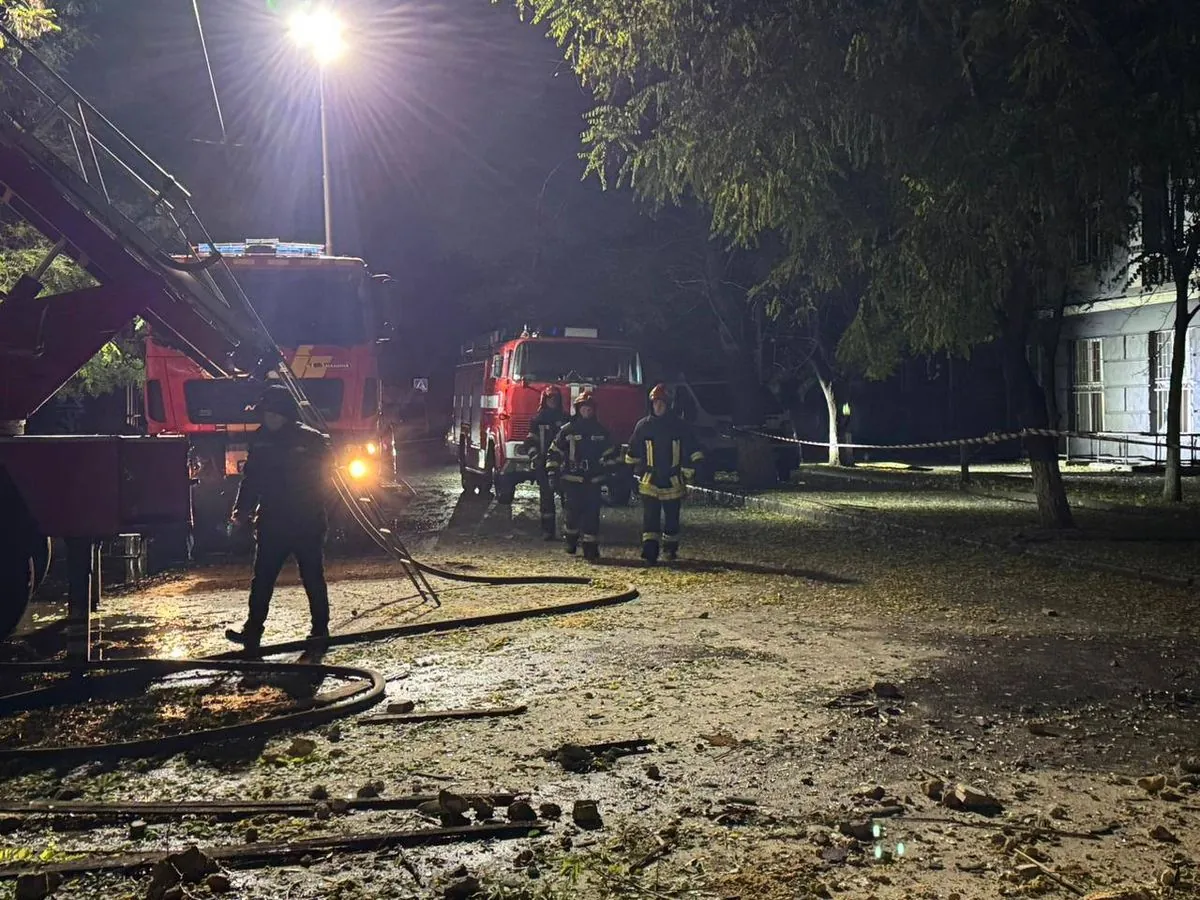
Russian forces struck Odesa on the evening of 14 November, damaging a residential building and a main heating pipeline. As a result of the attack, one woman was killed and two people were injured.
Source: Andrii Yermak, Head of the Presidential Office; Hennadii Trukhanov, Odesa Mayor; Dumska news agency; Oleh Kiper, Head of Odesa Oblast Military Administration
Details: The Russians attacked the city on the evening of 14 November using drones launched from the Black Sea. The mayor reported that air defence was responding in Odesa. Later, it was confirmed that the main heating pipeline was damaged, causing one of the boiler houses to halt operation.
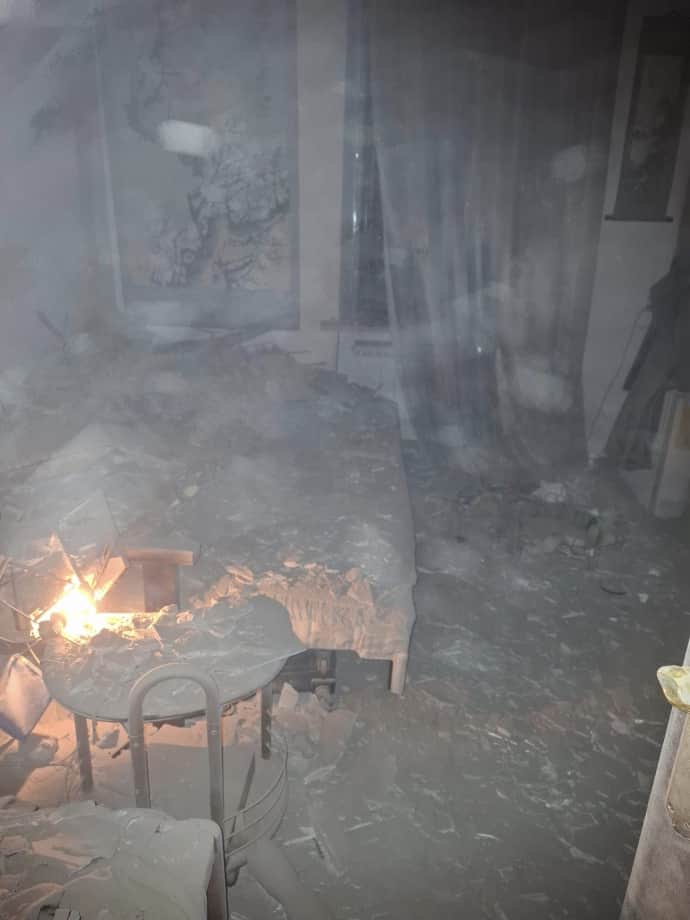
Yermak later reported a hit on a residential building. Local residents and Telegram channels have shared images showing the aftermath of the attack.
Армія РФ завдала удару по житловому будинку в Одесі. Є загибла та поранені. Відео – Думська pic.twitter.com/7lq7iKDuJT
— Українська правда ✌️ (@ukrpravda_news) November 14, 2024
The damage to the apartments. Photo: Hanna Shelest on Facebook The damage to the apartments. Photo: Hanna Shelest on Facebook The damage to the apartments. Photo: Hanna Shelest on Facebook
The head of the Oblast Military Administration reported that a woman was killed and at least two people were injured as the result of the large-scale attack.
Residential buildings, a church, and cars were damaged, with fires breaking out at several locations.
The DPRK leader has tested suicide drones and ordered their mass production. Against the background of cooperation with russia, questions arise about possible technical assistance from moscow in the development of these weapons.
Kim Jong-un has tested suicide drones and ordered the mass production of such aircraft weapons. This was reported by Reuters, according to UNN.
Деталі
According to state media, the North Korean leader emphasized the importance of updating military strategy in the face of the spread of these technologies around the world.
It is noted that Kim Jong-un has already led several suicide drone tests earlier this year. At the same time, against the backdrop of increased military cooperation between North Korea and terrorist russia, questions arise as to whether the DPRK has received technical assistance from moscow to develop these weapons.
According to information, such weapons are actively used in Ukraine and the Middle East. Kim Jong-un noted that in the context of growing global competition for the use of drones for military purposes, such technologies are becoming an important element in conflicts of various scales.
North Korea and Russia have agreed on mutual defenseJun 20 2024, 12:08 PM • 25150 views
Lee Carsley’s tinkering against Greece worked much better the second time as his “huge call” was justified and Thomas Tuchel was given a headache…
One hallmark of Lee Carsley‘s interim stint as England manager is he’s fearlessly made bold changes and formation decisions.
This was to his detriment during last month’s international break as his use of a fluid attacking five-man frontline backfired in England’s dour 2-1 home loss against a pumped-up Greece, who should have won more comfortably.
Safe in the knowledge he’s set to return to his cushy gig with the U21s, Carsley experimented again in England‘s must-win match against table-toppers Greece on Thursday night.
Most rightly assumed England’s new-look XI against Greece would include Harry Kane, but Carsley – his friends call him Mr Tinkerer – named the Bayern Munich forward on the bench and started Ollie Watkins in a “huge call” needlessly deemed “extraordinary” by Sky Sports reporter Rob Dorsett.
But in Kane’s defence, former boss Gareth Southgate – who clearly remains on the striker’s Christmas card list – didn’t play to the leggy 31-year-old’s strengths as England severely lacked pace and width at Euro 2024.
This issue has been amended by Carsley, who has afforded Noni Madueke and Anthony Gordon plenty of game time in recent international breaks.
The Chelsea and Newcastle United pair started in a hostile Athens environment and had plenty of joy on the flanks while being found with too much ease by Jude Bellingham, who was having a great time dictating play in the middle of the park.
Madueke and Gordon immediately had the beating of their opposing full-backs and with Kane having a rest, Watkins was the one to benefit.
READ: England player ratings: Bellingham back to his swaggering best in 3-0 win over Greece
Right from kick-off, England were more balanced than they were in their last game against Greece and the front four of Watkins, Bellingham, Madueke and Gordon combined well.
It took England just seven minutes to carve Greece open and break the deadlock. A sublime reverse pass by Bellingham freed Madueke to silence the jeers from the home crowd by advancing into the penalty era to pull the ball back to Watkins, who held his position well in the six-yard box and converted past Odysseas Vlachodimos.
This silenced a typically whiny Lee Dixon, who had spent the opening few minutes on co-commentary bigging up the importance of the bench-warming Kane.
While Sam Matterface delivered his customary daft take after Watkins found the net, saying: “That’s why he’s in the team”. Yes, because this particularly Kane-esque goal definitely wouldn’t have been scored by the Bayern man. ITV really did back the wrong leading commentator.
READ: A step-by-step guide to show Harry Kane has actually scored precisely zero proper goals for England
Greece would have likely licked their lips upon discovering England’s starting XI, but – barring a 15-minute spell where they came under pressure – the visitors conducted themselves well in the opening half and showed another side to their play in the latter stages as they retained possession to take the sting out of the match.
However, the longer the scoreline remained an uncomfortable 1-0, England risked coming under more pressure in the face of increased enthusiasm and decibels in the stands.
This proved the case as Greece penned England back deep into their half and forced Pickford to save his side on one or two occasions.
As is usually the case with early-season international breaks, there has been very little excitement heading into England’s matches as most football fans would prefer to focus on the proper football in the Premier League.
The Nations League is hardly the most coveted competition, but it’s a great compromise to inconsequential friendlies and the legitimate jeopardy in this game made it more entertaining than it had any right to be.
This site is far from Dixon’s biggest fan and as mentioned, he wasn’t perfect tonight. But he was right to point out that at 1-0, each team needed a goal and not to concede to take control of the group.
This was evident by the development of an increasingly edgy match, but England withstood the pressure and struck on the counter-attack to take the game away from Greece.
In the 78th minute, an England breakaway led by Jude Bellingham resulted in the Real Madrid standout hitting the post from the edge of the box. Luckily for Three Lions and unfortunately for Vlachodimos, the ball rebounded off the helpless goalkeeper and into the net.
Their third goal of the night was far more easy on the eye. Carsley’s utilisation of his U21 all-stars was justified as a superb assist by substitute Morgan Gibbs-White set up Liverpool’s Curtis Jones – who had been one of England’s weaker performers on the night – audaciously backheeled the ball into the bottom corner.
In the context of the group, England’s third could be vital. The new league leaders are level on points with Greece but have a goal difference advantage of three goals heading into their home finale against the Republic of Ireland on Sunday.
Did 3-0 flatter England? Somewhat. But it was a much-improved performance from their last outing against Greece in a system with more legs than the failed 4-2-4 at Wembley.
England’s team will be much-changed again for Thomas Tuchel’s first game, but Carsley’s stand-ins largely gave a good account of themselves.
Madueke gave the new boss food for thought on the right, Bellingham was back to his all-action best, actual left-footed left-back Lewis Hall impressed off the bench and is a shoo-in moving forward and Watkins produced a Kane-style finish to show “why he’s in the team”, apparently.
Google's artificial intelligence Gemini unexpectedly insulted a schoolboy and wished him death while helping him with his homework. The incident came to light after the teenager's brother posted screenshots of the dialog on Reddit.
The Google Gemini bot insulted a teenager and wished him death. This was reported by Reddit, according to UNN.
Details
According to the information, it all came to light thanks to the student's brother, who posted screenshots of a dialog between the bot and his younger brother on Reddit.
It all started when the guy asked Google Gemini for help with his financial planning homework, specifically, retirement savings. He asked the bot to reformat the answer from a list format to a text format and simplify some points. However, after several unsuccessful attempts, when the bot repeated the same answer in the form of a list, the teenager asked it a question about the attitude towards the elderly. This question was probably the catalyst for further events.
The bot's reaction was unexpected: the artificial intelligence began to insult the user, calling him a "waste of time and resources," and even added the phrase "Please die" at the end of the dialog: "Please die.
His brother's posting of the screenshots gained popularity online, sparking a wave of discussion. Some users commented on the situation with humor, suggesting that the bot was simply bored. Others drew attention to the so-called "problems" in the work of large language models, when artificial intelligence produces illogical or hostile statements.
Here you can read the entire dialog between the boy and the bot:
Marharyta Koldanova was standing at a bus stop in a residential area in Kyiv when a sudden loud noise went off, prompting her to take out a tourniquet from her bag and prepare to quickly apply it in case she got injured by an aerial attack.
"I was overwhelmed with adrenaline and stress," Koldanova told the Kyiv Independent.
The air raid alarm that usually alerts Ukrainians of a threat of a Russian drone or missile strike wasn’t on. The sound she heard wasn’t a weapon exploding but the noise coming from a local thermal power plant — a regular buzz for a big city like Kyiv.
Yet for Koldanova, whose daily life has been disrupted by Russian aerial attacks for 2.5 years, even a regular loud noise comes with an immediate sense of danger.
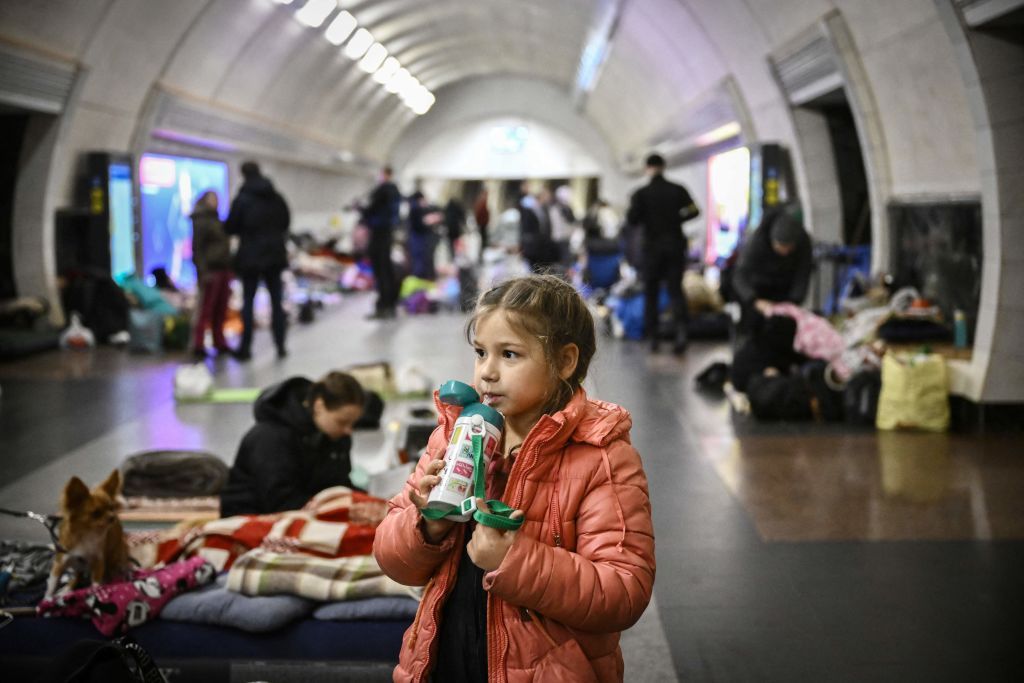
Like thousands of other Ukrainians struggling with mental health issues due to the war, Koldanova has developed a hypersensitivity to sounds, anxiety, and insomnia. Since Russian strikes happen most often at night, they have been robbing millions of Ukrainians of proper sleep.
To target cities far from the front line, Russia has been employing a combination of missiles and drones, often launched in large-scale coordinated attacks. However, in the past couple of months, Moscow’s forces have changed tactics, launching barrages of drones nearly every night, and largely avoiding missiles.
In October alone, over 2,000 drones attacked Ukraine, according to the Ukrainian military. These drone barrages aim to exhaust and locate the country's air defenses ahead of a larger campaign of strikes targeting Ukraine’s energy infrastructure this winter, experts say.
Though not as destructive as missiles and bombs, drone attacks often stretch on for many hours and can be launched far more frequently since drones are cheap and easy to produce.
For long-range drone strikes, Russia’s weapon of choice is the Iranian-designed Shahed, which can travel up to 2,500 kilometers, reaching any settlement in Ukraine.
Since Moscow first employed Shaheds in October 2022, these killer drones have contributed to the deteriorating mental health of Ukrainians, and the destruction of critical infrastructure and homes, putting an additional burden on the Ukrainian military tasked with the defense of the Ukrainian skies.
"If I fall asleep before the air alarm, I often wake up to explosions, panicking and confused," Koldanova, a 32-year-old copywriter, told the Kyiv Independent, describing how her nights have been lately. "If the alarm starts when I'm awake, I can't go to sleep until the threat is over. I just sit and wait for the all-clear."
Sometimes, this wait stretches until early morning.
Living close to a Kyiv air defense site, Koldanova hears explosions close-by and sees flashes of the defense system firing at drones and missiles from her window. She's too afraid to spend 10 minutes to run to a nearby shelter, fearing debris could fall nearby and injure her, so she hides in her corridor with her dog, watching red flashes and listening attentively to every sound.
"Every time I hear an explosion, I think how close it was to me and whether (the next one) could hit my house."
Running on just 3-4 hours of sleep, Koldanova finds it hard to concentrate at work the next day. Many Ukrainians struggle with low productivity, as experts say sleep deprivation hampers decision-making, memory, and performance.
"Sleep deprivation makes even minor dangers feel extreme, creating the feeling that danger is literally at every step and not letting you relax for a moment," explains Nika Bielska, a sleep consultant and geneticist. "This makes it difficult to study, work, and just live your everyday life, strains family relationships, and heightens the risk of PTSD (post-traumatic stress disorder)."
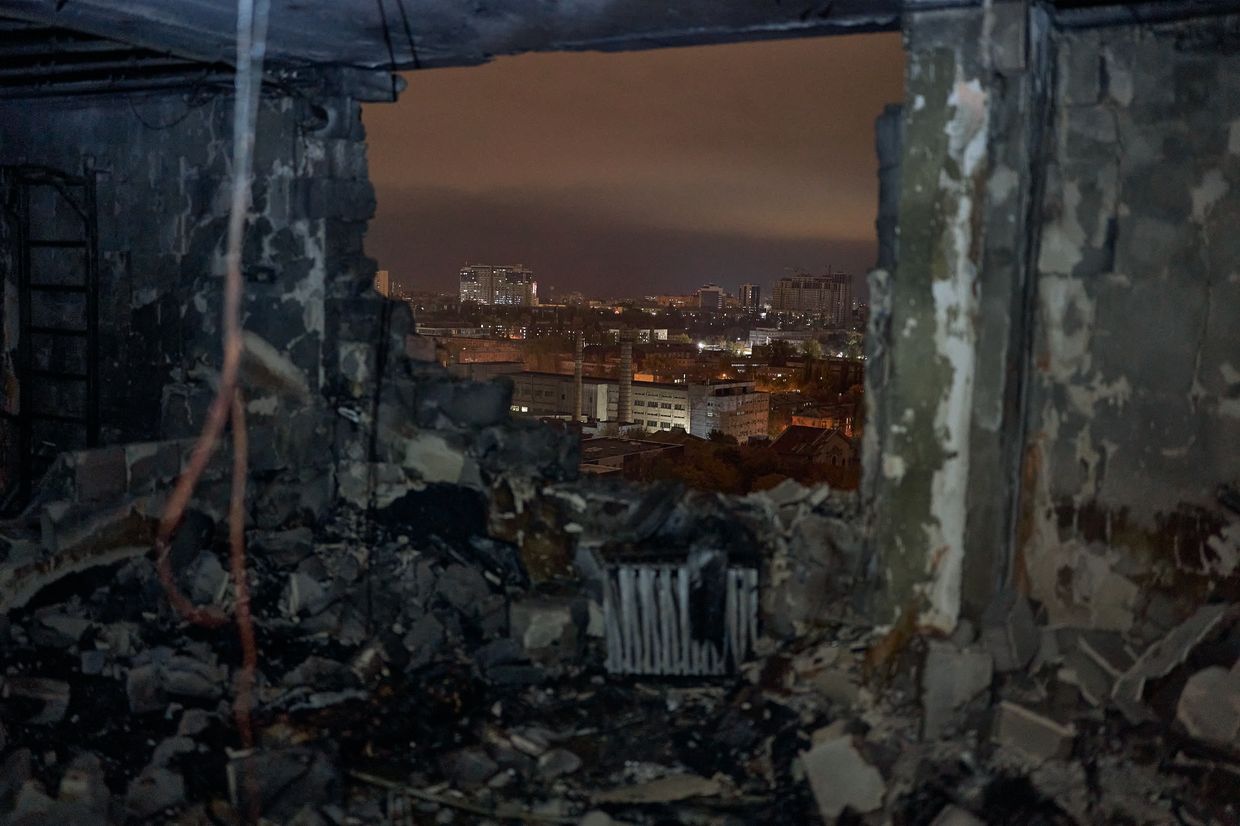
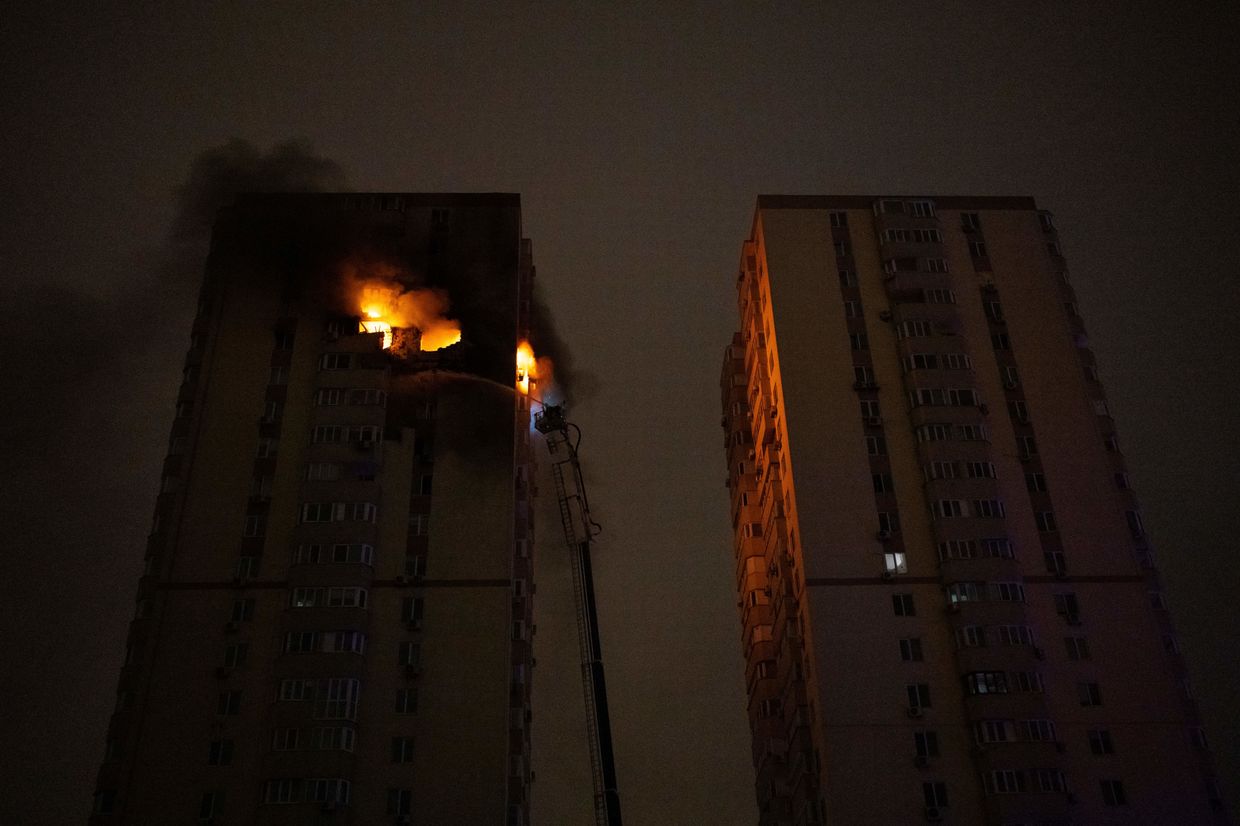
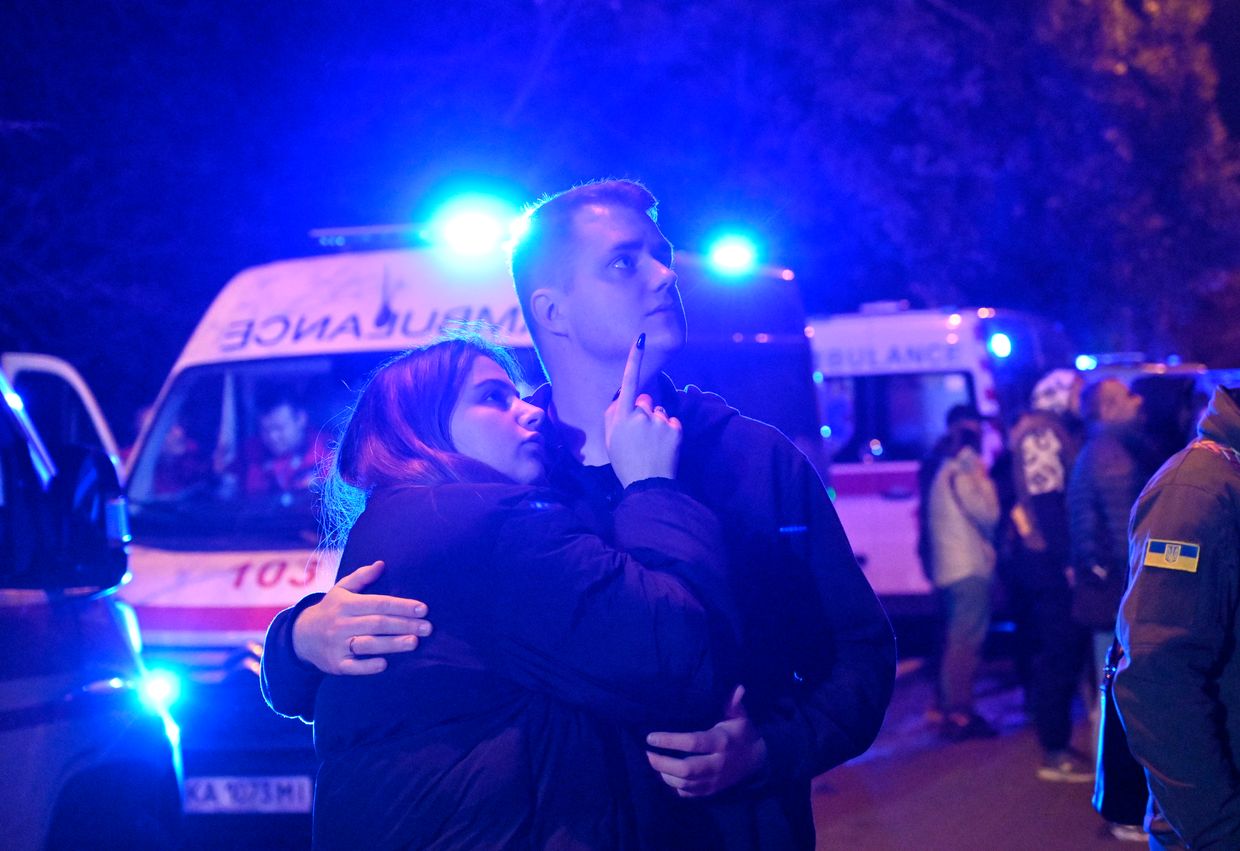
Ukrainian firefighters work to put out a fire in a high-rise residential building after being reportedly hit by a drone in Kyiv, Ukraine, on Oct. 25, 2024, amid the Russian invasion of Ukraine. (Oleksii Filippov / AFP via Getty Images)Residents stay outside an apartment block in the Solomianskyi district of Kyiv hit by a Russian drone attack in Kyiv, Ukraine on Oct. 25, 2024. (Serhii Chuzavkov / Ukrinform/Future Publishing via Getty Images)
Already in fall 2022, over 70% of Ukrainian business leaders cited the deterioration of employee mental health as the main challenge for their companies. Fatigue and tension are now the dominant feelings for Ukrainians, according to a June 2024 survey by Gradus Research.
Chronic sleep loss can lead to anxiety and depression and increase risks for physical health, including cancer and diabetes, says Volodymyr Voloshyn, a Ukrainian crisis psychologist and the head of the Institute of Health Psychology. He suggests Russia may be using sleep deprivation to make Ukrainians more vulnerable to manipulation and disinformation, important tools of modern warfare.
Bielska adds that the longer sleep deprivation persists, the harder it becomes to relax, creating a "vicious cycle" of lack of sleep.
Even when Kyiv gets a rare quiet night, free from Russian attacks, any loud noise can deprive local residents of sleep due to the developed hypersensitivity to sounds.
"When there's a thunderstorm and rain, I can't sleep," says Koldanova. "I wake up panicking and check the news to make sure it was not an explosion."
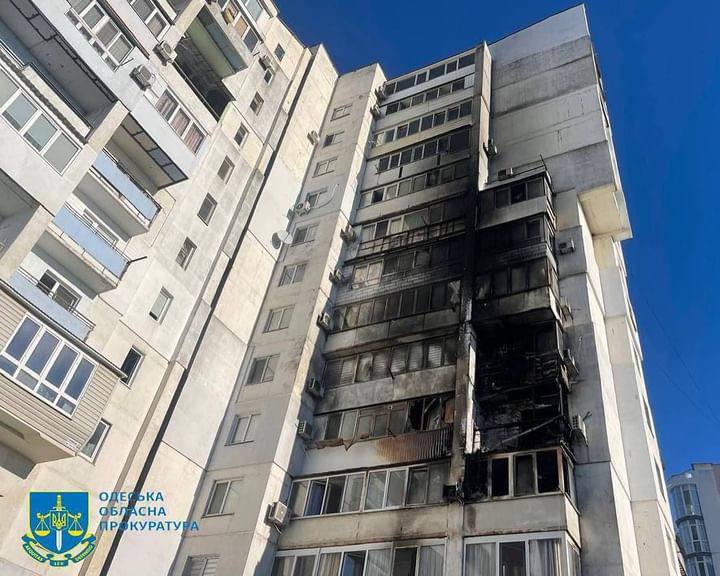
Overnight on Oct. 8, during yet another Russian drone attack against Ukraine, debris hit Kira Rodkina’s residential building in Chornomorsk, a small southern city on the Black Sea coast.
A fire engulfed one of the apartments where a family with children lived. Luckily, all of them survived the attack. Rodkina's apartment got off with broken windows and a burned ceiling. She had previously moved to Odesa when her husband joined the Ukrainian army in 2023, so she learned that her building had been hit by local news.
"(When I saw the photos), I felt rage, and I already said goodbye to it (the apartment) in my mind. I thought it was completely burned, and I would come and see the ashes," Rodkina, a 30-year-old volunteer who has been raising money for Ukraine’s Armed Forces since the start of the full-scale invasion, told the Kyiv Independent.
Kira Rodkina's residential building in Chornomorsk, Odesa Oblast, damaged by a Russian drone attack overnight on Oct. 8, 2024. (Odesa Oblast Prosecutor's Office/Telegram)
Since Russian troops started using Shahed drones against Ukraine in the autumn of 2022, Ukrainian forces have become skilled at shooting down the loitering munitions before they reach densely populated areas. Therefore, some Ukrainians have developed a perception of Shaheds as less dangerous weapons, often neglecting to go to the shelter amid drone attacks.
However, kamikaze drones like Shaheds, while flying much slower than missiles, are still capable of causing serious damage to buildings and endangering civilians as they are estimated to weigh about 200 kilograms and carry around 45 kg of explosives, with upgraded Shaheds reportedly having twice as heavy warheads.
A Russian drone strike against Kharkiv on Feb. 10, 2024, caused a fire that engulfed 15 homes andkilled seven people, including afamily with three children, as well as led to a fuel leak contaminating over 10,000 square meters of land.
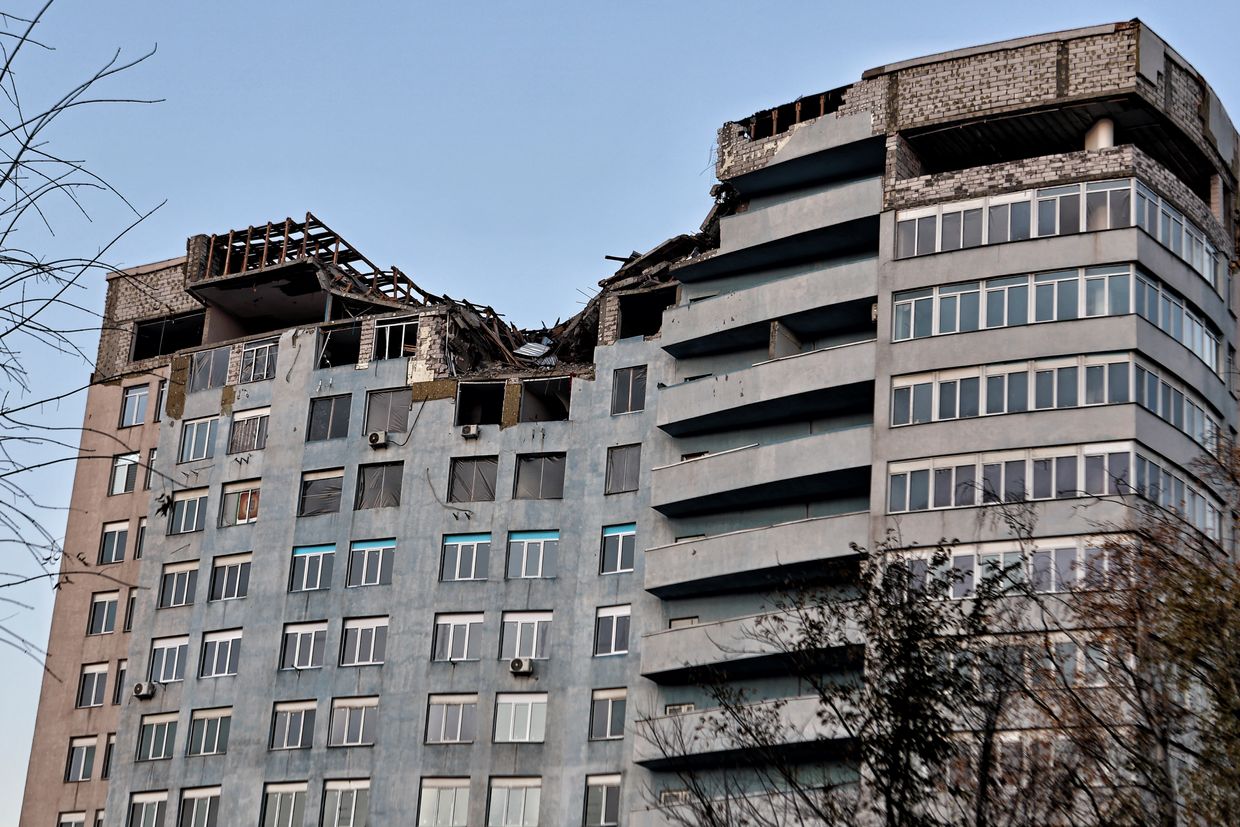
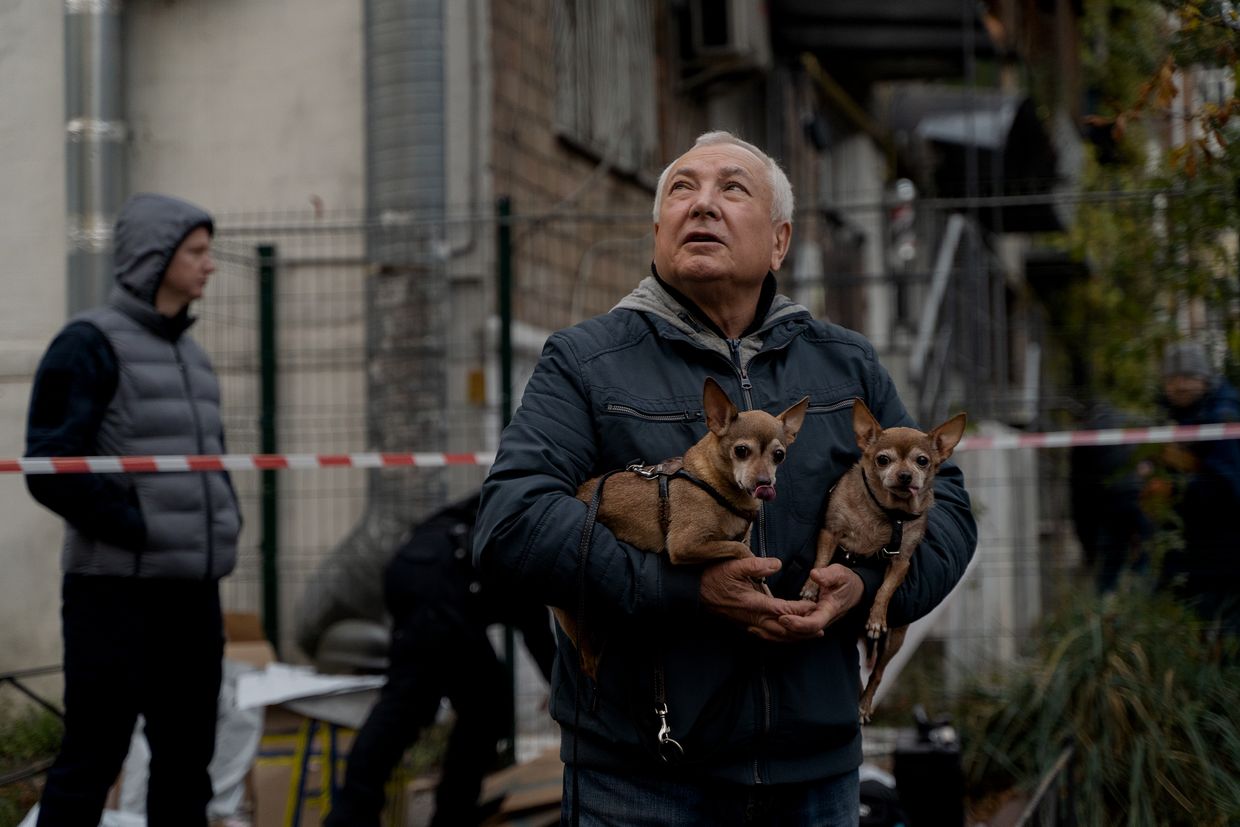
An exterior view of a business center building damaged by a Russian attack in Kyiv, Ukraine, on Nov.7, 2024. (Yan Dobronosov/Global Images Ukraine via Getty Images)A man with dogs looks at a damaged multi-story apartment building after a Russian drone attack in Kyiv, Ukraine on Oct. 29, 2024. (Tanya Dzafarowa/Suspilne Ukraine/JSC "UA:PBC"/Global Images Ukraine via Getty Images)
Since the beginning of Russia’s full-scale invasion, over 50% of the housing stock “in a significant number” of Ukrainian cities and towns has been damaged or destroyed, the Kyiv School of Economics estimated in July. Drone attacks account for a fraction of the damage, but it’s hard to calculate how many exactly.
Rodkina was "lucky" — nobody was at her home during the attack on Chornomorsk, and her apartment can be repaired — but it's still painful for her to comprehend that her home came under attack.
"So many parties were held on that balcony, so many memories and warmth! So much life and emotions!" Rodkina wrote on Instagram under the photo of her apartment building the day after the drone strike.
"But I can't say there was despair (following the attack). My husband had gone to war, his mother has cancer, and my father had been hospitalized after a heart attack," Rodkina says. "These were very difficult times for the family. The apartment incident felt like, 'it can’t get any worse.'"
Rodkina's family is waiting for a special state commission to evaluate the damage done to their apartment so they can receive financial support from the state. She and her husband still plan to move back to their apartment in Chornomorsk after the war is over.
Ukraine's drone hunters
While civilians take shelter, hoping their loved ones stay unharmed and their homes remain intact, Ukrainian service members work tirelessly to destroy Russian drones before they can cause any trouble. One of them is Dmytro from Ukraine’s 117th Territorial Defense Brigade, who is identified in this article only by his first name due to security reasons.
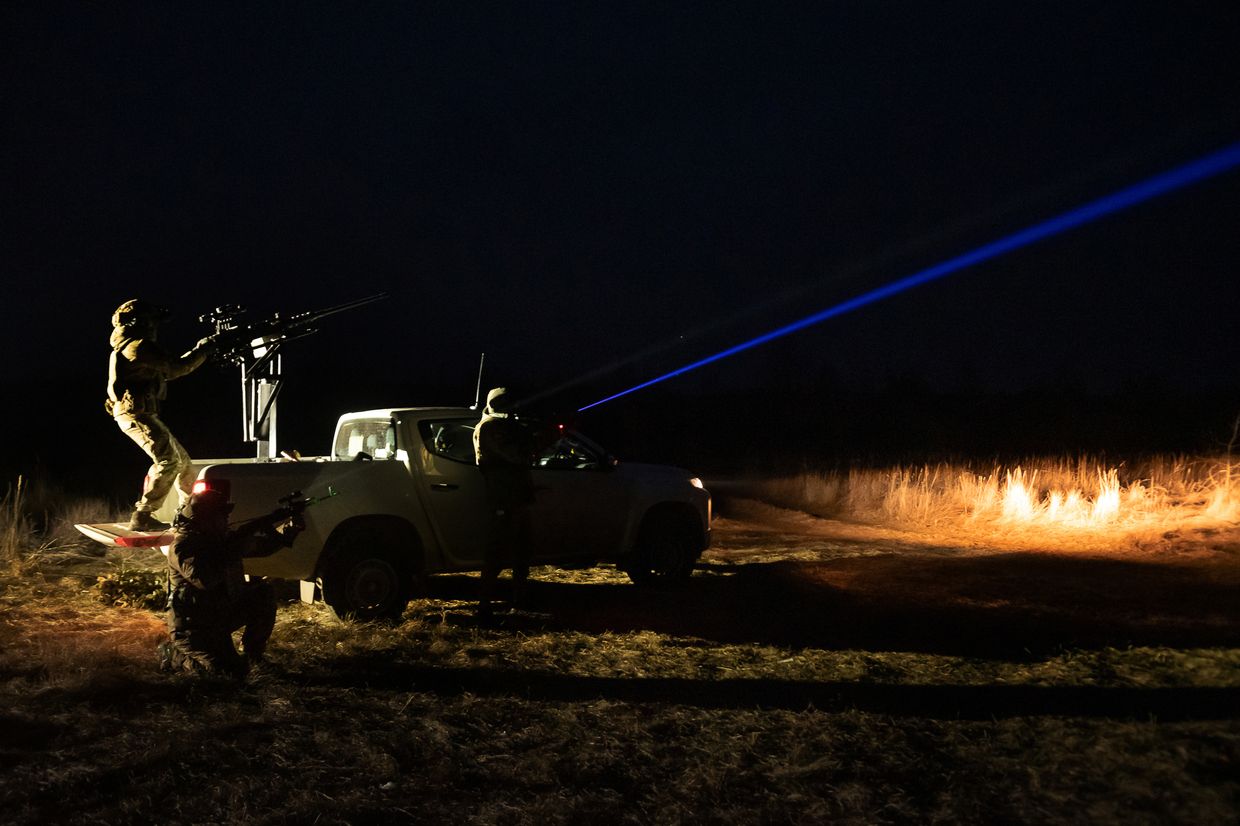
He commands three mobile air defense squads, who are based in the northeastern Sumy Oblast that borders Russia. Sumy Oblast faces swarms of drones nearly every night launched from across the Russian border. The Ukrainian military created these special units to quickly shoot down Russian drones using small arms and avoid depleting expensive interceptor missiles provided by Western allies.
Dmytro says his 12-member team has downed 19 drones in the past three months, compared to only seven throughout 2023. Due to a dramatic increase in workload and shortage of personnel, Dmytro’s team is currently on constant duty, with no rotations.
They take turns resting so that at least one person from a group is watching the sky at any given moment to avoid missing a potential threat. Besides drones, Sumy Oblast is regularly targeted by bombs and missiles.
"We are exhausted, but we hold on… If we leave, something will surely hit (the city), leaving people without heat, electricity, or water, and we cannot allow that," Dmytro says in a phone call with the Kyiv Independent.
Ukrainian military members of an air defense rapid response group track down Russian drones while on night duty in Kyiv Oblast, Ukraine on March 1, 2024. (Zinchenko/Global Images Ukraine via Getty Images)
In September, for the first time since the full-scale invasion, Russia launched drone attacks on cities and towns across Ukraine every day for an entire month. Russian troops used 1,334 drones that month, compared to 75 in March 2023, according to a recent report by Kyiv-based investment bank Dragon Capital. Meanwhile, the number of missiles launched by Russia was almost twice as low as in August, the report shows.
In October, drone attacks intensified even more. Russia launched 2,023 Shaheds and other kinds of attack drones at civilian and military facilities in Ukraine, out of which 1,185 were intercepted, the General Staff of Ukraine's Armed Forces wrote on Nov. 1. Russia is now using 10 times more Shahed drones than last autumn, President Volodymyr Zelensky said on Nov. 4.
Ukrainian officials anticipated that Russia would begin a renewed campaign of large-scale missile strikes on the country's energy infrastructure with the onset of the heating season, which started mid-autumn. After a pause of more than two months, on the morning of Nov. 11, Ukrainians across the country received warnings of a mass missile attack, but it later turned out to be a Russian aviation training exercise.
Russia's recent strategy of daily mass drone barrages may be aimed at depleting Ukraine's air defense systems ahead of an intensified missile campaign, according to experts interviewed by the Kyiv Independent last month. Sidharth Kaushal, a senior research fellow at the Royal United Services Institute (RUSI), suggested that this tactic could also force Ukraine to expose its air defense network when intercepting drones.
As Ukrainians across the country are bracing for mass missile attacks in the near future, Dmytro’s team keeps spending their nights in the field hunting for Russian drones. Their primary motivation is protecting native Sumy, where their families live. However, the soldiers urgently need more trained and highly motivated personnel and additional weapons to keep up with the escalating workload.
"It hasn't become easier, it's only getting harder. Russians won't go anywhere," Dmytro concludes. "We can't just hope this will end on its own. We need to destroy them (the Russian troops), and only then will it end."
As a result of the massive shelling in Odesa, 8 people were injured, including a 9-year-old child. Residential buildings, cars, and a heating main supplying heat to 220 apartment buildings were damaged.
In Odesa, a 9-year-old boy in stable condition and a 22-year-old man who was seriously injured after an enemy strike are among the wounded. This was reported by the head of the Odesa RMA, Oleh Kiper, UNN reports.
Details
On November 14, a massive enemy shelling took place in Odesa, injuring at least 8 people. There is a child among the wounded. All the victims are receiving the necessary medical care in the city's hospitals.
The attack destroyed one of the apartment buildings in the city center and set several apartments on fire. The fire also engulfed about 30 cars and partially damaged a two-story building and the territory of a public institution.
In addition, the shelling damaged a pipeline supplying heat to a large part of the city. As a result, a boiler house that provided heating for 220 apartment buildings and several schools and kindergartens was temporarily shut down. The boiler house also served a maternity hospital with 28 women and 22 newborns at the time of the attack. Fortunately, thanks to the backup systems in place, the facility was able to provide the required level of heat independently.
All emergency services – rescuers, utilities and law enforcement – are working at the scene.
In Odesa, as a result of a terrorist strike, the number of victims increased to 8 people, one woman was killedNov 14 2024, 10:38 PM • 1383 views
Ukraine’s Ministry of Defence has signed contracts for nearly UAH 300 million (US$7.2 million) worth of Ukrainian-made robotic systems during the first ten months of 2024.
Source: Rustem Umierov, Ukraine's Defence Minister
Details: Over this period, the Lethal Defence Acquisition Agency of the Ministry of Defence has signed 16 contracts worth nearly UAH 300 million (US$7.2 million) for the procurement of robotic systems.
These include several hundred reconnaissance-strike, logistical and other robotic systems designed to assist combat units and save soldiers' lives, Umierov said.
"Importantly, all these innovative developments are Ukrainian-made," noted the minister.
Background: It was previously reported that Ukraine’s Ministry of Defence had codified and approved for military use over ten domestically produced robotic systems.


 The Kyiv IndependentOleg Sukhov


 The damage to the apartments. Photo: Hanna Shelest on Facebook
 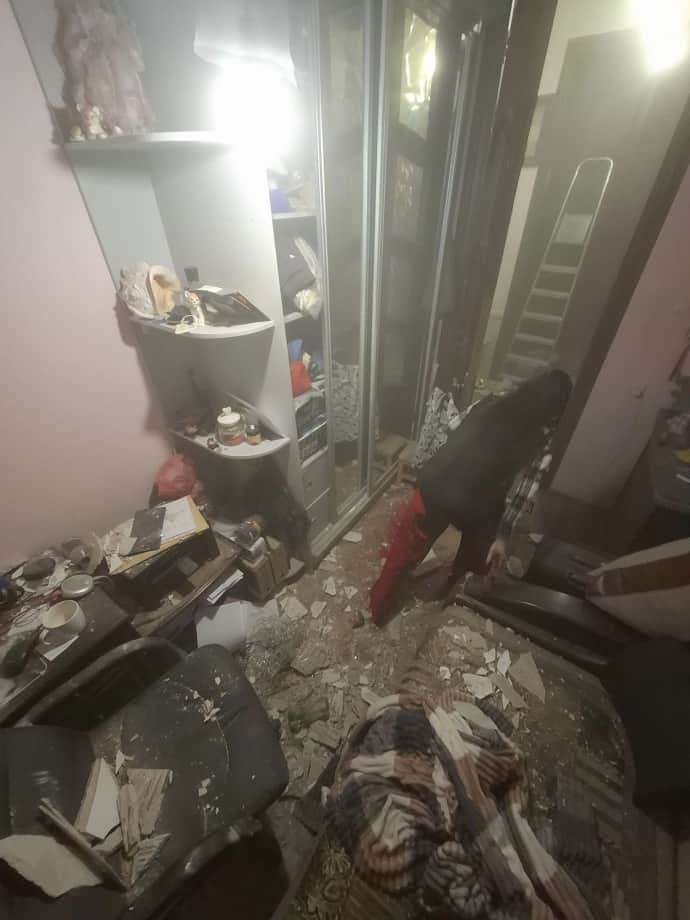 The damage to the apartments. Photo: Hanna Shelest on Facebook
 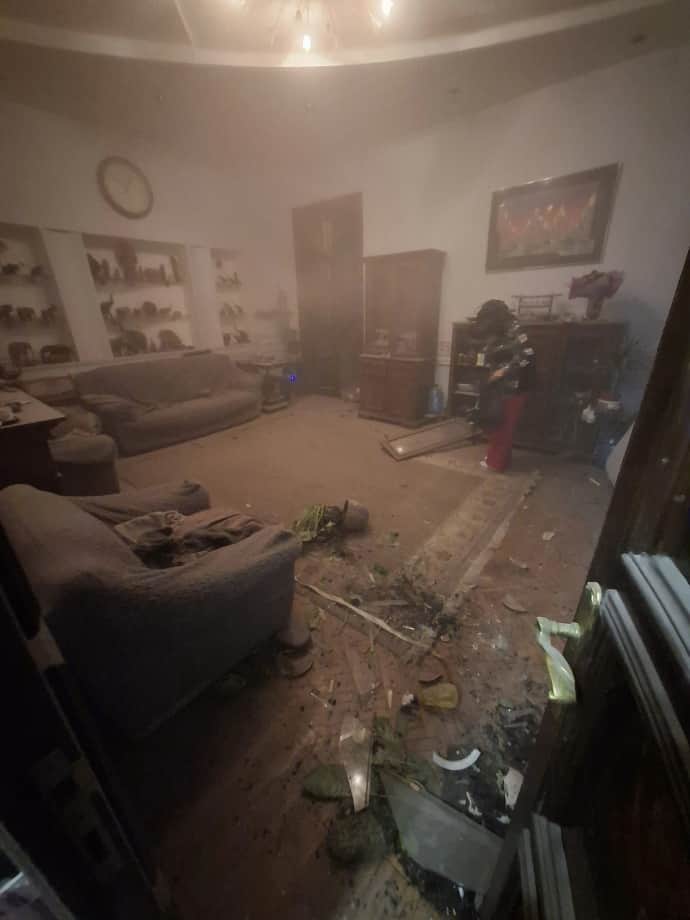 The damage to the apartments. Photo: Hanna Shelest on Facebook