Russia's communications regulator, Roskomnadzor, announced on Dec. 13 that it had blocked access to the Viber messaging app.
The move is part of a broader crackdown on social media platforms by Russian authorities. According to Roskomnadzor, the ban was imposed due to alleged violations of regulations aimed at combating terrorism, extremism, and drug trafficking.
Viber had a significant presence in Russia, with approximately 26% of the Russian population aged 12 and older using the app as of October 2023. About 14% of users accessed it daily, according to reports by state-owned TASS news agency.
In 2023, Viber was fined one million rubles (approximately $11,880) for failing to remove content deemed "false" regarding Russia's war in Ukraine.
Additionally, Russian authorities restricted access to X (formerly Twitter) and Facebook in 2022, shortly after the onset of Russia's full-scale invasion of Ukraine.
Following these actions, Russia also imposed a complete ban on Facebook and Instagram in March 2022. As of December 2024, Viber has faced fines totaling over 1.8 million rubles (around $17,402) for violations of national legislation.
Viber, owned by Japanese multinational Rakuten, was acquired by the company for $900 million in February 2014.
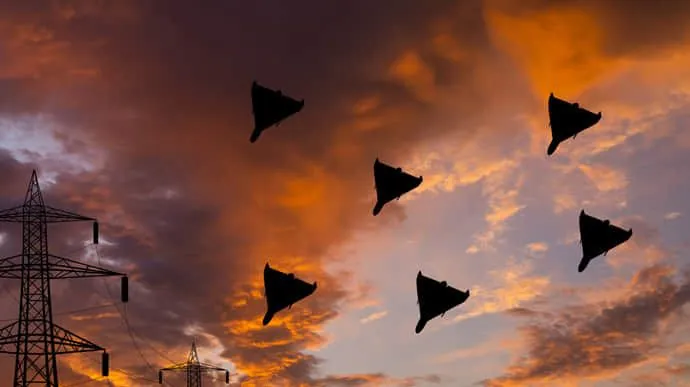
The Air Force reports active movement of enemy UAVs in several areas of the country. The drones are moving through Zhytomyr, Odesa, Sumy, Kharkiv, and Poltava regions.
The movement of UAVs was recorded in several regions of the country. This is reported by the Air Force of the Armed Forces of Ukraine, UNN reports.
Detail
The Air Force reported active movement of enemy attack drones in several directions:
1. Drones heading towards Zhytomyr spotted in Zhytomyr region.
2. UAVs are moving from Odesa region in the direction of Vinnytsia region.
3. Groups of drones were spotted on routes from Sumy to Poltava and Chernihiv regions.
4. In Kharkiv region, drones are flying south.
5. Drones from Poltava region are sent to Cherkasy region.
Air defense forces are on full alert. Citizens are urged to follow safety rules, stay in shelters and not ignore air raid warnings.
Air alert announced in KyivDec 13 2024, 05:04 AM • 16695 views
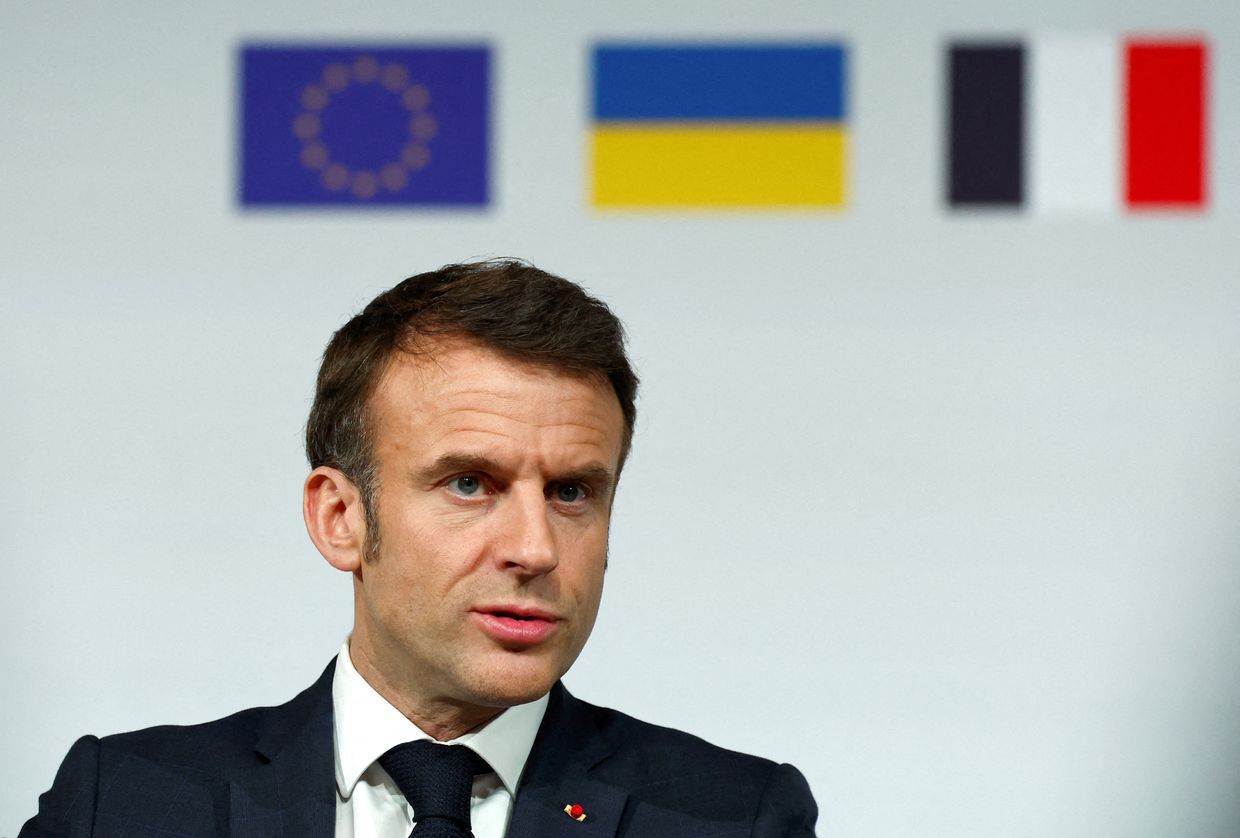
French President Emmanuel Macron is expected to raise the possibility of deploying European soldiers to Ukraine at the upcoming EU leaders' summit on Dec. 18-19, if a ceasefire deal is eventually reached between Russia and Ukraine, Radio Free Europe/Radio Liberty (RFE/RL) reported on Dec. 13, citing EU diplomats.
Two EU diplomats told RFE/RL that the issue will likely be raised to ensure the EU's presence in potential peace negotiations, that are expected to begin once U.S. President-elect Donald Trump is inaugurated in January.
European powers are expected to take center stage in helping Kyiv resist and deter Russian aggression as Trump signaled intent to reduce support and get the U.S. "out" of the war.
The Wall Street Journal reported on Dec. 12, citing undisclosed official sources, that Trump wants European troops to monitor a potential ceasefire in Ukraine. Trump reportedly made the comments during his Dec. 7 meeting with Zelensky and French President Emmanuel Macron in Paris, making it clear he wants to see Europe take up the leadership in deterring Russian aggression.
On the other hand, Zelensky reportedly conveyed to Trump during the meeting that "peace needs guarantees because a ceasefire alone isn't enough," Reuters’ reported, citing a source in Zelensky's office.
Macron has spearheaded the idea of sending troops to Ukraine in some capacity since February. On Dec. 12, Macron visited Poland to discuss with Polish Prime Minister Donald Tusk the possibility of sending soldiers to Ukraine after a potential ceasefire deal.
Following the meeting Tusk dismissed speculation on peacekeepers by signalling that the country is "not currently planning such actions."
Recent reports suggest that the U.K. and France are considering deploying peacekeepers to Ukraine in the event of a ceasefire. German Foreign Minister Annalena Baerbock has also not ruled out the possibility.
Ukrainian President Volodymyr Zelensky responded on Dec. 9 to Macron's suggestion of deploying foreign peacekeepers, saying Ukraine "may consider" the proposal but only after securing a clear timeline for NATO membership.
Andriy Yermak, head of the Presidential Office, said on Dec. 12 that Ukraine is currently not prepared to enter negotiations with Russia as it lacks sufficient Western support to engage from a position of strength.
Zelensky is expected to attend the EU summit in Brussels on Dec. 19 to meet with European Union and NATO leaders, an undisclosed source from the president's team told the Kyiv Independent on Dec. 13.
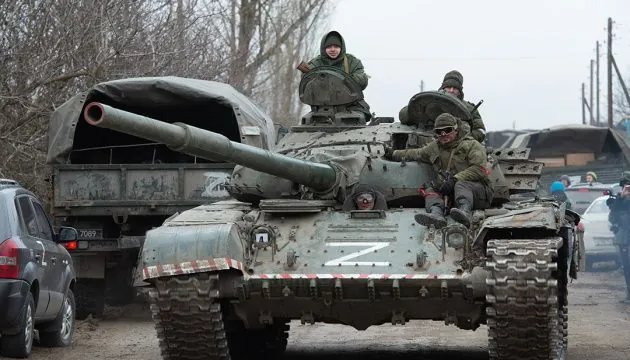
According to DeepState, enemy troops took control of Veselyi Hai, Yelizavetivka, Romanivka, Novotroitske and Pushkin. Advancements were also recorded in the areas of Kostiantynopilske, Sukhi Yaliv, Shevchenko, Dalne, Pishchane, Blahodatne and Storozheve.
Enemy troops have captured a number of settlements in eastern Ukraine. This is reported by DeepState, according to UNN.
Details
The invaders advanced in several areas of the frontline, establishing control over the settlements of Veselyi Hai, Yelizavetivka, Romanivka, Novotroitske and Pushkine. In addition, their advancement was recorded in the areas of Kostyantynopilske, Sukhykh Yaliv, Shevchenko, as well as near Dalne, Pishchane, Blahodatne and Storozheve.
Recall
According to the General Staff, the most intense fighting continued in the Pokrovske and Vremivske directions, where the enemy is concentrating its main forces. Active attacks were also recorded in the Lyman and Kurakhove sectors.
Enemy troops captured new positions in Donetsk region: what is known about the offensive – DeepStateDec 9 2024, 12:34 AM • 19598 views
Members of President-elect Donald Trump's incoming administration have held discussions with White House officials as part of the incoming administration's ongoing effort to establish a ceasefire once Trump is inaugurated in January, NBC News reported on Dec. 13, citing sources familiar with the talks.
White House National Security Adviser Jake Sullivan has held multiple conversations with Trump's incoming National Security Advisor Mike Waltz, focused on sharing information but not strategies for expected peace negotiations, sources told NBC News.
A spokesperson for Trump's transition team confirmed that the two officials were in contact, adding that "the goal is for the world to understand there is a desire for the time of transition to be seen as a strong America, working for peace and stability around the world, until President-elect Trump is sworn in."
Trump, who will be inaugurated on Jan. 20, has repeatedly suggested that he would end the war within 24 hours, but has so far refrained from detailing the specifics of his plan. According to NBC, no concrete plan to end the war has yet to have been presented.
In September, Trump said that he would negotiate a deal "that's good for both sides," however, since being elected in November, Trump has subtly shifted his rhetoric, hinting that he would will not "abandon" Kyiv.
Following his meeting with President Volodymyr Zelensky in Paris on Dec. 7, Trump said the Ukrainian leader is ready "to make a deal and stop the madness" and that Russian President Putin should "act" after incurring staggering losses in Ukraine.
Zelensky recently said that the country must do everything possible to end the war through diplomatic means in 2025, adding that a war would "end faster" under a Trump administration.
The Wall Street Journal reported on Dec. 12, citing undisclosed official sources, that Trump wants European troops to monitor a potential ceasefire in Ukraine. Trump reportedly made the comments during his Dec. 7 meeting with Zelensky and French President Emmanuel Macron in Paris, making it clear he wants to see Europe take up the leadership in deterring Russian aggression.
On the other hand, Zelensky reportedly conveyed to Trump during the meeting that "peace needs guarantees because a ceasefire alone isn't enough," Reuters’ reported, citing a source in Zelensky's office.
NBC reported, citing its sources, that the Trump administration will likely reject Ukraine's NATO accessions as a means to get Russia to the negotiating table.
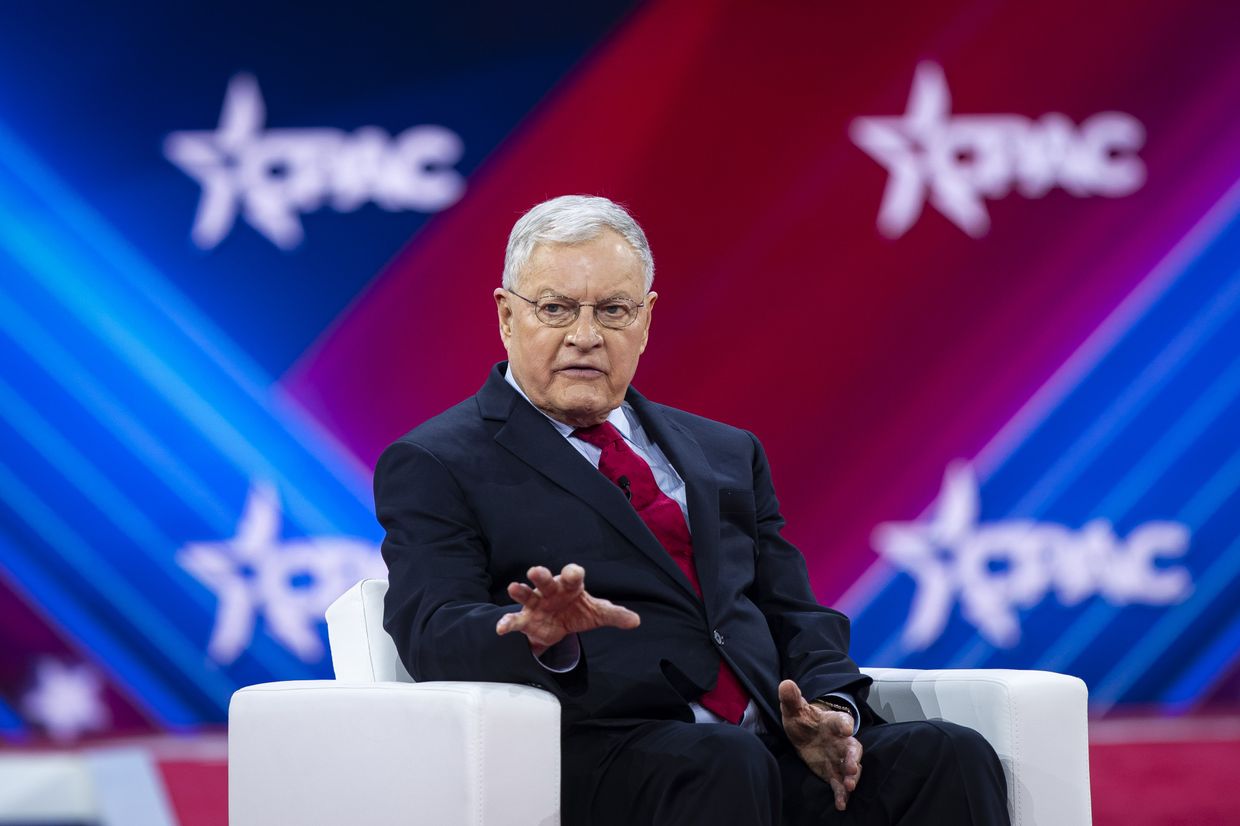
The incoming Trump administrations' work on moving forward with peace negotiations falls in line with comments made by Trump's incoming Ukraine peace envoy, Keith Kellogg, on Dec. 13.
Kellogg, who said the administration is "putting together some plans to actually go out and just listen," to Kyiv and Moscow ahead of potential peace negotiations added that he believed the war "will be resolved in the next few months."
Despite Kellogg's comments, Ukraine's Presidential Office Head Andriy Yermak said on Dec. 12 that the country is not prepared to enter negotiations with Russia as it lacks sufficient Western support to engage from a position of strength.
Yermak held discussions with U.S. officials during a visit to Washington last week, which multiple sources described to NBC News as "positive."
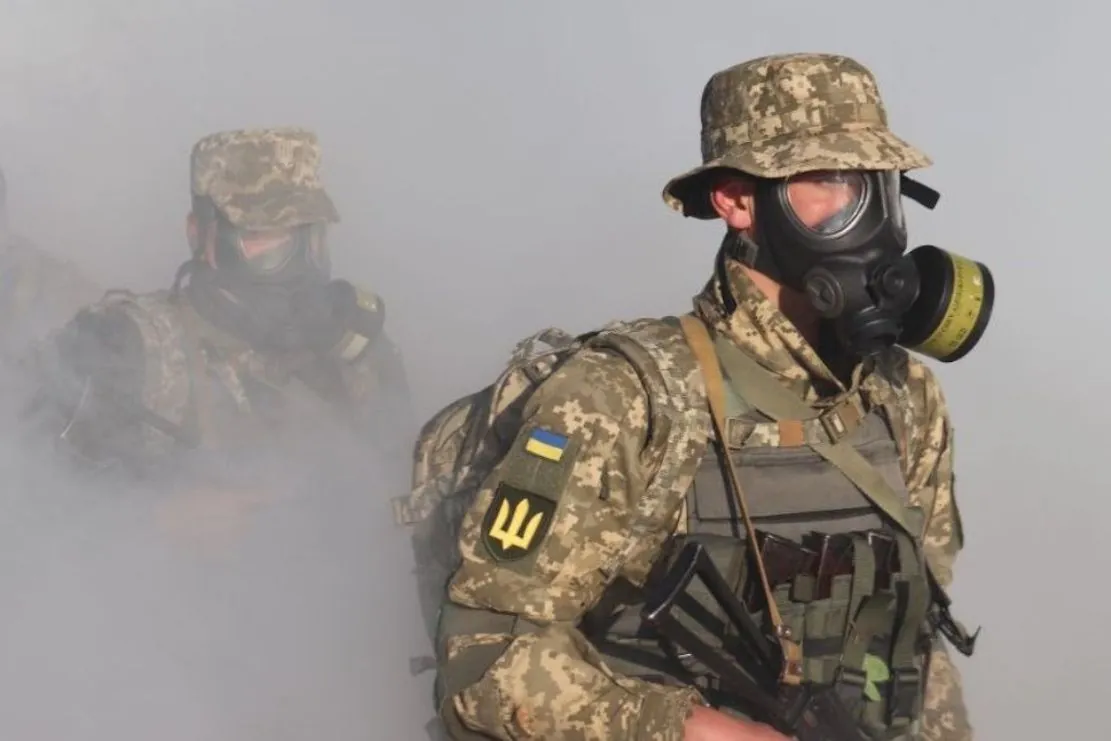
More than 2000 Ukrainian soldiers were hospitalized due to chemical poisoning by the Russian Federation. Three cases were fatal, and the use of banned chemical weapons was confirmed.
Three Ukrainian soldiers died due to poisoning by chemicals used by Russians during the war. This was announced at a briefing by Artem Vlasiuk, head of the environmental safety and civil protection department of the radiation, chemical, and biological protection department of the Ukrainian Armed Forces Support Command, UNN reports.
Details
According to Artem Vlasiuk, since the beginning of Russia's full-scale invasion of Ukraine, more than 2,000 Ukrainian servicemen have been hospitalized with poisoning from chemicals used by the Russians, and three have died.
In total, since the beginning of the full-scale invasion, more than two thousand servicemen with symptoms of poisoning have been sent to medical facilities of both military and general medical infrastructure of Ukraine with various degrees of poisoning by unknown or known chemicals
– said Artem Vlasiuk.
According to him, in particular, it is a case of poisoning with tear gas CS and CN, which are used in grenades to combat riots.
As for the fallen servicemen, unfortunately, we have three such fatalities so far
– Artem Vlasiuk clarified.
He did not name the names of the victims or the units in which they served for security reasons. However, in three cases, there are medical reports stating that the deaths were caused by acute poisoning with an unknown chemical, the official emphasized.
He also emphasized that the Ukrainian army does not use chemicals.
These products are prohibited for use
– Artem Vlasiuk said.
He added that Ukraine, as a signatory to the Chemical Weapons Convention, and its Armed Forces, which are the guarantor of its independence and sovereignty, adhere to international law and the requirements of the Chemical Weapons Convention in particular.
Recall
According to the Ukrainian military, Russian troops have used tear gas and other chemical weapons against Ukrainian troops more than 1,000 times.
In December 1994, Russian troops launched a brutal and eventually unsuccessful military campaign against Chechen rebels, effectively beginning the First Chechen War.
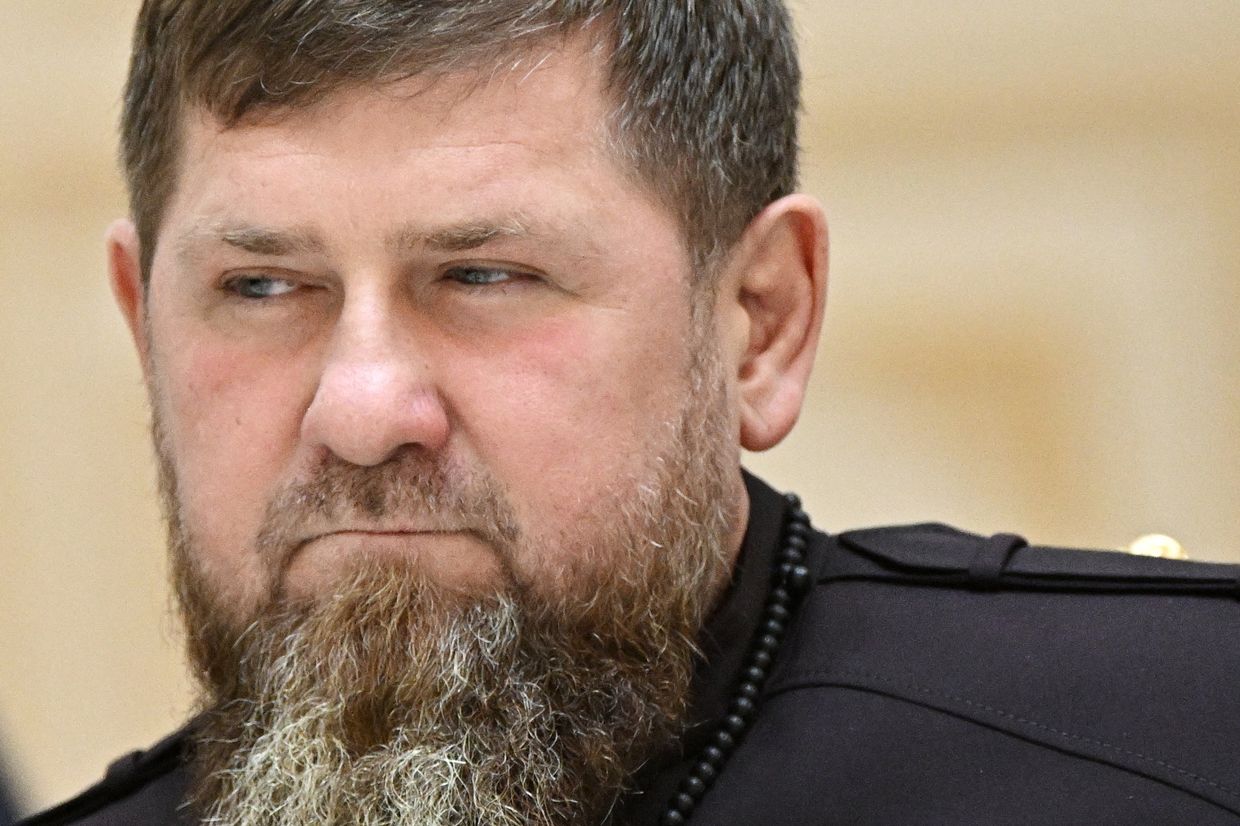
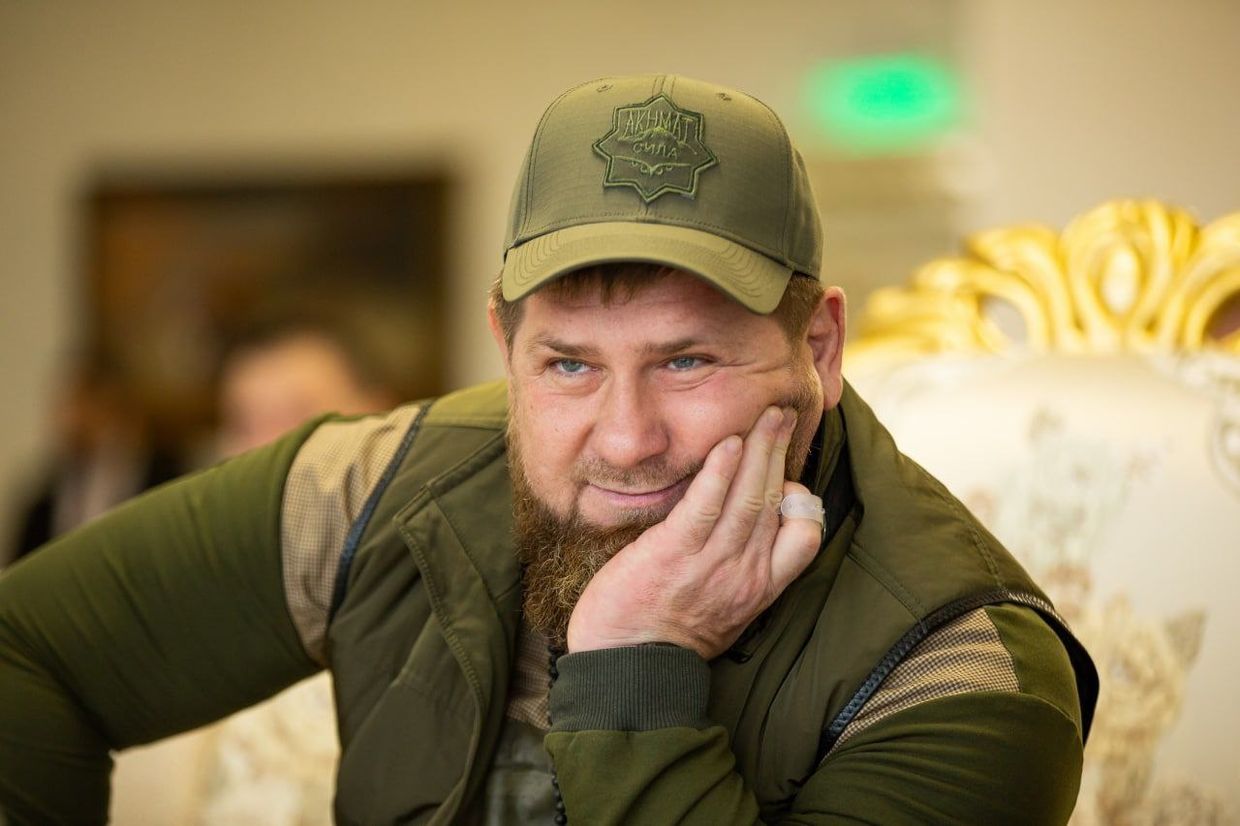
Thirty years later and two wars since, Chechnya, under strongman Ramzan Kadyrov, has become a key pillar of Russian President Vladimir Putin's oppressive regime.
After losing the first and winning the second Chechen War, Russia has consolidated its hold over the region, home to 1.5 million people, with the help of Kadyrov's father, Akhmat, and loyalist forces under his command.
The now pro-Kremlin Chechen Republic has become a state within a state, exporting brutality and silencing critics of both Kadyrov's and Putin's regimes.
The Kadyrov family has been able to successfully muster a private army of what local authorities claim to be 70,000 Chechen fighters loyal to the warlord. Chechen militants and police officers have been abducting, torturing, and murdering activists, members of the LGBTQ+ community, and those suspected of disloyalty to the regime.
In exchange for maintaining peace in Chechnya, Kadyrov has been given free rein far beyond the borders of his tiny republic, reportedly carrying out extrajudicial killings in Grozny, Moscow, and Berlin.
"The trauma of (the Chechen War) in the early 2000s still looms over the Kremlin like a specter," Vadim Dubnov, a Caucasus expert at the Carnegie Endowment for International Peace, told the Kyiv Independent. "The last thing Moscow needs now is instability in the North Caucasus, particularly in Chechnya."
Harold Chambers, a North Caucasus expert at the Jamestown Foundation, agreed, saying that "Putin needs Kadyrov to maintain the status quo in Chechnya."
"Reintegrating Chechnya was and is the cornerstone of Putin's legitimacy," he told the Kyiv Independent.
Putin's decision to launch a full-scale invasion of Ukraine further tied the survival of Kadyrov's regime to that of Putin's and vice versa. Kadyrov and his loyal troops now play a central role in keeping Putin's regime afloat.
"The Kadyrov family's dominance of (Chechnya's) ruling structures is only growing. Essentially, Kadyrov has made his family Putin's only option to rule Chechnya within the current Russian political system," Chambers said.
Kadyrov and his father Akhmat, then Chechnya's grand mufti, fought against Russia during the First Chechen War from 1994 to 1996.
They switched their allegiance to Russia during the Second Chechen War, which lasted from 1999 until 2000, with some skirmishes taking place until 2009.
Akhmat Kadyrov became the Russian-installed head of Chechnya in 2000 and was killed in a terrorist attack in 2004. His son, Ramzan, consolidated power by 2007.
Kadyrov repeatedly proclaimed his loyalty to the Russian president and called himself "Putin's foot soldier." Grozny's central street and Chechnya's police academy have been named after Putin.
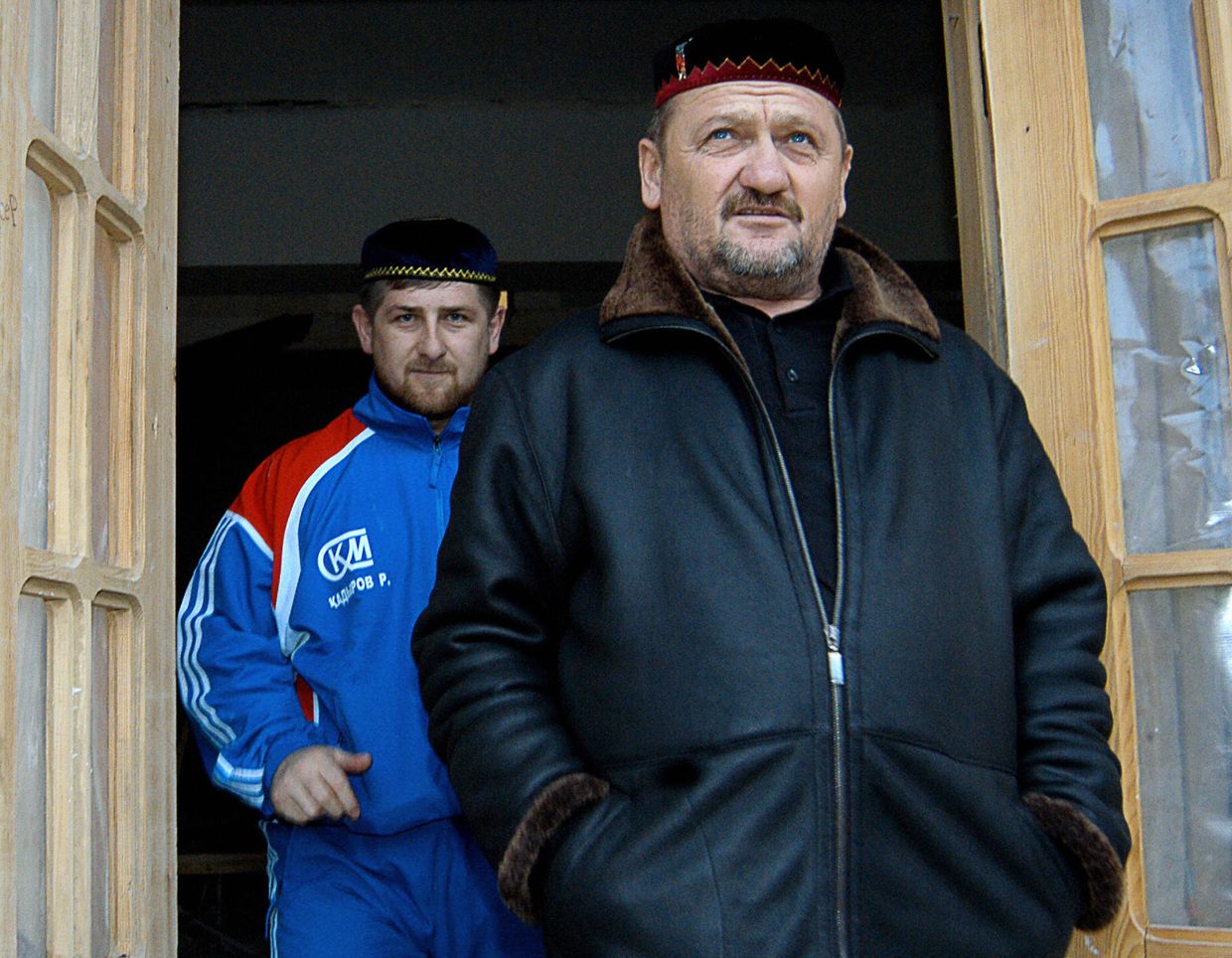
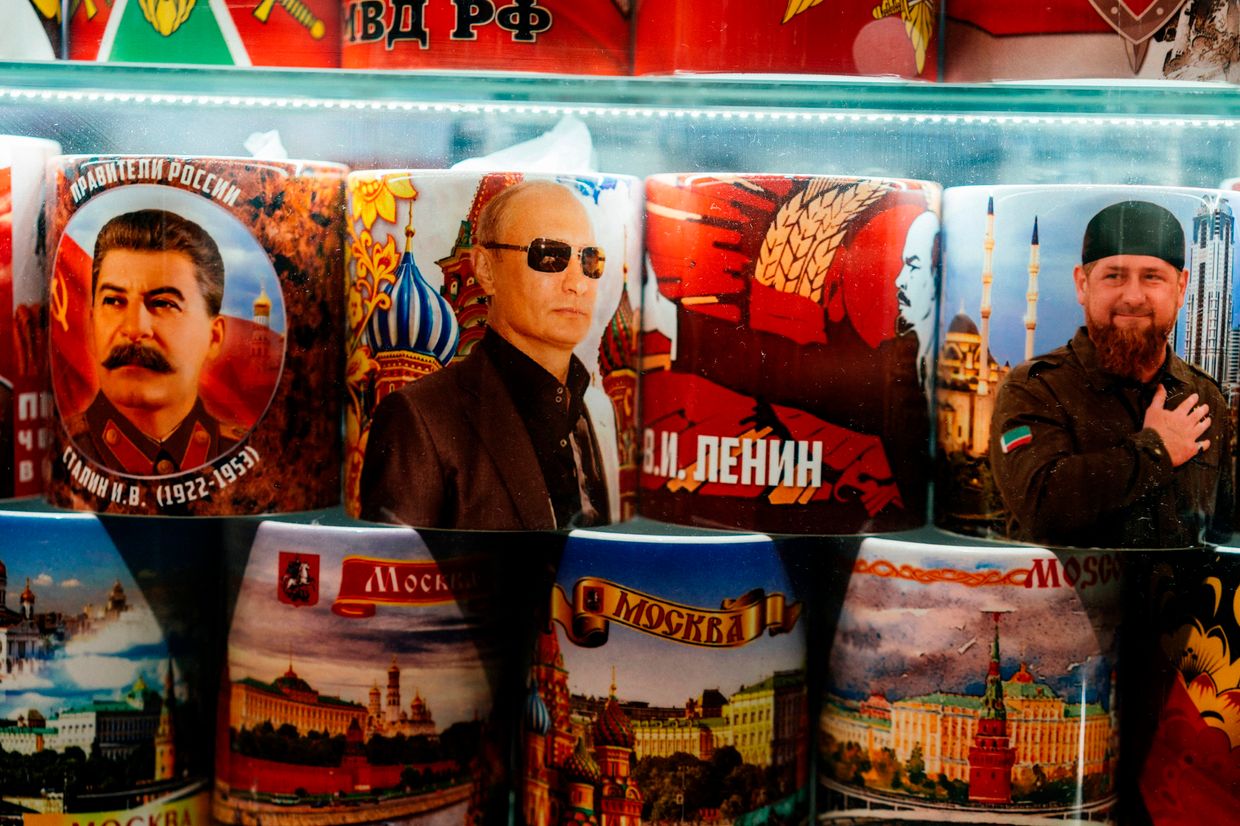
The archival photo shows Chechen leader Akhmad Kadyrov (R) and his son Ramzan standing in front of Ramzan's house in Tsentoroy, Kadyrov's native village, some 40 km from Chechen capital Grozny, Chechnya on Jan. 30, 2004. (Stringer /AFP via Getty Images)Mugs decorated with images of Russian President Vladimir Putin, Soviet leaders Joseph Stalin and Vladimir Lenin and Chechnya's leader Ramzan Kadyrov are seen on sale among other items at a gift shop in Moscow, Russia on March 11, 2020. (Dimitar Dilkoff/AFP via Getty Images)
Despite these statements, Kadyrov has turned Chechnya into a semi-independent fiefdom, with Chechen law enforcers fully subordinated to Kadyrov and not to Moscow.
Kadyrov claimed in October that he had 70,000 troops at his disposal. Some of Kadyrov's troops are formally subordinated to the Interior Ministry's National Guard (Rosgvardiya), and other units are under the Defense Ministry's jurisdiction.
In 2015, however, Kadyrov permitted Chechen law enforcement agencies to fire at federal troops if their actions were not authorized by the Chechen government.
"Having forced the (Russian) forces out of Chechnya, (Kadyrov) became, in fact, the head of an independent regime, connected with Putin through a personal union," Nikolai Petrov, a Russia expert at Chatham House, told the Kyiv Independent.
Chambers agreed, saying that "Kadyrov has grown so powerful in part because of his unique status within Russia's political system."
"He has leveraged this position to gain a degree of autonomy otherwise unseen in Russia," he added. "The other main explanation for how he became so powerful is his unique relationship with Putin. This relationship extends beyond patronal to something more akin to familial."
Chambers added that "there is a level of trust between (Kadyrov and Putin) that has allowed Kadyrov to overcome all of his colossal failures and violations."
Dubnov said that "within Chechnya, there is only one master."
"there is a level of trust between (Kadyrov and Putin) that has allowed Kadyrov to overcome all of his colossal failures and violations."
"(If anyone visits Chechnya), they will deal with Kadyrov, not Putin, and Kadyrov will decide everything there," he said. "Nothing will happen there if Kadyrov doesn't want it. In this sense, he is independent — but only as long as he maintains stability in Chechnya."
Ryhor Nizhnikau, a Russia expert at the Finnish Institute of International Affairs, told the Kyiv Independent that Kadyrov is among the top representatives of the Russian political elite and can be compared to a member of the Soviet politburo, the de facto collective presidency of the USSR.
The Chechen government has also received lavish subsidies from the Russian authorities in what analysts see as an effort to buy Kadyrov's loyalty. This has allowed the Chechen government to launch large-scale construction projects in the republic.
"Chechnya remained part of Russia because Kadyrov served Putin, for which Putin paid him," Russian political analyst Dmitry Oreshkin told the Kyiv Independent.
With no serious challenge to his rule, Kadyrov has also expanded his influence beyond Chechnya's borders. People in several Russian regions who criticized Kadyrov have been forced to publicly apologize to him or face abduction or murder.
His business empire also extends beyond Chechnya.
In recent months, he has been involved in a dramatic conflict with Dagestani billionaire Suleiman Kerimov over the control of Russia's largest online retailer, Wildberries.
Kadyrov's men broke into Wildberries' office not far from the Kremlin in Moscow in September and started a shootout that resulted in two people being killed and around 10 being injured.
He has also tried to extend his influence abroad, presenting himself as a protector of Muslims worldwide.
Kadyrov has lashed out at journalists of the French satirical newspaper Charlie Hebdo who were killed in 2015 by terrorists after ridiculing the prophet Muhammad. In 2017, Kadyrov also organized rallies in support of Myanmar's Muslim Rohingya people, who were persecuted by the country's government.
Journalists and human rights groups have published a lot of evidence implicating Kadyrov's regime in murders, torture, kidnappings, and other human rights violations. About a dozen of Kadyrov's opponents have been killed.
Sulim Yamadayev, a Russian officer whose unit clashed with Kadyrov's forces, was assassinated in the United Arab Emirates in 2009. A local court has convicted two Chechens for the murder, and the United Arab Emirates police believe lawmaker Adam Delimkhanov, Kadyrov's closest associate, to be the organizer of the crime.
Another assassination of a Kadyrov critic, Chechen militant Umar Israilov, took place in Austria in 2009. Several Chechens have been found guilty by an Austrian court for the murder, and Austrian police believe it was ordered by Kadyrov.
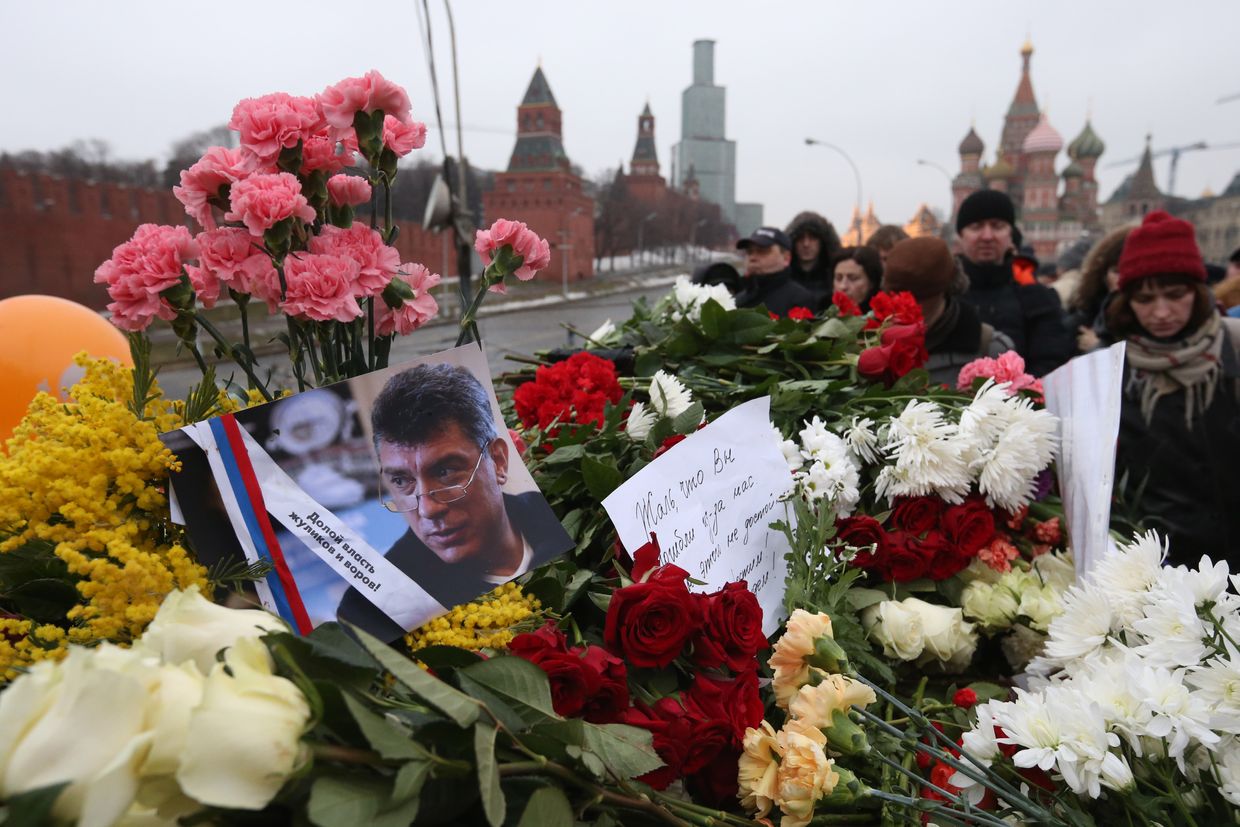
Mourners gather to place tributes at the site where Russian opposition leader and former Deputy Prime Minister Boris Nemtsov was killed on Bolshoi Moskvoretsky bridge near St. Basil cathedral in central Moscow, Russia on Feb. 28, 2015. (Sasha Mordovets/Getty Images)
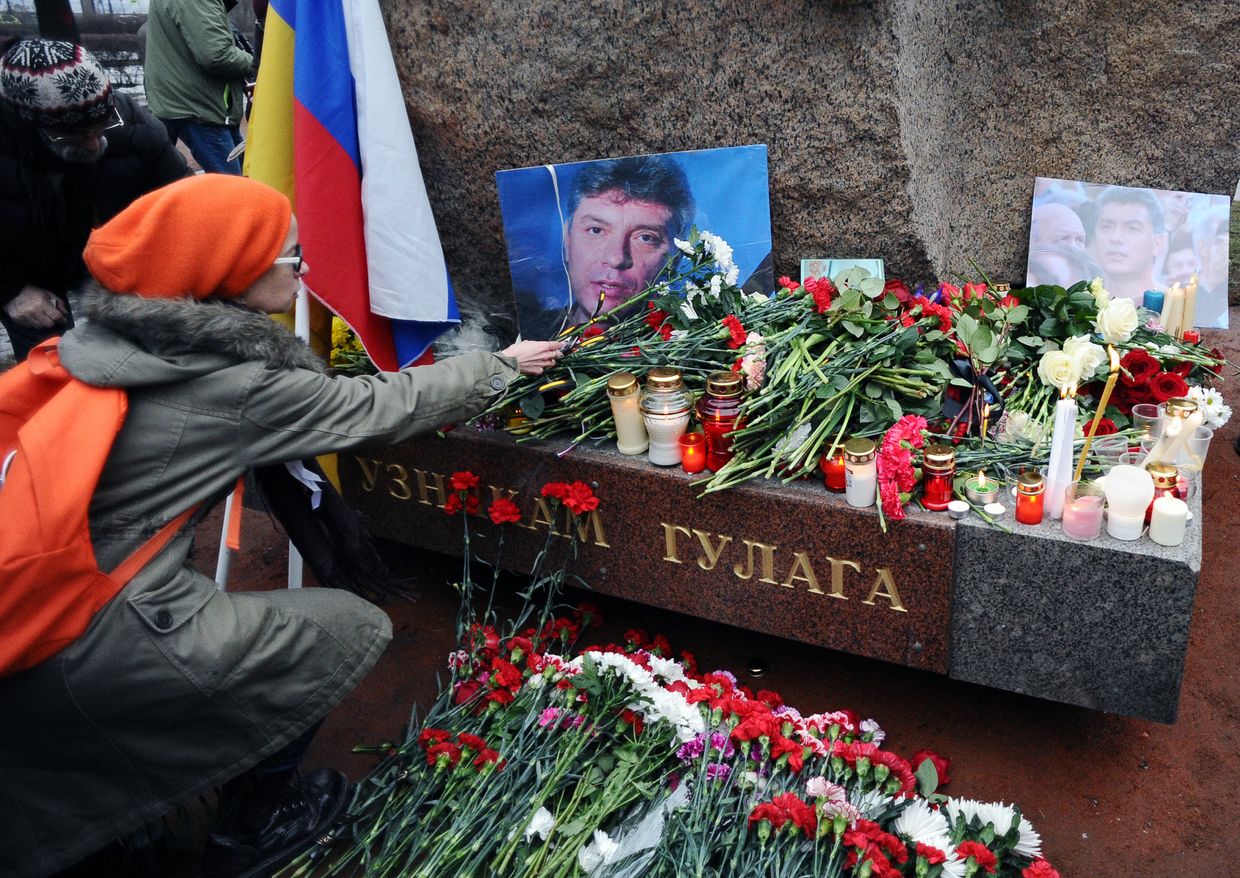
The most high-profile murder in which Kadyrov could be implicated occurred in 2015, when Russian liberal politician Boris Nemtsov, a major critic of both Kadyrov and Putin, was shot dead near the Kremlin in Moscow.
A Russian court has convicted Zaur Dadayev, an ex-top commander of Kadyrov's Sever (North) police battalion, and several other Chechens for Nemstov's murder.
Kadyrov's regime has also cracked down on Chechnya's LGBTQ+ community. In 2017, dozens of men were arrested and tortured in Chechnya on suspicion of being homosexual, and at least three were killed, according to the independent Russian publication Novaya Gazeta and Human Rights Watch.
Kadyrov has actively supported Russia's aggression against Ukraine, becoming one of the loudest pro-war figures following the launch of the all-out invasion in 2022.
Kadyrov's fighters, most of whom are formally part of Russia's National Guard, have participated in Russia's full-scale invasion of Ukraine since February 2022. They have been involved in war crimes on Ukrainian territory, according to the Slidstvo.info investigative journalism project.
Kadyrov's fighters have published a number of staged combat videos from Ukraine on TikTok and other social platforms, gaining the nickname "TikTok forces."
According to the Conflict Intelligence Team, an open-source intelligence outfit, Kadyrov's fighters have mostly engaged in staged operations, and there is little evidence of their effectiveness in combat. This triggered speculation that Kadyrov was reluctant to send his troops to war, since he would need a significant force to preserve his power in Chechnya.
He has routinely issued flamboyant threats against Ukraine and its allies during the full-scale invasion.
Kadyrov threatened to attack Poland in May 2022 unless it stopped arms supplies to Ukraine.
In July 2022, he boasted that his fighters were ready to "go forward and easily take over Kyiv and NATO countries."
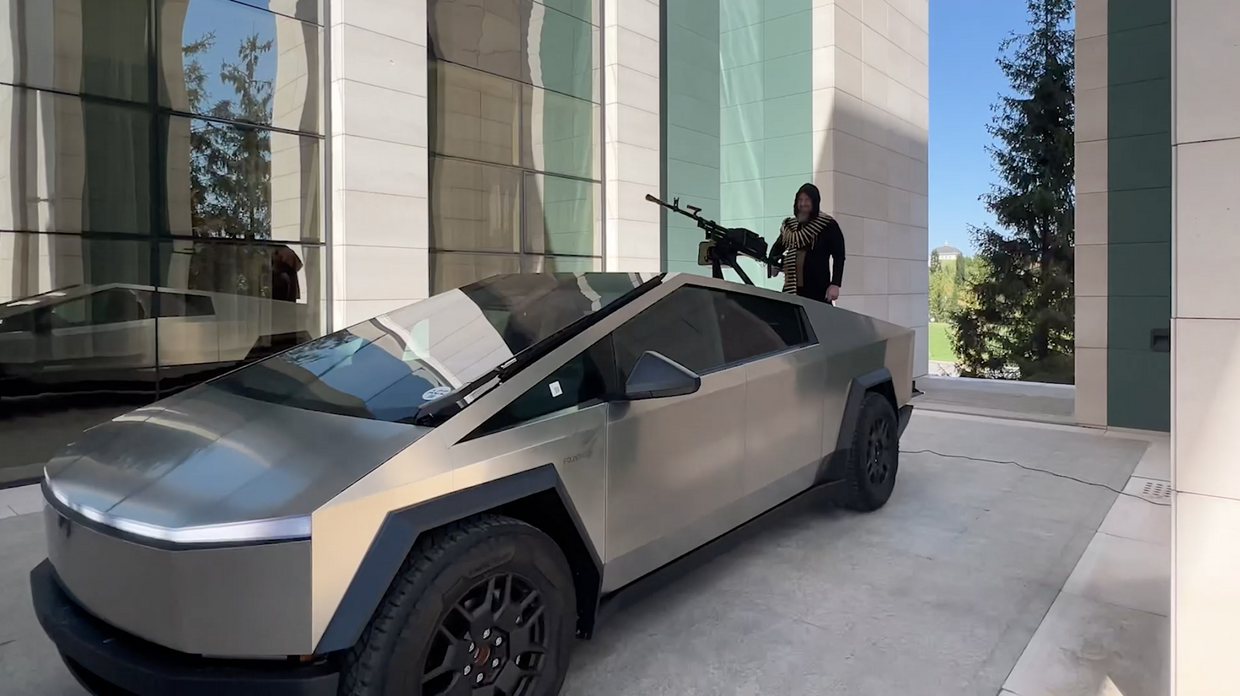
Chechen dictator Ramzan Kadyrov poses with a Tesla Cybertruck, mounted with a machine gun, in a video posted on Aug. 17, 2024. (Ramzan Kadyrov/Telegram)
After Ukrainian forces liberated the town of Lyman in Donetsk Oblast in September 2022, Kadyrov called for using tactical nuclear weapons against Ukraine to improve the military situation.
In early December, Kadyrov threatened to use Ukrainian prisoners of war as a human shield against Kyiv's drone attacks on the region. He publicly toured his region in a seized Ukrainian Bradley armored fighting vehicle, showed off Ukrainian POWs, and suggested that one of them commit suicide.
Yet, despite his bravado and constant calls to destroy Ukraine, Kadyrov refused to implement Putin's mobilization of conscripts in Chechnya when the move was announced in September 2022.
Kadyrov's troops had also fought in Syria on the side of Russian-backed dictator Bashar al-Assad, whose regime collapsed on Dec. 8.
"Any parallel army with a separate commander is also a potential threat to Putin, more so when he appears weak, as he currently does, with his army so overstretched in Ukraine that he could not support his ally Assad and now faces the potential loss of his military bases in Syria," Samantha de Bendern, a Russia expert at Chatham House, told the Kyiv Independent.
"Putin will need Kadyrov more than ever for his shadow diplomacy in the Middle East, although the Chechen leader could be a liability in Syria as his forces fought on the side of the deposed regime."
She added that "Kadyrov's foreign policy advisor, Ziyad Sabsabi, spent many years studying in Damascus, and he could be a useful conduit for Putin's discussions with the new government if he wants to keep a foothold in the country and keep some sort of presence on his bases."
"The swift victory of (Islamist group Tahrir al-Sham) in Syria has the potential to inspire a myriad of anti-regime movements all over Russia, especially in the republics where there is a strong Muslim presence," de Bendern said.
"In this context, Kadyrov's iron grip on Chechnya will be all the more important to Putin."
So far, there is little indication of any serious threat to Kadyrov's authority inside Chechnya.
One of the Islamist insurgent groups in the North Caucasus, the Caucasus Emirate, was dissolved in 2016. Another one, the Caucasus Province of the Islamic State, has kept a low profile since its last leader was killed in 2021.
"Insurgents are not currently a real threat to Kadyrov's power," Chambers said. "There have been around ten shootouts or attacks in Chechnya since 2020, with most of them occurring in 2020 or 2021. Most of the attacks have been isolated, with the militants killed or captured."
Petrov agreed, saying that "the main threat to Kadyrov's power is not so much the Islamists, but the numerous representatives of the clans he suppressed within Chechnya."
Dubnov said that "in Chechnya, Kadyrov's main capital is his monopoly on communication with Moscow."
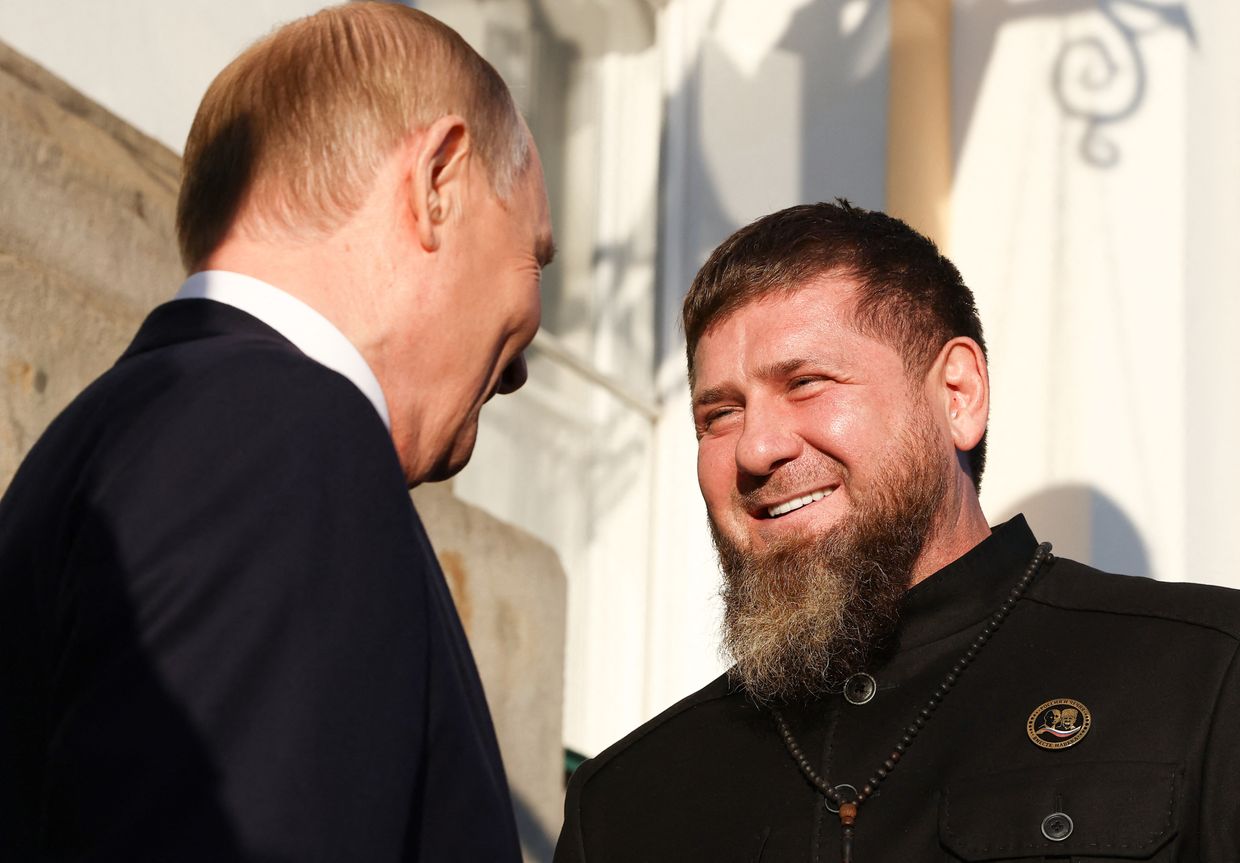
Russia's President Vladimir Putin talks to head of the Chechen Republic Ramzan Kadyrov following his meeting with Emirati counterpart at the Kremlin in Moscow, Russia on Oct. 21, 2024. (Artem Geodakyan / POOL / AFP via Getty Images)
"If he loses this, he will become less attractive to the local elites and less formidable to the population," he said. "Kadyrov has many enemies, even within Chechnya itself, because it's a society that does not forget blood feuds. For now, the situation is frozen, but if it unfreezes, I don't think Kadyrov will survive for very long."
But it also works the other way around. It is not clear what Kadyrov will do if Putin's regime faces a serious crisis.
"As the balance of power shifts, maintaining control over the firebrand Kadyrov will be more important than ever for Putin," de Bendern said.
"Could Kadyrov turn into Putin's Frankenstein, the monster who turns on its creator? While there is no prospect of Kadyrov taking over the Russian presidency, he could become a significant destabilizer in a fragilized Russia should Putin's rule look under threat."
President of Ukraine had a conversation with Evika Silina on strengthening defense capabilities and European integration. Latvia is ready to support Ukraine in its military programs and EU accession negotiations.
"I discussed with the Prime Minister of Latvia, Ewika Silina, topical issues of security and Ukraine's integration into European structures." This was reported by the President of Ukraine Volodymyr Zelenskyy, UNN reports.
Details
The conversation took place against the backdrop of another massive missile attack by the terrorist country, which damaged the country's energy infrastructure.
One of the key topics was strengthening Ukraine's defense capabilities. Latvia, which has already provided significant support, could join new initiatives to train and equip military forces. The programs implemented by France and the United States could be used as a model. The JEF military group, which Ukraine is seeking to join as a full member, could also take part in these activities.
They also discussed the prospects for Ukraine's European integration. Zelenskyy emphasized the country's readiness to start negotiations on EU accession within the framework of opening negotiating clusters next year. Latvia reaffirmed its support for this process.
The parties emphasized that the key to ending the war is Ukraine's strong position, in particular through modern military capabilities, a strong air defense system, and political clarity on EU and NATO membership.
Ukraine and Latvia agree on plans for the development of the Drone CoalitionOct 18 2024, 08:23 AM • 16806 views
Russia is considering launching an Oreshnik nuclear-capable intermediate-range ballistic missile (IRBM) once again at Ukraine this weekend, the Financial Times (FT) reported on Dec. 13, citing an unnamed representative of the U.S. National Security Council.
Russia launched an Oreshnik missile without a nuclear warhead at the city of Dnipro in Ukraine on Nov. 21. Russian President Vladimir Putin claimed the strike was in response to Ukraine's use of U.S. and British long-range missiles to attack Russian territory.
The unnamed official said that Russia wanted to use the weapon to intimidate Ukraine and its supporters, but the Oreshnik "does not change the rules of the game on the battlefield."
"As (Vladimir) Putin has said publicly, Russia intends to launch another experimental Oreshnik missile at Ukraine, and it is possible that Russia could do so in the coming days," the source told FT.
The Oreshnik is likely not a new Russian development but a modification of the RS-26 missile, also known as the Rubezh, Fabian Hoffmann, a defense expert and doctoral research fellow at the University of Oslo, told the Kyiv Independent.
"I think basically they (Russians) just took apart the RS-26 or just cannibalized it and then put together this new missile with a couple of upgrades and a new paint job."
First produced in 2011, and successfully tested in 2012, the Rubezh is a 36,000 kilogram, nuclear-capable, intermediate-range ballistic missile with a known range of 5,800 kilometers.
The Ukrainian president will meet with the leaders of key European countries, NATO and the EU to discuss support for Ukraine. The meeting will take place against the background of possible changes in US policy after Trump's return.
Ukrainian President Volodymyr Zelensky will attend a meeting with the leaders of Britain, France, Germany, Italy, Poland, NATO and the EU in Brussels on Wednesday to discuss his country's support in the war with Russia. Sources familiar with the plan told Reuters, reports UNN.
The meeting comes as European countries face the possibility that the United States, Ukraine's biggest source of support, will change its approach to the conflict when Donald Trump returns to the White House in January.
Zelensky and some of his European allies have called for the deployment of European troops in Ukraine as a deterrent to further military action by russia after the cease-fire.
Tusk makes important statement on sending Polish troops to UkraineDec 12 2024, 02:58 PM • 17559 views
“It will not be a meeting with concrete decisions, but rather a political meeting to discuss the weeks and months ahead,” said a source familiar with the meeting.
The meeting, organized by NATO Secretary General Mark Rutte, will take place on a day when the leaders were already scheduled to meet at the EU-Western Balkans summit in Brussels, and will include a joint meeting and several bilateral meetings with Zielenski.
Negotiations on holding “Ramstein” at the level of state leaders are underway – MPDec 13 2024, 02:05 PM • 13667 views

 The Kyiv IndependentKateryna Hodunova