The General Staff of the Armed Forces of Ukraine updated data on the losses of the Russian invaders as of December 6. The total losses of the enemy reached 750,610 military personnel, 9514 tanks and other equipment were destroyed.
Since the beginning of a full-scale invasion, the Russian Federation has already lost more than 750 thousand military personnel in the war in Ukraine. This is reported by the General Staff of the Armed Forces of Ukraine, writes UNN.
Details
The total combat losses of the enemy from 24.02.22 to 06.12.24 approximately amounted to:
personnel-about 750,610 (+1,660) people,
tanks-9514 (+8) units,
armored combat vehicles – 19518 (+46) units,
artillery systems – 21043 (+20) units,
MLRS – 1253 (+0) units,
air defense systems – 1020 (+0) units,
aircraft-369 (+0) units,
helicopters-329 (+0) units,
Operational-tactical UAV-20023 (+46),
cruise missiles ‒ 2857 (+2),
ships ‒ boats – 28 (+0) units,
submarines – 1 (+0) units,
automotive equipment and tankers – 30899 (+56) units,
special equipment-3633 (+3)
Russian “prisoners of war” were spotted during the assaults – JFO KhortytsiaDec 5 2024, 11:52 AM • 15562 views
Ukrainian forces regain control of Novyi Komar village in Donetsk Oblast
At least 6 Ukrainian mayors held captive by Russia, Zelensky says
Ukrainian forces to receive 30,000 DeepStrike drones in 2025 as part of Zelensky's resilience plan, minister says
'There will be no Yalta-2 or Minsk-3,' Ukrainian FM says at OSCE meeting
Ukrainian troops have driven Russian units out of Novyi Komar village in Donetsk Oblast, Nazar Voloshyn, the spokesperson for the Khortytsia group of forces, told Suspilne media on Dec. 5.
Novyi Komar, a village with a pre-war population of less than 500 people, is located about 50 kilometers (31 miles) west of the Russian-occupied town of Vuhledar.
"The enemy was driven out of there," Voloshyn said. "The village of Novyi Komar is under the control of the (Ukrainian) Defense Forces."
A day before, crowd-sourced monitoring website DeepState reported that soldiers of the 48th Separate Assault Battalion regained control of the village. Russian forces suffered heavy losses, and some Russian soldiers fled to the highway near the village, according to DeepState.
At the same time, Ukraine's counteroffensive actions are not as significant as Russia's ongoing assaults in the country's east. Russia captured 234.79 square kilometers (90 square miles) in one week in mid-November, which is the highest number in 2024, according to the independent Russian outlet Agentstvo.
Ukrainian officials have also increasingly raised concerns about a possible new Russian push in Zaporizhzhia Oblast in the south, just as Russian forces continue to advance in the east, focusing their efforts near Pokrovsk and Kurakhove in Donetsk Oblast.
Russia's advance has picked up pace over the past months as Ukraine's military struggles to replenish its ranks, and Western arms are not flowing in as fast as Kyiv has hoped.
At least 6 Ukrainian mayors held captive by Russia, Zelensky says
At least six Ukrainian mayors and community heads remain in Russian captivity, President Volodymyr Zelensky said on Dec. 5 during an address to the human rights community.
Zelensky confirmed that Yevhenii Matvieiev, the mayor of occupied Dniprorudne in Zaporizhzhia Oblast, died in Russian captivity. Zaporizhzhia Oblast Governor Ivan Fedorov said that Matvieiev was tortured to death.
Matvieiev was captured in March 2022 while trying to assist residents of his community.
"They are among thousands of Ukrainians who are innocent but have been in captivity for years. And not only since 2022, but also since 2014," Zelensky said.
The president said that Ukraine is doing everything possible to secure the release of its citizens.
Tens of thousands of Ukrainians, both civilian and military, remained in Russian captivity as of November, according to Ukrainian Ombudsman Dmytro Lubinets. Of them, over 19,500 are Ukrainian children. Only 3,767 of the abducted Ukrainian childern have been freed.
Zelensky criticized the global response, noting the lack of significant action to stop Russia's crimes and punish those responsible.
"There are still few voices in the world that speak about Ukrainian children abducted by Russia," Zelensky said, adding that discussions about "freezing" the war often ignore the fate of millions of Ukrainians and hundreds of thousands of children in occupied territories.
Zelensky expressed regret over the fading international focus on Russian war crimes.
"Even the most large-scale Russian war crimes are gradually being forgotten by many in the world and in Europe, at the political level, among those who could act to fix everything," he emphasized.
Since the start of Russia's full-scale invasion, at least 177 Ukrainian prisoners have died in captivity, according to Victoria Tsymbaliuk of the Ukrainian Coordination Center for the Treatment of Prisoners of War.
Ukrainian forces to receive 30,000 DeepStrike drones in 2025 as part of Zelensky's resilience plan, minister says
The Ukrainian military will get over 30,000 DeepStrike attack drones in 2025 within President Volodymyr Zelensky's resilience plan, Defense Minister Rustem Umerov announced on Dec. 5.
According to Umerov, DeepStrike drones are of the new generation, capable of "operating autonomously over long distances and hitting targets with high accuracy."
"We are demonstrating to the world that Ukraine is capable of innovation and technological independence. Even in wartime, we are developing cutting-edge production and strengthening our defense capabilities," Umerov said.
Zelensky presented a 10-point resilience plan to the Ukrainian parliament on Nov. 19, which includes measures to stabilize the front line, increase the technological capabilities of Ukrainian forces, and overcome bureaucracy in the army.
The production of part of the DeepStrike drones that will be supplied to the Ukrainian army next year was financed by international partners who invested in the Ukrainian defense industry, according to Umerov.
The minister did not say how these drones will be distributed among Ukrainian troops.
Ukraine is working to scale up domestic defense production, aiming to produce 1.5 million drones by the end of 2024.
There is a "significant volume" of new and long-term orders for first-person-view (FPV) drones, reconnaissance drones, long-range drones, and missile-drones, Zelensky said on Dec. 3.
Kyiv employs long-range drones to strike deep into Russian territory, targeting military infrastructure such as airfields and logistics, as well as oil refineries and depots.
'There will be no Yalta-2 or Minsk-3,' Ukrainian FM says at OSCE meeting
Ukrainian Foreign Minister Andrii Sybiha, speaking at the Organization for Security and Co-operation in Europe (OSCE) meeting in Malta on Dec. 5, strongly opposed any agreements resembling past Yalta or Minsk deals that could legitimize Russian aggression.
The comments come as U.S. President-elect Donald Trump pledged to put a swift end to the war in Ukraine and bring both sides to the negotiating table.
"Russia wants a second Yalta or at least a third Minsk. It wants a world of zones of influence where power dictates the rules, changes borders, and deprives people of their right to freedom. But we are clear: there will be no Yalta-2 or Minsk-3," Sybiha said during a closed-door meeting.
This referenced the 1945 Yalta conference on dividing post-World War II spheres of power in Europe between the Soviet Union and Western powers and the unsuccessful 2014-15 Minsk I and II agreements on ending the war in Donbas.
The minister accused Russia of using "peace plans" as a pretext to continue its aggression.
"We have seen what Russian peace means in Bucha, Mariupol, Izium. For them, it means mass graves, ruins of cities, and killed Ukrainian civilians. Ukrainian children are abducted, their names are changed, and they are forcibly assimilated into Russian culture," he said.
Sybiha added that Russia is not genuinely interested in negotiations, urging the international community to focus on Moscow's actions rather than its words. "Russia continues to expand the war," he warned.
The OSCE meeting in Malta was also attended by Russian Foreign Minister Sergey Lavrov, marking his first visit to the EU since the start of the full-scale war. Sybiha called Lavrov a war criminal and left the OSCE plenary hall in protest ahead of Lavrov's address. Several other foreign ministers and diplomats followed suit in a coordinated walkout.
A relay Cabinet on the key Moscow-Kursk railway line was burned down in a Moscow suburb. The sabotage disrupted the logistics of the invaders and delayed the supply of military equipment.
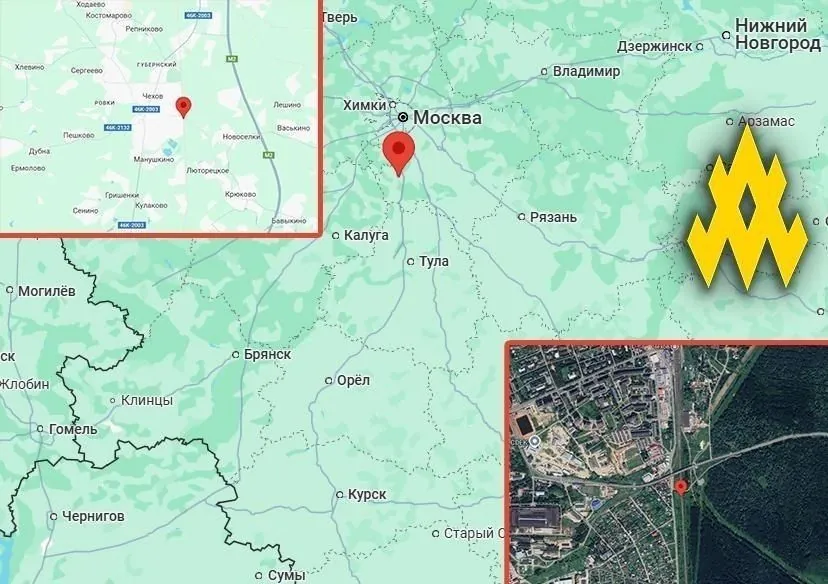
On the night of December 5-6, a representative of the Atesh partisan movement committed sabotage in the suburbs of Moscow. This is reported by the partisan movement Atesh, writes UNN.
Details
A Ukrainian agent burned down a relay cabinet near the village of Chekhov (a suburb of Moscow). The sabotage was carried out on a key railway connecting Moscow with the Kursk region.
As a result of the operation, the logistics of the invaders was disrupted: the supply of fuel and military equipment intended for Russian terrorists was delayed.
We dedicate this operation to all our supporters and, taking this opportunity, congratulate everyone on the day of the Armed Forces of Ukraine and St. Nicholas Day! We continue to work in all directions, striking at the enemy's rear. Every step we take brings our common victory over the Putin regime closer!
– writes "Atesh".
recall
A partisan of the Atesh Movement destroyed the electrical equipment of a relay cabinet in the village of Alekseyevka in the Kherson region. The sabotage is aimed at disrupting the logistics of enemy troops on the Novoalekseyevka-Melitopol railway line.
Russia's artillery advantage against Ukraine is diminishing, dropping to 1.5 rounds for each Ukrainian shell, Sky News reported on Dec. 5, citing unnamed Western officials.
Previously, Russian shells outnumbered Ukrainian ammunition by a minimum ratio of five to one.
The current decline is due to a "wide variety of factors," Western officials told Sky News on the condition of anonymity. These include production and transport difficulties, along with Ukrainian drone strikes against ammunition depots.
Shipments of Western ammunition supplies have also helped Ukraine level out the disparity.
Russia is still finding other ways to maintain fighting power, officials said, pointing to Russia's increased use of glide bombs.
There has been a "massive increase in Russian glide bomb use on the front line to devastating effect," one official said.
Ammunition shortages have plagued Ukraine over the course of Russia's full-scale invasion. The EU failed to deliver on its promise to produce 1 million artillery shells between March 2023 and 2024 while political disputes in Washington led to a severe delay in a $61 billion aid package.
"Russia vastly outnumbers us in daily artillery attacks," Defense Minister Rustem Umerov said at an artillery coalition session on Jan. 18.
"At different areas of the front and stages of hostilities, they fired five to 10 times more artillery shells than the Ukrainian forces."
Before Ukraine acquired Western-provided NATO-standard 105- and 155-millimeter artillery systems and munitions, the disparity between rounds fired daily by Ukrainian and Russian units in some cases reached a ratio of 50 to 1,500, according to sources in Ukraine's military.
Ukraine has now received more than a third of the 500,000 155 mm shells expected to be delivered under the Czech ammunition initiative by the end of 2024.
Even as Ukraine narrows the ammunition gap, Russian forces continue to gain ground in Ukraine's east, seizing territory at heavy personnel costs.
Russian security forces are conducting large-scale raids in the occupied villages of the Kherson region in search of deserters. Fugitives are sent to storm in other directions of the front to intimidate personnel.
In the temporarily occupied territories of the Kherson region, Russian security forces are conducting large-scale raids aimed at identifying military personnel who have fled their positions. this is reported by the Center for National Resistance, writes UNN.
Details
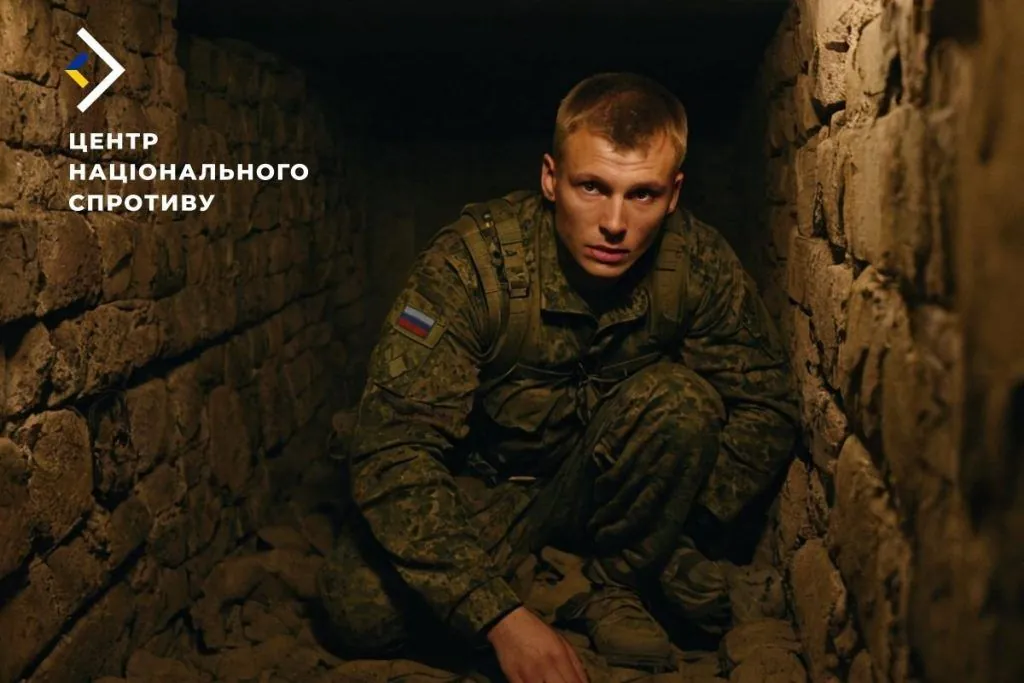
It is noted that in the region there were cases of mass non-compliance with orders by subordinates due to low morale and alcohol abuse. As a result, the occupation command decided to conduct police raids on abandoned settlements from the Rosgvardiya in order to find deserters.
If the fugitives are found, they are thrown into meat attacks in other directions of the front. Thus, the enemy intimidates the personnel and maintains discipline. However, practice shows that even such methods do not help,
– the message says.
recall
Russia failed the plan to recruit 10 thousand Ukrainians from the occupied territories to its army for 2024. As of December, only 4 thousand people were recruited, mainly from the territories occupied since 2014.
In Alexander Lukashenko's Belarus, helping to defend Ukraine against Russia gets you labeled as a terrorist.
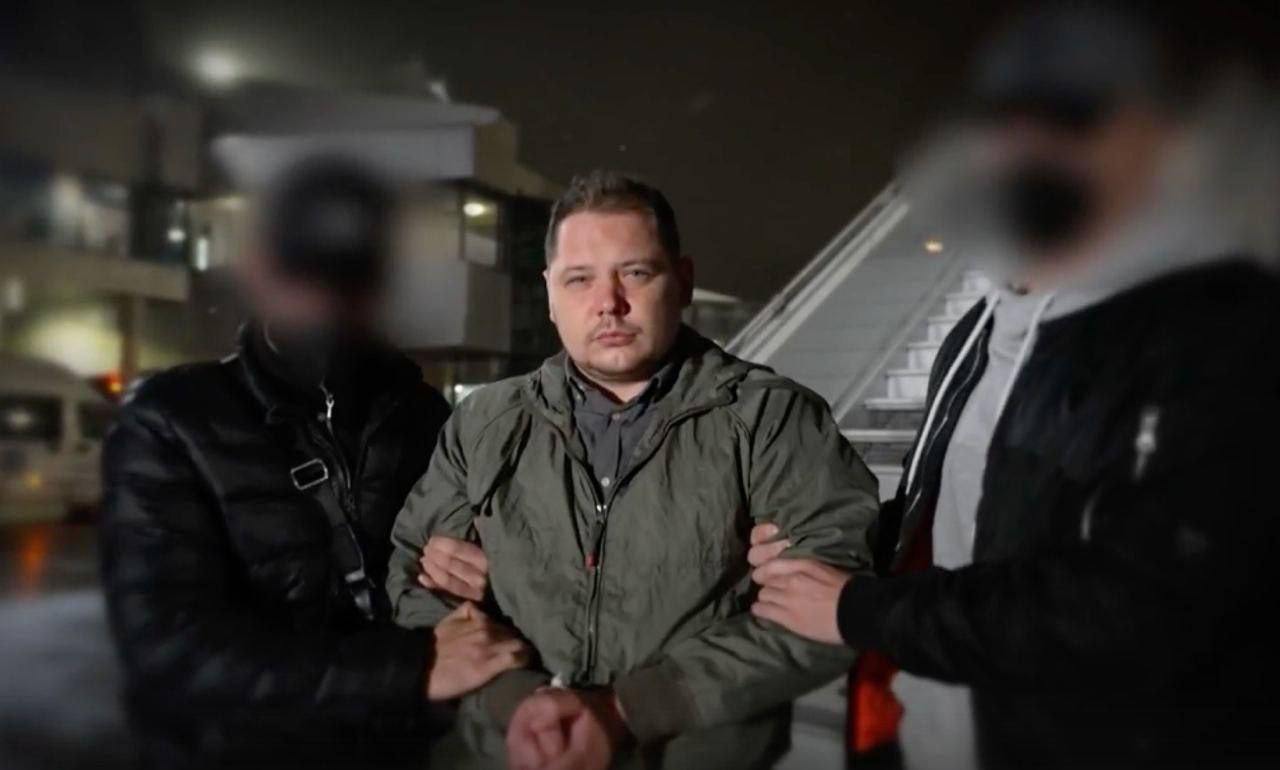
Vasil Verameichyk, a Belarusian who enlisted in Ukraine's Armed Forces just four days after Russia launched its all-out war, was detained on Nov. 13 in Vietnam in a suspected covert operation by Belarusian secret services. He was extradited to Belarus the next day.
Verameichyk had previously served in the Kastus Kalinouski Regiment, which is comprised of Belarusian volunteers who fight for Ukraine. For this, Belarusian state-controlled media described him as a "wanted member of a terrorist organization."
Vasil Verameichyk, a former fighter of the Kastus Kalinouski Regiment, was detained in Vietnam and extradited to Belarus in Minsk, Belarus, on Oct. 20, 2024. (Screenshot from ONT video)
Minsk, though not directly participating in Russia's war, has aligned itself with Moscow. At the same time, it has escalated repression against pro-democracy Belarusians, both domestically and abroad, who stand in solidarity with Kyiv.
Verameichyk is faced with at least 20 years in prison if convicted. His Belarusian brothers-in-arms, still serving in Ukraine, are hoping to rally Kyiv to do whatever they can to secure his release — as they would for any Ukrainian soldier — before his time runs out.
"Vasil could even be punished by death for his military service in Ukraine," Andrei Kushnerau, another Belarusian-born soldier who is currently serving in the Da Vinci Wolves Battalion, told the Kyiv Independent.
"Something needs to be done to guarantee his safety — and quickly."
'Proactive and courageous'
Verameichyk's time in combat was curtailed by injury in April 2022, but not before the 30-year-old fought in several battles. During his military service in Ukraine, he fought to defend Irpin and Bucha in Kyiv Oblast, as well as Sievierodonetsk in Luhansk Oblast, against advancing Russian forces.
Verameichyk also received a medal from Ukraine's military intelligence for helping orchestrate the evacuation of over 60 Ukrainian soldiers from encirclement near Oleksandrivka in Mykolaiv Oblast.
"Vasil has always been proactive and courageous, never shying away from danger," Kushnerau said, who served alongside Verameichyk. "He is a promising soldier and opposition politician."
"Vasil has always been proactive and courageous, never shying away from danger."
After returning from a trip abroad to visit family, Verameichyk was reportedly banned from reentering Ukraine in September 2022. The ban, which extends until 2025, was allegedly the result of a personal conflict with a staff officer in the Kastus Kalinouski Regiment.
"But Vasil constantly tried to (find a way to) return to the front line and join a different unit," Kushernau, who is also the founder of the Association of Belarusian Volunteers, said.
He ultimately ended up traveling to Lithuania, a key refuge for many of the over 500,000 Belarusians who fled the country following the post-2020 crackdowns.
Following Russia's full-scale invasion of Ukraine, the Lithuanian government has grown increasingly adverse toward the number of Belarusians in the country. In 2023, a draft law that saw newly-arrived Russians prohibited from obtaining Lithuanian citizenship, owning property, applying for visas, or extending their residence permit was nearly extended to include Belarusians, narrowly averted by public opposition.
Additionally, Belarusians, like Russians, have been asked to disclose their past affiliations and their views on topics such as the annexation of Crimea to "prove" they do not pose threats to Lithuanian national security.
This policy turn has made the situation for Belarusian exiles in Lithuania increasingly difficult.
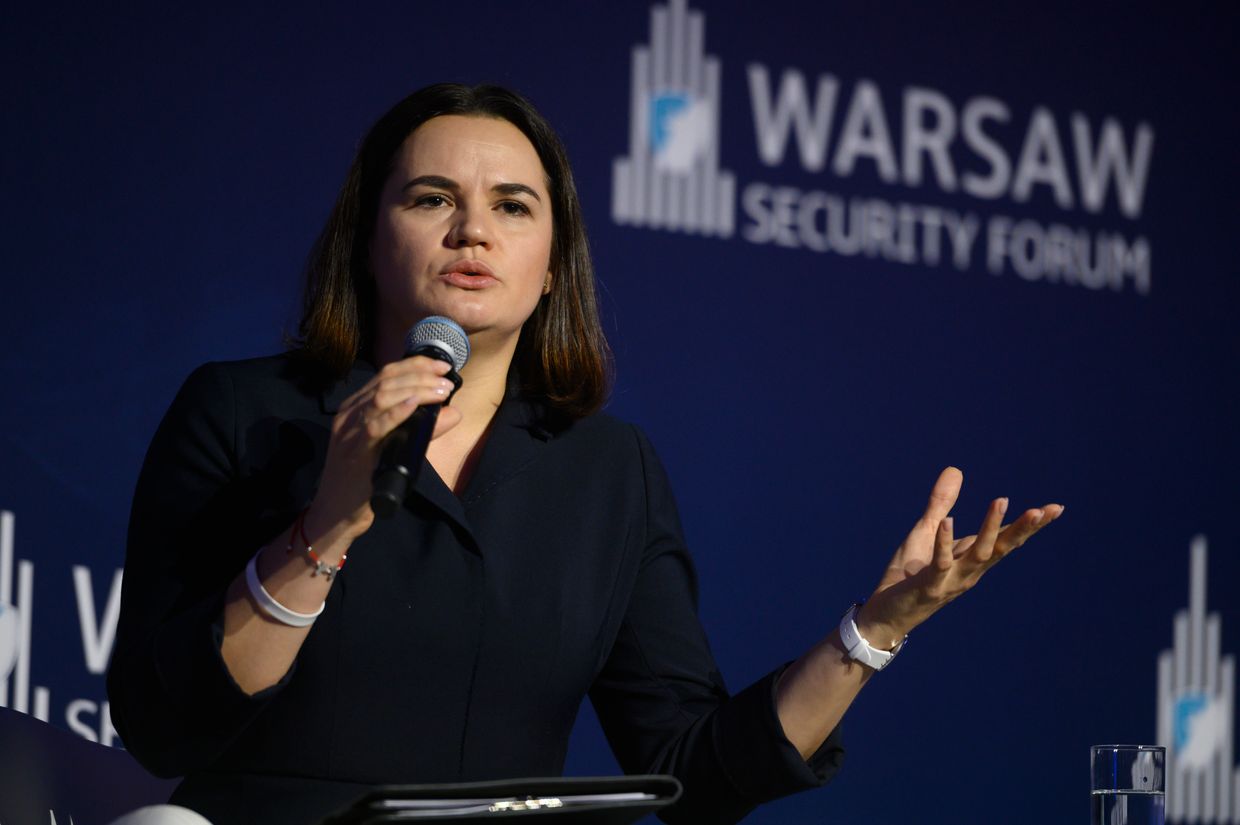
The leading figures of the Belarusian exile, who have been based primarily out of Lithuania, have been forced to navigate a delicate political landscape as a result. Belarusian opposition leader Sviatlana Tsikhanouskaya, in her online call to action to save Verameichyk, did not mention that Lithuania made the possibility for him to remain in Europe impossible for the immediate future.
Lithuania imposed a 30-month entry ban to the EU and Schengen Area on Verameichyk for "national security threat" in July 2023, citing Verameichyk's military service in Belarus during his youth as the reason.
Kushnerau described the decision as a "complete oversight of Verameichyk's service to defend Ukrainian sovereignty" in the ongoing Russo-Ukrainian war.
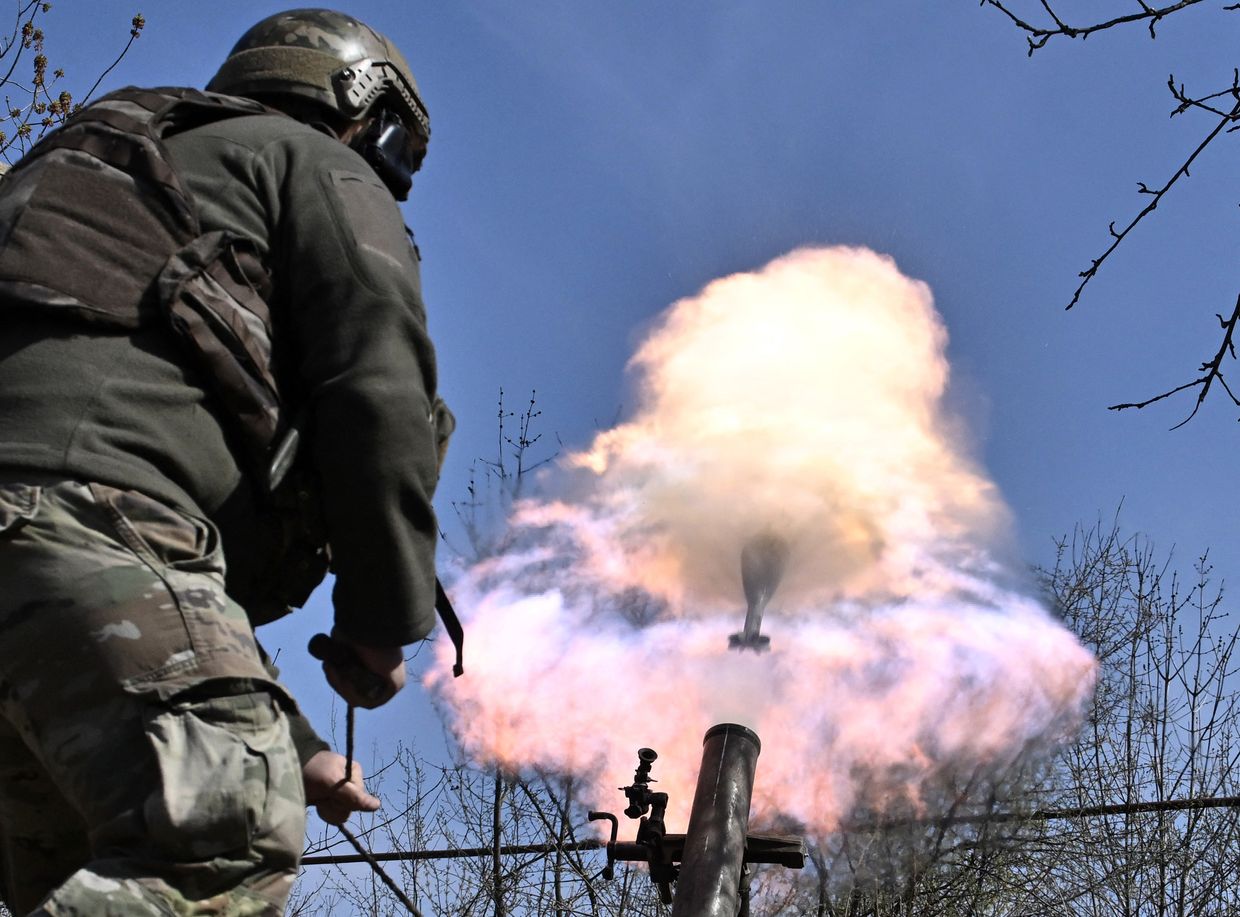
A Belarusian volunteer soldier from the Kastus Kalinouski regiment, a regiment made up of Belarusian opposition volunteers formed to defend Ukraine, fires a 120mm mortar round at a front line position near Bakhmut in the Donetsk Oblast, Ukraine on April 9, 2023, amid the Russian invasion of Ukraine. (Genya Savilov / AFP via Getty Images)
The Lithuanian Foreign Ministry declined the Kyiv Independent's request for comment on the matter, citing that Verameichyk's case was "the jurisdiction of the migration department of the Interior Ministry," but acknowledged that it was following the case.
"Supporting Belarusian democratic forces and civil society remains one of the Lithuanian government's foreign policy priorities. Lithuania had been providing shelter for those fleeing repressions," the ministry said in its statement. "This support shall be continued."
The Lithuanian Interior Ministry did not reply to the Kyiv Independent's request for comment by the time of this article's publication.
Yet, Interior Minister Agne Bilotaite told Lithuanian Media outlet LRT on Nov. 22 that the State Security Department had decided to label him a "threat to national security."
The Lithuanian State Security Department also did not reply to the Kyiv Independent's request for comment by the time of this article's publication.
Belarusian citizens abroad face limited visa-free travel options, and their ability to secure long-term residency in a foreign country became even more challenging in September 2023 when Lukashenko's regime prohibited the renewal of passports at Belarusian embassies abroad.
Unable to remain in Lithuania or travel to any of the countries in the Schengen Area, Verameichyk eventually made his way to Vietnam, where Belarusian security services were lying in wait.
In need of a solution
Belarusian soldiers fighting on the side of Ukraine are hoping Kyiv will facilitate Verameichyk's inclusion on the prisoner exchange list, according to Kushnerau, given Verameichyk's prior military service in Ukraine.
They are also considering petitioning Kyiv to negotiate a swap with Minsk that would see Verameichyk exchanged for Yevhen Shevchenko, a Ukrainian politician ousted from President Volodymyr Zelensky's Servant of the People Party in 2021 after meeting with Lukashenko.
Shevchenko is believed to have established ties with the Belarusian regime. He was detained by Ukraine's Security Service (SBU) in mid-November on suspicion of treason after negative public comments he made about the war.
"We don't have many other options (to get Verameichyk out of Belarus)," Kushnerau said.
The President's Office did not respond to the Kyiv Independent's request for comment on either potential exchange scenario.
More than 1,300 Belarusians have fought for Ukraine, and at least 60 have been killed since 2014. Verameichyk is not the first Belarusian volunteer among them to face issues with Russia-linked authorities for his military service in Ukraine.
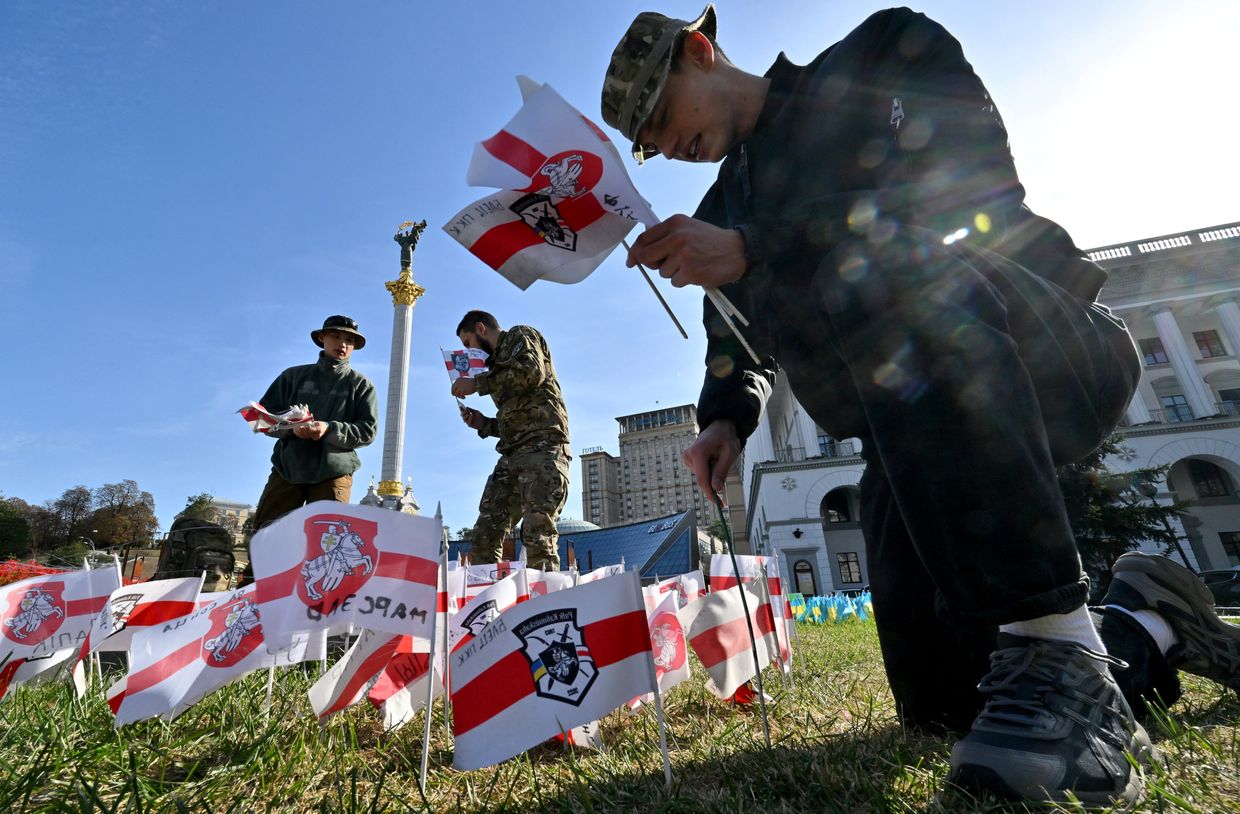
Servicemen of the "Volat" battalion of the Belarusian Kastus-Kalynovskyi volunteer regiment plant flags at Independence Square in Kyiv, Ukraine on Oct. 12, 2023. (Sergei Supinsky / AFP via Getty Images)
Yan Dziurbeika, who also served in the Kastus Kalinouski Regiment, faces charges from prosecutors in Russian-occupied Donetsk Oblast for being a "mercenary" fighting in Ukraine between February and July 2022. Dziurbeika, along with fellow Belarusian fighter Siarhei Dzyohtseu, was captured by Russian forces in July 2022.
If convicted, Dziurbeika faces seven to 15 years in prison.
Verameichyk's extradition to Belarus is part of what appears to be a growing trend of Moscow-allied countries being ready to extradite foreigners who fought for Ukraine, putting those fighting for the country at risk not only during their military service but also after it ends.
Alexander Ante and Jose Aron Medina, two Colombian men who served in Ukraine's International Legion, were detained by Venezuelan authorities at the end of August during a layover in Caracas at the request of Russia's Security Service, the FSB.
Ante and Medina are currently being held in custody in Russia — they face up to 15 years in prison if convicted.
If Belarusian state-controlled media is any indication, the security services will only continue their targeting of Belarusian soldiers fighting alongside Ukrainians against Russia.
The head of the security service's investigative department, Konstantin Bychyk, was featured in a recent propaganda film that included Verameichyk. After footage was shown of Verameichyk being taken away in cable ties on the tarmac of Minsk Airport, Bychyk declared that pro-Ukrainian Belarusian soldiers "should live with the knowledge that Belarus will find them, no matter where they are in the world."
Hi, this is Kate Tsurkan. Thank you for taking the time to read this article. The Belarusian people's struggle for a better future is ongoing, especially as the Lukashenko regime continues to target innocent individuals. We must also remember amid all this the many Belarusian soldiers risking their lives to defend Ukraine against Russian aggression—they don't get enough coverage but deserve our recognition and support. If you found this story important please consider supporting our reporting.
The head of the OP, Andrey Ermak, met with representatives of the future Trump administration in Washington. The Ukrainian side presented an assessment of the situation at the front and discussed the defense strategy.
During the meetings of the head of the Office of the president of Ukraine Andriy Yermak with American politicians and officials, the Ukrainian side tried to give its assessment of the situation on the battlefield and establish mutual understanding with the Americans. This is reported by CNN, writes UNN.
Details
According to three sources, the meeting in Washington was held between: Vice President-elect J. D. Vance and new national security adviser Mike Woltz from the United States, and on the Ukrainian side were Andriy Yermak and Deputy Minister of defense of Ukraine for European integration Serhiy Boev.
The meeting took place against the backdrop of US President-elect Donald Trump pointing out significant changes in policy towards Ukraine, seeking to end Russia's war against Ukraine.
At the same time, the meeting was not aimed at discussing a potential peace plan or a solution to the war. But Ukrainian officials sought to convey to Voda and Vance their assessment of the situation and establish relations with them. According to one of the sources, the Ukrainian side believes that it has achieved these goals and was satisfied with the meeting.
The publication added that first of all, more than an hour-long meeting was focused on assessing the situation on the battlefield on the Ukrainian side.
The Ukrainians proposed a general scheme of their defense strategy, but did not go into details. Waltz and Vance mostly listened,
– said the source.
The publication also clarifies that the Ukrainian delegation did not meet with Trump's special representative for Ukraine Keith Kellogg during his visit on Wednesday. The source noted that Kellogg has already been to Ukraine before, Yarmak knows him, so they did not need a meeting to establish an initial interpersonal relationship.
recall
As previously reported UNN a delegation led by Yermak met with future Trump advisers Volz and Kellogg. The purpose of the visit was to establish cooperation to gain support in the war against Russia.
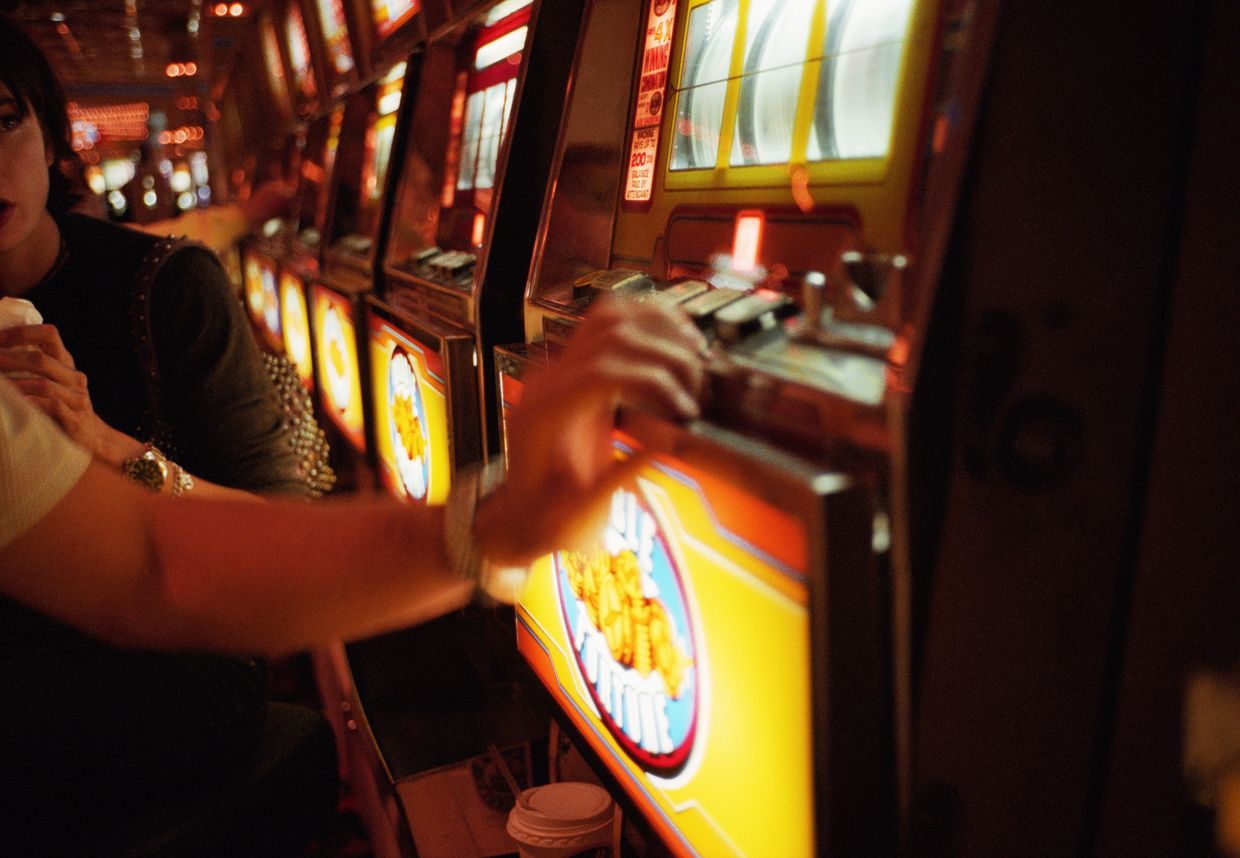
The beneficial owners and top managers of one of the most popular online casinos in Ukraine, Pin-Up, are suspected of collaborating with Russia, the State Bureau of Investigation (DBR) and the Prosecutor General's Office announced on Dec. 5.
The casino's owners, who are Russian citizens, allegedly collected personal data and information about the location of their users, including military personnel of the Ukrainian Armed Forces and other military formations.
The law enforcement agencies did not mention the name of the company in their statements. Olena Duma, the head of Ukraine's Asset Recovery and Management Agency (ARMA), said the suspects are the representatives of Pin-Up.
Individuals associated with the casino operate in Russian-occupied Luhansk Oblast, contributing to the Russian state budget as well as financing the military-industrial complex and armed aggression against Ukraine, according to the DBR.
One of the unnamed accused individuals, who "controls the online casino's work," has been financing an organization that helped Russian veterans who fought in Ukraine after the start of the full-scale war.
In May, the Pecherskyi Court in Kyiv seized the accounts of Pin-Up's online casino. It later approved the transfer of over Hr 2.6 billion ($62.5 million) of the company's seized assets to the ARMA. The state agency in turn used those funds to purchase military bonds.
Pin-Up continues to operate in Russia and on Russian websites, the law enforcement agencies reported.
Gambling was officially banned in Ukraine in 2009 until its legalization in 2020.
The negative impacts of gambling, especially on the Ukrainian soldiers, became a topic of public discussion in the spring of 2024 as a petition demanding restrictions on online gambling reached the president's table in March.
President Volodymyr Zelensky signed a decree on April 20 approving restrictions on online gambling and banning it for the military while martial law remains in effect.
There were 170 military clashes at the front, the most active battles in the Pokrovsky, Kurakhovsky and Vremovsky directions. The enemy carried out 2 missile strikes, used 599 drones and conducted more than 3,200 attacks.
Currently, 170 military clashes have taken place at the front. The enemy is actively storming in the Pokrovsky, Kurakhovsky and Vremovsky directions. This is stated in the summary of the General Staff as of 22.00 05.12.2024, reports UNN.
Today, the enemy launched two missile strikes on the territory of Ukraine with four missiles, used 599 kamikaze drones to defeat them. Carried out more than 3,2 thousand attacks on the positions of our troops and settlements,
– the message says.
In the Kharkiv direction, one enemy attack was repelled near Tihy. In addition, the invaders launched an airstrike in the area of Krugloye.
In the Kupyansky direction, the enemy tried five times during the day to advance to our positions near Novaya Kruglyakovka, Lozovaya and Sinkovka. All enemy attacks have already been repelled. Petropavlovsk and Lozovaya were attacked by Russian invaders.
In the Limansky direction, the invading army attacked 15 times in the areas of Grekovka, Tverdokhlebovo, Yampolovka, Ternov, Zarechny, Torsky, Druzholyovka, Belogorovka and in the Serebryansky forest. One attack is still ongoing.
In the Kramatorsk direction, enemy activity resulted in five military clashes near Chas Yar, Stupochek and Predtechino.
In the Toretsk direction, One clash continues near Toretsk, and our defenders stopped five enemy assaults in the areas of Toretsk and Nelipovka.
The enemy tried 37 times to break into our defense in the Pokrovsky direction. Since the beginning of the day, the invaders have attacked in the areas of the settlements of Mirolyubovka, Luch, Lisovka, Dachenskoye, yellow, Pushkino, Novotroitskoye, Shevchenko, Novopustinka. Thirty-six offensive actions of the enemy were stopped by the Defense Forces, one attack continues to this day.
The enemy is suffering significant losses – according to preliminary information, today our soldiers neutralized more than 450 invaders in this direction, 217 of them-irrevocably. One infantry fighting vehicle, four units of automobile and two units of enemy motor vehicles were destroyed, one trench electronic warfare was neutralized, and a unit of automobile equipment and one cannon were also damaged.
In the Kurakhovsky direction, the enemy attacked our positions near Berestkov, Starye Ternov, Zarya, Solntsevka, Kurakhovo, Dalny, Elizavetovka, Annovka, Romanovka and Uspenovka. Currently, Ukrainian soldiers have repelled all 47 enemy attacks.
In the Vremovsky direction, our troops repelled 35 attacks near Konstantinopolsky, Rozliv, Sukhoi Yaly, Makarovka and Novodarovka – by this time all clashes had been completed. in addition, Komar and Vremovka were hit by airstrikes.
In Orekhovsky direction Our Defenders repelled the enemy's attack in the direction of Novodanilovka.
On the Dnieper direction the Russian invaders attacked our positions three times. We received a tough rebuff and suffered losses.
On Seversky and Gulyai-pole directions at this time of day, the enemy did not conduct active operations.
The Defense Forces of Ukraine continue to conduct operations in the Kursk region, currently it is known about 15 clashes and more than 450 attacks on settlements and positions of our units.,
– added in the General Staff.
Russian soldiers drown trying to land on Dnipro islands in Kherson – partisansDec 5 2024, 08:41 AM • 15663 views
Editor’s note: This article is part of a series of profiles highlighting successful Ukrainian startups and businesses. The series is funded by the regional investment fund Ukraine-Moldova American Enterprise Fund (UMAEF) and created in partnership with Spend With Ukraine, a non-profit organization that launched a platform to showcase businesses with Ukrainian roots and provide one more meaningful way to support Ukraine – by choosing to spend with Ukraine. The series’ sponsors are not involved in the editorial process of the writing of these profiles.
Andriy Vyshnevsky believes the future of Ukraine lies in the pages of books. This year, he helped resurrect Ukraine’s oldest independent publishing house, Osnovy, after purchasing the company with his wife Svitlana Matvienko, director of the Ukrainian School of Political Studies. Now, as the CEO and co-owner of Osnovy, he is leading the company’s mission to educate Ukrainian citizens and popularize Ukrainian authors both at home and abroad. Ukraine is undergoing a literary renaissance as it faces Russia's full-scale invasion, with many looking to fill in the blanks left by decades of Soviet repression of Ukrainian culture.
“We have to recall our past and simplify access to the literature of earlier periods of Ukrainian history and return to our foundations. We need to understand how we can use that part of literature as a foundation for what we will build upon it,” he told the Kyiv Independent from Osnovy’s office in Kyiv’s historic center. Osnovy is as old as independent Ukraine. Founded in 1992 by Canadian citizen Bohdan Kravchenko and Ukrainian citizen Solomiya Pavlychko, it was the first publishing house in the country to translate world classics into Ukrainian and has since published over 400 titles.
In its first phase, Osnovy focused on translating books on economics, philosophy, and politics, from Aristotle to Simone de Beauvoir—“the key texts on which the Western civilization is based,” Vshnevsky explains. Osnovy itself translates to "foundations."
Osnovy’s idea was to bridge the gap between Europe and the newly independent Ukrainian population that had suffered generations of restricted access to knowledge.
The company opened new doors to the international market after Dana Pavlychko, Solomiya’s daughter, took over in 2012 during its second phase. She shifted the focus to publishing English language photography and art books looking at niche subjects from orthodox churches to women working on Ukraine’s railways.
Osnovy team in their office in an undated photo. (Andriy Vyshnevsky / Osnovy)
Looking towards the future, Vyshnevsky will prioritize the domestic market as Ukrainian society pulls through the traumas of war. Osnovy will go back to its foundational texts as well as new translations of modern literature, both fiction and non-fiction, to broaden its readers’ minds. “The purpose of Osnovy is to provide Ukrainian society with intellectual resources to be better prepared for the challenges we are going to face after Ukraine wins this war,” he said.
Rising from the ashes
Osnovy was on its last legs when Vyshnevsky took over in June. The majority of the company’s dozen employees fled Ukraine during the full-scale invasion, including former-owner Dana Pavlychko, and efforts to keep it afloat from abroad were in vain. Revenues dropped from Hr 8 million ($192,000) in 2022 to Hr 4 million ($96,000) in 2023, leaving Pavlychko with little option but to sell. Over the last six months, Vyshnevsky managed to build up the employees from two to 13 and the new team inherited 15,000 unsold books that helped provide some cash flow to restart the company. Osnovy has a special place in Vyshnevsky’s heart as Bohdan Kravchenko was one of the first people he met after moving to Kyiv from his hometown Kharkiv in the early 2000s. He couldn’t imagine he would take over from Kravchenko 25 years later. This year, Vyshnevsky is hopeful Osnovy will once again turn a profit with 57 book projects currently underway and plans to publish 30-40 titles per year.
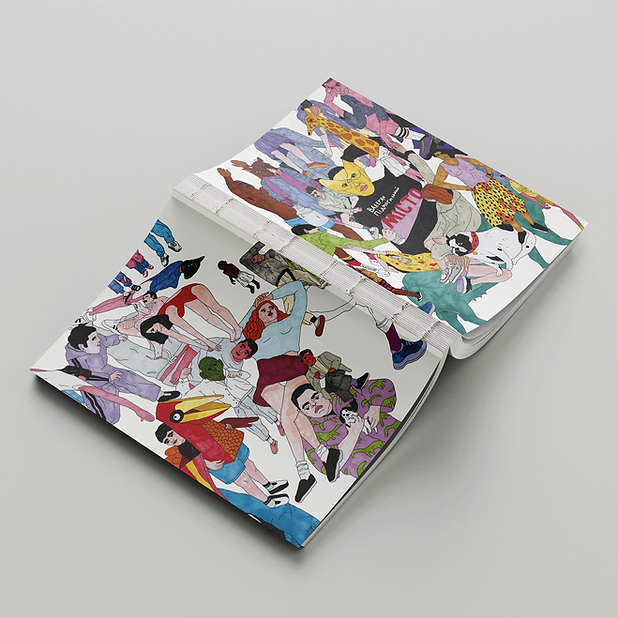
The covers of Classical Ukrainian literature reimagined: (L-R) "The Kaidash Family" by Ivan Nechuy-Levytsky, "The City" by Valerian Pidmohylny, and "Tiger Trappers" by Ivan Bahrianyi. (Osnovy)
His optimism is bolstered by the increasing number of Ukrainians turning to books as Russia pummels Ukrainian cultural institutions, including Osnovy’s printing partner Faktor Druk in Kharkiv, which suffered a major missile strike in May. “It might sound paradoxical, but I think that the full-scale war encouraged people to read,” Vyshnevsky said.
"It might sound paradoxical, but I think that the full scale war encouraged people to read."
Osnovy first got going in 1992 with financial support from the International Renaissance Foundation, an NGO funded by philanthropist George Soros, although it was soon self-sufficient as the books flew off the shelves. Vyshnevsky admits that Osnovy is a niche publishing house, and that the challenge is fulfilling its mission of popularizing specialized literature while making money. But Osnovy has a growing customer base, which Vyshnevsky was surprised to discover is very young, with around 85% between 18 and 35 years old. He will also redirect Osnovy’s strategy towards smaller, independent bookstores rather than big retailers. Ukrainians have recently flocked towards cozy, community-focussed bookshops and Vyshnevsky is partnering with several across Ukraine as he aims to expand beyond the 100 stores currently stocking Osnovy’s publications.
Stay warm with Ukrainian traditions this winter. Shop our seasonal merch collection.
The 2014 Euromaidan Revolution was a big catalyst for change for Osnovy and propelled the company to its peak popularity, Vyshnevsky said. While that was partially driven by Ukrainians’ surging interest in their culture, it was also because the revolution attracted the eyes of foreigners to Ukraine. Under the direction of Dana Pavlychko, the company began publishing stylish photography and art books in English for the first time. The international market proved to be a hit, with over 300 stores in Europe and North America selling Osnovy’s books as well as online stores like Amazon. “Photo books were a good tool to popularize Ukraine and Ukrainian culture,” Vyshnevsky said.
"Photo books were a good tool to popularize Ukraine and Ukrainian culture."
“We pay attention to the tactile characteristics. You should want to touch the book, hold it in your hands,” he added, commenting on the aesthetic graphic design and high-quality printing and binding. One of Osnovy’s most well-known publications, “Decommunized: Soviet-Ukrainian Mosaics” by photographer Yevgen Nikiforov, was popular both domestically and abroad and deals with the complexities of Ukraine's Soviet and independent identity. Through communist-era mosaics, Nikiforov shows the imperial legacy of the Soviet Union while also honoring the craftsmanship of Ukrainian artists, Vyshnevsky said.
Ukrainian Railroad Ladies: A Visual Exploration of the Traffic Controllers Profession on Ukrainian Railway Crossings by Sasha Maslov. (Osnovy)
Osnovy is preparing a new edition of the book which will take on a different perspective as some of the mosaics have been destroyed by the war, or are stuck in Russian-occupied territories. The new edition will be a chance to reflect on Ukraine’s past, present, and future, in the context of the full-scale invasion, Vyshnevsky said.
“By printing these books in English and selling them abroad, we make our own reflection inclusive by encouraging and engaging people from the West into this process. We are trying to show that Ukrainians were deprived of the opportunity to communicate with the Western world, but we are a part of the Western world,” he added.
Building up a nation
Before Vyshnevsky’s takeover, Osnovy was primarily focused on the international market and rarely marketed books inside Ukraine. Vyshnevsky wants to go back to the company’s roots and see’s Osnovy as a public service for Ukraine to strengthen its weaknesses that could be exploited by Russia again. “Our role is to prepare Ukrainian society for life after the war is finished,” he said. “We need critical thinking, good education, and the professional skills and ability not only to survive, but also to build sustainable institutions and to develop them.” In the fallout of revolutions and the full-scale invasion, Ukrainians are unearthing their history, particularly the writers purged by the Soviet regime in the 1920s and 1930s known as the Executed Renaissance. Osnovy published a series of illustrated books from this generation in 2016, although the writers have only recently garnered more mainstream attention.
Osnovy stickers around the city walls. (Osnovy / Facebook)
“This literature is not just an archive like for many other European nations. It is material we need to work on right now and to go back to the past to better understand our future,” he said.
Russia’s full-scale invasion has also pushed readers towards contemporary Ukrainian literature and authors writing about the war. Osnovy had never published modern-day Ukrainian writers, but Vyshnevsky is now considering it to meet the demand. He also believes it's important for foreigners to read Ukrainian authors. As Ukraine begins EU integration talks, the country should have translations in European languages of its novels that were “eliminated” from the European cultural context, Vyshnevsky stressed. “It is important to fill the gap caused by 70 years of Soviet rule,” he said. “If we don't, this gap will remain and we will be trying to build over it, instead of building a solid foundation.”


 The Kyiv IndependentBoldizsar Gyori














 shop now