Category: War in Ukraine

Last news • War in Ukraine

  • Ukrainian forces to receive 30,000 DeepStrike drones in 2025 as part of Zelensky’s resilience plan, minister says

    Ukrainian forces to receive 30,000 DeepStrike drones in 2025 as part of Zelensky’s resilience plan, minister says

    Ukrainian forces to receive 30,000 DeepStrike drones in 2025 as part of Zelensky's resilience plan, minister says

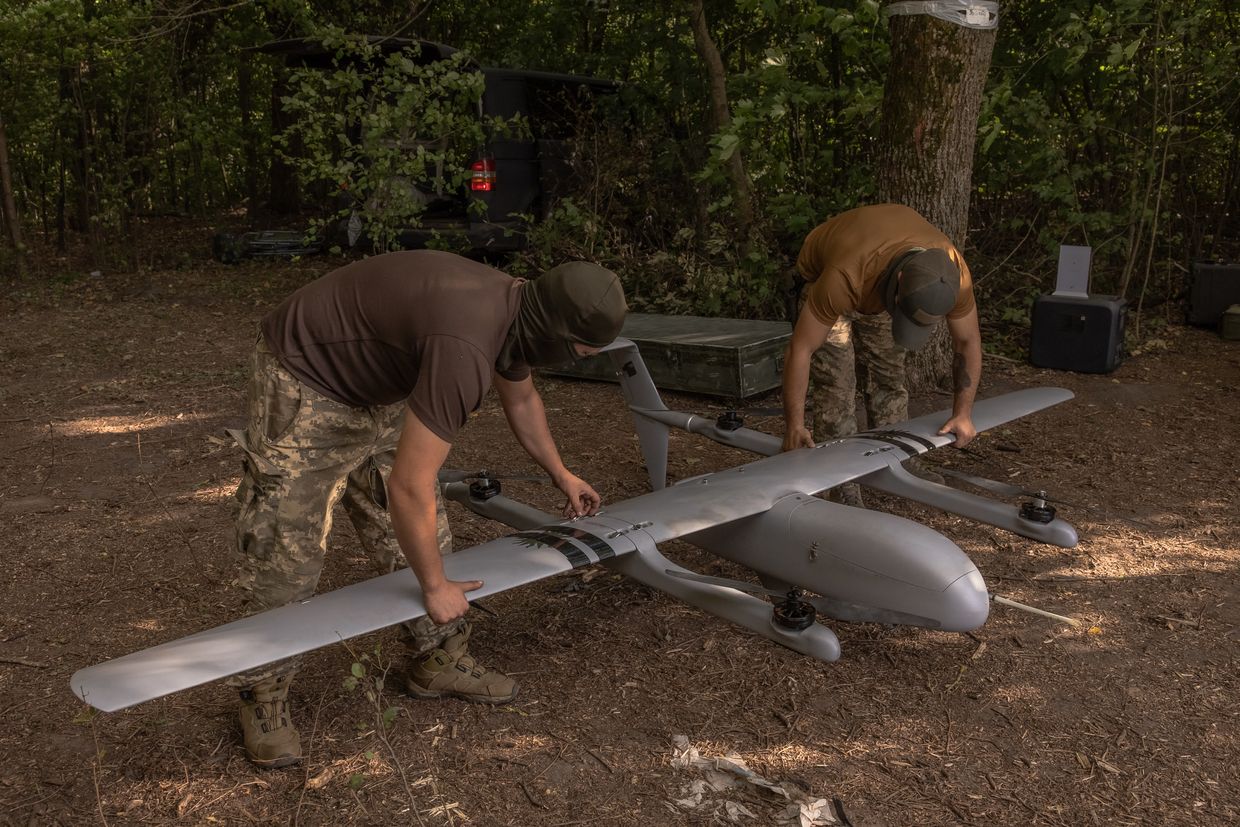
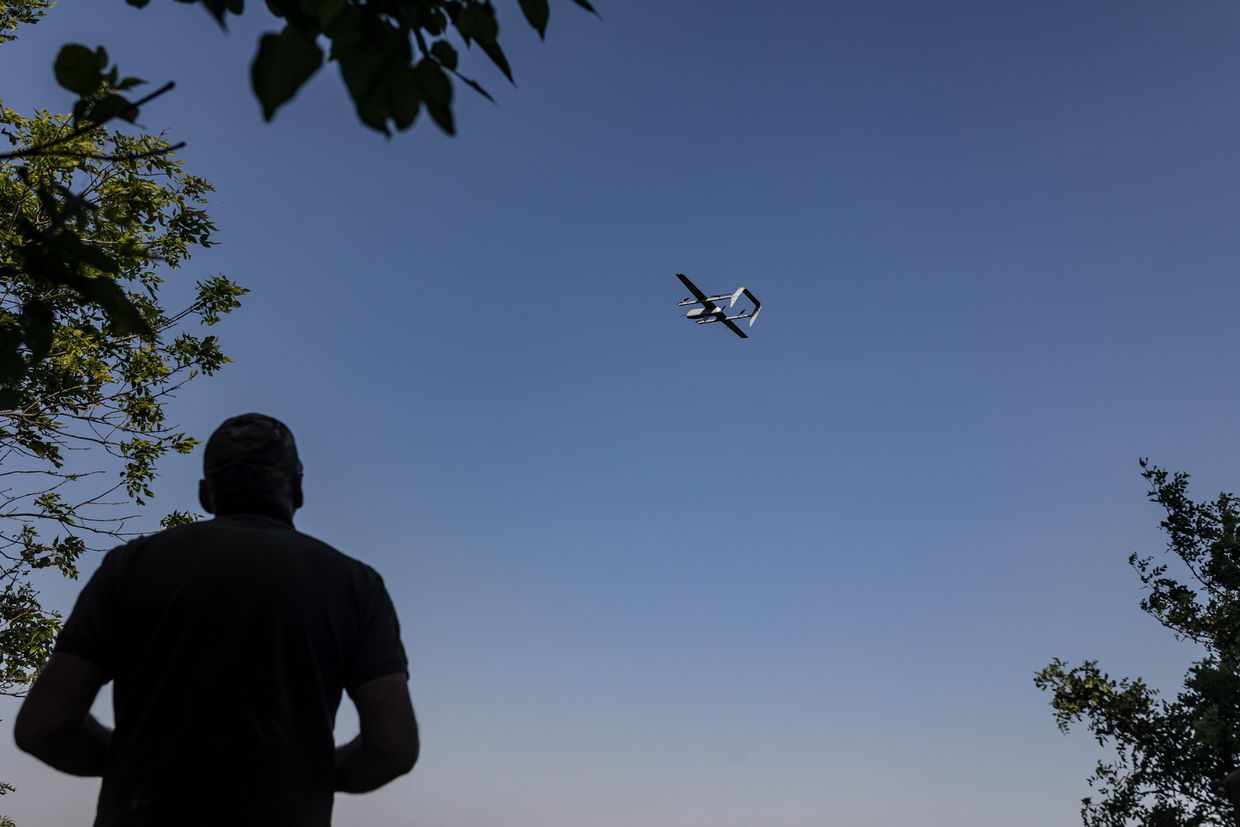
    The Ukrainian military will get over 30,000 DeepStrike attack drones in 2025 within President Volodymyr Zelensky's resilience plan, Defense Minister Rustem Umerov announced on Dec. 5.

    According to Umerov, DeepStrike drones are of the new generation, capable of "operating autonomously over long distances and hitting targets with high accuracy."

    "We are demonstrating to the world that Ukraine is capable of innovation and technological independence. Even in wartime, we are developing cutting-edge production and strengthening our defense capabilities," Umerov said.

    Zelensky presented a 10-point resilience plan to the Ukrainian parliament on Nov. 19, which includes measures to stabilize the front line, increase the technological capabilities of Ukrainian forces, and overcome bureaucracy in the army.

    The production of part of the DeepStrike drones that will be supplied to the Ukrainian army next year was financed by international partners who invested in the Ukrainian defense industry, according to Umerov.

    The minister did not say how these drones will be distributed among Ukrainian troops.

    Ukraine is working to scale up domestic defense production, aiming to produce 1.5 million drones by the end of 2024.

    There is a "significant volume" of new and long-term orders for first-person-view (FPV) drones, reconnaissance drones, long-range drones, and missile-drones, Zelensky said on Dec. 3.

    Kyiv employs long-range drones to strike deep into Russian territory, targeting military infrastructure such as airfields and logistics, as well as oil refineries and depots.

    Everything we know about Ukraine’s new Palianytsia missile-droneWith much fanfare, Ukraine has announced a new weapon – the Palianytsia missile drone. The first images of the Palianytsia were shown in a video President Volodymyr Zelensky posted on X on Aug. 25, following his announcement the day before about the new weapon’s first successful combat use. “Today…Ukrainian forces to receive 30,000 DeepStrike drones in 2025 as part of Zelensky's resilience plan, minister saysThe Kyiv IndependentDaria SvitlykUkrainian forces to receive 30,000 DeepStrike drones in 2025 as part of Zelensky's resilience plan, minister says
  • The coordination headquarters explained the principle of field exchanges

    The coordination headquarters explained the principle of field exchanges

    The coordination headquarters explained the principle of field exchanges

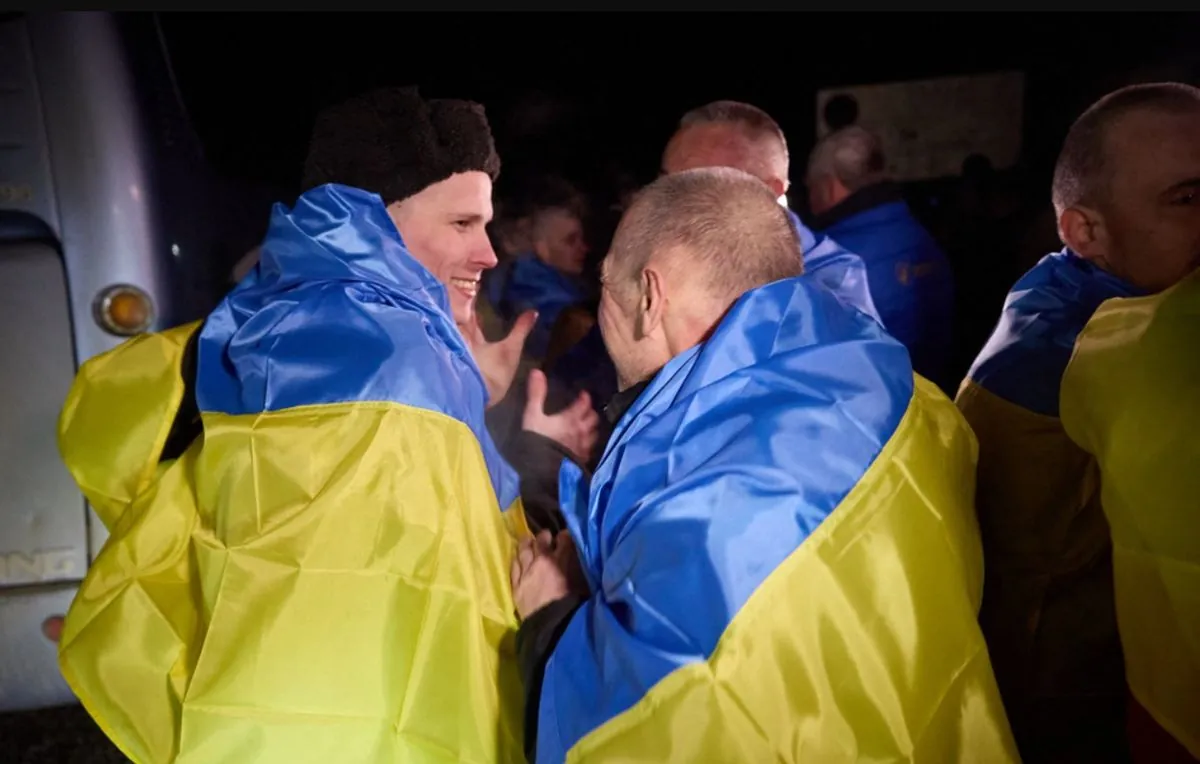
    In Poltava, the exchange of prisoners of war is considered official, and the military receives all guarantees. Such exchanges are easier to carry out on the battlefield than after prisoners get into the FSB system.

    If a field exchange of prisoners of war is carried out, it is then counted in the official one. The military receives all guarantees, including social ones.

    This was stated by Dmitry Usov, Secretary of the coordination headquarters for the treatment of prisoners of war, during the international human rights conference "decades 2014-2024. reclaiming human rights. Preserving democracy", Reports UNN.

    It is easier to make a field exchange with certain life risks than an official one. Because as soon as our military gets into the dcs system, gets into the FSB, the Investigative Committee and all other structures, then it is already difficult to get them out of there. And when this happens on the battlefield, you can agree there

    – said Usov.

    He revealed a certain strategy that the coordination headquarters has during exchanges.

    "Even if there is a field exchange, it is then counted in the official one. All guarantees, including social ones, are given to the military and his family," Usov said.

    addition

    On December 2, it was reported that the Commissioner for Human Rights in Russia, Tatyana Moskalkova, allegedly published a list of Ukrainian prisoners of war and cynically stated that "Ukraine does not agree to take them away."

    Subsequently, Ukraine denied the terrorist country's reports about allegedly refusing to exchange prisoners of War.

    Usov informed UNN that the Russian side was again beginning to delay the exchange of prisoners of war.

  • Discussions about German peacekeepers in Ukraine ‘irresponsible,’ opposition leader says

    Discussions about German peacekeepers in Ukraine ‘irresponsible,’ opposition leader says

    Discussions about German peacekeepers in Ukraine 'irresponsible,' opposition leader says

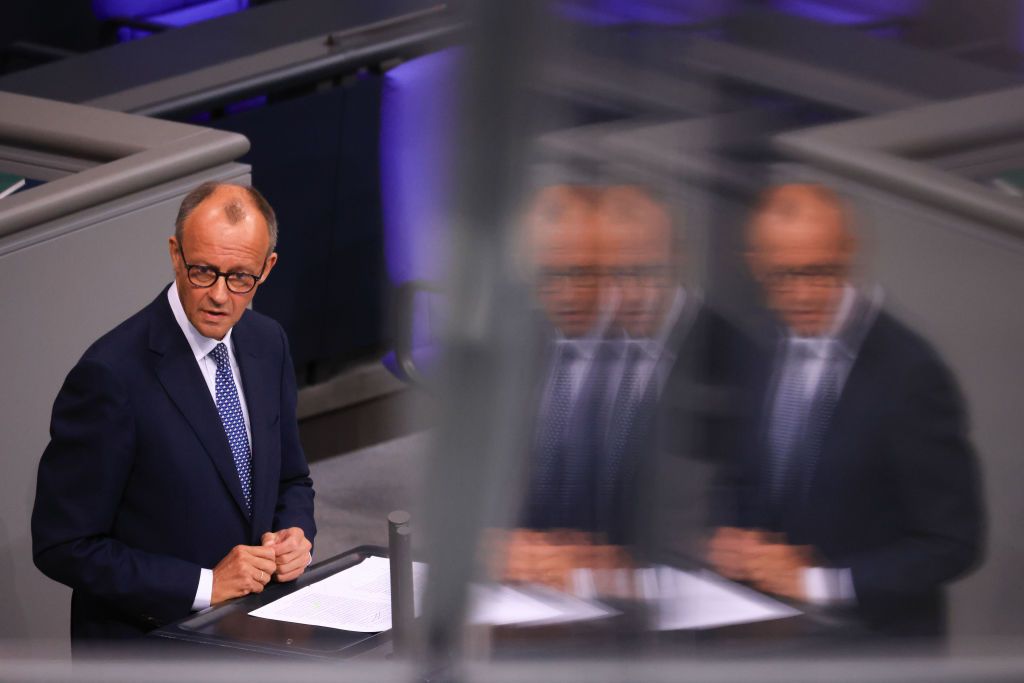
    Germany's conservative opposition leader Friedrich Merz said on Dec. 4 that any speculations about deploying German troops to ensure a ceasefire are irresponsible at this time.

    The CDU/CSU alliance's chancellor candidate was reacting to recent comments by German Foreign Minister Annalena Baerbock, who said that a deployment of German troops in Ukraine in case of a ceasefire should not be ruled out.

    "The war in Ukraine continues, Russia continues to act cruelly against the civilian population," Merz said, speaking at an ARD program.

    "We are all thinking about how to end this war. The question is how to achieve this," he added, saying nobody is asking a question about a peacekeeper deployment.

    The comments come amid an escalating election campaign as Germany approaches a snap vote in February.

    While Merz has criticized Social Democrat Chancellor Olaf Scholz for his supposed hesitance in supporting Ukraine — particularly concerning the provision of Taurus missiles — his views on troop deployment appear to be closer to those of the incumbent chancellor.

    Speaking in Germany's parliament, Scholz ruled out the possibility of deploying German troops to Ukraine at this stage. He stressed that there is an agreement with Baerbock and Defense Minister Boris Pistorius on the matter, adding that the Green Party's foreign minister was giving a "diplomatic answer" about a future hypothetical situation.

    The chancellor avoided a question about deploying peacekeepers after a possible ceasefire. Pistorius, Scholz's fellow Social Democrat, said there are still too many unknowns but did not rule out the possibility.

    "If there is a ceasefire and if it then comes to the point where someone — whoever it is — plans to use military means to ensure peace, that would depend on the type of mandate, the scope, the requirements, and the acceptance by the warring parties," Pistorius said, as quoted by German media.

    The comments follow unconfirmed media reports about the U.K. and France discussing sending its soldiers to monitor a ceasefire in Ukraine. European troops overseeing a peaceful post-war situation in the country were reportedly also included in a peace plan of U.S. President-elect Donald Trump's team.

    With Scholz’s government in shambles, conservative rival touts more decisive Ukraine strategyEditor’s note: The article was updated to reflect Friedrich Merz’s latest comments regarding the debt brake. For the second time in his life, Friedrich Merz is a step away from taking charge of Germany. Losing the fight to control the Christian Democratic Union in 2002 to future Chancellor Angela…Discussions about German peacekeepers in Ukraine 'irresponsible,' opposition leader saysThe Kyiv IndependentMartin FornusekDiscussions about German peacekeepers in Ukraine 'irresponsible,' opposition leader says
  • KNIISE found out that Russia uses two types of North Korean missiles against Ukraine

    KNIISE found out that Russia uses two types of North Korean missiles against Ukraine

    KNIISE found out that Russia uses two types of North Korean missiles against Ukraine

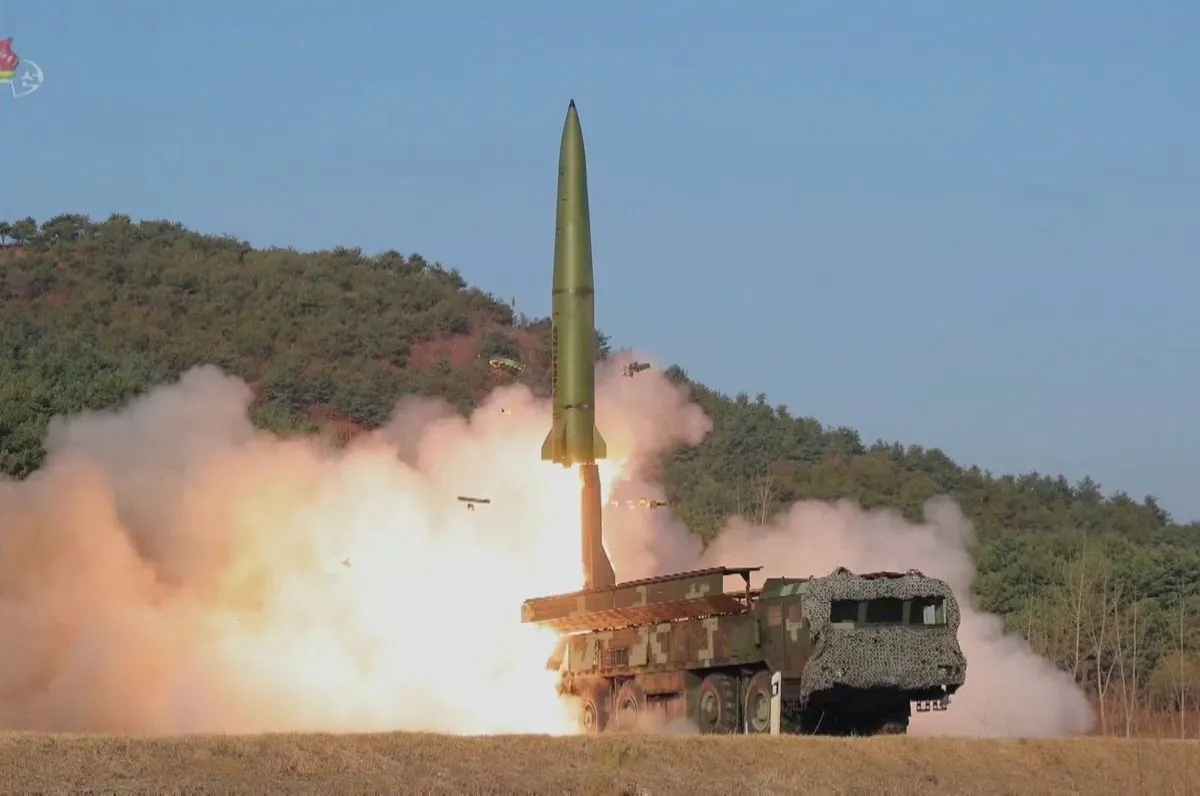
    KNIISE established Russia's use of two types of North Korean missiles KN23 and KN24 against Ukraine. Experts were able to identify the differences between the missiles after obtaining more complete fragments.

    Experts of the Kiev Research Institute of forensic examinations have established that Russia uses two types of North Korean missiles KN23 and KN24 in the war against Ukraine. experts of the KNIISE Military Research Laboratory told about this in an exclusive comment UNN.

    Since the beginning of the full-scale invasion, KNIISE specialists have studied almost all types of weapons used by the aggressor. Regarding North Korean-made missiles of the KN23 and KN24 types, expert work was complicated due to the significant fragmentation of the research objects. The weight of the explosive substance of the warhead of these weapons is about 500 kg, so parts and fragments of missiles are almost completely destroyed or significantly deformed

    – tell KNIISE experts.

    According to experts, there was no doubt that Russia at some point began to use North Korean-made missiles, since they had characteristic differences from their Russian counterparts, but the preserved fragments were not enough to distinguish between KN23 and KN24. now experts have obtained more complete fragments, which made it possible to identify and compare KN23 and KN24.

    "The research and analysis process remains complex: experts work only with existing facilities and use data from open sources, because technical documentation for these missiles is not available. Recent objects had specific features between weapon types, which made it easier to identify them," the KNIISE Military Research Laboratory explained.

    KNIISE added that continue to detail the collected information, deepening research and forming an evidence base. This data is important for international justice in the context of the investigation of Russia's crimes against Ukraine and North Korea's involvement.

    Add

    Experts of the Kiev Research Institute of forensic examinations (KNIISE) establishedthat Russia used North Korean KN-23/24 ballistic missiles during the combined attack on Ukraine on November 13 , among other things.

    According to KNIISE experts, KN-23 combines both modern technologies and solutions of the last century. A significant percentage of microelectronics is produced in China, Taiwan, the United States and other countries. Probably, the launches are carried out from North Korean-made launchers, since it would be much more difficult to adapt Russian systems.

    recall

    Earlier, KNIISE specialists told about the technical features of North Korean missiles that Russia uses to attack Ukraine.

  • ‘There will be no Yalta-2 or Minsk-3,’ Ukrainian FM says at OSCE meeting

    ‘There will be no Yalta-2 or Minsk-3,’ Ukrainian FM says at OSCE meeting

    'There will be no Yalta-2 or Minsk-3,' Ukrainian FM says at OSCE meeting

    Ukrainian Foreign Minister Andrii Sybiha, speaking at the Organization for Security and Co-operation in Europe (OSCE) meeting in Malta on Dec. 5, strongly opposed any agreements resembling past Yalta or Minsk deals that could legitimize Russian aggression.

    The comments come as U.S. President-elect Donald Trump pledged to put a swift end to the war in Ukraine and bring both sides to the negotiating table.

    "Russia wants a second Yalta or at least a third Minsk. It wants a world of zones of influence where power dictates the rules, changes borders, and deprives people of their right to freedom. But we are clear: there will be no Yalta-2 or Minsk-3," Sybiha said during a closed-door meeting.

    This referenced the 1945 Yalta conference on dividing post-World War II spheres of power in Europe between the USSR and Western powers and the unsuccessful 2014-15 Minsk I and II agreements on ending the war in Donbas.

    The minister accused Russia of using "peace plans" as a pretext to continue its aggression.

    "We have seen what Russian peace means in Bucha, Mariupol, Izium. For them, it means mass graves, ruins of cities, and killed Ukrainian civilians. Ukrainian children are abducted, their names are changed, and they are forcibly assimilated into Russian culture," he said.

    Sybiha added that Russia is not genuinely interested in negotiations, urging the international community to focus on Moscow’s actions rather than its words. "Russia continues to expand the war," he warned.

    The OSCE meeting in Malta was also attended by Russian Foreign Minister Sergey Lavrov, marking his first visit to the EU since the start of the full-scale war. Sybiha called Lavrov a war criminal and left the OSCE plenary hall in protest ahead of Lavrov’s address. Several other foreign ministers and diplomats followed suit in a coordinated walkout.

    Trump’s pick for Ukraine envoy backs ‘peace through strength,’ security guaranteesU.S. President-elect Donald Trump’s Nov. 27 decision to choose Keith Kellogg as his special envoy for Ukraine and Russia is not ideal for Kyiv but is an acceptable and reasonable choice for Ukraine, analysts say. Kellogg has co-authored a peace plan that would freeze the front line in Ukraine,'There will be no Yalta-2 or Minsk-3,' Ukrainian FM says at OSCE meetingThe Kyiv IndependentOleg Sukhov'There will be no Yalta-2 or Minsk-3,' Ukrainian FM says at OSCE meeting
  • Lubinets named two key factors for the return of Ukrainian prisoners of war from the Russian Federation

    Lubinets named two key factors for the return of Ukrainian prisoners of war from the Russian Federation

    Lubinets named two key factors for the return of Ukrainian prisoners of war from the Russian Federation

    Ombudsman Dmytro Lubinets said that the return of prisoners of war from the Russian Federation is influenced by the strong Ukrainian army and international pressure. He stressed the importance of capturing Russian soldiers for the negotiation process.

    Verkhovna Rada Commissioner for Human Rights Dmytro Lubinets said that the strong Ukrainian army and international pressure influence the decision of the Russian Federation to return prisoners of war.

    He stated this during a briefing, reports UNN.

    What can affect the Russian Federation? In my opinion, the main tool for the return of prisoners of war is a strong Ukrainian army

    Lubinets said.

    According to him, when the Armed Forces of Ukraine take Russian soldiers prisoner, it provides Ukraine with additional opportunities for negotiating the return of our prisoners of war.

    And the second is international pressure. If we were not skeptical about international activity, I still remain in the position that international partners, raising the issue of violating the rights of the Russian Federation to the Geneva Convention and Human Rights, additionally influence Russians

    he added.

    Recall

    Russia and Ukraine exchanged the bodies of military personnel. the bodies of 52 victims were returned to Russia and 502 to Ukraine.

  • 48,000 Russian soldiers may be MIA in Ukraine, Putin’s relative reveals

    48,000 Russian soldiers may be MIA in Ukraine, Putin’s relative reveals

    48,000 Russian soldiers may be MIA in Ukraine, Putin's relative reveals

    Russian Deputy Defense Minister Anna Tsivilyova let slip on Nov. 26 that the ministry had received 48,000 applications for DNA tests from relatives seeking information about soldiers missing in action during the war against Ukraine, opposition Telegram news channel Astra reported on Dec. 3.

    At a roundtable in the Russian State Duma, Tsivilyova – Russian President Vladimir Putin's cousin once removed – revealed that relatives' DNA had been collected and stored in a database. Her comments provide rare insight into the number of missing Russian troops, as no official statistics on these figures have been released.

    Andrei Kartapolov, head of the State Duma's defense committee, responded by cautioning against publicly discussing such numbers. "This is sensitive information. When we finalize the documents, we should ensure these figures do not appear publicly," Kartapolov said.

    Tsivilyova clarified that the figure she cited referred to the number of relatives' appeals, not confirmed missing soldiers. "Many of them will be found. Therefore, this figure reflects appeals, not statistics," she added.

    According to the General Staff of Ukraine’s Armed Forces, Russia has lost 748,950 troops since launching its full-scale invasion of Ukraine on Feb. 24, 2022.

    Russian attacks across Ukraine kill 2, injure 6 over past dayUkraine’s Air Force intercepted 30 of 44 Russian drones launched overnight. Russia also fired two Iskander-M ballistic missiles during the assault, the Air Force reported.48,000 Russian soldiers may be MIA in Ukraine, Putin's relative revealsThe Kyiv IndependentTim Zadorozhnyy48,000 Russian soldiers may be MIA in Ukraine, Putin's relative reveals
  • Ukrainian musician Yuriy Mielofon was killed while performing a combat mission

    Ukrainian musician Yuriy Mielofon was killed while performing a combat mission

    Ukrainian musician Yuriy Mielofon was killed while performing a combat mission

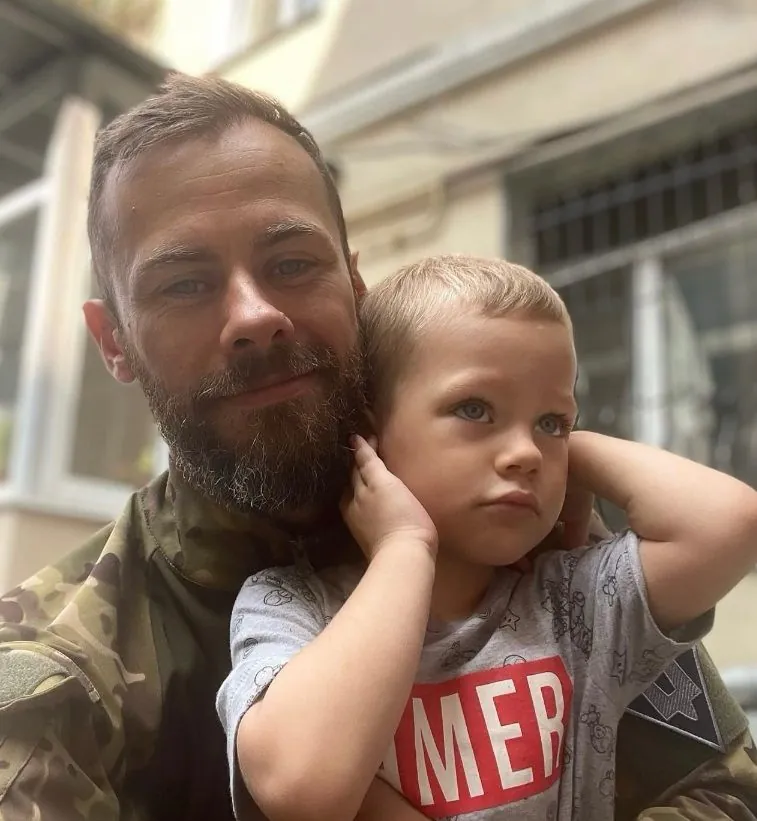
    Musician and soldier Yuriy Mielofon was killed on December 2 while performing a combat mission. He was known for creating remixes for the singer Lavika and active volunteer work since the beginning of the full-scale invasion.

    Musician Yuriy Miyelofon was killed in the line of duty. Ukrainian singer Lavika wrote about it on her Facebook page, according to UNN.

    The day before yesterday, on December 2, my musical friend Yuriy Myelofon was killed while performing a combat mission. We've known each other since 2012 and together we made remixes of Lavika's music tracks that conquered and set hearts on fire. And you've probably heard them and know them, you just don't know it's him, because I was in the videos. At the beginning of the full-scale invasion, Yura was the first of all my friends to write to me and ask what he needed in terms of volunteers. He lived in Odesa and somehow got his act together very quickly, while I was recovering and in a stupor. Yura did so many good deeds and even when he was at the front, he was always the first to write, asking how he was doing, and when my brother died, he agitated his entire battalion to go to Diia and publicize my petition to collect votes. He asked me not to give up in this case, because “my brother fought, and you should fight”

    – the post reads.

    Image

    “The last message was wishing me a happy birthday. Then there was his collection, which we closed. And now he is gone. I have a son, I have a family,” the singer writes.

    Recall

    27-year-old Captain Oleksandr Myhlya, an aviation commander, died on August 12, 2024 while performing a combat mission. The Mena community lost its defender, who was born on April 21, 1997.

  • Russian attacks across Ukraine kill 2, injure 6 over past day

    Russian attacks across Ukraine kill 2, injure 6 over past day

    Russian attacks across Ukraine kill 2, injure 6 over past day

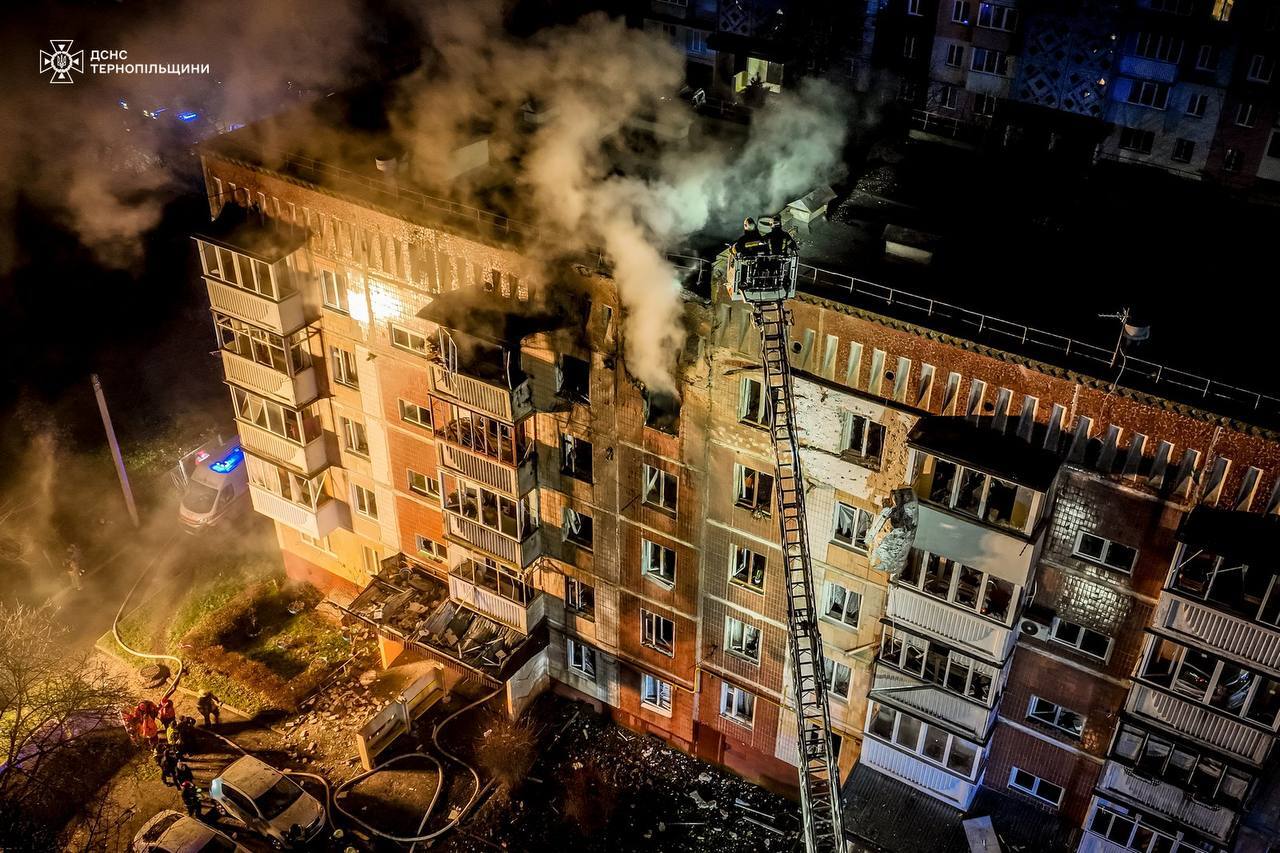
    Russian attacks over the past day killed at least two people and injured six others across Ukraine, regional authorities reported on Dec. 5.

    Ukraine’s Air Force intercepted 30 of 44 Russian drones launched overnight. Russia also fired two Iskander-M ballistic missiles during the assault, the Air Force reported.

    In Kharkiv Oblast, a Russian strike hit a residential area, killing a 40-year-old man. His mother and another woman suffered acute stress reactions. In Kupiansk, a drone strike wounded a 65-year-old man, who was hospitalized, Kharkiv Oblast Governor Oleh Syniehubov said.

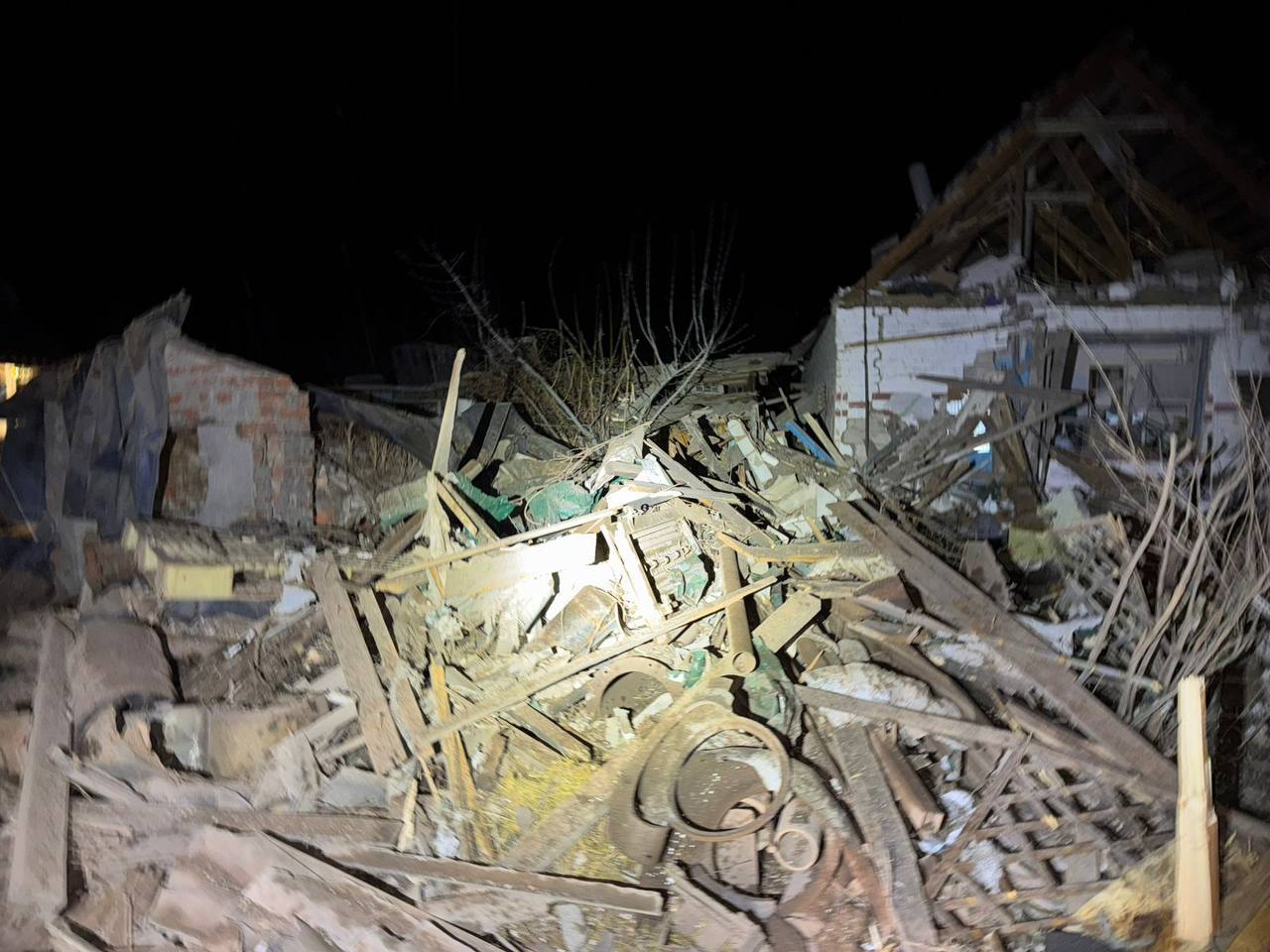
    In Dnipropetrovsk Oblast, Russian attacks killed an 88-year-old woman and injured a 64-year-old man. According to the Office of the Prosecutor General, the attack also damaged private homes and vehicles.

    In Donetsk Oblast, Russian forces wounded four residents—three in Kostiantynivka and one in Shevchenkove, Governor Vadym Filashkin said.

    Ukraine’s Air Force and Defense Forces intercepted drones targeting Kyiv, Kharkiv, Poltava, Sumy, Chernihiv, Cherkasy, Kirovohrad, Zhytomyr, Vinnytsia, Khmelnytskyi, and Odesa oblasts, where no casualties were reported.

    Russian drone strikes on Ukraine are surging — how bad can it get?For the third month in a row, the number of Shahed-type kamikaze drones launched by Russia at Ukraine surged to record levels. According to figures from Ukraine’s Air Force, Moscow deployed a total of 2,576 drones during November, up from 2,023 the month before. And the Kremlin clearlyRussian attacks across Ukraine kill 2, injure 6 over past dayThe Kyiv IndependentChris YorkRussian attacks across Ukraine kill 2, injure 6 over past day
  • Russian soldiers drown trying to land on Dnipro islands in Kherson – partisans

    Russian soldiers drown trying to land on Dnipro islands in Kherson – partisans

     Russian soldiers drown trying to land on Dnipro islands in Kherson - partisans

    Two soldiers from the 61st Marine Brigade of the Russian Federation were killed after a drone attack near Belogrudy Island. Partisans report frequent deaths of Russians due to poor training and difficult conditions.

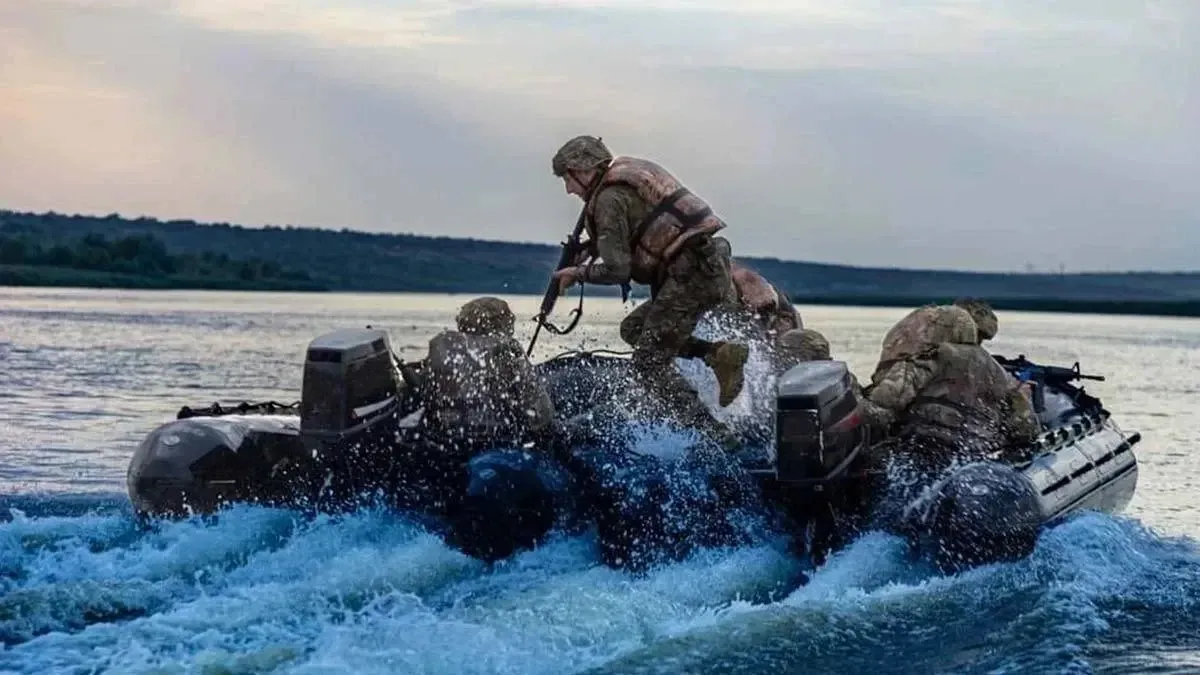
    Two Russian servicemen from the 61st Marine Brigade drowned after a drone attack during an attempt to land on the island of Bilohrudy in the Dnipro Delta, the ATES guerrilla movement reports, noting that such cases are not uncommon for Russians, UNN reports .

    An agent of the ATES movement from the 61st Separate Marine Brigade of the Russian Northern Fleet reports that soldiers from his unit recently drowned while trying to land on Bilohrudy Island in the Dnipro Delta. During the operation, two soldiers were hit by a drone, lost control, and fell from a jet ski, unable to get out

    – , the movement said in a statement.

    The guerrillas note that such cases are not uncommon in Russian troops due to poor or no training and difficult terrain conditions that soldiers are simply unable to cope with.

    Russian soldiers are demoralized, sent to the islands as punishment, and incidents like this further undermine their morale, the guerrillas say.

    Addendum

    The head of the Kherson RMA, Oleksandr Prokudin, in a commentary to the Financial Times , stated that the Russian occupiers want to launch an offensive on Kherson. They have gathered 300 boats to cross the Dnipro River.