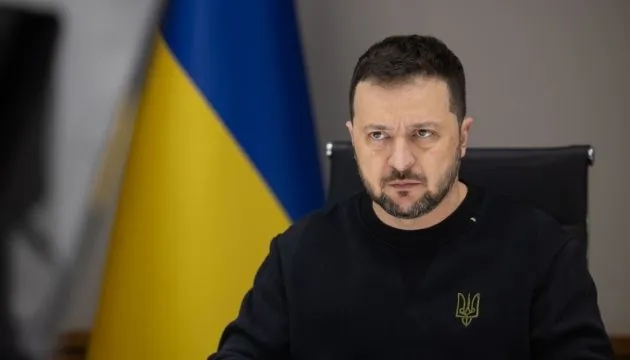
The President of Ukraine discussed strategic issues of international security with the head of the GUR. Zelenskyy announces sanctions against the Georgian government for its pro-russian stance.
"I held an important meeting with the head of the Main Intelligence Directorate, Kyrylo Budanov, where we discussed strategic issues related not only to Ukraine but also to international security." This was reported by the President of Ukraine Volodymyr Zelenskyy, UNN reports.
Details
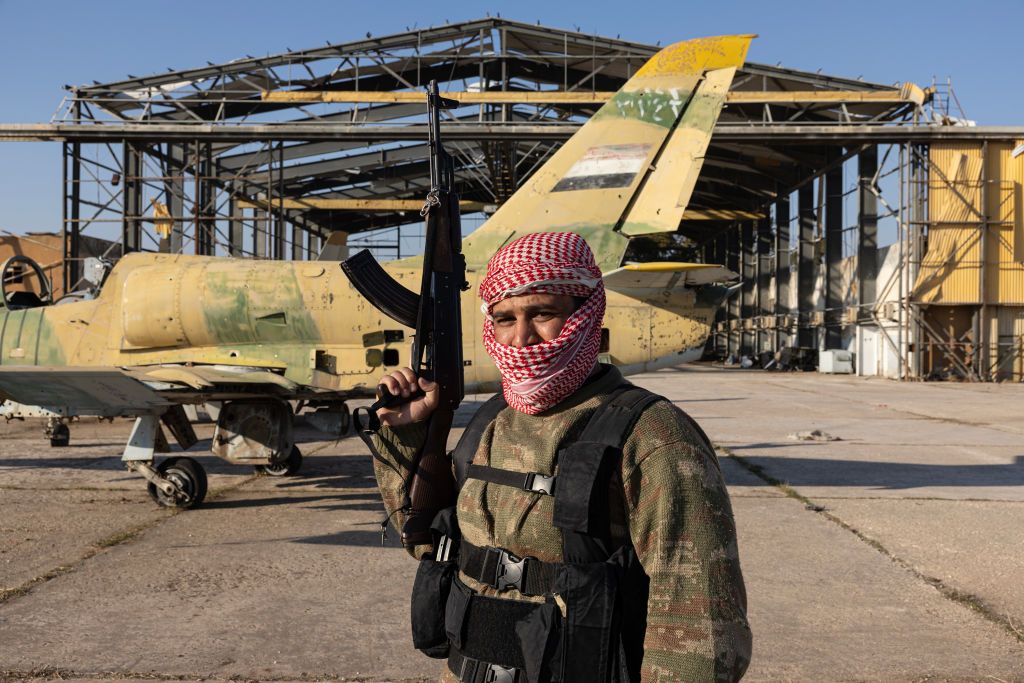
According to the president, Budanov reported on russia's intentions for the near future, as well as on the changing balance of power in Syria, which could affect the global situation. The situation in Georgia was discussed separately, where the current government is deliberately making the country dependent on a terrorist country.
It is simply shameful what they are doing against their own people. And when Moscow praises this government in Georgia, it clearly shows who they are working for in Tbilisi and for whom they are dispersing the protests. Definitely not for Georgia
– Volodymyr Zelenskyy noted.
Zelenskyy said that Ukraine would not stand aside.
We are preparing our legal response and working with the Europeans and other partners on specific actions. Instructed to prepare appropriate sanctions decisions
For the third month in a row, the number of Shahed-type kamikaze drones launched by Russia at Ukraine surged to record levels.
According to figures from Ukraine's Air Force, Moscow deployed a total of 2,576 drones during November, up from 2,023 the month before.
And the Kremlin clearly doesn't intend to let up on the relentless nightly assaults — speaking in September, Russian President Vladimir Putin said Moscow is planning to increase drone production "almost ten times" this year.
In 2023, the Russian army received about 140,000 drones of different types, according to Putin. This year, Putin said, Moscow wants to produce 1.4 million.
This begs the question: How bad could it get for Ukraine?
A chart showing how Russian drone strkes against Ukraine have surged in 2024 (Nizar al-Rifai/The Kyiv Independent)
Ukraine's air defenses, bolstered by Western-supplied systems such as Patriot and NASAMS, have become highly effective at defending cities from Russian mass missile attacks.
But due to the high price of missiles for such systems, which makes using them against relatively cheap drones highly inefficient, Ukraine developed, and relied on different methods to combat them.
"They have established an approach using mobile fire groups and a huge network of sensors of different types to detect and track these drones," Federico Borsari, a fellow at the Center for European Policy Analysis (CEPA), told the Kyiv Independent.
"They are using anti-aircraft guns and machine guns, even cheaper rockets, and these kinds of interception techniques are much more cost-efficient compared to Patriot and other types of air defenses."
Ukraine has also become more adept at using electronic warfare (EW) techniques to confuse and steer Russian drones in the wrong direction during attacks.
GPS spoofing involves manipulating or deceiving a drone's GPS receiver by transmitting fake signals, tricking it into thinking it's in the wrong location and heading elsewhere.
Using both mobile fire groups and EW, Borsari says that only around 5% of the drones launched by Russia actually make it through Ukraine's air defenses.
But he adds that just as Ukraine has adapted to defending against drone attacks, Russia is also adapting in turn.
When Russia first began deploying kamikaze drones to attack Ukraine in September 2022, Moscow used the imported Iranian-made Shahed-136 drones.
Since then, Russia has begun manufacturing its own Shahed-type drones and developing new variations.
A crater from the explosion of a Russian kamikaze drone remains near a children's outpatient clinic in the city's Dniprovskyi district on November 29, 2024 in Kyiv, Ukraine (Andriy Zhyhaylo/Obozrevatel/Global Images Ukraine via Getty Images)
Decoy, thermobaric, and shrapnel drones
According to recent reports, Russia has been able to produce a variety of kamikaze drones, among them decoy drones to deplete Ukraine's air defense, as well as thermobaric and shrapnel ones to inflict maximum damage.
The most significant, in terms of the size of attacks, is the number of decoy drones being employed by Russia.
Ukraine's military intelligence (HUR) reported on Nov. 18 that Russian forces are using cheap decoy drones with foreign components to overload Ukraine's air defense system.
These are reported to be a variation of the Gerbera drone. Made from materials such as plywood and foam, they are reportedly ten times cheaper than Iran's Shahed drone.
While some versions carry explosives or reconnaissance equipment, some are equipped with neither and are launched alongside their deadly counterparts in order to distract Ukraine's air defenses.
"Sometimes they're decoys, sometimes they're not — it's all meant to create more problems for Ukrainian air defenses and to waste a lot of resources in tracking, detecting, and engaging," Borsari said.
According to an investigation by the Associated Press (AP) on Nov.16, Russia has recently begun equipping some drones with thermobaric warheads, normally associated with missiles.
Thermobaric warheads create an intense wave of high pressure and heat that can lead to devastating injuries, including collapsed lungs, crushed eyeballs, and brain damage.
While controversial, thermobaric munitions are not prohibited under international law.
After a recent attack on the city of Sumy overnight on Nov. 22, Governor Volodymyr Artiukh said the drones used in the strike were equipped with shrapnel munitions.
In addition to the explosive power of the warhead, they blasted out ball bearings from the impact area. Two people were killed in the attack, and 12 others were injured.
"These weapons are used to kill people. Not to destroy structures, just to kill more people," Artiukh said in a video uploaded to the regional government's official Telegram channel.
Iranian-made unmanned aerial vehicles (UAV), the Shahed-136, which are equipped with jet engines, are carried by a truck during a military parade commemorating the anniversary of the Iran-Iraq War (1980-88) outside the Khomeini Shrine in the south of Tehran, Iran, on September 21, 2024 (Morteza Nikoubazl/NurPhoto via Getty Images)
Russian drone production
The main limiting factor in the size of the drone attacks that Russia can launch is how many of them it can produce, Sascha Bruchmann, a military analyst at the London-based International Institute for Strategic Studies, told the Kyiv Independent.
Russia's main Shahed-type drone production plant is believed to be located in the Alabuga Special Economic Zone in the central Republic of Tatarstan.
Originally, it was intended to manufacture 6,000 drones a year, but a report from the Wall Street Journal (WSJ) in May said it was way ahead of schedule and had produced 4,500 by the end of April.
Ukraine has targeted the plant, successfully hitting it with a long-range drone strike at the beginning of April, but Bruchmann said that given the increase in drone attacks in recent months, it didn't significantly disrupt operations.
"I guess what we're seeing now means that the factory is running again," he said.
According to Borsari, this likely means "we will see potentially even higher numbers per day of drones launched against Ukraine in the coming weeks," though he adds it isn't certain that Russia can obtain enough components to keep up with demand in the longer term.
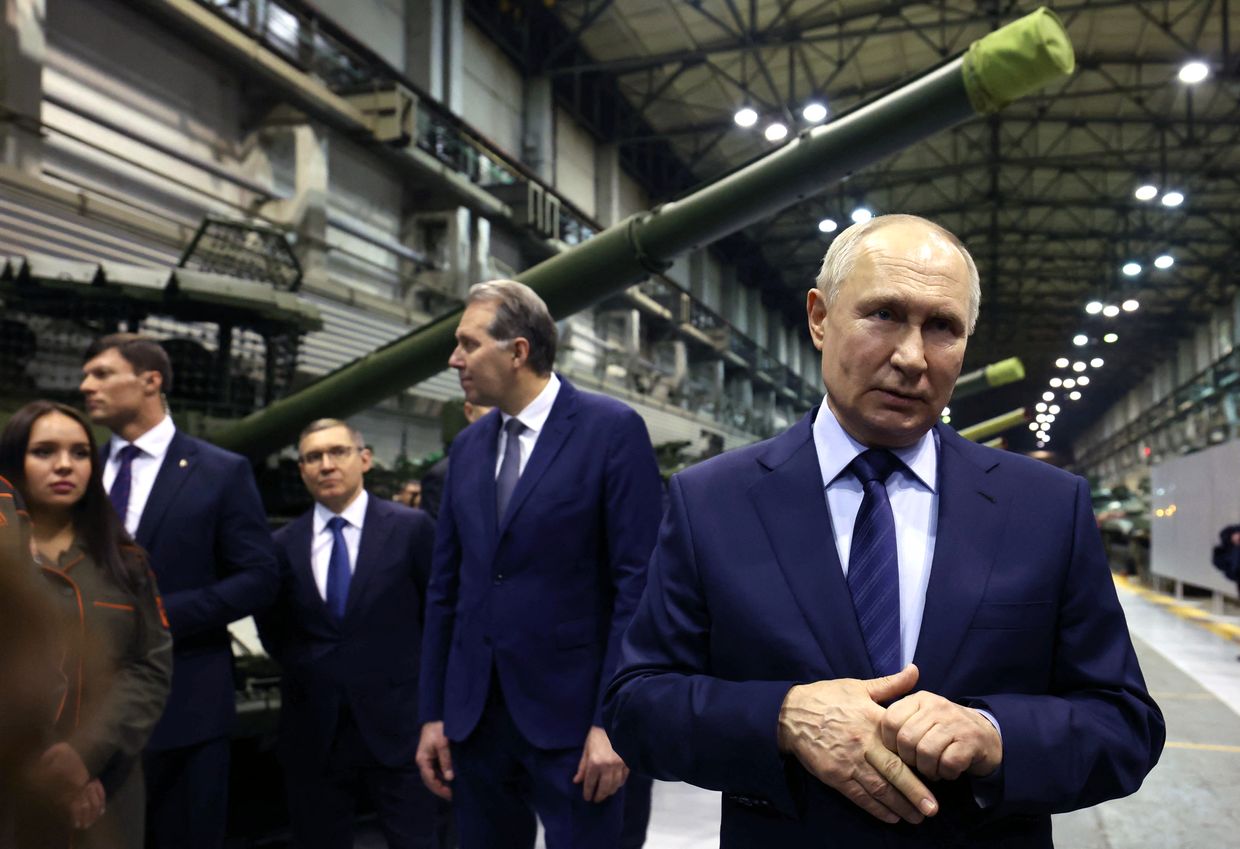
Russian President Vladimir Putin observes an exhibition of Orlan-10 UAV drones at the Special Technology Center on September 19, 2024 in Saint Petersburg (Contributor/Getty Images)
Last month, President Volodymyr Zelensky called for tougher sanctions against the providers of components used in Russian drones.
Russia continues to avoid sanctions through the use of sanctions evasion networks and shell companies. Russia is also aided in sanctions evasion through its allies, including China, Iran, and North Korea.
"Microchips, microcontrollers, processors, and many other parts are essential for enabling this terror," Zelensky said.
Borsari said that by managing to circumvent current sanctions, Russia will be able to "keep a steady supply of components, not without difficulties, of course."
"I expect (the number of drones being used in attacks) to remain at this level, if not, go up in the coming weeks," he added.
But Bruchmann said it was too early to tell if any further rise in numbers is a long-term trend, adding there's the possibility that Russia is deploying stockpiles ahead of Donald Trump entering the White House in January.
"I wouldn't panic just yet," he said, adding the increase in numbers could be laying the ground for any negotiations led by the U.S. between Kyiv and Moscow.
"Putin is basically telling (the U.S.) 'I can escalate too, and this is not going to be as easy.'
"So it's too early to tell if this is a longer-term trend."
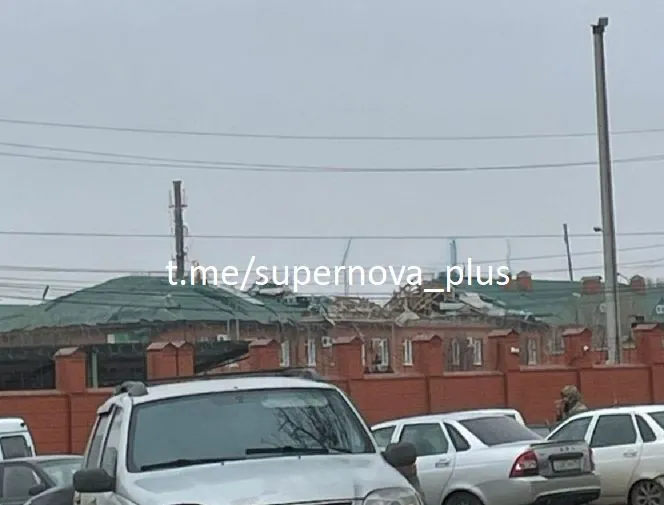
A Ukrainian drone has struck the building of the Akhmat Kadyrov special police regiment in Grozny. Ramzan Kadyrov confirmed the attack.
Chechen head Ramzan Kadyrov confirmed the morning attack on Grozny, UNN reports citing the ASTRA Telegram channel.
According to Chechen President Ramzan Kadyrov, a Ukrainian drone attacked the center of Grozny and hit the roof of the building of the Akhmat Kadyrov special police regiment. Kadyrov claims that civilians were injured in the attack, but did not name the number.
According to Kadyrov, Ukraine is behind the attack.
Recall
Today, December 4, in the Chechen capital, Grozny, a drone struck the barracks of Ramzan Kadyrov's special forces regiment in Grozny.
Akhmat Kadyrov Regiment
The 141st Akhmat Kadyrov Special Motorized Regiment is a unit of the North Caucasus District of the Russian National Guard, located in the city of Grozny. The regiment is part of the Separate Order of Zhukov Operational Brigade. It is the representatives of this regiment who are usually referred to as "Kadyrov's men".
Created on the basis of the 248th Special Motorized Battalion "North", this regiment also provides personal protection for Chechen head Ramzan Kadyrov.
The unit has been involved in the Russian invasion of Ukraine since 2022.
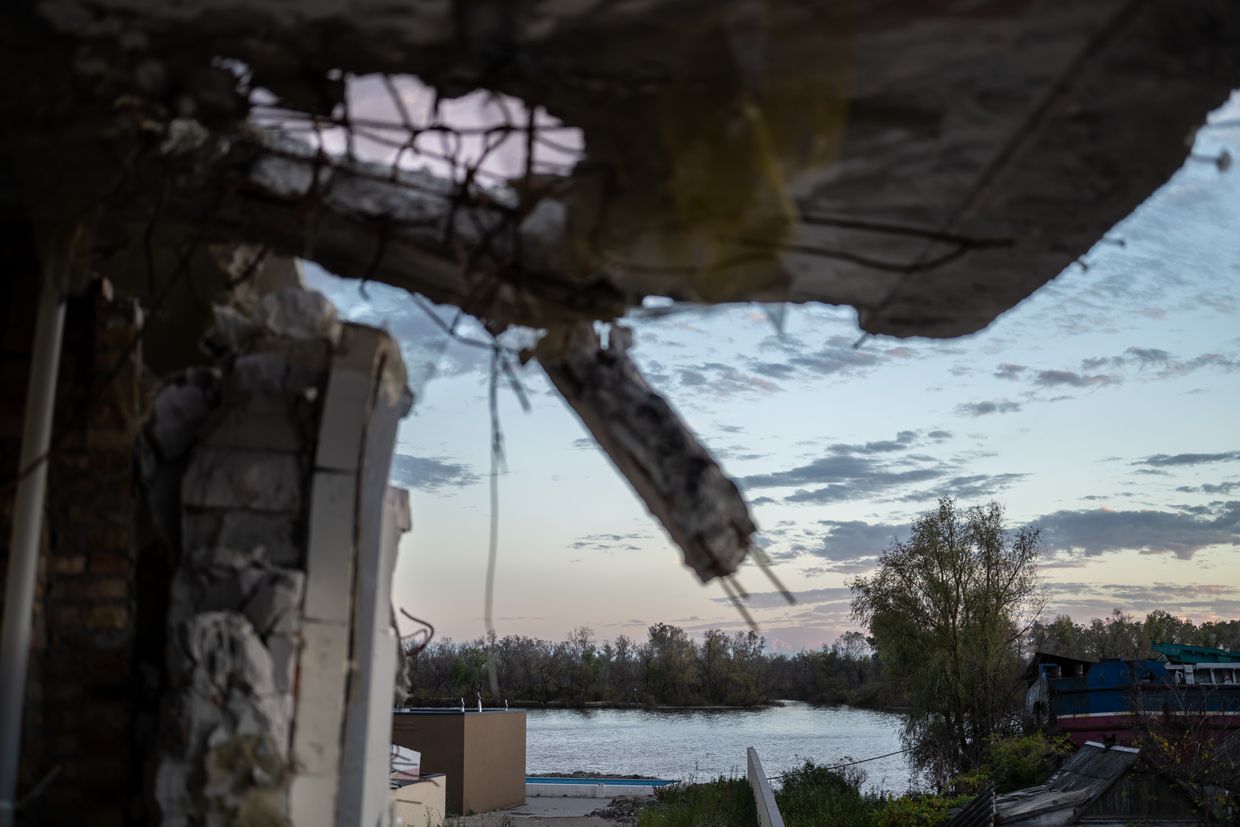
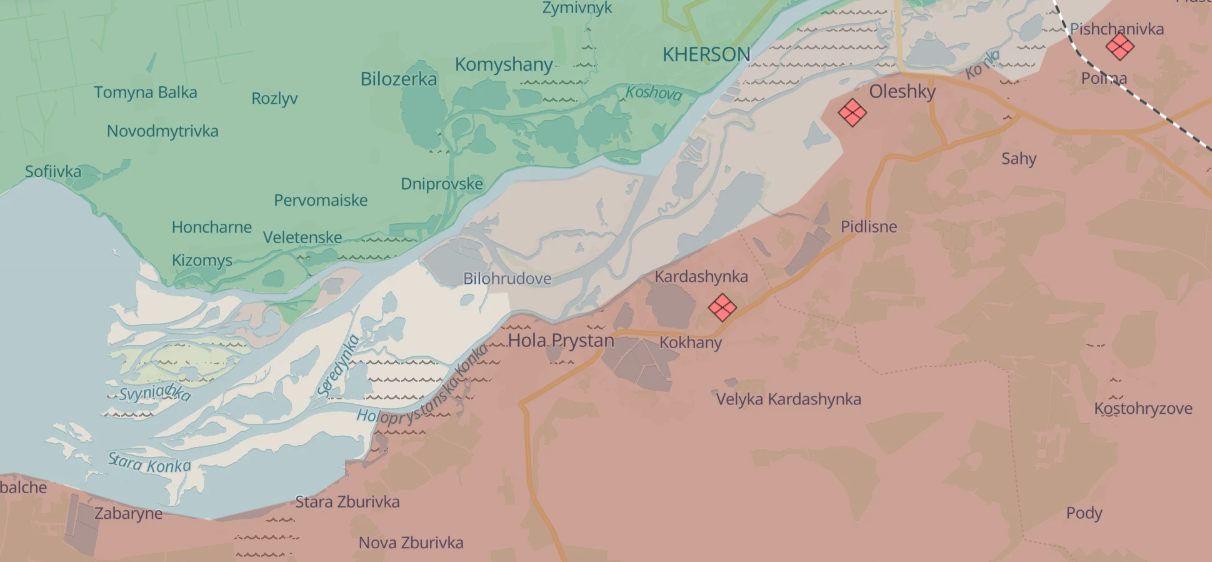
Russian troops are storming the Kherson direction in an attempt to gain a foothold on some islands in the Dnipro River delta, Vladyslav Voloshyn, the spokesperson for the Ukrainian military's Southern Command, told Suspilne on Dec. 4.
Russian forces are trying to conduct attacks near the Kozatskyi and Kruhlyk islands, Voloshyn said.
His comments came after Kherson Oblast Governor Oleksandr Prokudin told the Financial Times that Russia "wants to launch another offensive" in the direction of Kherson.
Kherson and other regional settlements west of the Dnipro River have been subjected to near-daily Russian strikes since Ukraine liberated the area in November 2022, and Russian troops were pushed to the river's east bank.
Russia has assembled "300 boats to cross the river" Prokudin said in an article published earlier on Dec. 4.
The estimated advance of Russian forces in Kherson Oblast as of Dec. 3, 2024, according to DeepState. (DeepState/OpenStreetMaps)
Voloshyn confirmed this claim, adding that Moscow's attack attempts have failed and resulted in losses.
"Their goal is to capture a certain foothold, hold it and bring as much of our forces and means as possible," he said.
Russia is now training its forcing assault groups in occupied territories of Zaporizhzhia and Kherson oblasts, the spokesperson said, citing Ukraine's intelligence data.
According to Voloshyn, Moscow's troops are practicing how to cross water obstacles and transfer landing groups.
"There has not been a single successful attempt at this assault or enemy crossing in a month. The Ukrainian Defense Forces are now reliably defending the city of Kherson and Kherson Oblast, and the entire right bank," Voloshyn told Radio Free Europe/Radio Liberty (RFE/RL).
Throughout 2024, Ukraine has faced a challenging situation in its defense of the front line, particularly in Donetsk Oblast, where Russia has consistently concentrated its offensive potential.
Ukraine has also been building heavy fortifications near the southern city of Zaporizhzhia in preparations for a potential Russian offensive in the region.
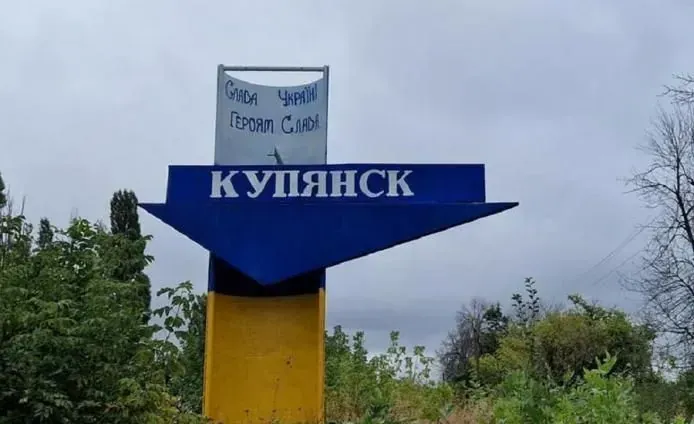
Russian forces attempted a breakthrough to Kupiansk with equipment and infantry. Ukrainian troops destroyed the enemy forces that were trying to entrench before the arrival of reinforcements.
Today, December 4, Russian troops made an attempt to break through to Kupiansk with equipment and infantry, but the Ukrainian military "worked well", reported the head of the Center for Countering Disinformation of the National Security and Defense Council of Ukraine Andriy Kovalenko, writes UNN.
The Russian army really made an attempt to break through to Kupiansk today. Several pieces of equipment and infantry went on the offensive and were destroyed by our forces. Now the enemy on the front line is generally making such attacks, trying to break through to the residential sector or the outskirts, land a landing force and consolidate before reinforcements arrive. Our warriors worked well today
– said Kovalenko.
Supplement
On the front line during the past day, December 3, there were 192 combat clashes. The number of combat clashes per day in the Kupiansk direction reached thirteen. The defense forces repelled the attacks of the occupiers in the areas of Lozova, Stelmakhivka, Kolisnykivka and Pershotravneve.
The media blitz following Russia’s strike on Dnipro with a new type of intermediate-range ballistic missile (IRBM) on Nov. 21 was a carefully staged stunt designed to scare off the West, the Moscow Times reported on Dec. 3, citing four Russian official sources.
The attack alarmed and puzzled civilians and international observers, who got used to Russia’s nuclear saber-rattling that has been ongoing since the beginning of the war.
Later on Nov. 21, Putin said in a televised address that the attack was a test of Russia's "newest missile," an IRBM called Oreshnik.
During a press conference, Russian Foreign Ministry spokeswoman Maria Zakharova took a call on stage. The microphones overheard a man saying "not to comment" on questions regarding the new missile.
This was all part of a plan to scare the West into submission, the Moscow Times reported, citing its sources.
The propaganda offensive was coordinated between government, military, and intelligence officials, as well as PR experts, the outlet wrote. It came as a response to the West's decision to permit Ukraine to strike inside Russia with Western long-range arms.
"This show, which was staged and presented to the public," was composed of the actual Oreshnik strike, dissemination of footage on social media, and foreign media coverage, a Russian official told the Moscow Times.
Speaking to the outlet, experts expressed skepticism about the feasibility of mass-producing the Oreshnik, saying that the weapon is still being tested and Russia lacks the technological means to mass-produce such a weapon.
This undermines a later threat by Putin that he might strike "decision-making centers" in Kyiv by the new Oreshnik.
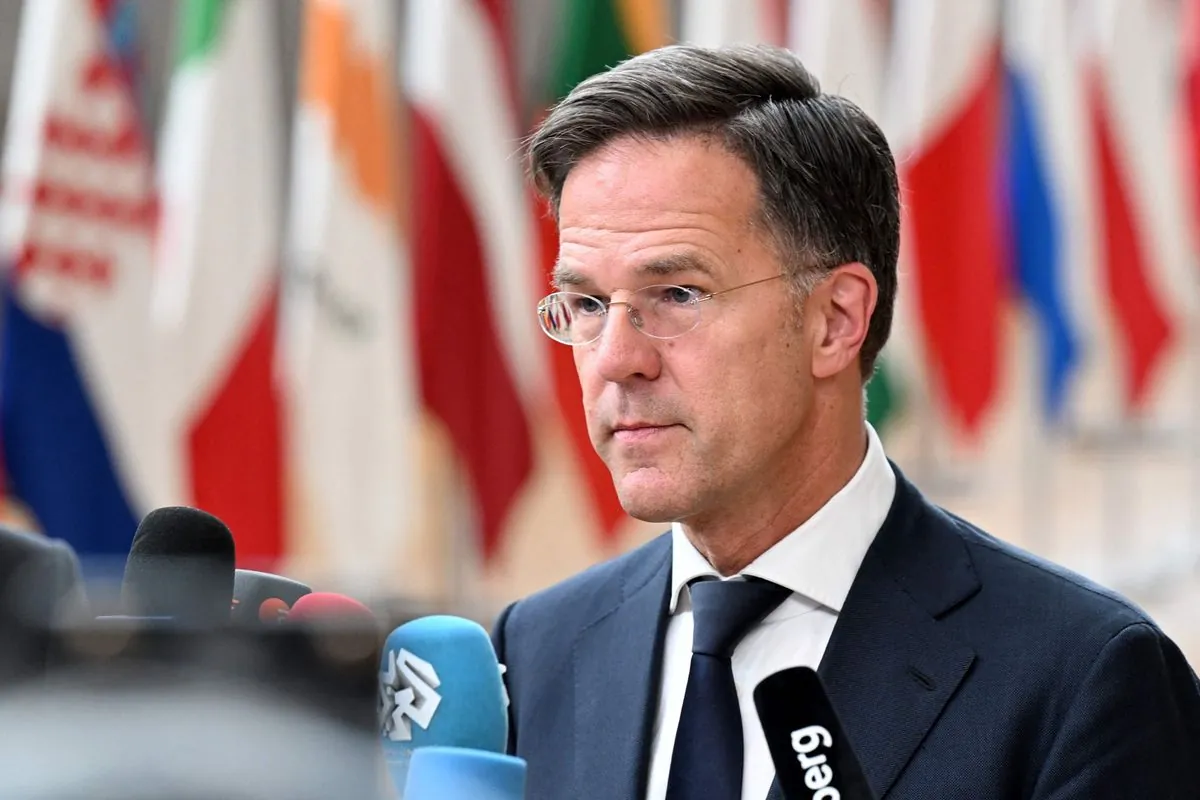
NATO Secretary General Mark Rutte stated that there is an exchange of military assistance between the Russian Federation and the DPRK. Russia is receiving troops and weapons, while in return it is helping the DPRK develop its missile and nuclear programs.
NATO Secretary General Mark Rutte stated that in exchange for troops and weapons, Russia is providing the DPRK with support in the implementation of its missile and nuclear programs. Rutte emphasized this following the second day of meetings of NATO foreign ministers in Brussels, reports UNN.
The increasingly close interaction between Russia, China, North Korea and Iran underscores the global nature of the threats we face. In particular, the escalation of dangers associated with the ongoing war in Ukraine. In exchange for troops and weapons, Russia is providing North Korea with support in the implementation of its missile and nuclear programs. These events could destabilize the situation on the Korean Peninsula and even threaten the United States
– said Rutte.
The NATO Secretary General pointed out that this could be the most difficult winter for Ukraine since 2022. According to him, the NATO-Ukraine Council meeting the day before discussed what else allies could do to ensure critical ammunition and air defense means.
"Allies are working to fulfill the financial promise to allocate 40 billion euros to assist in ensuring Ukraine's security in 2024. And I expect that the new command in Wiesbaden, the NATO Security Assistance and Training Management Office for Ukraine, will be fully operational by the end of this year", Rutte said.
Participation of the DPRK military in the war will have a huge impact on Asia – President of UkraineDec 2 2024, 08:43 AM • 18757 views
Addition
Russia and the DPRK have significantly strengthened their military ties in recent months. In June of this year, the DPRK and Russia signed a comprehensive strategic partnership agreement.
Ukraine is working with NATO to supply 20 air defense systems by the end of the year – SibigaDec 4 2024, 11:15 AM • 12835 views
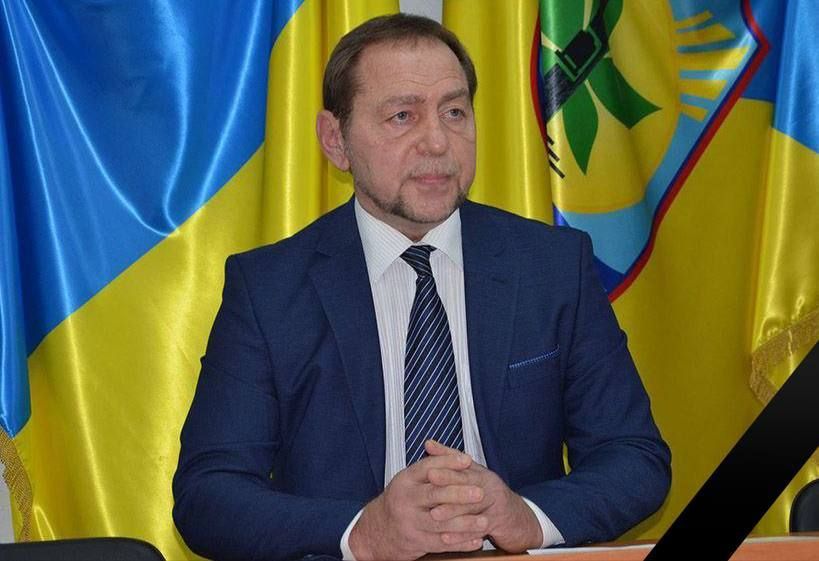
Yevhenii Matvieiev, the mayor of the occupied Dniprorudne town, was tortured to death in Russian captivity, Zaporizhzhia Oblast Governor Ivan Fedorov said on his Telegram channel on Dec. 4.
"People are the most valuable thing we are losing in this merciless war waged by the terrorist country of Russia," the governor said.
Russian forces occupied the southeastern town of Dniprorudne in Zaporizhzhia Oblast during the early days of the war, taking the mayor to captivity and submitting him to torture, Fedorov said.
Matvieiev spent two years and eight months in captivity before dying. His body was returned to Ukraine during the latest exchange.
"Yevhenii was a true patriot, not indifferent to the fate of his country and his community. He always worked with people and for people, listened, and helped everyone who needed it," Fedorov said.
"During the occupation, he did not leave the town or the people, did everything to ensure the (continuation of the) life of the community, constantly informed the population about the course of events and supported them."
Russia's occupation has been accompanied by widespread human rights abuses, including torture and murder of civilians. Mass kidnappings were not uncommon in Russian-occupied territories in the early days of the war and reached its apogee with the abduction of 20,000 children.
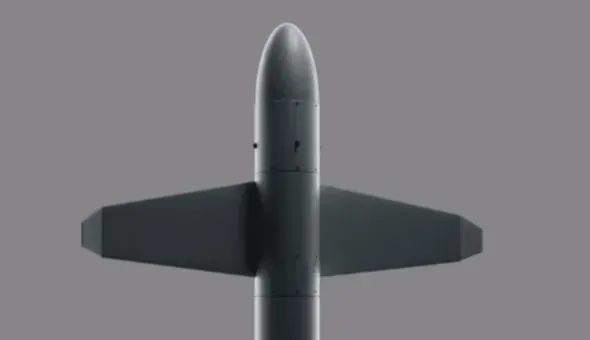
A Ukrainian startup has started mass production of the Palyanitsa drone rocket with the support of the Ministry of Defense. The missile has a range of 700 km and a cost of less than 1 1 million, and Lithuania has allocated 10 million euros for its production.
A Ukrainian startup has successfully implemented the Palyanitsa rocket project, which has already been put into mass production. This was written by the minister of defense of Ukraine Rustem Umerov in a blog on LB, reports UNN.
"The new startup has implemented the Palyanitsa rocket project, which has already entered mass production thanks to the support of the Ministry of Defense.This is a vivid example of how the state and the private sector unite to achieve a common goal," Umerov wrote.
recall
On August 24, 2024, President of Ukraine Volodymyr Zelensky announced the first and successful combat use of a new Ukrainian weapon – the Palyanitsa drone missile.
The president did not give all the characteristics, but noted that "Palyanitsa" is much faster than long-range drones and more powerful.
Later , the minister of digital transformation of Ukraine Mikhail Fedorov announced the cost, which is less than.1 million. According to AP, the missile has a range of up to 700 km, which allows it to reach at least 20 Russian airfields.
And the partner country Lithuania has allocated 10 million euros for the production of Ukrainian long-range drones "Palyanitsa".
The European Parliament has long upheld democracy, human rights, international law, and peace. This tradition has been especially evident in its robust response to Russia’s aggression against Ukraine. As the Parliament enters its 2024-2029 term, we examine its political stance over the past two years and assess what Ukrainians can expect moving forward.
Following Russia’s unprovoked invasion of Ukraine in February 2022, the European Parliament responded decisively. It condemned the war in the strongest terms, decrying atrocities such as the deportation of Ukrainian civilians, including children, and the abuses in so-called "filtration camps." It also rejected Russia’s illegal annexation of Ukrainian territories and denounced the sham referendums held in occupied regions.
In November 2022, the Parliament designated Russia as a state sponsor of terrorism and condemned its use of terrorist tactics. It also recognized the Holodomor, the Soviet-orchestrated famine of the 1930s, as genocide.
The Parliament consistently pushed for accountability, advocating for the establishment of a special international tribunal to prosecute Russian leaders for war crimes. It also passed multiple resolutions supporting Ukraine’s sovereignty and calling for closer EU-Ukraine ties, including a June 2022 resolution urging the European Council to grant Ukraine EU candidate status. These actions enjoyed widespread support, with votes typically ranging from 470 to 520 in favor out of 705 members.
Despite predictions of upheaval, the 2024 European Parliament elections did not result in dramatic changes. While Euroskeptic and far-right parties gained ground, they remain a minority. Pro-Ukraine groups — including the center-right European People’s Party (EPP), the center-left Socialists, the liberal centrist Renew Europe, and the Greens — retain a commanding majority of over 400 seats out of 720.
The new Parliament reaffirmed its commitment to Ukraine in its first resolution of July 2024, calling for continued military aid and condemning Hungarian Prime Minister Viktor Orbán’s visit to Moscow. It also emphasized the need to maintain and expand sanctions against Russia and Belarus. This resolution passed with 495 votes in favor, 137 against, and 47 abstentions.
Subsequent resolutions underscored this pro-Ukraine stance. In September 2024, the Parliament urged lifting restrictions on Ukraine’s use of Western weapons against Russian targets. In October, it approved a 35-billion-euro ($36.9 billion) loan to Ukraine, financed by revenues from frozen Russian assets. By November, it demanded stricter sanctions against Russia’s shadow fleet, which is involved in circumventing sanctions on crude oil.
These actions highlight the Parliament’s unwavering support for Ukraine’s sovereignty, territorial integrity, and EU integration aspirations. This support is expected to translate into backing for Kyiv’s funding needs, accession steps, and favorable political resolutions.
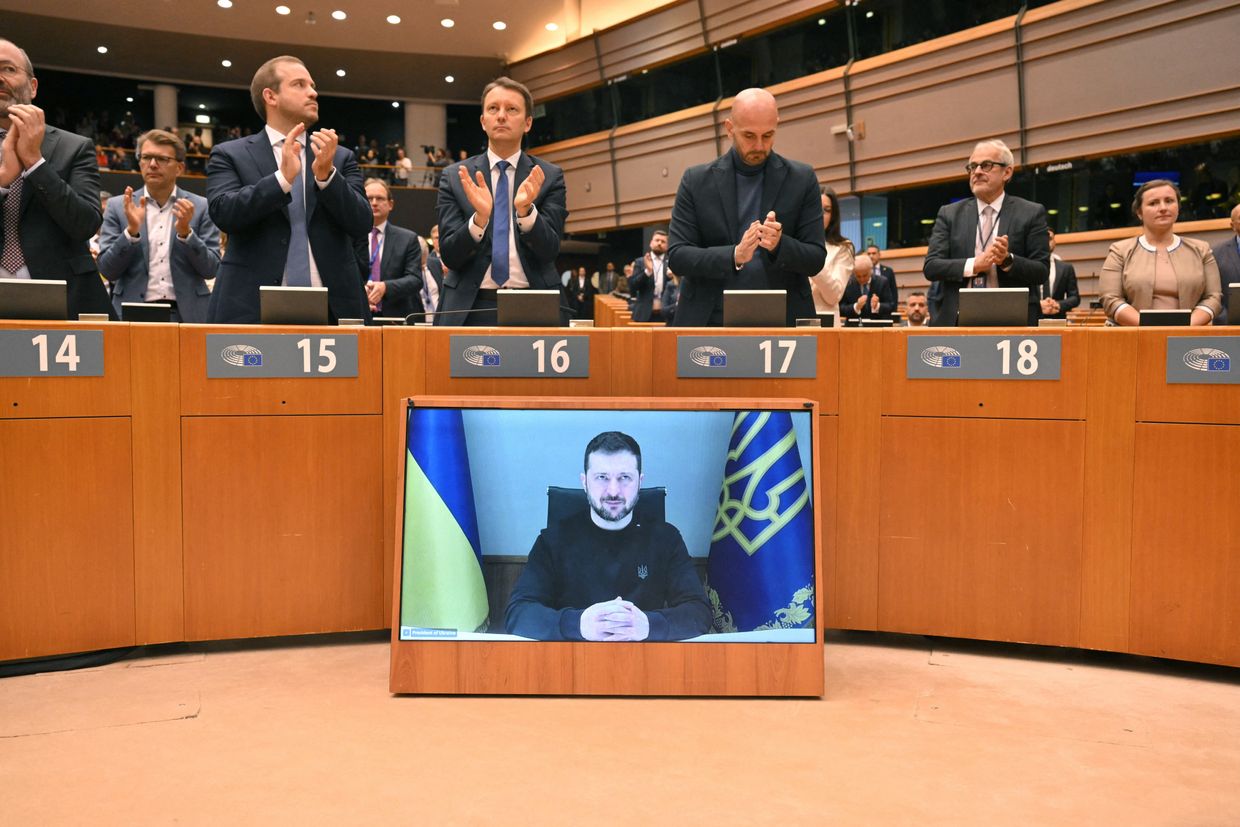
Members of the European Parliament give a standing ovation ahead of a video address by Ukrainian President Volodymyr Zelensky (on screen) in Brussels on Nov. 19, 2024, marking the 1,000th day of Russia's invasion. (Nicolas Tucat/AFP via Getty Images)
Several key factors will shape the European Parliament’s future actions regarding Ukraine:
First, reforms in Ukraine. The Parliament will closely monitor Ukraine’s progress on economic, political, and judicial reforms, particularly anti-corruption efforts. The European Commission’s regular reports on these reforms will significantly influence parliamentary decisions.
Second, EU public opinion. Public support for Ukraine’s EU integration varies across member states. War fatigue, migration challenges, and shifting media narratives could sway public sentiment, influencing how Members of the European Parliament (MEPs) vote on Ukraine-related issues.
Third, EU relations with Russia and global powers. While an EU-Russia rapprochement seems unlikely, changes in U.S. foreign policy — such as a friendlier stance toward Russia under a potential Trump administration — could lead the European Parliament to adopt a firmer stance against Moscow.
Fourth, economic cooperation. Deepening economic ties through the EU-Ukraine free trade agreement will likely bolster support for Ukraine within the Parliament, as successful trade integration strengthens mutual interests.
And fifth, the war’s outcome. The trajectory of Russia’s war against Ukraine remains the most significant factor. Developments on the battlefield, whether advances, ceasefires, or escalations, will directly impact parliamentary priorities and decisions.
The European Parliament is poised to maintain its strong support for Ukraine’s sovereignty and EU integration ambitions. However, this commitment will depend on Ukraine’s ability to implement necessary reforms, shifting public opinion within the EU, evolving geopolitical dynamics, and the outcome of the war. Over the next five years, the Parliament must navigate these challenges while upholding its principles of democracy and international law.
Editor’s Note: The opinions expressed in the op-ed section are those of the authors and do not necessarily reflect the views of the Kyiv Independent.
Submit an Opinion
Stay warm with Ukrainian traditions this winter. Shop our seasonal merch collection.




 The Kyiv IndependentAsami Terajima












 shop now