Category: War in Ukraine

Last news • War in Ukraine

  • 1,000 days of full-scale war: Reflections from the Kyiv Independent team

    1,000 days of full-scale war: Reflections from the Kyiv Independent team

    1,000 days of full-scale war: Reflections from the Kyiv Independent team

    As we mark 1,000 days since Russia launched its full-scale invasion of Ukraine, members of the Kyiv Independent’s staff have paused to reflect. These reflections offer a glimpse into the profound impact of war — not only on a nation’s struggle for survival but on those who bear witness to its unfolding.

    Francis Farrell

    War reporter

    Although I was in Lviv when the full-scale war started, the first months of the war were something I experienced mostly from the outside — through news, at a safe distance from the front line. Those first months had a frantic, superlative energy to them: a time of heroes and legends, but also of horrors and depravity we thought impossible in the 21st century.

    I joined the Kyiv Independent during the season of liberations — a time that remains the most powerful experience of my life. Light and dark existed together: the unbridled jubilation of Kherson’s liberation made possible by what Russia had put the city through — the tortured, the deported, the stolen, the murdered. Even now, my iPhone suggests musical slideshows of “The Great Outdoors: Autumn 2022,” filled with pictures of the mass graves in Izium.

    Light and dark existed together: the unbridled jubilation of Kherson’s liberation made possible by what Russia had put the city through.

    Back then, we all thought that the next big counteroffensive was just around the corner, and we screamed at the West to act with greater courage and urgency. We knew the road ahead wouldn’t be easy, but we didn’t anticipate what came next.

    First, Bakhmut: Russia’s dress rehearsal for wave attacks paired with the complete annihilation of cities. Then, the summer counteroffensive, which had taken on such a biblical weight in the lead-up that it left me with a pit in my stomach before it even started.

    The counteroffensive taught me some important lessons — the greatest being the danger of wishful thinking and the necessity of clinging tightly to reality while navigating the darkness of war. Since then, the darkness has only deepened: realizing the West’s fear of Ukrainian victory, reckoning with Kyiv’s failure to fix internal issues in the military that could turn a stable defense into collapse, and understanding that no amount of individual heroism can stop a glide bomb.

    Now, winter is coming, bringing with it what feels like a reckoning for Ukraine and the free world. It’s a bit hard to see the light at the end of the tunnel at the moment. But, in the meantime, there’s no shortage of light to be found around the place — in Ukrainians, and especially in Ukrainian soldiers, thanks to whom I can still type this out in free Kyiv.
    1,000 days of full-scale war: Reflections from the Kyiv Independent team
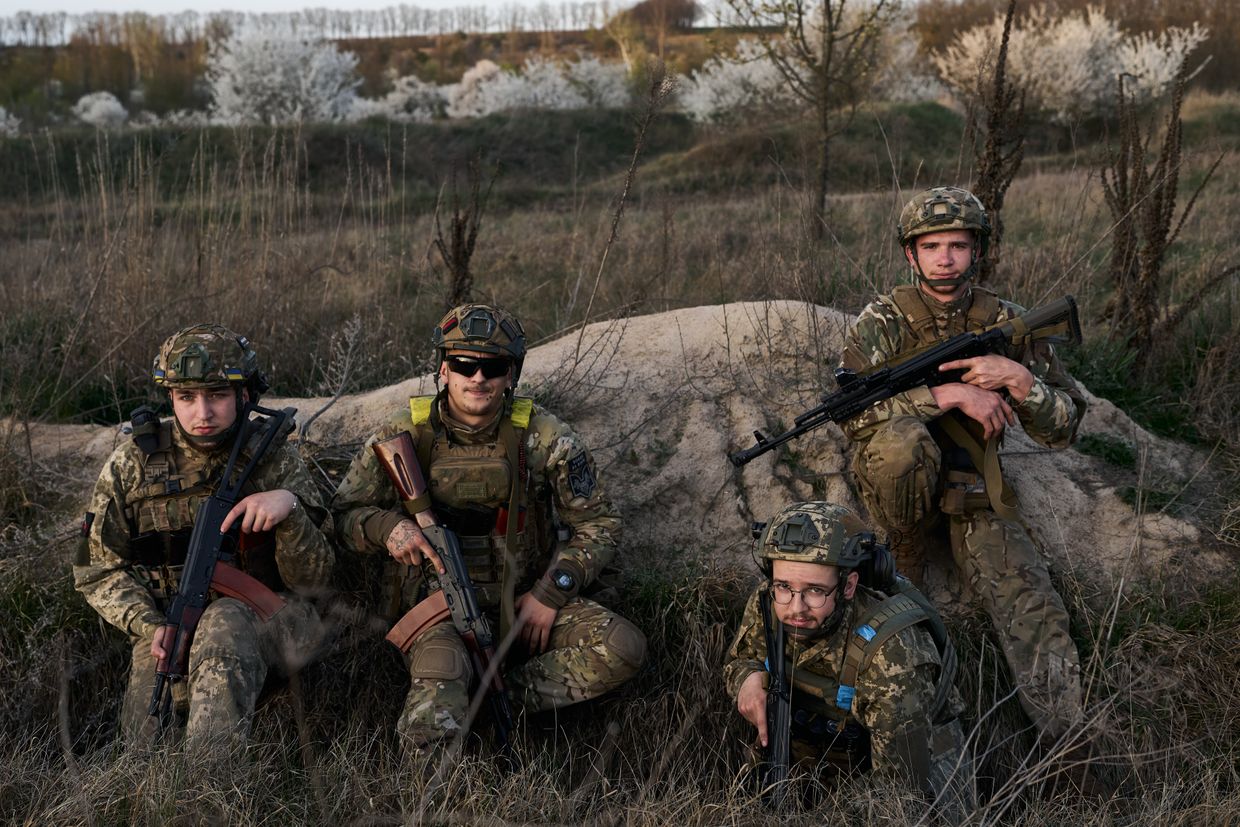
    Young soldiers of the "Da Vinci Wolves" battalion who recently joined the Armed Forces of Ukraine pose in ammunition during orientation training as Ukrainian soldiers undergo training before being sent to the front in Ukraine on April 8, 2024. (Kostiantyn Liberov/Libkos/Getty Images)

    Anna Belokur

    Social media manager
    One thousand days ago, I woke up in Helsinki, Finland, to a phone full of messages. The top one just said, “I’m so sorry.”

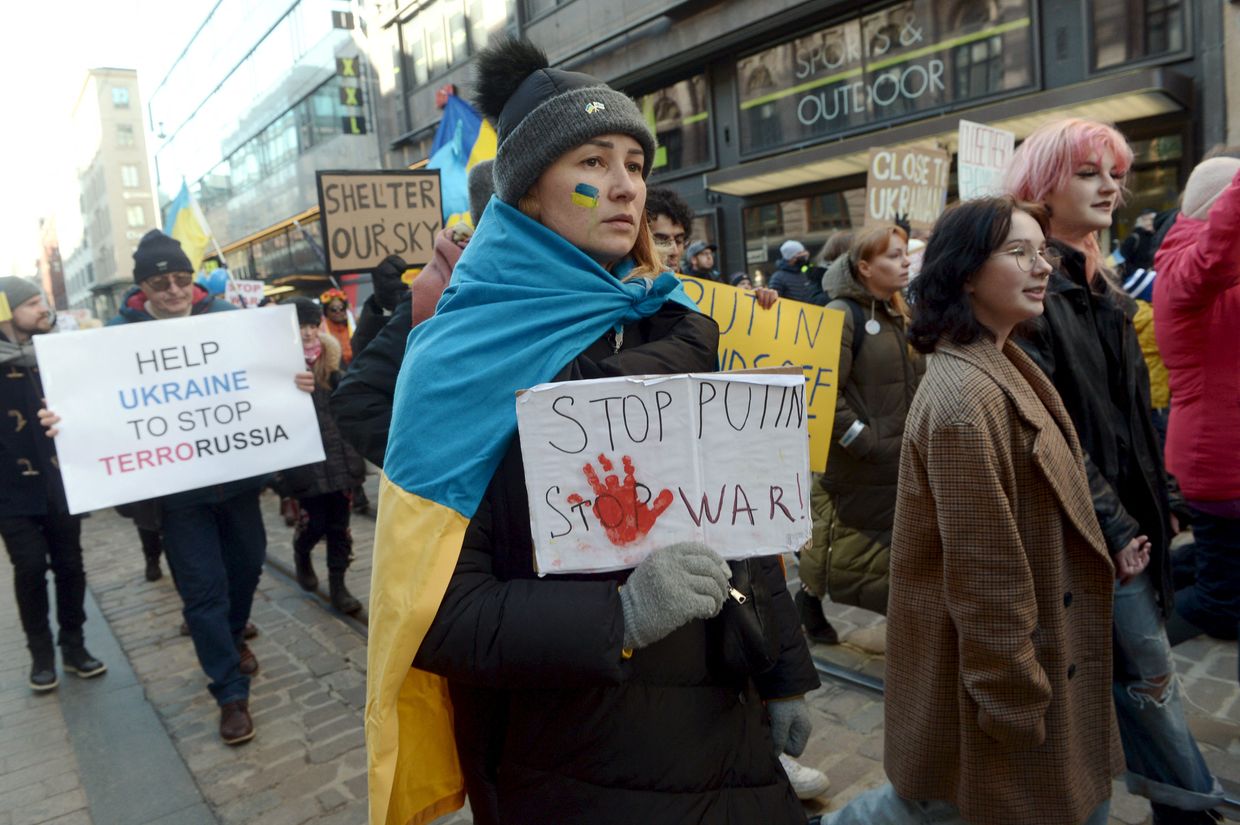
    My friends and I joined hundreds of others holding signs outside the Russian embassy, standing in the snow and dark after the sun set in the early afternoon. Every time someone peeked through the embassy’s blinds, the crowd would scream angrily.

    Finns are deeply reserved people who rarely make eye contact with strangers, but in the days that followed, other dog walkers began nodding at me and exchanging startled looks when cars backfired. There was a heightened awareness that Finland’s trademark peacefulness is a gift, not a guarantee.

    There was a heightened awareness that Finland’s trademark peacefulness is a gift, not a guarantee.

    Finns — like Ukrainians, Latvians, and a handful of others — have a joke: they don’t have to deal with deadly insects or hurricanes, but they suffer from the greatest natural disaster of all — sharing a border with Russia.

    Finland has defenses woven into every part of society, from the spots under ordinary bridges designed for detonating explosives to the mandatory year of military service required of every Finnish man.

    One man told me that training exercises are always based on the assumption of an attack from the east. I don’t know a single Finn who wants to fight, but I also don’t know a single one who isn’t prepared to.

    Feb. 24, 2022, is the only time I ever heard Finns scream in anger. Writing this from Kyiv 1,000 days later, I draw strength from the fact that Ukraine still has allies who understand what’s at stake. These are nations that have closed their borders with Russia, advocated against any form of appeasement, and trained to defend against attacks from the east. Just as I wasn’t alone that day, we aren’t alone now.
    1,000 days of full-scale war: Reflections from the Kyiv Independent team
    Protestors show their support for Ukraine as they take part in a demonstration against Russia's invasion of Ukraine, in Helsinki, Finland, on March 5, 2022. (Mikko Stig / Lehtikuva / AFP via Getty Images)

    Anastasiia Mozghova

    War Crimes Investigations Unit’s executive producer

    Today marks the 1,000th day of the full-scale invasion, but the war in my country has shaped nearly half my life.

    When the war began in 2014, I was in middle school. Growing up in Donetsk Oblast, I remember those early days vividly — a child surrounded by adults grappling with the reality of Russian terror.

    The news of the full-scale invasion came while I was in university in Bulgaria. By then, the decision to return to Ukraine after graduation felt natural. Now an adult, it's my turn to confront the terror.

    Now an adult, it's my turn to confront the terror.

    I do so as part of the Kyiv Independent’s War Crimes Investigations Unit. In these 1,000 days, the Russian army has committed thousands of war crimes. My team works tirelessly on cases of sexual violence, torture of prisoners of war, civilian murders, and child deportation.

    People often ask if I’m exhausted by the constant exposure to such horror. My answer: my motivation outweighs the exhaustion. Justice is an essential part of Ukraine’s victory. It will come when the voices of war crimes victims are heard, and the names of perpetrators are spoken clearly and without fear.

    Ultimately, our unity and determination will decide whether my children’s generation will have to face Russian terror. My hope is that they never will.
    1,000 days of full-scale war: Reflections from the Kyiv Independent team
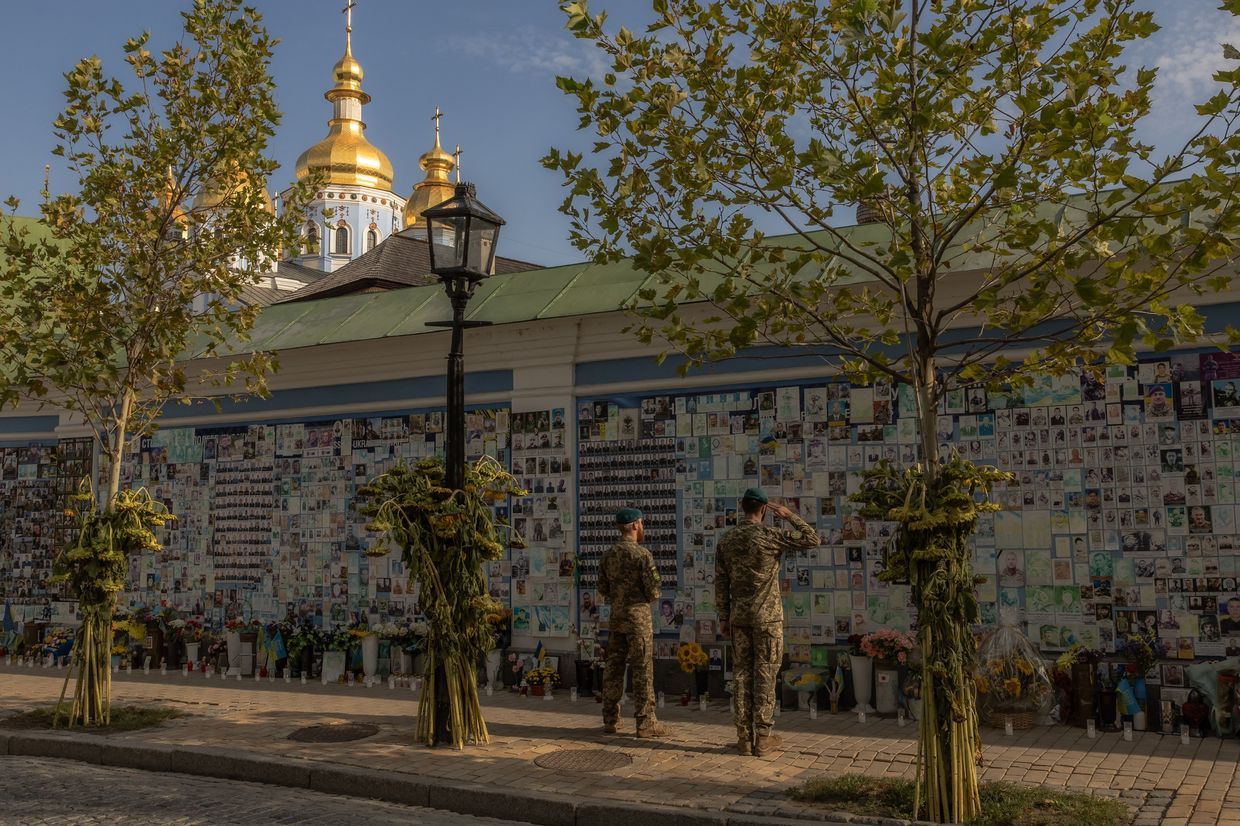
    A Ukrainian soldier salutes to honor fallen military personnel at the "Wall of Remembrance of the Fallen for Ukraine" in Kyiv, Ukraine, on Aug. 29, 2024, during the Day of Remembrance for Ukrainian Defenders. (Roman Pilipey / AFP via Getty Images)4o mini

    Asami Terajima

    War reporter

    A year ago today, I received a Facebook message from a friend serving in the mortar unit of the Ukrainian military’s 93rd Separate Mechanized Brigade near embattled Chasiv Yar.

    “We have suffered a great tragedy today,” he said.

    I felt a chill, already dreading what he might say. I immediately asked what had happened. I was scrambling to finish packing for a work trip to Kherson, but my mind spiraled toward worst-case scenarios.

    After a pause, he replied: “Three 200s.” The military code for killed in action in Ukraine.

    Any loss is devastating, but you always hope it’s not someone close. I opened WhatsApp to check who had been online last and realized my dear friend Vladyslav hadn’t logged on since early morning.

    I soon discovered that three men, including the unit commander and 28-year-old Vladyslav, had been killed by a Russian anti-tank missile. Another friend, who miraculously survived, had to pull out the charred remains of Vladyslav’s body from their position.

    The shock was unbearable. My mind replayed bittersweet summer memories: fishing in the dark before dawn, celebrating birthdays with late-night barbecues. Those golden days — despite their nearness to the front line — are now irretrievably gone. It’s strange how the warm smiles you once took for granted fade into distant memories.

    Even now, it doesn’t feel real that they’re gone forever. The cottage-turned-military base where we spent those summers was damaged by Russian shelling this year. What remains are fleeting memories and low-quality iPhone photos.

    A thousand days into Russia’s full-scale war, you develop a numbness to pain — a survival mechanism that feels both unsettling and inevitable. It’s hard to believe it’s been less than three years since I was a 21-year-old university student-turned-journalist on Feb. 24, 2022, questioning whether I had what it took to cover the war.

    A thousand days into Russia’s full-scale war, you develop a numbness to pain — a survival mechanism that feels both unsettling and inevitable.

    Long gone are the days when World War I-style trench warfare and cluster munitions were only scenes from films. Now, death feels ever-present, a constant reminder of how fragile and fleeting life is.
    1,000 days of full-scale war: Reflections from the Kyiv Independent team
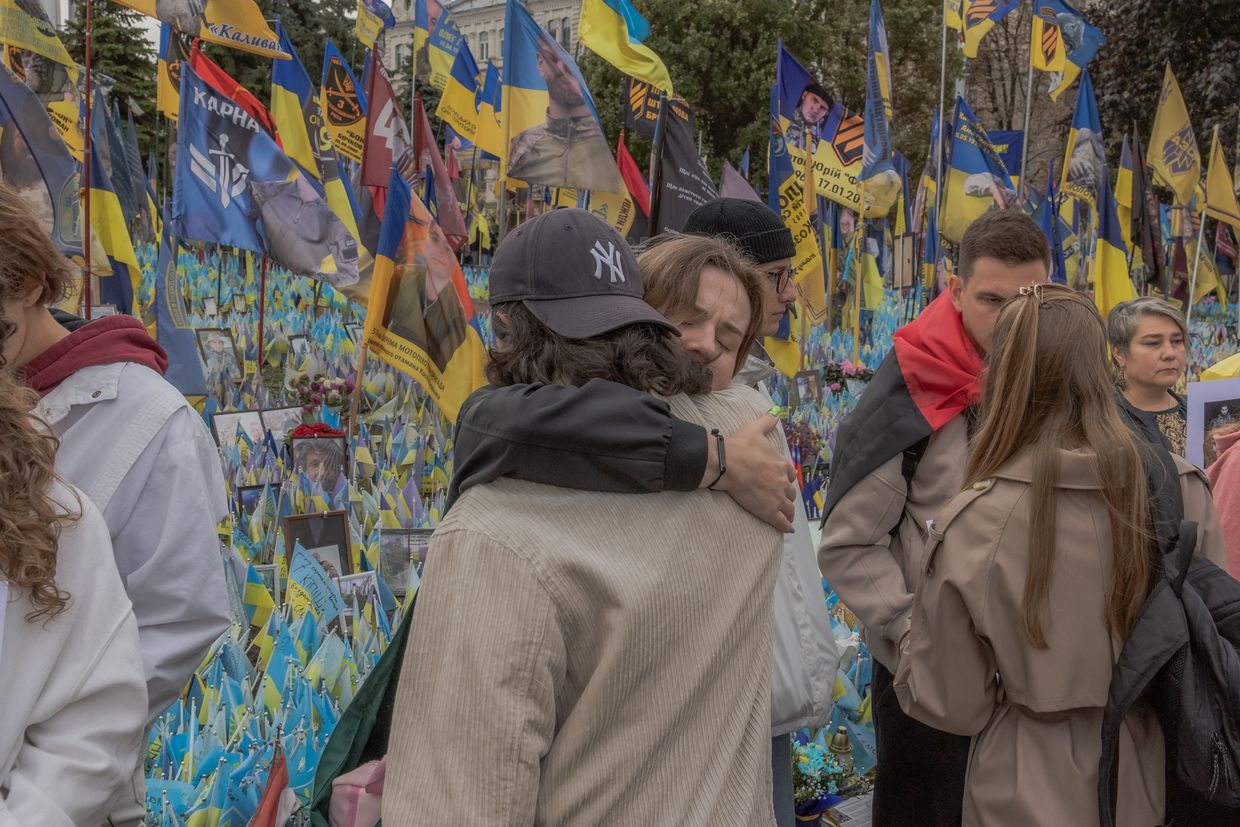
    Two people hug one another at the site of a makeshift memorial Ukrainian and foreign fighters on "Defenders Day" at Independence Square in Kyiv, Ukraine, on Oct. 1, 2024. (Roman Pilipey / AFP via Getty Images)

    Daryna Shevchenko

    CEO

    It’s been exactly 1,000 days since Russia's full-scale invasion began, and I’ve been sleeping like a baby the entire time. I know that’s not what you expect to hear from a Ukrainian living in Kyiv, especially when most news reports focus on how Russian attacks deprive the nation of sleep and rest.

    On Feb. 24, 2022, I woke up to my alarm clock, ready for a normal workday. My phone was buzzing with hundreds of missed calls and messages from colleagues and family. I slept through the explosions, air raid sirens, the noise in my building, kids crying, and dogs barking. It was the last morning in the next 999 days that I woke up feeling rested.

    Since then, I’ve slept through hundreds of overnight attacks, drones flying by my window, and air defense missiles nearby. I thought I was lucky — or perhaps more resilient than others — until I realized that I had also lost my mornings. Returning to reality became a real challenge over the past three years. I drink coffee, work out, and take walks in fresh air, but nothing helps. I still spend most of my energy fighting for moments of concentration and trying to live life to the fullest.

    My psychiatrist says excessive sleep under stress isn’t normal, just as insomnia isn’t. My attempts to convince myself that this is a “good sign” are a futile search for normalcy. And guess what? Normalcy has nothing to do with war.

    And guess what? Normalcy has nothing to do with war.

    I’ve been lucky not to lose anyone close to me in this war — yet. But none of us, here in Ukraine, are emerging unscarred.

    Lately, I’ve seen more comments on social media from foreigners doubting the horrors of Russia’s war against Ukraine, looking at photos and videos from Kyiv, Lviv, or Odesa, where dressed-up crowds attend concerts or sit at cafe terraces, appearing so normal.

    Sleep or no sleep, makeup or blood and bruises, our reality is never normal. Not in the last 1,000 days. The truth is, the only way for the world to preserve its normalcy is to help us recover ours.
    1,000 days of full-scale war: Reflections from the Kyiv Independent team
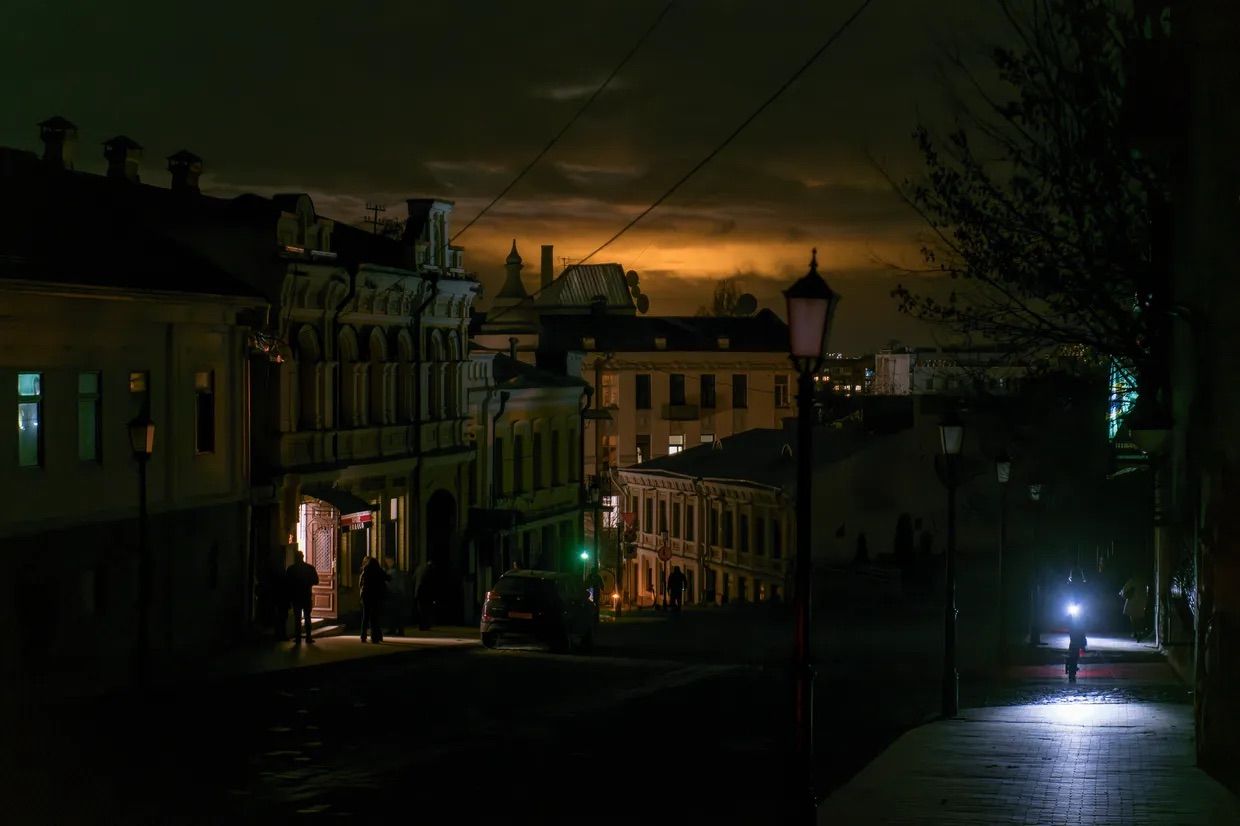
    Andriivskyi Descent during a blackout after a Russian missile attack on Ukrainian energy infrastructure in Kyiv, Ukraine, Nov. 11, 2022. (Maxym Marusenko/NurPhoto via Getty Images)

    Teah Pelechaty

    Opinion editor

    I wrote this poem in the early months of the full-scale war, before moving to Kyiv in August 2023. At the time, I worked on the Kyiv Independent’s news desk from Toronto, bearing witness to the war through a relentless stream of images and reports. A war fought in real time on my screen while the world outside my window remained indifferent, untouched.

    Rereading this poem now, I realize how the exhaustion of carrying this grief for 1,000 days remains just as heavy as the day I wrote it — grief not only for what has been lost but for the unbearable contrast of living in between.

    Even as I sit here writing, I've forgotten.
    I tend to forget these days.

    The city I care not to see assaults my eyes,
    my ears,
    my nose,
    with its relentless permanence.

    The billboard at the corner thrashes red,
    abrasive and blinking,
    and in its glare, I see her fingernails —
    also red, but still now, lifeless.

    At the club,
    dim lights scatter across the throng,
    fracturing faces, bodies, limbs —
    suffocating.

    As bodies crush and contort around me,
    swaying to a cacophony of Canada’s Top Hits,
    each appendage belongs at once to everyone,
    to no one.

    In a mass grave,
    each appendage belongs at once to everyone,
    to no one.

    They are perfect, her fingernails.
    So meticulously crafted and polished,
    amaranth red and adhered to a hand that has long gone limp.
    I wonder if they will remain as her body withers.

    I forget her face.
    I tend to forget these days.
    I forget her face —
    the woman with the red fingernails —
    and yet, I do not search for it.

    With each subsequent grave —
    Bucha, Mariupol, Izium —
    and with each subsequent face,
    in my mind’s eye,
    there remain only red fingernails.
    1,000 days of full-scale war: Reflections from the Kyiv Independent team
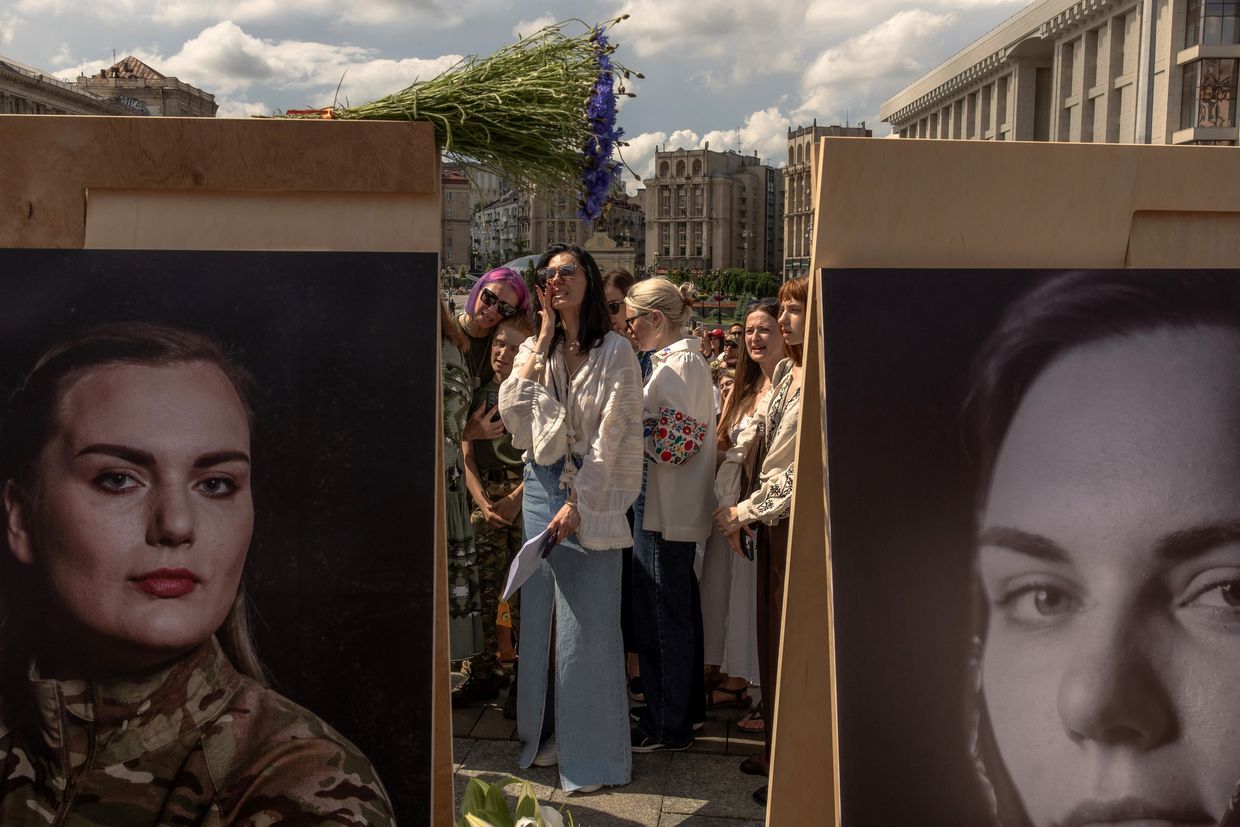
    People attend the funeral ceremony of the paramedic Iryna Tsybukh from the Hospitaliers volunteer battalion at Independence Square in Kyiv, Ukraine, on June 2, 2024. (Roman Pilipey /AFP via Getty Images)

    Kate Tsurkan

    Culture reporter

    Focusing too much on how many days have passed since the start of the full-scale war only deepens the sorrow I feel when confronted with news of more innocent people who were killed by Russia. In such moments, the future seems distant, fragile – a thread barely visible.

    Counting days can seem meaningless when time itself feels distorted. Plus, this war stretches back over a decade for some Ukrainians, and we can’t forget that.

    What keeps me awake at night is thinking about how this war will shape my daughter and every Ukrainian child, leaving its shadow on their lives long after it ends. (Will it ever truly end?) The only thing I can count on is how I will try to bring kindness and goodness into the world.
    1,000 days of full-scale war: Reflections from the Kyiv Independent team
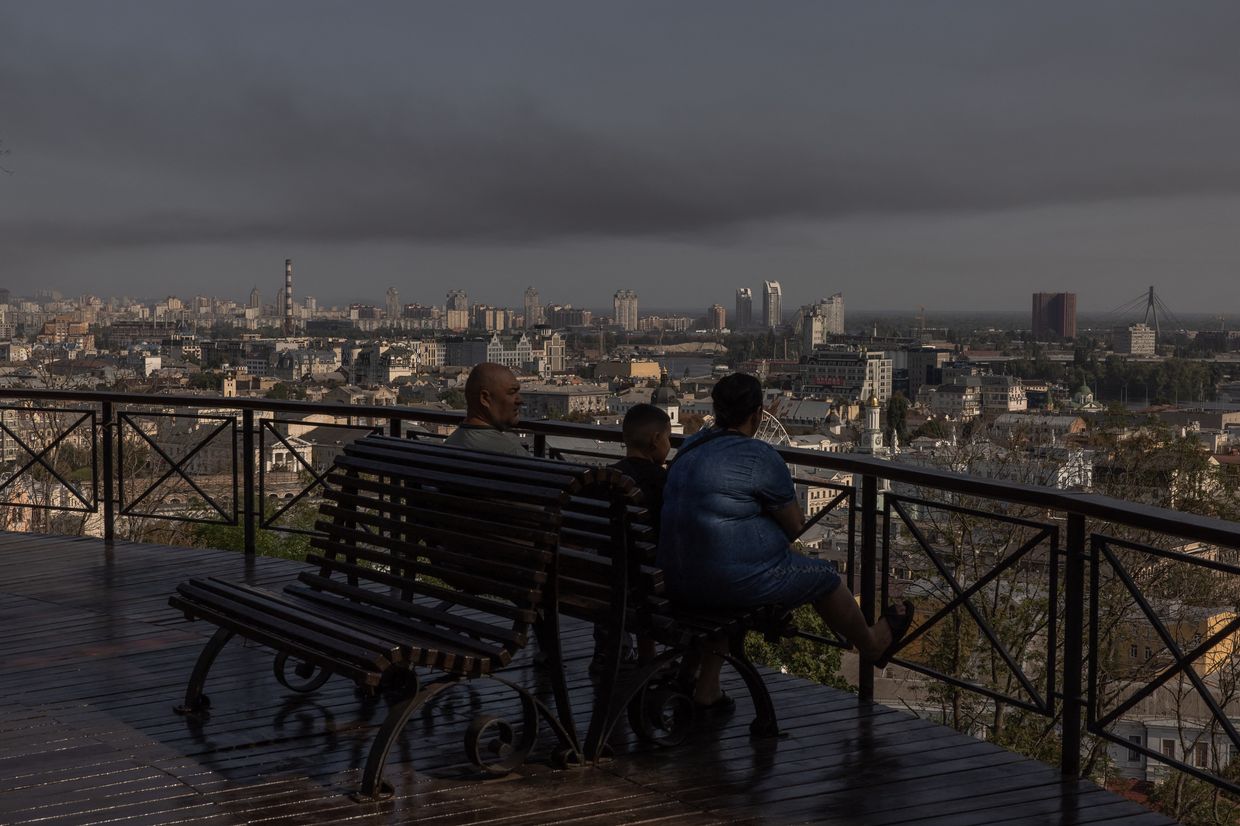
    People look on as smoke rises over buildings in Kyiv, Ukraine, on Aug. 26, 2024, following a Russian attack amid Russia's war against Ukraine. (Roman Pilipey / AFP via Getty Images)
  • Ukraine will get the right weapons to defeat Putin – British Prime Minister

    Ukraine will get the right weapons to defeat Putin – British Prime Minister

    Ukraine will get the right weapons to defeat Putin - British Prime Minister

    British Prime Minister Keir Starmer announced his intention to provide Ukraine with the necessary weapons to win, but refused to disclose details. He emphasized the importance of supporting Ukraine and the inadmissibility of Russia's victory in the war.

    British Prime Minister Keir Starmer told reporters at the G20 summit in Brazil that he is determined that Ukraine will receive the right weapons to defeat Putin, while refusing to talk about the specifics of this weapon. This was reported by The Guardian, according to UNN.

    My position has always been that Ukraine should have what it needs, as much as it needs. putin should not win this war. But excuse me, I'm not going to get into operational issues…

    – said Starmer, answering the question whether the United States has finally paved the way for the UK to supply Storm Shadow missiles for use by Ukraine against targets in Russia.

    Starmer also noted that he has been arguing for many weeks that Ukraine should have what it needs and as much as it needs.

    "We have to put Ukraine in the strongest possible position to win this war. It affects Ukraine, but it affects all of us, and we cannot let Russia win this war," Starmer added.

    Recall

    British Prime Minister's spokesman Keir Starmer called Russia's new nuclear doctrine "the product of a depraved Russian government" and emphasized his unwavering support for Ukraine and defense against illegal invasion.

  • Russia claims to capture village near Kurakhove, Kyiv hasn’t confirmed

    Russia claims to capture village near Kurakhove, Kyiv hasn’t confirmed

    Russia claims to capture village near Kurakhove, Kyiv hasn't confirmed

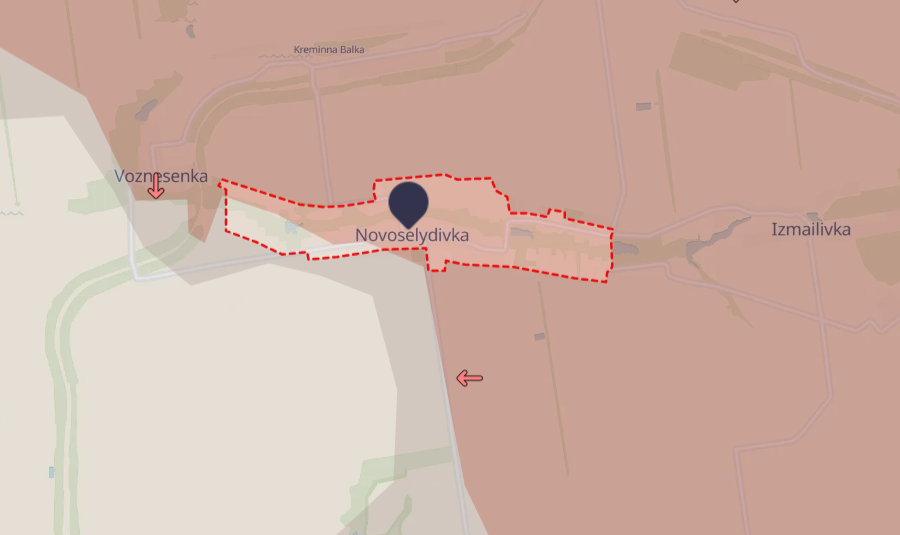
    Russian forces claim to have taken the front-line village of Novoselydivka in Donetsk Oblast on Nov. 19.

    Ukraine has not commented on the claims, which could not be independently verified.

    Novoselydivka lies some 7 kilometers (4 miles) north of Kurakhove, an important stronghold of Ukrainian forces in the area that has seen increasingly heavy Russian assaults in the past months.

    If confirmed, this will be the latest village that the Russian forces took in their attempt to encircle Kurakhove by driving their forces towards Konstiantynopil with a north-south pincer movement.

    Russia claims to capture village near Kurakhove, Kyiv hasn't confirmed
    The estimated Russian advance in Novoselydivka, Donetsk Oblast, Ukraine, as of Nov. 18, 2024, according to the DeepState monitoring service (DeepState/OpenStreetMaps)

    With the best Ukrainian brigades holding Russia’s Kursk Oblast, Russian troops move forward along the Donetsk front line at a rate not seen since the early weeks of the war.

    The victory of U.S. President-elect Donald Trump in early November adds further uncertainty to Kyiv’s military prospects to hold its defenses across the 1,200-kilometer-long (750 miles) front line as doubt over Washington’s future military aid looms.

    Outgoing President Joe Biden’s decision to allow Ukraine to use Western-supplied ATACMS to strike targets deep inside Russia may help in the short run but will not change the general course of the war, observers said.

    Russian forces damage Kurakhove Reservoir dam in Donetsk Oblast, Ukraine says“This attack potentially threatens residents of settlements on the Vovcha River, both in Donetsk and Dnipropetrovsk oblasts,” Donetsk Oblast Governor Vadym Filashkin said.Russia claims to capture village near Kurakhove, Kyiv hasn't confirmedThe Kyiv IndependentKateryna DenisovaRussia claims to capture village near Kurakhove, Kyiv hasn't confirmed
  • Russian strike on Hlukhiv: search and rescue operation completed

    Russian strike on Hlukhiv: search and rescue operation completed

    Russian strike on Hlukhiv: search and rescue operation completed

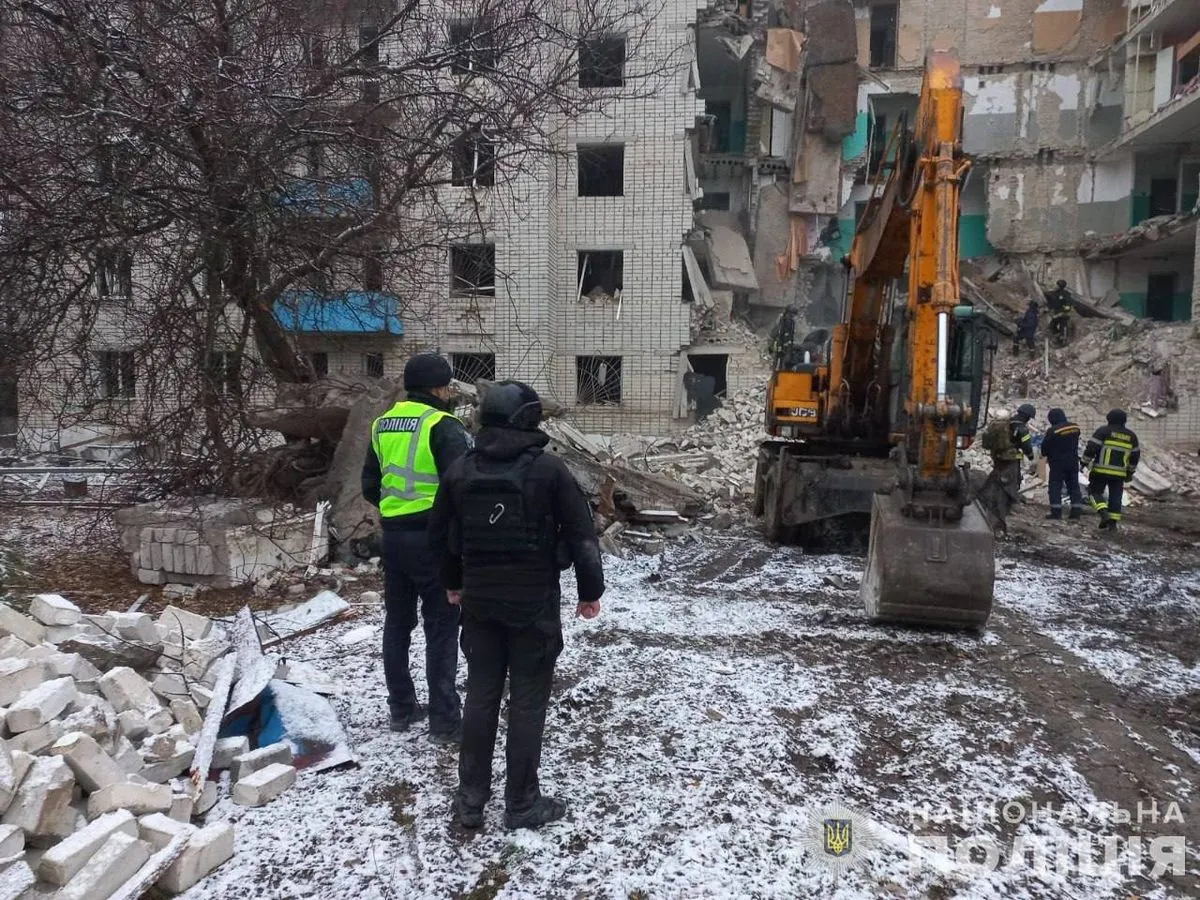
    A search and rescue operation has been completed in Hlukhiv after an enemy shelling of a dormitory. 12 people were killed, including an 8-year-old boy, and 11 people were wounded, including two teenagers.

    In Hlukhiv, law enforcement officers have completed a search and rescue operation at the site of an enemy hit, UNN reports, citing the National Police.

    Details

    According to law enforcement officials, as of 15.50, 12 people have been killed, including a boy who would have turned 8 years old the other day. Eleven people were injured, including children aged 13 and 14.

    In the deployed mobile units, work with victims is carried out to select statements, interrogate victims and provide psychological assistance.

    Recall

    The Russian attack on the night of November 19 partially destroyed a dormitory building of one of the educational institutions.

  • Better late than never: Israeli companies finally reach out to Ukraine to help fight Iranian drones

    Better late than never: Israeli companies finally reach out to Ukraine to help fight Iranian drones

    Better late than never: Israeli companies finally reach out to Ukraine to help fight Iranian drones

    Editor’s note: This article was originally published in the Israeli investigative outlet Shomrim. The Kyiv Independent is republishing it with permission.

    After Israeli officials earlier ignored Ukrainian warnings and offers to help counter the threat of Iranian drones, the tides appear to be turning as Israel faces increased drone attacks amid escalating tensions in the region.

    After talking with dozens of officials and key individuals in the defense technology sector, Israeli investigative outlet Shomrim has found that contacts and early signs of collaboration are emerging in this field. Israeli defense tech companies are seeking proven solutions that have been tested in real combat situations.

    Shomrim and N12 revealed earlier this year that long before the Hamas attack on Israel on Oct. 7, Ukrainian officials had reached out to their counterparts in Israel to share their experience countering the threat of Iranian-made drones since Russia began using the weapon against Ukraine in 2022.

    A former senior Ukrainian official said that at least one Ukrainian company developing anti-drone technology sent representatives to Israel before the outbreak of the war in Gaza — but could not find a single counterpart from the defense sector in Israel willing to meet with them.

    “Not a single company agreed to meet with them at their office,” said the former official, who agreed to speak on condition of anonymity to discuss the private conversations. “Someone did agree to meet with them at a fast-food restaurant and I believe that was the only meeting. It was a humiliating experience.”

    Both current and former Israeli and Ukrainian officials said that Israel paid a heavy price for dismissing those warnings.

    The Iranian-made drones that are being launched at Israel from Lebanon, Yemen, Syria, Iraq, and Iran itself have led to casualties, destruction, fires, and panic and are now the main challenge currently facing Israel’s aerial defense systems.

    The extent of the threat was underscored by the drone that hit and damaged the private residence of Israeli Prime Minister Benjamin Netanyahu in Caesarea.

    The Ukrainian companies, for their part, are hoping to grow and profit from the Israeli companies’ international contacts. Ukraine gained experience from almost three years of war, with over 7,000 drones launched from Russia into Ukraine since the beginning of 2024, including about 2,000 in October alone.

    Better late than never: Israeli companies finally reach out to Ukraine to help fight Iranian drones
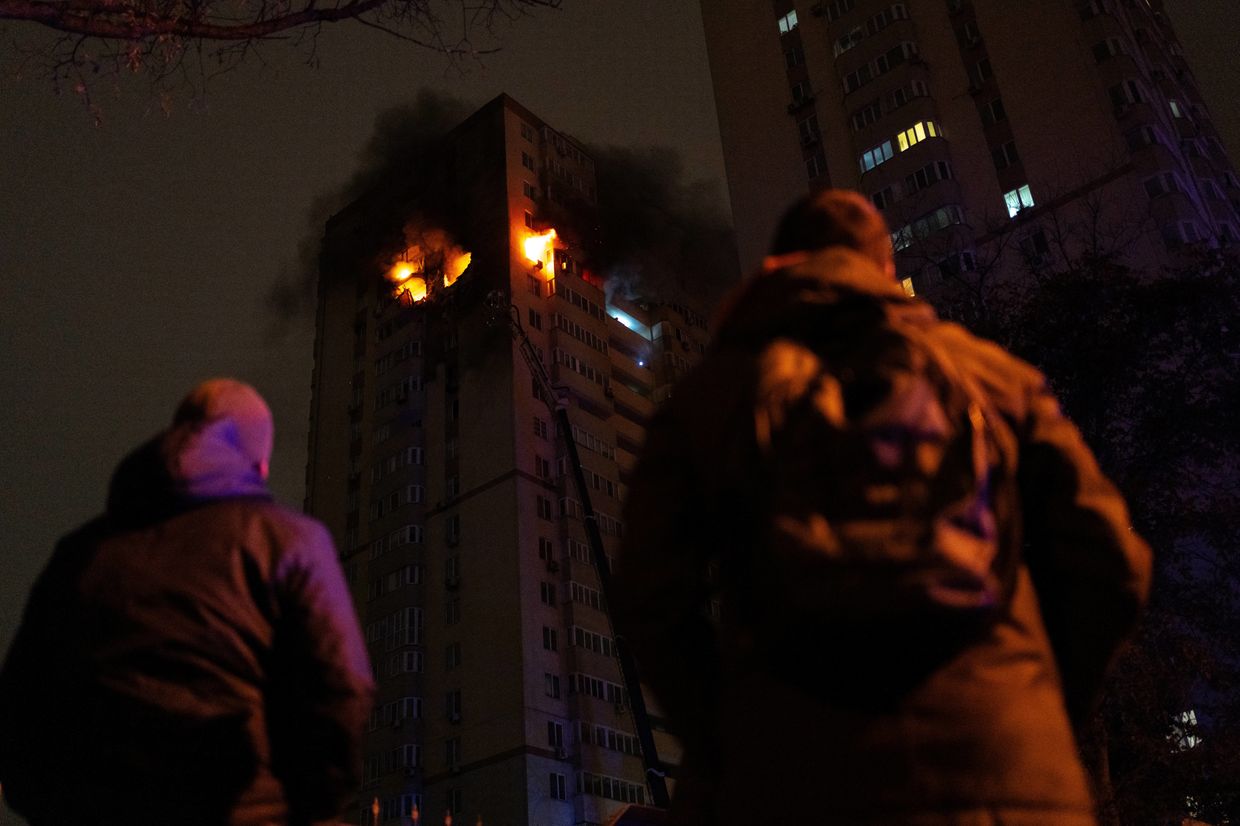
    People look at Ukrainian firefighters working to put out a fire in a high-rise residential building after being reportedly hit by a drone in Kyiv, Ukraine, on Oct. 25, 2024, amid the Russian invasion of Ukraine. (Oleksii Filippov / AFP via Getty Images)
    Better late than never: Israeli companies finally reach out to Ukraine to help fight Iranian drones
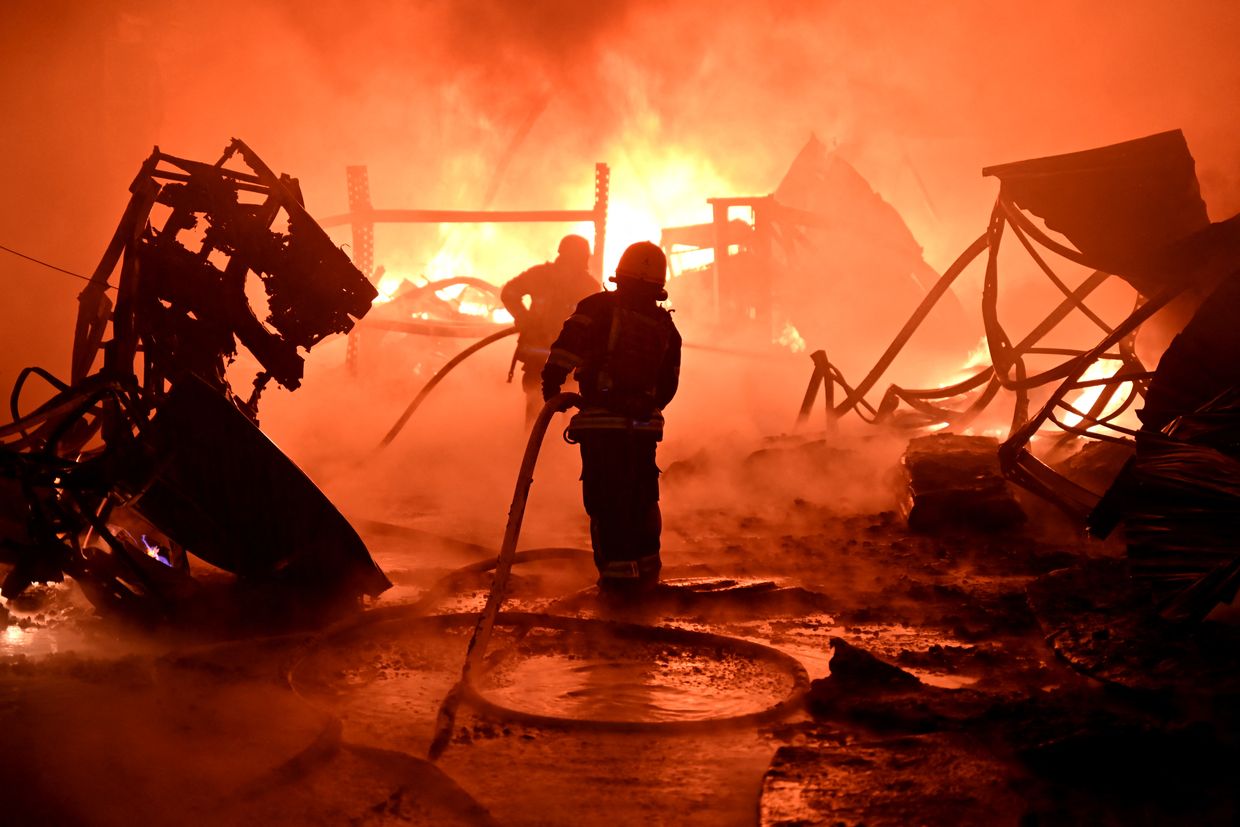
    Ukrainian firefighters work to extinguish a fire at the site of a drone attack on industrial facilities in Kharkiv, Ukraine on May 4, 2024, amid the Russian invasion of Ukraine. (Sergey Bobok / AFP via Getty Images)

    For comparison, the Israeli army recently reported that since Oct. 7, 2023, about 1,300 drones have been launched against Israel from all fronts combined: Lebanon, Gaza, Iraq, Syria, Yemen and Iran.

    The war against Russia, together with large investments from both the private and public sectors, has turned Ukraine into a hotbed of global innovation when it comes to the defense tech sector, with a proliferation of companies offering groundbreaking solutions to identify and intercept drones.

    The industry has attracted the attention of Western nations, including private companies. Some firms have opened business offices in Ukraine, while others have forged close ties with Ukrainian companies.

    A network of acoustic sensors to detect drones

    Russia’s invasion of Ukraine in 2022 led to an exponential and fast-paced development of the Ukrainian defense industry, said Olena Bilousova, a senior researcher at the Kyiv School of Economics (KSE).

    When Ukraine first started dealing with the challenge posed by drones from Russia, it set up a dedicated national industry, spearheaded by its Digital Transformation Ministry, to find a solution. There are now more than 200 Ukrainian companies working in the field.

    “As far as military companies are concerned, there is nowhere in the world like Ukraine, since it offers them an opportunity to test their products on the battlefield against an enemy as mighty as Russia, which also has advanced technologies,” said Bilousova.

    Zvook, a ground-breaking Ukrainian start-up in the field of AI-powered acoustic detection of incoming drones, missiles, and other aerial threats, is among the companies establishing ties with Israeli partners.

    There is nowhere in the world like Ukraine, since it offers them an opportunity to test their products on the battlefield against an enemy as mighty as Russia, which also has advanced technologies.

    Maryan Sulym, head of Zvook and a Ukrainian military air defense sergeant, said that his company relies on small acoustic sensors the size of a small box placed on cellphone towers and in hidden locations along the front line. Each sensor can detect Iranian Shahed drones within a range of three to five kilometers and cruise missiles within five to seven kilometers.

    Today, Sulym said, Zvook’s network covers about 5% of the territory of Ukraine — an area larger than the whole of Israel. The data collected from the sensors is impressively accurate, with false positive rates of only 2.5%.

    According to Sergeant Sulym, Zvook’s innovative approach has attracted attention from international actors, including NATO countries. U.S. Air Force General James Hecker, commander of U.S. air operations in Europe, recently commended Ukraine's acoustic detection systems, highlighting how these low-cost devices — about a thousand dollars per sensor — can accurately gauge the speed, direction, and velocity of incoming drones.

    Zvook has also attracted interest in Israel and has been approached by at least three Israeli defense technology firms. One of the inquiries was made in recent weeks, shortly after a drone crashed into the Israeli Prime Minister's residence. Representatives of this Israeli company are set to visit Ukraine in the near future, in order to closely examine Zvook’s acoustic technology.

    Another meeting was held last month online, between a Ukrainian company specializing in first-person-view drones and robotics and a group of Israeli entrepreneurs in the security field.

    It is not yet known whether the meeting will lead to actual contracts, but one of the participants in the call said that there was a definite interest in the transfer of knowledge and that the Israelis asked the Ukrainian entrepreneur numerous questions concerning, among other things, Ukrainian efforts to intercept Iranian Shahed drones, according to the paricipant, who agreed to speak on condition of anonymity to freely discuss the call.

    Introducing official merch
    from the Kyiv Independent Shop now

    Inflated expectations in Israel

    Vladimir Davidoff, founder and CEO of Dronex Israel, which manufactures reusable interceptor drones, cautions that the technologies developed by Ukrainian companies are not necessarily suitable for Israel's needs.

    “In Ukraine, response time from detection to action can be hours, whereas here in Israel, we have minutes or even seconds,” he said, due to the vast size difference between the two countries.

    The Ukrainian experience can still prove meaningful, according to Davidoff. The lack of direct encounters with drones in real combat situations has proven detrimental to the Israeli Defense Force’s readiness against drones, Davidoff said.

    “You can only be certain your system works after it is tested in real combat conditions," said Davidoff. "In Israel, our expectations (about how well it was protected from drones) were somewhat inflated, and we need more solutions specifically tailored to the complexities of drone threats.”

    Davidoff is well acquainted with the war zones in both Israel and Ukraine. He worked in Ukraine after the start of the Russian full-scale invasion and redirected his company's activities to the defense sector.

    He recently relocated his activity in Israel, and has been working alongside MAFAT — the IDF’s Directorate of Defense, Research, and Development — while relying on his experience in Ukraine and the knowledge he acquired there.

    Better late than never: Israeli companies finally reach out to Ukraine to help fight Iranian drones
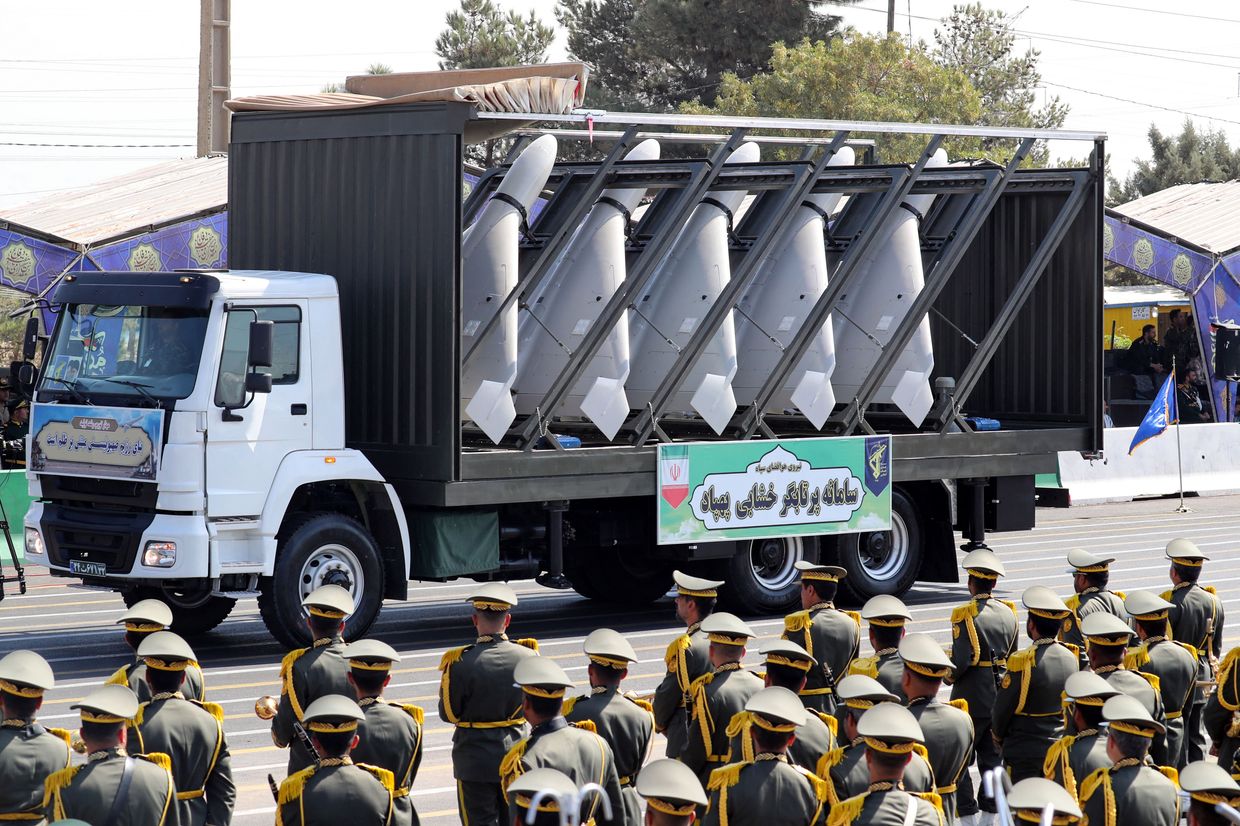
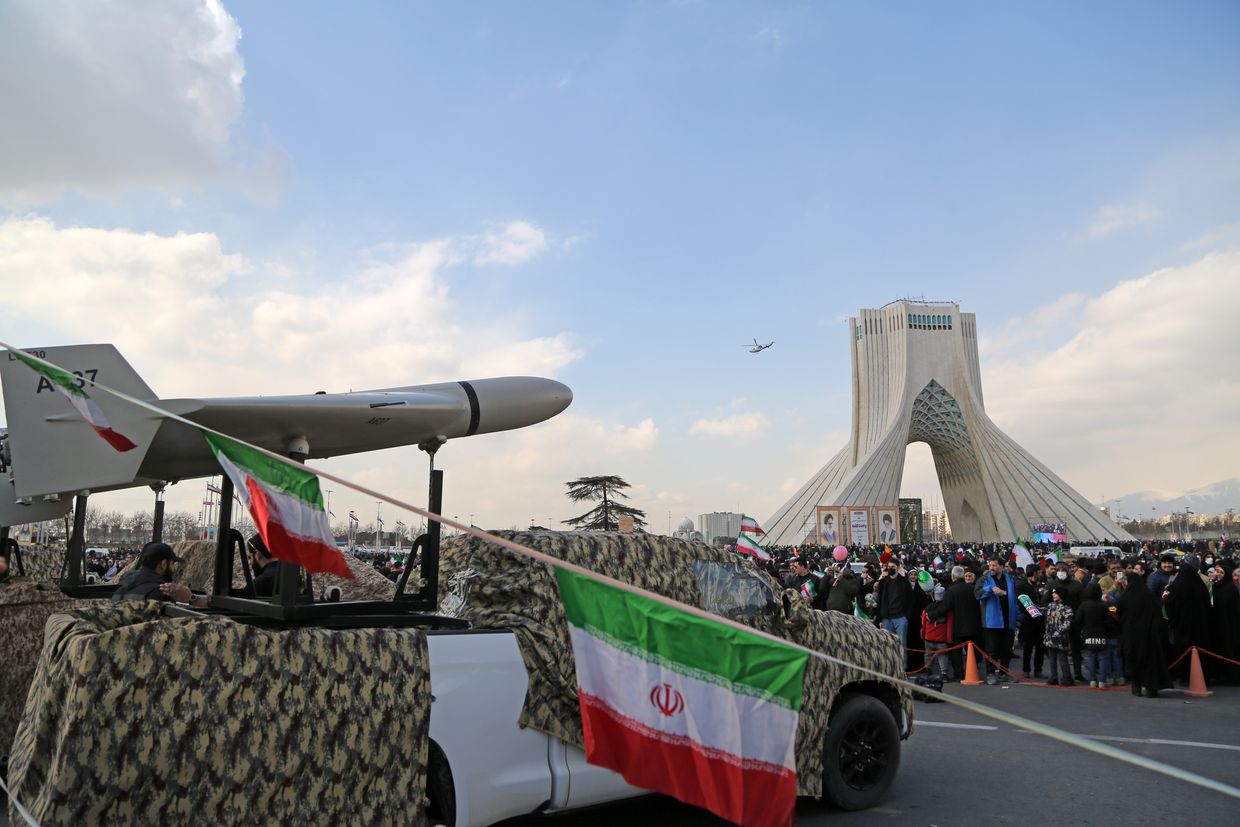
    Iranian defense missiles and unmanned air vehicles are displayed at an event marking the 44th anniversary of the 1979 Islamic Revolution in Tehran, Iran, on Feb.11, 2023. (Fatemeh Bahrami/Anadolu Agency via Getty Images)

    One of his companies, which operates in Europe, recently concluded an agreement and bought samples from a Ukrainian manufacturer of acoustic sensors that operates from another nearby country in Europe. He did not name the country, citing security concerns.

    "If the sensors pass tests in Israel, we can produce them together in Israel," he said, in an example of direct cooperation between Ukrainian and Israeli defense companies.

    The cooperation between Davidoff’s firm and his Ukrainian counterpart illustrates a type of circumvention that Ukrainian companies are currently employing given Ukraine's ban on military exports since the outbreak of the war. Ukraine adopted this ban to ensure that all available Ukrainian weaponry would be used against the Russian invasion.

    According to Bilousova of KSE, more and more Ukrainian companies are already circumventing the export ban by transferring production to other countries and opening their headquarters in countries close to Ukraine, such as Poland and Estonia.

    The Ukrainian government has recently indicated that it may be willing to overturn the ban and allow arms exports, including anti-drone systems. This could pave the way for broader cooperation between Ukrainian companies and Israel.

    ‘The cooperation should have started long ago’

    Yevhen Korniychuk, Ukraine’s ambassador in Israel, confirmed the ongoing cooperation between Israel and Ukrainian companies but declined to go into details, citing the sensitivity of the subject.

    “Israeli private companies and state defense firms are quite actively communicating with their Ukrainian counterparts right now,” he said.

    In this context, Elbit, one of Israel’s largest military companies, was mentioned by Korniychuk. Ukraine’s ambassador helped introduce Elbit representatives to officials from the Ukrainian Defense Ministry.

    Another Israeli company is R2, which has developed a product for identifying and locating drones and is taking part in exercises with NATO. R2 is currently in touch with Brave1, a Ukrainian government platform whose purpose is to test and develop advanced military technology.

    Western governments usually tend to encourage and support such collaborations between private defense companies in their countries and Brave1, but the CEO of the Israeli company noted that the connection to the Ukrainian platform has been made independently and without the involvement of the IDF or the Defense Ministry.

    The Ukrainian ambassador describes the cooperation between Ukrainian and Israeli firms as a force multiplier, emphasizing that this synergy should have been initiated long ago.

    “One plus one—Israel plus Ukraine—equals three or four, not two. Israel brings technological knowledge as well as access to American technologies. We have vast combat experience. We need to combine all of that, of course. This cooperation should have taken place long ago,” the ambassador said.

    ‘Battle-tested in Ukraine’ — How US drone makers turned Ukraine into a tagline to sell westThe biggest weapons makers in the world convened in Washington, D.C. for the 70th meeting of the Association of the United States Army in early October. It was the third year in a row where Ukraine remained at the center of the event’s enormous buzz. Synchronized press releases ensued.Better late than never: Israeli companies finally reach out to Ukraine to help fight Iranian dronesThe Kyiv IndependentKollen PostBetter late than never: Israeli companies finally reach out to Ukraine to help fight Iranian drones
  • EU countries are “ready to take over” support for Ukraine in case of reduction of US aid – Polish Foreign Minister

    EU countries are “ready to take over” support for Ukraine in case of reduction of US aid – Polish Foreign Minister

    EU countries are “ready to take over” support for Ukraine in case of reduction of US aid - Polish Foreign Minister

    Polish Foreign Minister Sikorski announced the readiness of the largest EU countries to provide military and financial support to Ukraine. This could happen if the US cuts aid to Ukraine.

    The largest European countries are ready to help Ukraine if Washington cuts aid, Polish Foreign Minister Radoslaw Sikorski said on Tuesday, UNN reports citing Le Monde.

    Details

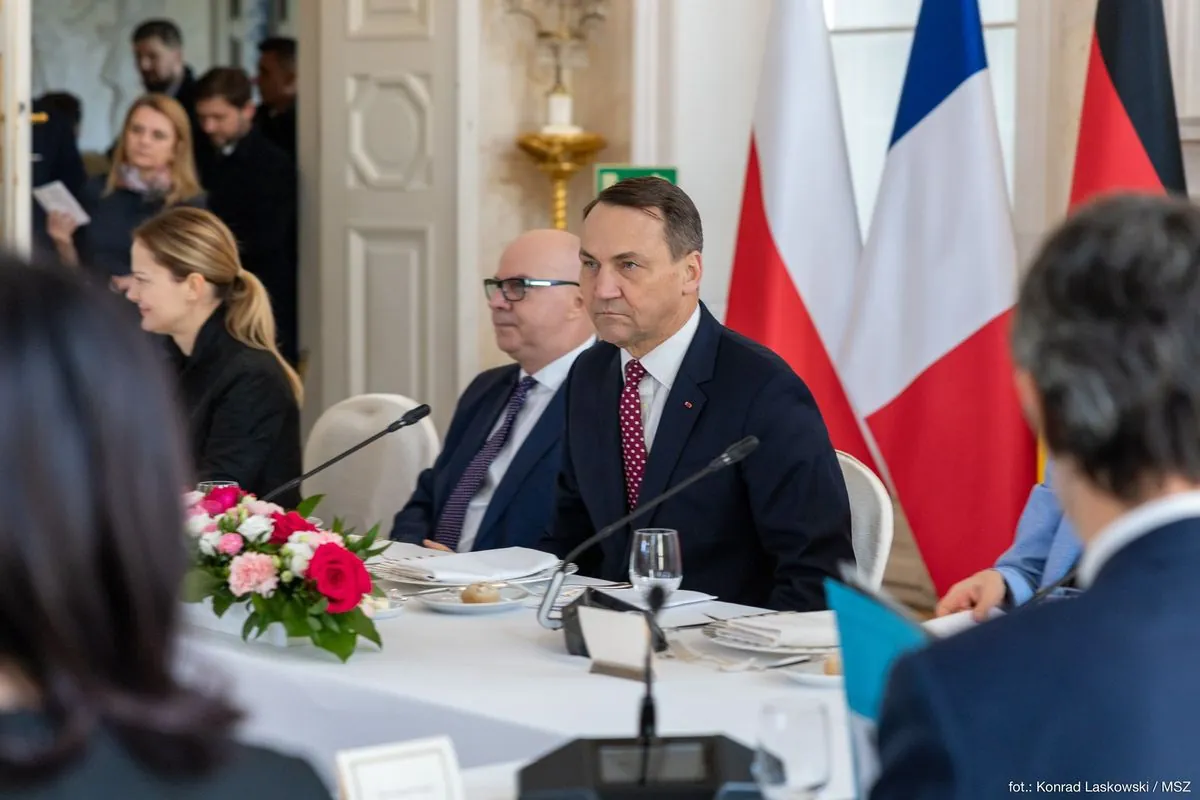
    “I am pleased to note that the main countries of the European Union are ready to take on the burden of military and financial support for Ukraine in the context of a possible reduction in the United States' commitments,” Sikorsky said following a meeting with his French, German, Italian, Spanish, and British counterparts in Warsaw.

    European ministers gather in Warsaw to discuss Ukraine, Trump and securityNov 19 2024, 06:32 AM • 12605 views

  • Zelensky presents Ukraine’s resilience plan to parliament

    Zelensky presents Ukraine’s resilience plan to parliament

    Zelensky presents Ukraine's resilience plan to parliament

    Editor's note: This is a developing story and is being updated.

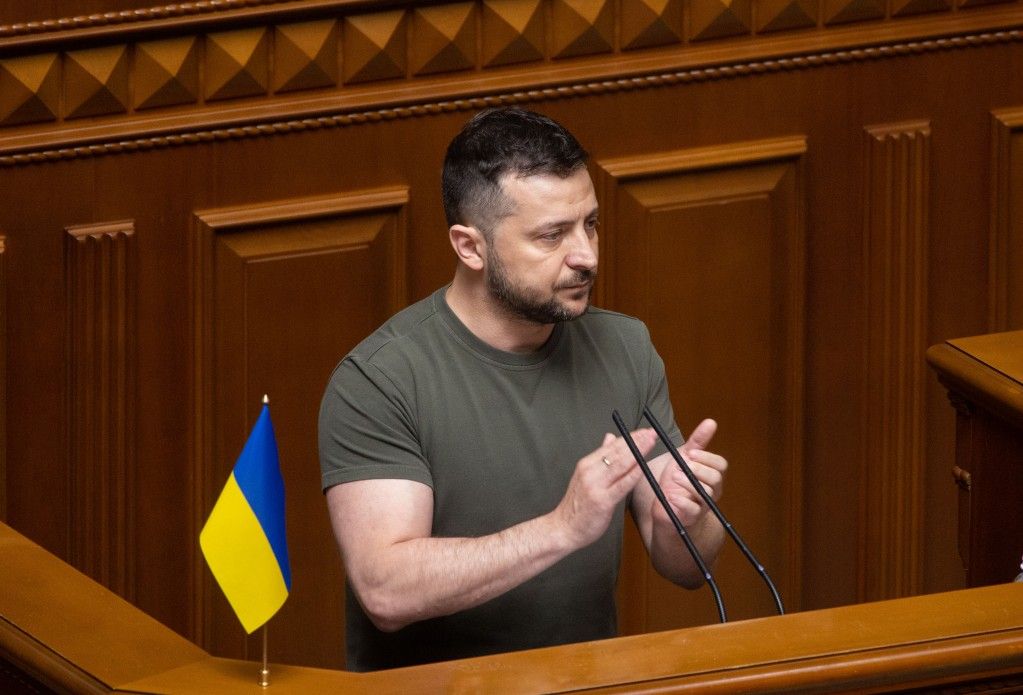
    President Volodymyr Zelensky unveiled Ukraine's 10-point plan for internal resilience in an address to the parliament on Nov. 19.

    "Ukraine may need to outlive someone in Moscow to achieve all the goals," Zelensky said, according to lawmaker Yaroslav Zhelezniak's Telegram channel. "We do not trade security or sovereignty. We will not give up our rights to our entire territory."

    The resilience plan follows some criticism Zelensky received after presenting a victory plan this fall that primarily focused on requests from external partners and lacked domestic reforms.

    The individual points of the new resilience plan were focused on the country's unity, front-line situation, arms, finances, energy, security, communities, human capital, cultural sovereignty, and veterans, according to Zhelezniak's Telegram channel.

  • President: Putin is involving DPRK soldiers in the war, their number may increase to 100,000

    President: Putin is involving DPRK soldiers in the war, their number may increase to 100,000

    President: Putin is involving DPRK soldiers in the war, their number may increase to 100,000

    President Zelenskyy tells the European Parliament that Putin is using DPRK troops in the war in Ukraine. According to him, the number of North Korean soldiers could reach 100,000.

    Russian dictator Vladimir Putin is involving soldiers from North Korea in the war against Ukraine , and this number may increase to 100 thousand, President Volodymyr Zelenskyy said during a speech in the European Parliament, a correspondent of UNN reports.

    Putin is bringing in soldiers from North Korea, and this number could rise to 100,000 Putin is focused on winning this war, he will not stop on his own

    – Zelensky said.

    Recall

    South Korean intelligence confirmed the participation of the North Korean military in hostilities against Ukraine on the side of Russia. The DPRK soldiers have already completed their deployment in the Kursk region and started fighting.

  • West marks 1,000 days of Russia’s full-scale war with solidarity with Ukraine

    West marks 1,000 days of Russia’s full-scale war with solidarity with Ukraine

    West marks 1,000 days of Russia’s full-scale war with solidarity with Ukraine

    Western leaders, officials, and diplomats expressed support for Ukraine on Nov. 19, the 1,000 days since Russia launched its full-scale invasion.

    On Feb. 24, 2022, Russia launched a full-scale invasion of Ukraine, extending its aggression beyond the partially occupied Donbas region and Crimea in an attempt to seize the entire country. Ukraine on Nov. 19 marked 1,000 days of full-scale war with Russia.

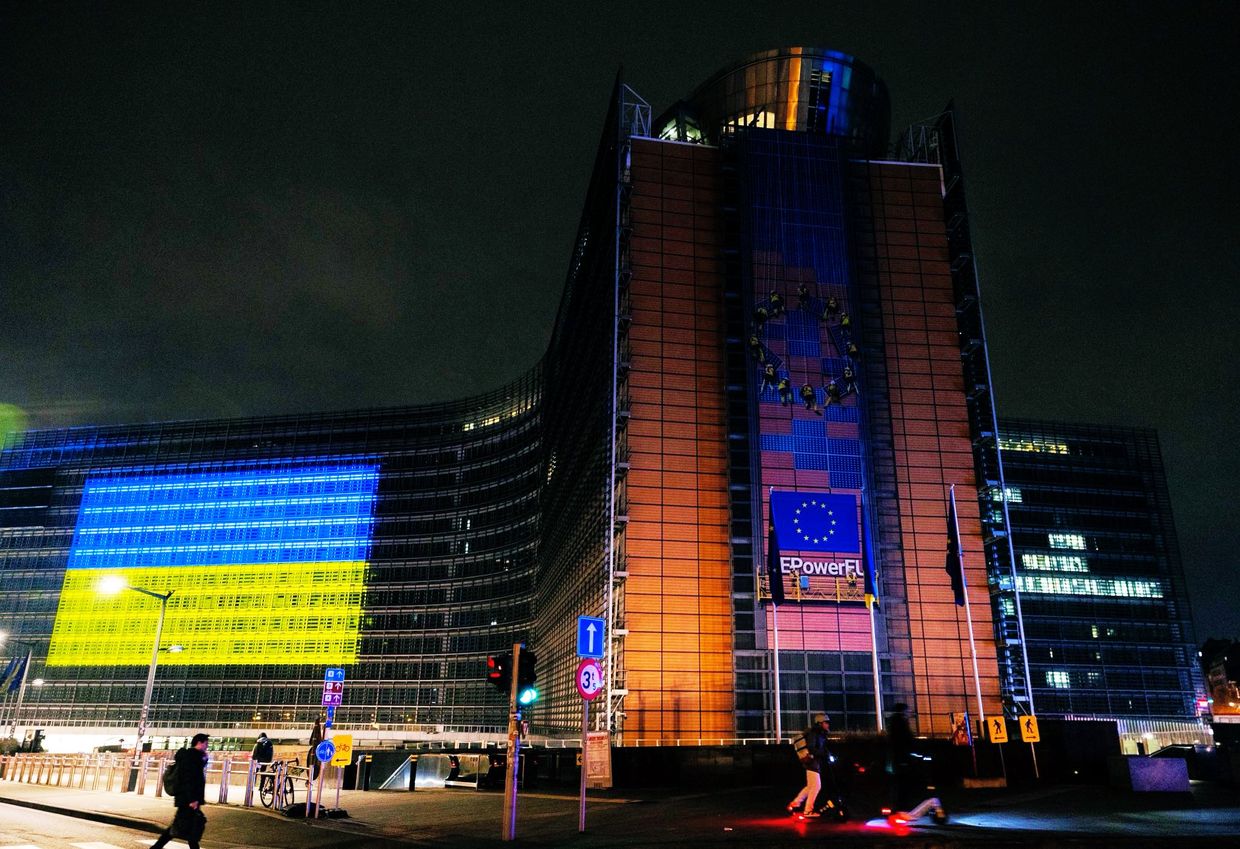
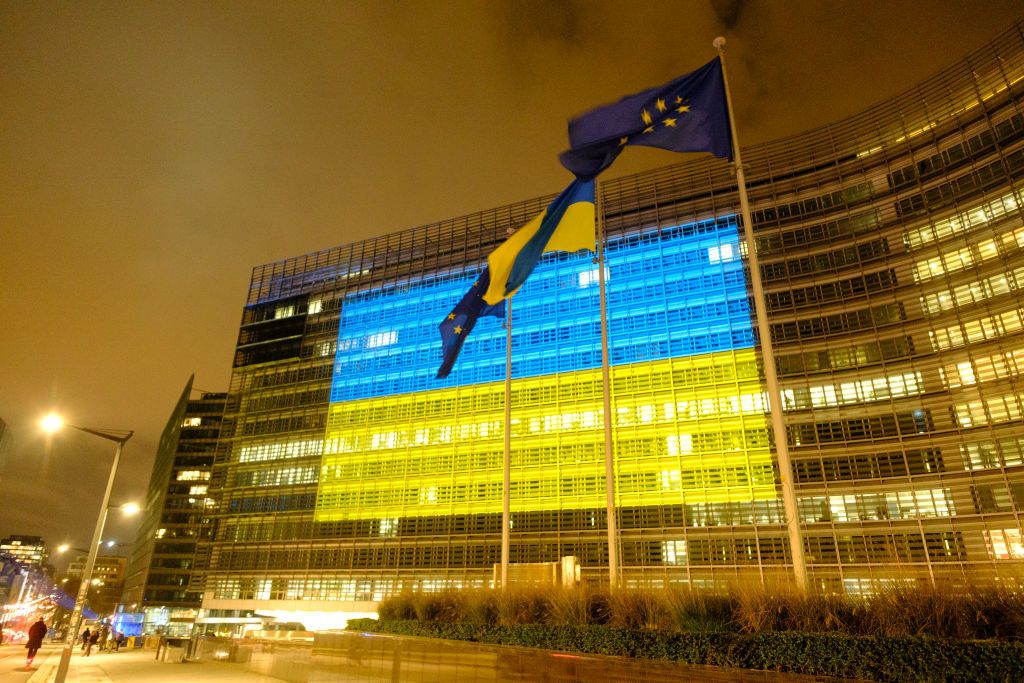
    European Commission President Ursula von der Leyen announced that EU buildings were illuminated with Ukrainian flags in tribute to the country's defenders.

    "In 2022, Russia thought its full-scale invasion would end in days. 1,000 days later, Ukraine bravely resists. On the battlefield. And against criminal attacks on civilian targets. Tonight our buildings adorn the Ukrainian flag to honor the brave men and women of Ukraine," von der Leyen wrote on X.

    Patrick Turner, NATO's senior representative in Ukraine, praised Ukraine's resilience, calling it a powerful inspiration for the world.

    "NATO remains by your side, today and every day," Turner said.

    Lithuanian Defense Minister Laurynas Kasciunas highlighted Ukraine’s steadfastness and reiterated Lithuania’s continued support.

    "Ukraine can always count on us. Together, we will celebrate victory," he said.

    U.S. Ambassador to the United Nations Linda Thomas-Greenfield announced plans for new defense assistance for Ukraine "in the coming days," calling on U.N. member states to back Ukrainian President Volodymyr Zelensky's peace formula.

    "Until then, and at the direction of the President, the United States will continue to surge security assistance to Ukraine, including artillery, air defense, armored vehicles, and other needed capabilities and munitions. And we will announce additional security assistance for Ukraine in the days to come," the ambassador said.

    Ukraine marks 1,000 days of full-scale war“For 1,000 days, the Armed Forces of Ukraine have been confronting the enemy on the front line, which stretches over 1,000 kilometers,” Commander-in-Chief Oleksandr Syrskyi said on Nov. 19, Day 1,000 of Russia’s full-scale war against Ukraine.West marks 1,000 days of Russia’s full-scale war with solidarity with UkraineThe Kyiv IndependentAbbey FenbertWest marks 1,000 days of Russia’s full-scale war with solidarity with Ukraine
  • Blackout schedules and imports from 5 countries: situation in the power system

    Blackout schedules and imports from 5 countries: situation in the power system

    Blackout schedules and imports from 5 countries: situation in the power system

    Following a massive attack on the energy infrastructure by Russia, blackout schedules have been introduced. Ukraine imports electricity from Poland, Slovakia, Romania, Hungary, and Moldova in the total amount of 4,521 MWh.

    After another massive attack on the energy sector by Russia, blackout schedules have been introduced, and electricity is being imported from 5 countries, the Energy Ministry said on Tuesday, UNN reports.

    Details

    "On November 17, the enemy launched another massive attack on electricity generation and transmission facilities in different regions of the country. Power engineers are working quickly to eliminate the consequences of the attacks. As a result of the enemy attack, the transmission system operator is temporarily applying hourly outage schedules," the Ministry of Energy said.

    They urged consumers to consume electricity rationally. "Thanks to the economical use of electricity, the load on the power system is reduced," the agency emphasized.

    Over the past day, as reported, power engineers restored power to 194,511 consumers who were cut off as a result of hostilities.

    Situation at ZNPP

    "The water level in the cooling pond is 14.13 meters. This is enough to meet the needs of the plant," the Ministry of Energy said.

    Import

    For the current day, imports from Poland, Slovakia, Romania, Hungary, and Moldova are forecasted to total 4,521 MWh with a capacity of 612 MW.