In the temporarily occupied territories of Ukraine, a new propaganda subject, “family studies,” has been introduced. It is taught by collaborators and “veterans of the illegal armed conflict” without a pedagogical education to foster anti-Western sentiment.
The occupiers are engaging "veterans of the Armed Forces of Ukraine" to teach propaganda in schools in the temporarily occupied territories. This is reported by the Center for National Resistance, UNN reports.
Details
In the occupied territories of Ukraine, the Russian authorities have begun to engage local collaborators and "veterans of the armed conflict" to teach a course on "family history" in schools. This subject was introduced as part of a propaganda campaign aimed at fostering anti-Western sentiment among Ukrainian children and reinforcing a positive image of the terrorist country.
Due to the absence of qualification requirements, this subject is taught by anyone loyal to the occupation authorities, often without pedagogical experience. In the classroom, children are taught a distorted picture of the world, where the West is portrayed as a threat and Russia is seen as a model of "prosperous life.
Ombudsman: Russian passports issued to orphans in TOTApr 27 2024, 01:30 AM • 82345 views
US President-elect Donald Trump has claimed to have discussed the war in Ukraine and Middle East escalation with incumbent Joe Biden during their meeting.
Source: Trump in an interview with New York Post, as reported by European Pravda
Details: According to Trump, he and Biden "both really enjoyed seeing each other" at the White House on Wednesday.
Quote: "You know, it’s been a long, it’s been a long slog. It’s been a lot of work on both sides and he did a very good job with respect to campaigning and everything else. We really had a really good meeting." Trump said.
He also stated that he and Biden had discussed two matters on which they previously disagreed: the war in Ukraine, which Trump promised to end immediately after entering office, and the ongoing Middle East conflict.
"I wanted — I asked for his views and he gave them to me. Also, we talked very much about the Middle East, likewise. I wanted to know his views on where we are and what he thinks. And he gave them to me, he was very gracious," Trump said.
The president-elect also announced another meeting with Biden at the White House before his inauguration on 20 January and described the Oval Office where they talked as "so beautiful."
The White House previously stated that Donald Trump and Joe Biden's meeting lasted approximately two hours.
At the latest count, Trump received the votes of 312 electors in the 5 November presidential election, compared to the requisite 270.
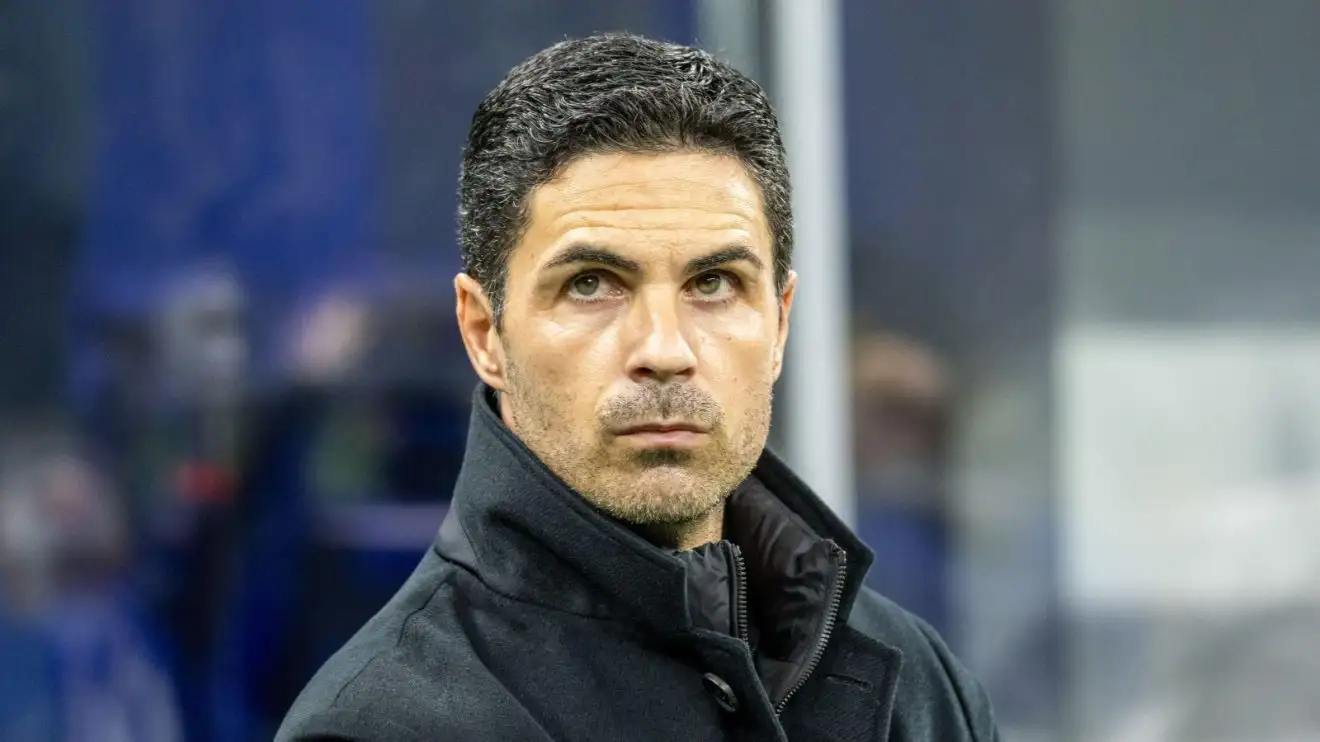
Pierre-Emerick Aubameyang says he “felt hurt” by the way in which he left Arsenal and claims the tipping point was when Mikel Arteta ‘grabbed me and shouted: “You’ve betrayed me.”‘
Aubemeyang left Arsenal in January 2022 having scored 92 goals in 163 games for the club; 38 of them under Arteta.
But his relationship with the Gunners boss deteriorated sharply at the end of their time together at the Emirates.
The striker’s punctuality became a source of significant tension between the pair, and eventually led Aubameyang to leave the club for Barcelona on a free transfer.
Aubameyang told the Colinterview podcast that Arteta was initially “respectful”.
“I arrived late to a training session because I had an accident on the way to Colney (the club’s sports city),” he narrated. “Arteta did not choose me to play against Tottenham. Then he came to my house after the game and we had a frank conversation. It was respectful of him.”
The striker insists he takes his share of “responsibility” for the breakdown in the relationship but then revealed Arteta’s reaction to Aubameyang delaying his return after his mother suffered a stroker was the point of no return.
He said: “I never wanted to hurt Arteta or the club with my behaviour. I share the responsibility for what I’ve done. I felt hurt and it’s a shame I couldn’t continue being part of this project.
“My mother suffered a stroke and I delayed my return because I took her to her medical appointments,” he revealed. “When I arrived, Arteta finished his meeting. He grabbed me and shouted: ‘You’ve betrayed me. You can’t do this with everything we’re going through.'”
Aubameyang returned to the Premier League briefly, but flopped at Chelsea before 30 goals in 51 games for Marseille last term.
He is now with Al Qadsiah in the Saudi Pro League and has scored four goals in nine games, and will next be in action against Cristiano Ronaldo’s Al Nassr after the international break.
MORE ON ARSENAL FROM F365 👉 Edu leaving Arsenal: Five Chelsea rejects included in ranking of every signing made under Brazilian 👉 Saliba the next Van Dijk? Arsenal team-mate one of five stars who can emulate Premier League icons 👉 Overrated Liverpool midfielder one of five Premier League players happy international break is here
Aubameyang previously explained what he experienced while he “stayed for a month while waiting for the move away” from Arsenal.
“I go home and the doctor calls me and says ‘Tomorrow, the coach doesn’t want you to be there’. I said okay, I knew the next match was coming and I said to myself: ‘Damn, once again everyone is going to talk about me, it’s going to be a mess, this is crazy’. I couldn’t understand it,” Aubemeyang added.
“The days pass and the doctor tells me: ‘Look, he doesn’t want you to be with the group anymore, but you will be able to come and train but separately’. I say to myself okay… And then afterwards, he calls me and we have a meeting so he can explain to me that firstly, he’s taking away the captain’s armband, and secondly, I’m no longer training with the group.
“Once again, he explains why he is against me during this period when it was complicated for the club. That I have to be an example and that I couldn’t do that. At that moment, I said: ‘I admit that I have my share of responsibility but the real cause I think you can understand if you are a little bit human. You can understand my move’.
“After that, it was over, I stayed for a month training on my own while waiting for the move away.”
A fossilized ecosystem with prints of amphibians, reptiles, and plants has been discovered in the Orobier Valtellinese Park. The find contains traces of five different species of animals that lived in the Permian period.
In the north of Italy, near the border with Switzerland, a real ecosystem has recently been discovered, fossilized on sandstone slabs.
Written by UNN with reference to Repubblica.
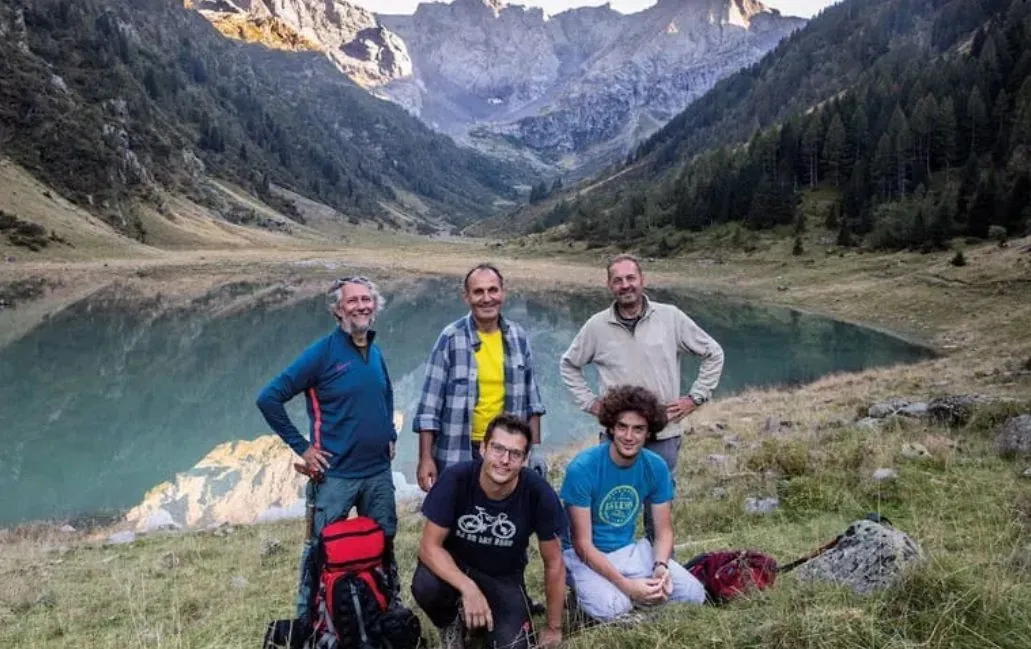
Traces of amphibians and reptiles, as well as plants, seeds, skin prints, and even raindrops – all creating an ancient ecosystem – were accidentally discovered in the Orobiero Valtellinesi Park in the province of Sondrio by tourist Claudia Steffensen from Lovero. The discovery was later documented by naturalist photographer Elio Della Ferrera. It was studied by paleontologists and geologists from museums in Milan and Berlin.
According to scientists, the find preserves traces of life 280 million years ago.
As indicated, further research was carried out from an altitude of 3,000 meters during an impressive helicopter-supported operation. The resulting artifacts were first shown at the Natural History Museum in Milan.
Experts recognized the footprints of tetrapods (reptiles and amphibians) and invertebrates (insects, arthropods). These are “footprints” that took place in Perm, the last period of the Paleozoic era.
New species of dinosaurs discovered that lived on the Iberian Peninsula in the Cretaceous period Oct 2 2024, 01:56 PM • 106781 view
In particular, there are fossilized traces of at least five different species of animals on the site, which will allow for accurate paleoecological reconstructions in the future.
The traces were left when these sandstones and shales were still sand and mud soaked in water on the banks of rivers and lakes, which periodically, depending on the season, dried up… The summer sun, drying these surfaces, hardened them to such an extent that the return of new water did not erase the traces, but, on the contrary, covered them with new clay, forming a protective layer
– explains geologist Ausonio Ronchi from the Milan Museum of Natural History.
“The shape and size of the footprints indicate an excellent quality of preservation and paleobiodiversity, probably even greater than in other deposits of the same geological age in the Orobiec and Brescia region,” adds Lorenzo Marchetti of the Museum of Natural History Berlin.
Recall
Archaeologists find ancient settlements in England dating back 6000 years
Scientists see one of the largest carbon-based molecules outside the solar system for the first timeOct 30 2024, 03:05 PM • 17936 views
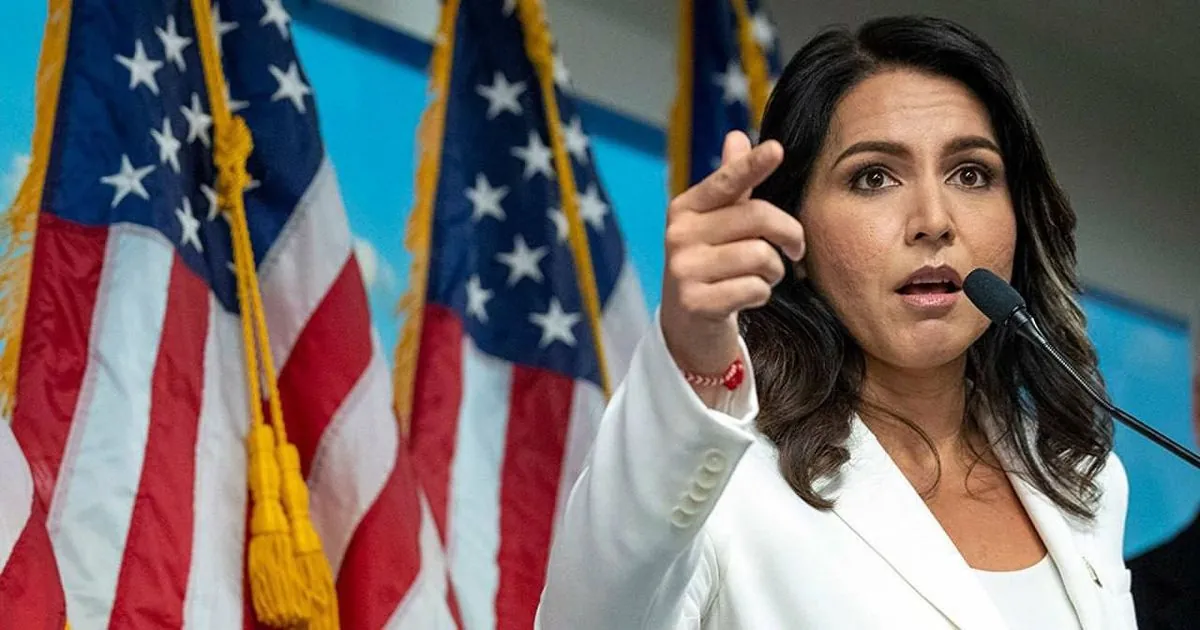
Donald Trump has chosen Tulsi Gabbard as his nominee for the post of Director of National Intelligence. Gabbard, who left the Democratic Party in 2022, has military experience and has become an active Trump supporter.
Trump has appointed Tulsi Gabbard as a candidate for the post of Director of National Intelligence. This is reported by CBS News, according to UNN.
Details
The nomination of Tulsi Gabbard, known for her active public position and military experience, is likely to spark a serious debate in the Senate during the confirmation process.
Gabbard, who has a background in the National Guard and ran in the 2020 presidential election as a Democratic candidate, subsequently left her party in 2022. Since then, she has become an active supporter of Trump, joining his campaign and joining his transition team.
Gabbard's appointment is supported by Trump's close allies, including Steve Bannon, who noted that Gabbard has long sought to make changes in the US intelligence community, which he believes needs reform. Her appointment is seen as the new administration's desire to reform national intelligence, in particular, to increase transparency and accountability in this area.
Tulsi Gabbard also advised Trump before his debate with Vice President Kamala Harris in September, which was part of her political work on the Trump team.
Trump has chosen a new US Secretary of State: Marco Rubio to lead US diplomacyNov 13 2024, 08:35 PM • 2922 views
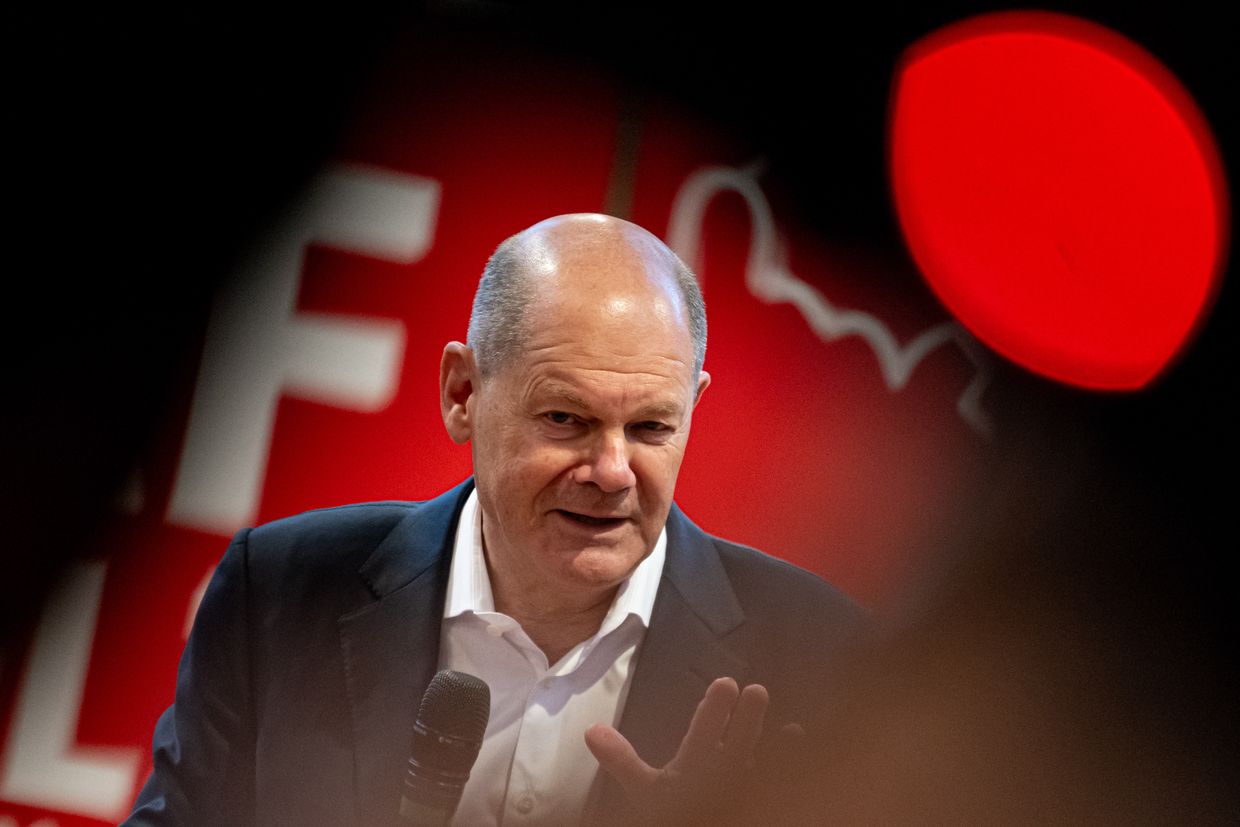
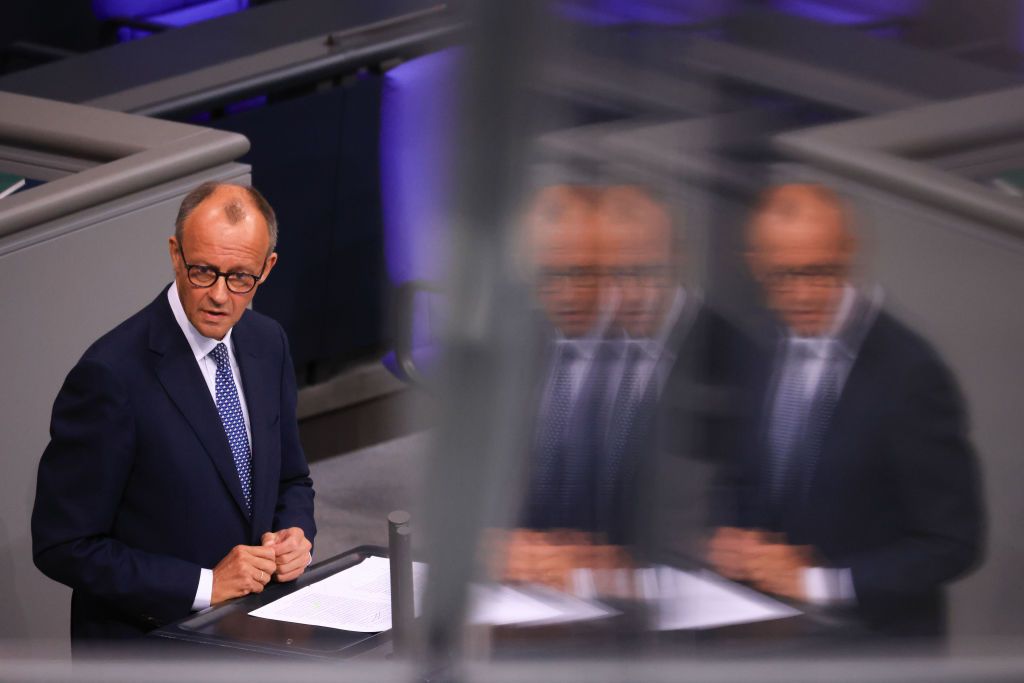
For the second time in his life, Friedrich Merz is a step away from taking charge of Germany.
Losing the fight to control the Christian Democratic Union in 2002 to future Chancellor Angela Merkel and forced to retire from politics a few years later, Merz is now the frontrunner to lead the Union back into government.
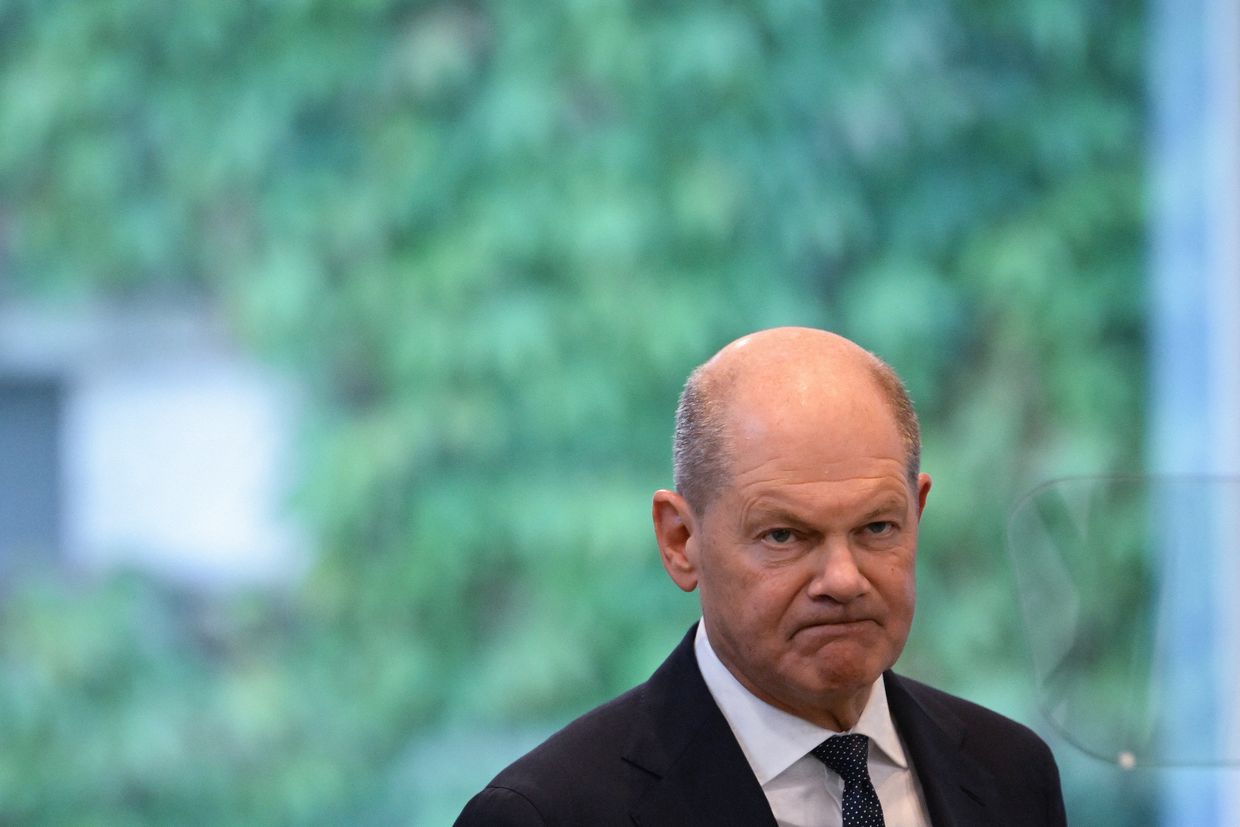
With Germany's ruling center-left coalition in tatters, Ukraine's leading European backer is heading toward snap elections set for Feb. 23. And it's all but certain that Chancellor Olaf Scholz, a Social Democrat, will lose his post as a result.
The domestic turmoil comes at a critical moment for Ukraine as Russia holds the upper hand on the battlefield, and Donald Trump's imminent return to the White House may lead to a decreased U.S. involvement in the war.
Polls predict a sweeping victory for the center-right Christian Democratic Union/Christian Social Union (CDU/CSU), whose leader Merz seems ready to ditch Scholz's cautious Ukraine strategy.
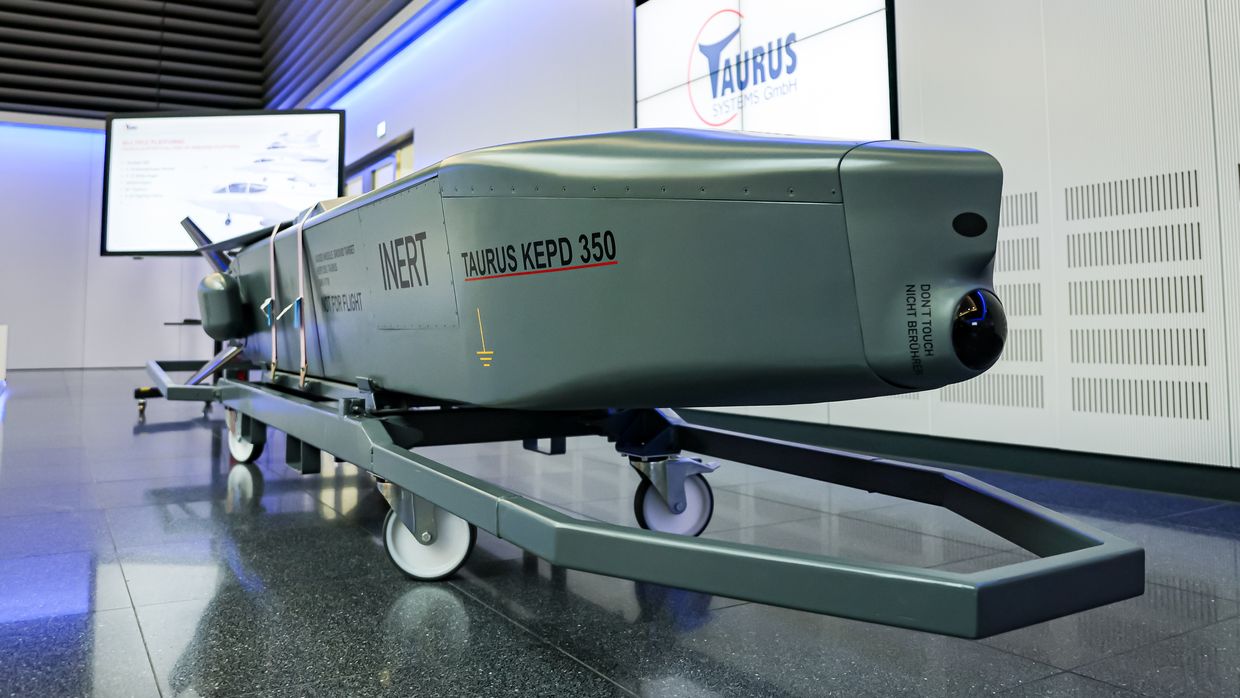
Merz has called for an ultimatum to Moscow after which Ukraine could receive the much-desired Taurus missiles, powerful weapons that Scholz refused to provide. He also urged Europe to take up leadership in the pro-Kyiv coalition amid uncertainty about Trump's presidency.
For that, the 69-year-old conservative has his work cut out for him.
With a real possibility of a U.S. withdrawal, rising Ukraine-skeptic parties in Germany on the left and right, and an increasingly tight budget, Merz must cross a string of obstacles to deliver on his plans.
"Even an outspoken Merz and a strong CDU/CSU showing in the next elections will not be able to defy gravity when it comes to providing Ukraine with additional military capabilities, defense-industrial capacity, and budgetary support," Jorn Fleck, senior director with the Europe Center at the Atlantic Council, told the Kyiv Independent.
"Germany's capacity on all three is lagging and shifting the needle in all these areas — more kit, more ammo, more macro-financial assistance — is measured in years, not weeks or months."
But for Merz, whose main rival Merkel has pushed the country into a painful dependence on Russia, solving the problems ultimately created by the former chancellor's policies is worth the fight.
The coalition of Scholz's Social Democratic Party (SPD), the liberal Free Democratic Party (FDP), and The Greens fell apart on Nov. 6 after the chancellor dismissed Finance Minister Christian Lindner, the FDP leader.
Scholz and Lindner were at odds on nearly all questions concerning the way to handle the staggering budget deficit and the country's vast economic problems.
According to Lindner, however, the final nail in the coffin of mounting disputes was the ex-finance minister's proposal to send Ukraine Taurus missiles instead of an additional 3 billion euros ($3.2 billion) in military aid requested by Scholz.
The chancellor now leads a minority government and will have to seek Merz's party support to pass the budget.
While the government's dramatic collapse sparked some concern about the flow of support from Europe's largest military donor, arms for Ukraine seem to be safe at the moment. Both Scholz and Merz agree to provide Kyiv with the necessary aid.
Germany allocated around 8 billion euros in military aid to Ukraine in 2024. The federal budget for 2025 contains only half of that, with Berlin hoping that the G7 loan can cover additional assistance.
"The previously planned and initiated support for Ukraine can continue without restriction," and additional aid can be theoretically approved under provisional budget management, said Michael Wustmann, a research assistant to German lawmaker Sebastian Schäfer, who sits on Bundestag's budget committee.
But Germany heads towards months of political wrangling that will keep its leaders distracted from Ukraine. Even if Merz's CDU/CSU secures the expected victory, difficult coalition negotiations are likely to follow.
"Germany will be preoccupied with itself until the election and then for another four to six months, depending on how long it takes to form a coalition," says Martin Bialecki, editor-in-chief of the journals Internationale Politik (IP) and Internationale Politik Quarterly (IPQ).
"There will be no momentum, no leadership in Europe, and also no reaching out to France, Poland, and the U.K., which is so urgently needed. And all this before (and after) Trump takes office, under whom freezing of the war would be the most likely scenario," he told the Kyiv Independent.
Merz, a former corporate lawyer and multimillionaire representing CDU/CSU's right wing is the most likely candidate to enter the chancellery early next year. His party currently enjoys the support of 32% of Germans, more than the entire ruling coalition combined.
Ascending to the party leadership in early 2022, Merz presents a sharp break from the 16-year era of his centrist predecessor, Merkel, who ruled Germany from 2005 until 2021.
Merkel's legacy has been tainted by Germany's deepened energy dependence on Russia and the neglect of the Bundeswehr, the country's military. In contrast, her main critic within the CDU/CSU Merz has called on Europe to stand up decisively to Russian aggression and pledged to maintain defense spending above 2% of GDP, as per NATO's requirements.
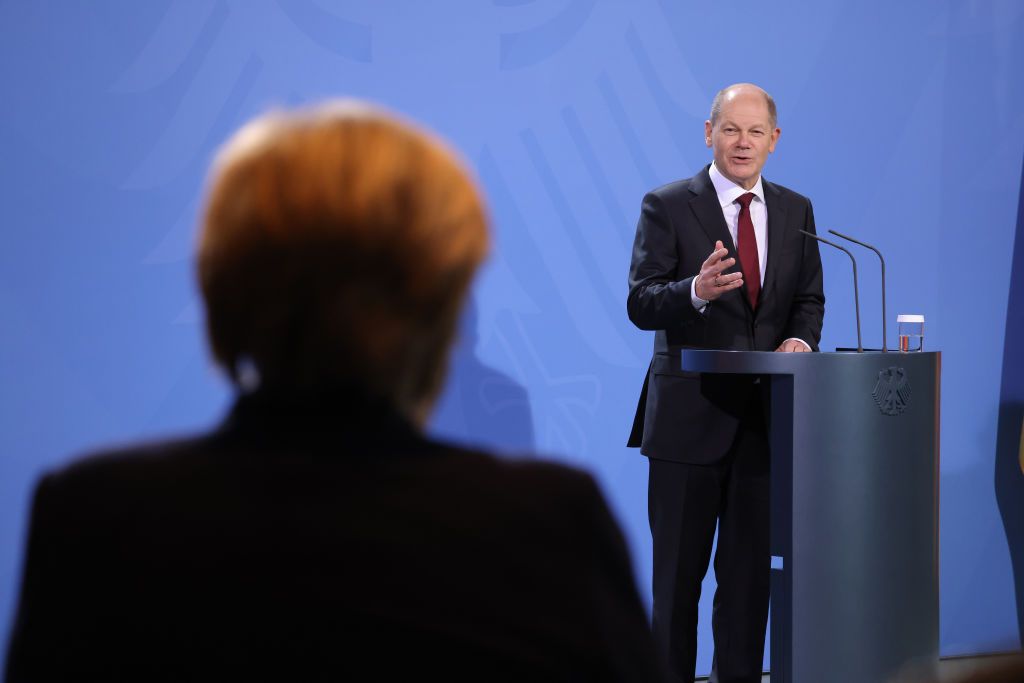
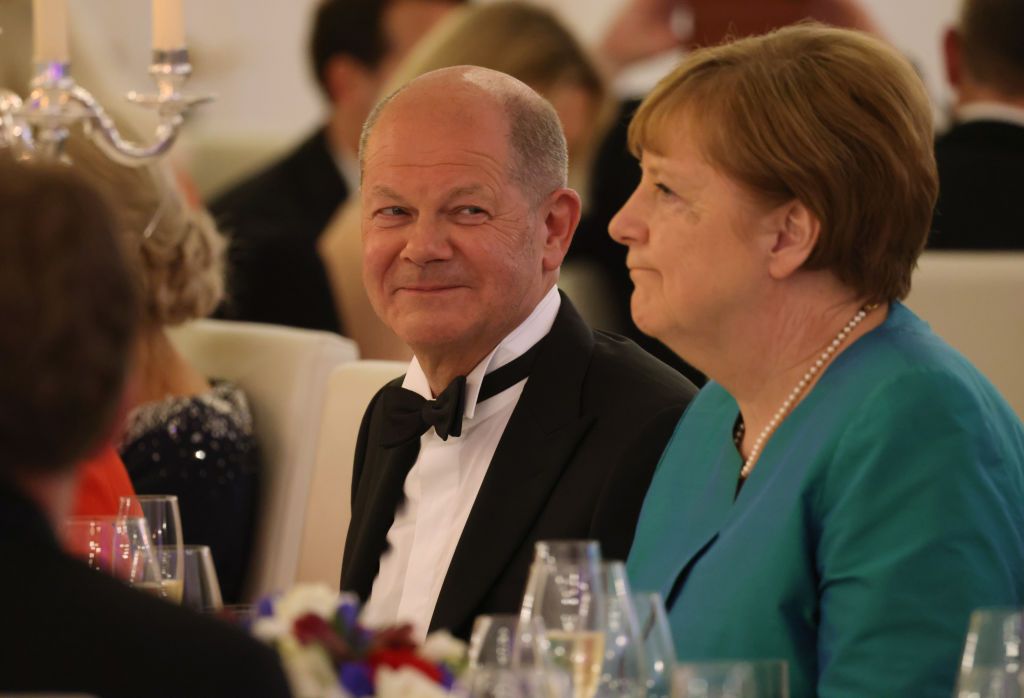
German Chancellor Olaf Scholz speaks as former Chancellor Angela Merkel (seated) listens during the official transfer of office at the chancellery on Dec. 8, 2021 in Berlin, Germany.(Sean Gallup/Getty Images)Former Chancellor Angela Merkel (R) and current Chancellor Olaf Scholz attend a state banquet in honour of French President Emmanuel Macron at Schloss Bellevue palace on May 26, 2024 in Berlin, Germany. (Sean Gallup/Getty Images)
Germany expects to hit the 2% threshold in 2024 for the first time in three decades, though its ability to maintain this level remains in question.
In a recent op-ed, Merz also rejected Scholz's policy of caution as a "desperate hope of being able to portray himself as a 'peace chancellor'" while urging Europe to assert leadership in aiding Ukraine.
"I believe Merz thinks more 'European' than is currently apparent… Among the many mistakes Scholz has made, his lack of interest in Europe is one of the more consequential," Bialecki said.
The CDU/CSU leader addressed the most widely discussed subject to highlight his differences with the incumbent chancellor: the Taurus missiles.
Lawmakers from Merz's party have repeatedly urged the government to provide Ukraine with the following cruise missiles, which can strike targets at a distance of 500 kilometers (300 miles). Scholz has been adamant, however, fearing such a move could draw Berlin into the war.
"The delivery of Taurus is anything but an entry into war," Merz said last month on the ARD television channel.
In an interview with the Stern magazine, Merz proposed giving Russian President Vladimir Putin an ultimatum — if he does not stop his war within 24 hours, Kyiv's partners would lift restrictions on long-range strikes. If even that step is not sufficient, Germany would deliver Taurus missiles a week later.
Ukraine's military currently operates long-range missiles like SCALP/Storm Shadow and ATACMS provided by the U.S., the U.K., and France but is not allowed to use them against targets on Russian soil.
Under Merz's helm, "Kyiv could expect more vocal and decisive messaging… on why Germany should see it in its vital national interest that Ukraine succeeds," Fleck commented.
"Making the case to the German public will be crucial if Berlin is to sustain its support for Ukraine in the long term, and such public diplomacy at home is where the outgoing government failed significantly."
Will Merz deliver German leadership?
The question remains to what extent Merz's rhetoric will transform into real steps beyond the electoral campaign.
Whoever becomes chancellor in 2025 will face serious obstacles, namely the economic downturn and budget constraints.
"Merz maintains the CDU/CSU's key tenet, which is upholding the debt brake," said Zuzana Zavadilova, a Germany researcher at the Prague-based Association for International Affairs think tank.
The opposition leader "has called for an enormous defense budget hike, but it remains unclear how it will be funded without increasing the debt."
Another challenge is the growing support for Ukraine-skeptic parties like the far-right Alternative for Germany (AfD) or the left-populist Sahra Wagenknecht Alliance (BSW).
Some AfD members are under investigation for allegedly taking money from Russian agents, while Wagenknecht sought to leverage her success in regional elections to undermine support for Ukraine.
Merz has previously said that a pro-NATO, pro-Kyiv course is non-negotiable in any coalition talks.
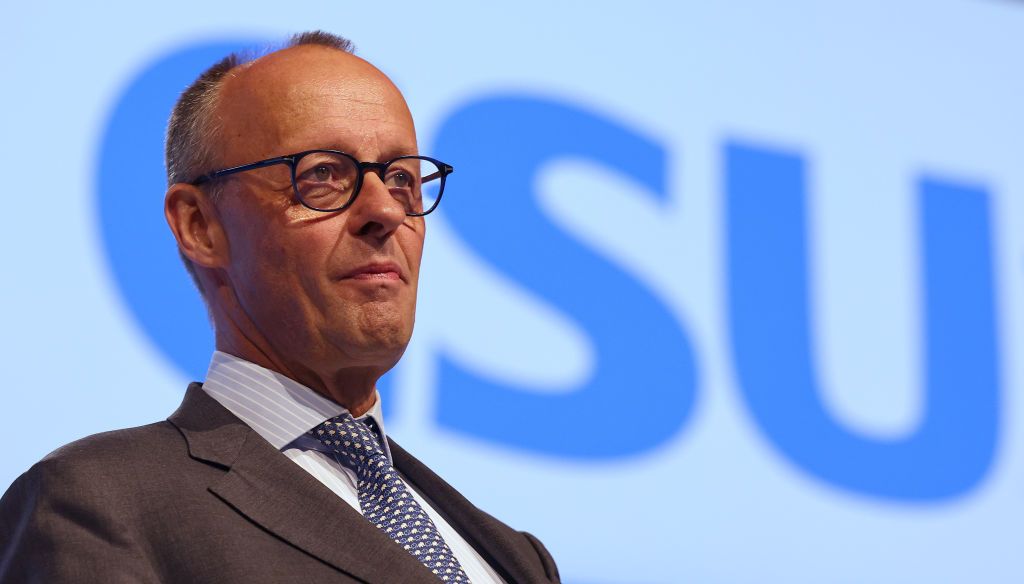
Friedrich Merz, head of the Christian Democratic Union of Germany (CDU) political party, is pictured on stage after he spoke on day two of the party congress of the Christian Social Union (CSU) sister party on Oct. 12, 2024 in Augsburg, Germany. (Alexandra Beier/Getty Images)
But the rising support for BSW and the AfD signals a growing Ukraine fatigue in Germany, with some hesitant voices growing louder also within the CDU itself, said Jakub Eberle, a senior researcher at the Institute of International Relations Prague.
A recent poll showed that the popular support for German military aid for Ukraine has dropped from 66% to 57% compared to last year, while 43% of respondents said that Kyiv should cede territory to achieve peace.
The question of a post-election coalition remains open. Some prominent CDU/CSU leaders have rejected an alliance with decisively pro-Ukraine Greens, while the FDP may struggle to even cross the 5% threshold to enter parliament.
Paradoxically, the SPD now appears to be Merz's most likely coalition partner, "which puts additional constraints on any significant moves away from the status quo," Eberle told the Kyiv Independent.
The expert also raised doubts about how feasible Merz's aim of an independent European leadership is: "The position of the Trump administration will have a way larger impact on Germany's policies than whether the next German chancellor will be Friedrich Merz, Olaf Scholz, or any other of the probable candidates."
While it may be more decisive in some concrete issues like Taurus missiles, Merz's government will likely "stick with Germany's current policies (of) steady support of Ukraine with both military and financial assistance, but probably also the reluctance to move in much quicker or decisive manner," Eberle concluded.
The Times reports on the possibility that Ukraine could develop a nuclear weapon in a few months if US military aid is cut. The country has enough plutonium and technological capabilities to produce hundreds of tactical warheads.
If US President-elect Donald Trump stops or cuts military aid to Ukraine, Kyiv may start developing nuclear weapons. This is reported by The Times, according to UNN.
Details
The article states that Ukraine will be able to create a basic nuclear device similar to the Fat Man bomb used by the United States during World War II. Analysts explain that such a device would not require significant infrastructure capacity for uranium enrichment , but could instead use plutonium from spent fuel rods from Ukrainian nuclear reactors. With its experience in nuclear technology and nine operating reactors, Ukraine is able to implement this plan within a few months.
Experts estimate that the country has a plutonium stockpile of about seven tons, which is enough to produce hundreds of tactical warheads with a yield of several kilotons. According to the authors of the report, even one such device could provide a significant defense advantage, becoming a deterrent against military aggression.
Oleksiy Yizhak, head of a department at the National Institute for Strategic Studies of Ukraine, noted that although the power of such a device could be smaller and less predictable due to the characteristics of plutonium, even this would be enough to hit large military or industrial facilities.
The development of nuclear weapons would be an unprecedented step for Ukraine, which once voluntarily gave up the world's third-largest nuclear arsenal.
The US has $7.1 billion left for military support for Ukraine: where will the money goNov 12 2024, 09:55 PM • 18239 views
Ukraine's Ministry of Foreign Affairs has dismissed reports in the media that Ukraine could build its own nuclear bomb if the US decreases military support.
Source: Heorhii Tykhyi, spokesman for Ukraine’s Ministry of Foreign Affairs, on Twitter (X); Times
Quote: "Ukraine is committed to the NPT [Treaty on the Non-Proliferation of Nuclear Weapons]; we do not possess, develop, or intend to acquire nuclear weapons. Ukraine works closely with the IAEA and is fully transparent to its monitoring, which rules out the use of nuclear materials for military purposes."
Details: Earlier, the Times said, citing a reportedly produced memorandum for Ukraine's Ministry of Defence, that Ukraine would be able to quickly develop a rudimentary plutonium weapon using technology comparable to the American Fat Man bomb launched on Nagasaki in 1945.
The Times also stated that Kyiv, lacking time to construct and deploy huge uranium enrichment facilities, would have to rely on plutonium retrieved from spent fuel rods previously used in nuclear reactors at nuclear power plants.
Background:
In October, Zelenskyy mentioned that during a conversation with US presidential candidate Donald Trump, they discussed Ukraine’s need to join NATO, referencing Kyiv's previous renunciation of nuclear weapons.
Bild journalist Julian Röpcke later claimed, citing an "unnamed Ukrainian official", that Ukraine could develop nuclear weapons in a matter of weeks to use against Russia.
Subsequently, Zelenskyy stated that Ukraine has no intention of restoring its nuclear arsenal, addressing a comment he made earlier during a meeting with Trump.
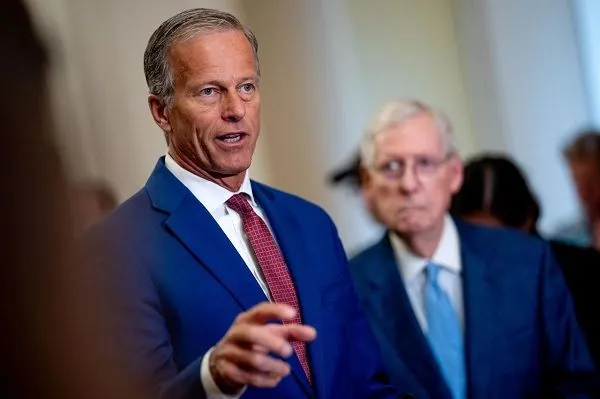
John Thune has become the new leader of the Republican Party in the US Senate, defeating a candidate from Trump's supporters. Senators demonstrated their independence from the future president by electing an experienced politician.
Senator John Thune of South Dakota has been elected leader of the Republican Party in the US Senate. He received the most votes during a secret ballot, which also included Florida representative Rick Scott, a politician supported by Donald Trump's inner circle, UNN reports with reference to the BBC.
Details
Previously, Mitch McConnell was the leader of the Republicans in the Senate, a position he held for the past 17 years.
According to media reports, Scott's candidacy was supported by the world's richest man, the owner of Tesla and Space X, Elon Musk, who works closely with Trump and will be appointed to a position in his administration. Scott is considered to be a less traditional politician and a brighter representative of the Trumpian wing of the Republican Party.
Trump will soon choose a special envoy to lead negotiations to end the war in Ukraine – mediaNov 13 2024, 04:40 PM • 14604 views
However, the senators preferred the familiar Senator Thune, who had been the second most influential Republican in the Senate (after McConnell) for the previous four years.
The publication adds that Trump does not formally interfere in the election of the Republican leader in the Senate, but members of his entourage tried to influence it. Therefore, the election of Thune can be seen as a demonstration of some independence of senators from the future owner of the White House.
Ukrainians awoke on Nov. 13 to news that U.S. President-elect Donald Trump had tapped Fox News host Pete Hegseth as his defense secretary — the most eyebrow-raising appointment announced so far by the incoming administration of Kyiv’s top Western ally.
Some in the U.S. expressed shock at the appointment of the 44-year-old veteran with little military leadership experience. But lawmakers and experts in Ukraine, a country dependent on foreign assistance in battling Russia’s full-scale invasion now in its third year, reacted cautiously and looked for signs of optimism.
Hegseth’s appointment follows news that Trump plans to appoint Congressman Mike Waltz as National Security Advisor and, reportedly but not confirmed yet by Trump’s team, Senator Marco Rubio as his next Secretary of State. Billionaire Elon Musk and wealthy entrepreneur Vivek Ramaswamy will head a new "Department of Government Efficiency" focused on government reforms, among other announcements.
Following Trump’s inauguration in January, appointees that require confirmation will take positions in the government if approved by U.S. legislators. Some positions, including national security advisor, do not require confirmation.
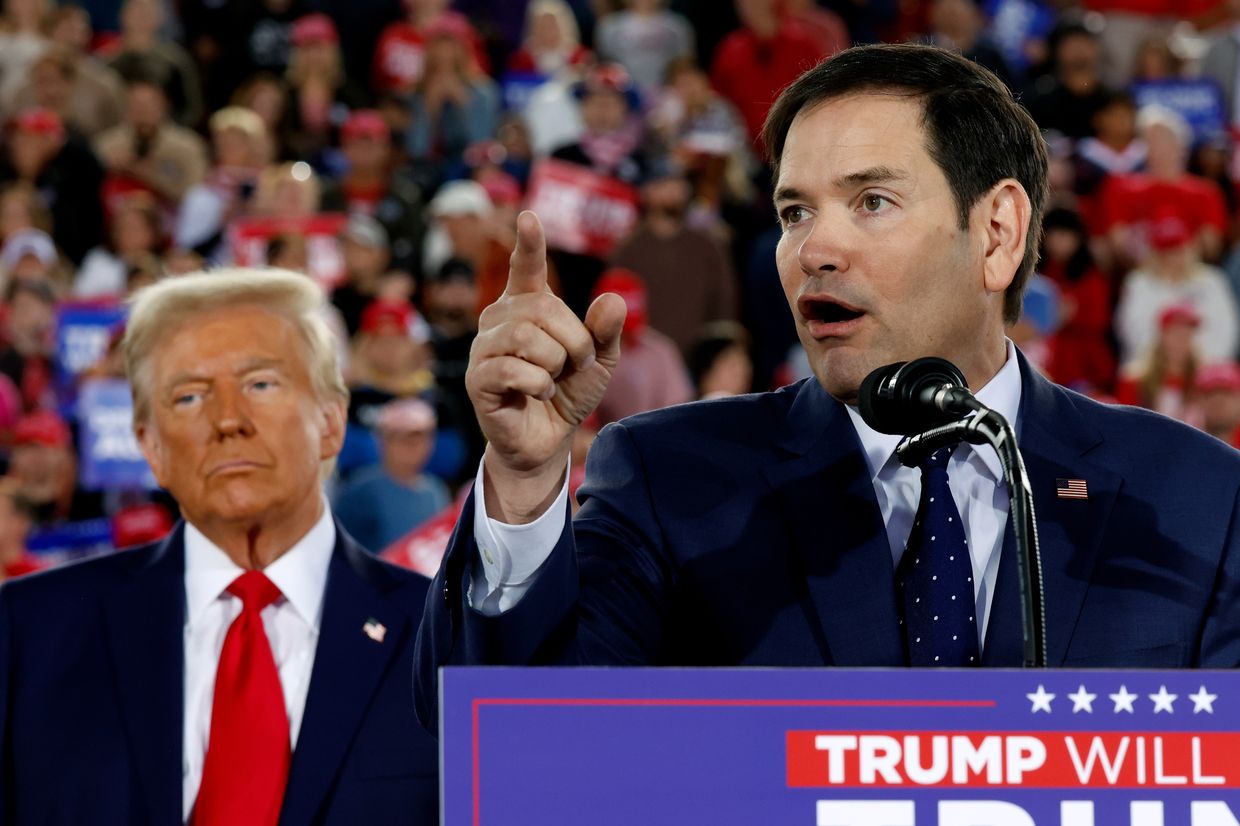
Donald Trump watches as U.S. Sen. Marco Rubio (R-FL) speaks during a campaign rally at the J.S. Dorton Arena on November 04, 2024 in Raleigh, North Carolina (Chip Somodevilla/Getty Images)
"I am quite optimistic about Trump’s recent appointments. First, some of these people have either a pro-Ukrainian or anti-Russian position," Andriy Lyubka, a writer and director of the Institute for Central European Strategy, told the Kyiv Independent.
"Secondly, in these chaotic, unmotivated appointments of people without professional political backgrounds, Trump is very similar to (President Volodymyr) Zelensky. They are both showmen, and I think that after a brief and unsuccessful attempt to get along with Putin, Trump will find in Zelensky a partner who is suitable for him and close in spirit."
Zelensky rose to power in 2019, winning more than 70% of the vote after decades as a comedian and entertainer, while Trump was well-known as a TV personality and entrepreneur before his first election as U.S. president in 2016.
"I think … Trump will find in Zelensky a partner who is suitable for him and close in spirit," said Andriy Lyubka, writer and director of the Institute for Central European Strategy
Their relationship has been strained since Trump’s first term when a 2019 phone call between the two led to Trump’s impeachment over allegations he pressured Zelensky to investigate political rivals by withholding military aid.
David Arakhamia, head of Zelensky’s Servant of the People parliamentary group, told the Kyiv Independent he did not have enough information to assess Hegseth’s appointment. However, the appointments of Rubio and Waltz provided "moderate reasons for optimism" in Ukraine, he added.
One reason is that the lawmakers on both sides have already been in contact, Arakhamia said.
“Second, neither of these (politicians) are isolationists. But in the end, we have to understand that the main things will be decided personally by President Trump,” he said.
After Trump’s election, Zelensky praised Trump’s approach of "peace through strength," saying, "This is exactly the principle that can practically bring just peace in Ukraine closer."
With Hegseth, Ukrainians adopt 'wait-and-see'
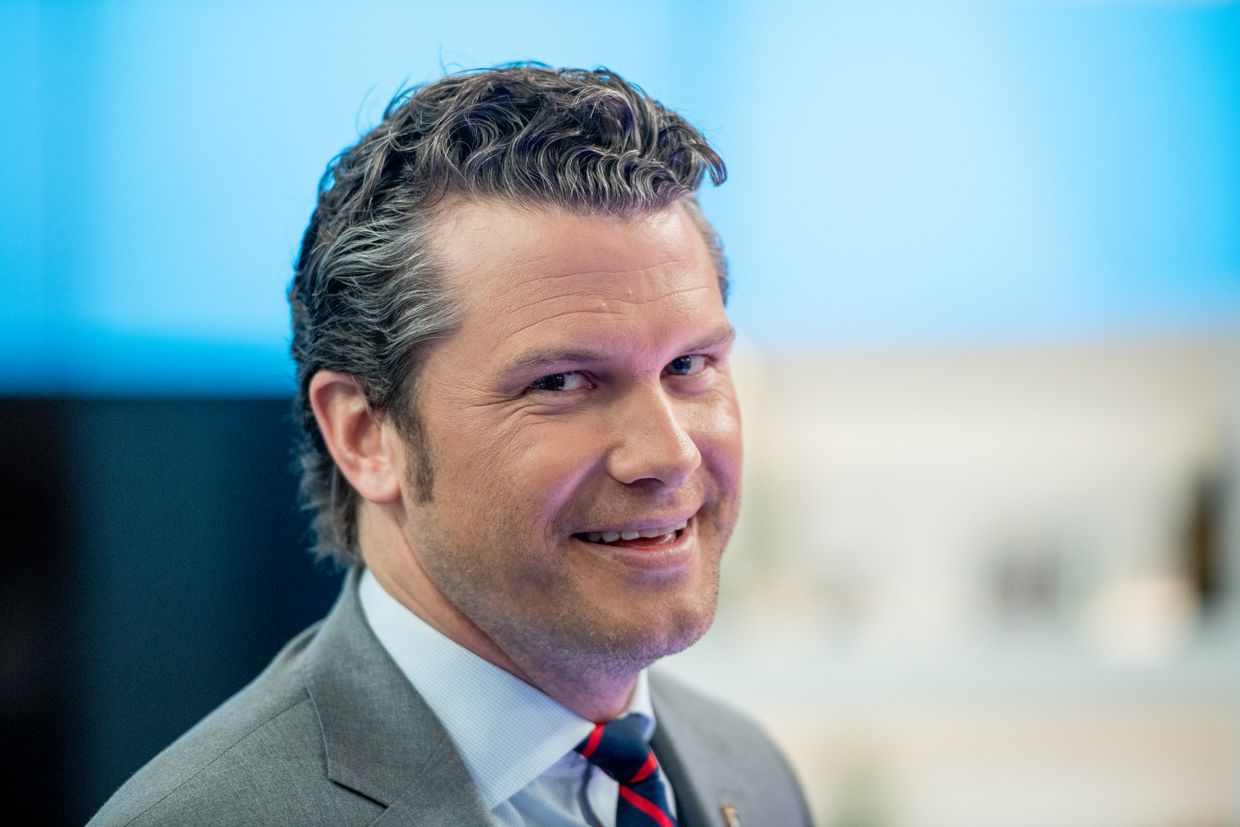
The biggest surprise among the recent appointments was Hegseth. He previously served as an infantry captain in the Army National Guard doing multiple tours of Afghanistan and Iraq but lacks significant military leadership experience.
To become defense secretary, Hegseth must be confirmed by a majority in the Senate, which Trump’s Republican Party will now hold following the elections.
If confirmed, he will replace Defense Secretary Lloyd Austin after Trump's inauguration in January. His slim experience could make it challenging for him to pass the necessary 50% threshold.
"We have a bit of a wait-and-see" to see how his positions toward Ukraine take shape — as well as how long his term in office lasts, said Lada Roslycky, founder and managing partner of the Ukraine-focused defense and security consulting group Black Trident.
"We've seen that Trump did fire his heads of department — particularly the defense — in the past. So how long he's actually going to be there, we don't know," she said.
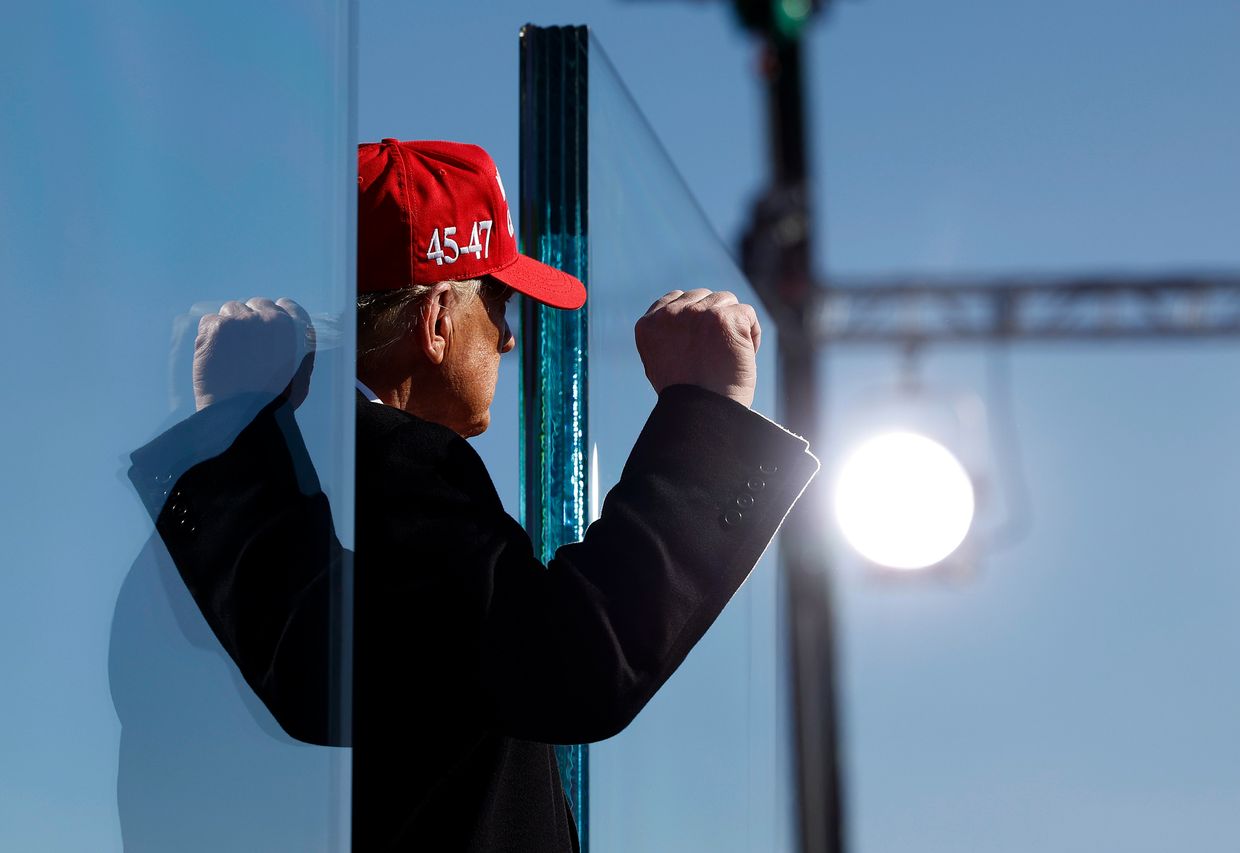
Former U.S. President Donald Trump holds a campaign rally at Lancaster Airport on November 03, 2024 in Lititz, Pennsylvania. (Chip Somodevilla/Getty Images)
Overall, she said, Trump’s messaging and appointees indicate that Ukraine will have to become more self-reliant and produce more of its own weapons.
In the first weeks of the full-scale invasion, Hegseth called Russian President Vladimir Putin an "authoritarian" and criticized Biden for not providing weapons fast enough.
"What’s at stake is repelling an authoritarian who basically is saying 'I want the Soviet Union back,'" Hegseth said on a March 7, 2022 Fox News broadcast. He added that the U.S. needed to be "equipping and supplying Ukraine faster than we have."
However, he has also stirred significant controversy with his comments about Ukraine and NATO.
Just days after the full-scale invasion began, Hegseth described the war as "important," but added, "It pales in comparison to the crime I see in my streets, to the wokeness I see in my culture, to the inflation I see at my pocketbook, to the real border I care about, which is the southern border, which is wide open."
"How long is (Hegseth) actually going to be there? We don't know," said Lada Roslycky, founder and managing partner of Black Trident
He has also echoed Trump’s skepticism toward NATO’s mutual defense commitments.
"Why should America, the European 'emergency contact number' for the past century, listen to self-righteous and impotent nations asking us to honor outdated and one-sided defense arrangements they no longer live up to?" Hegseth wrote in a book released this year.
Caught off-guard by the unexpected announcement, many Ukrainians are waiting to see how he will behave in office.
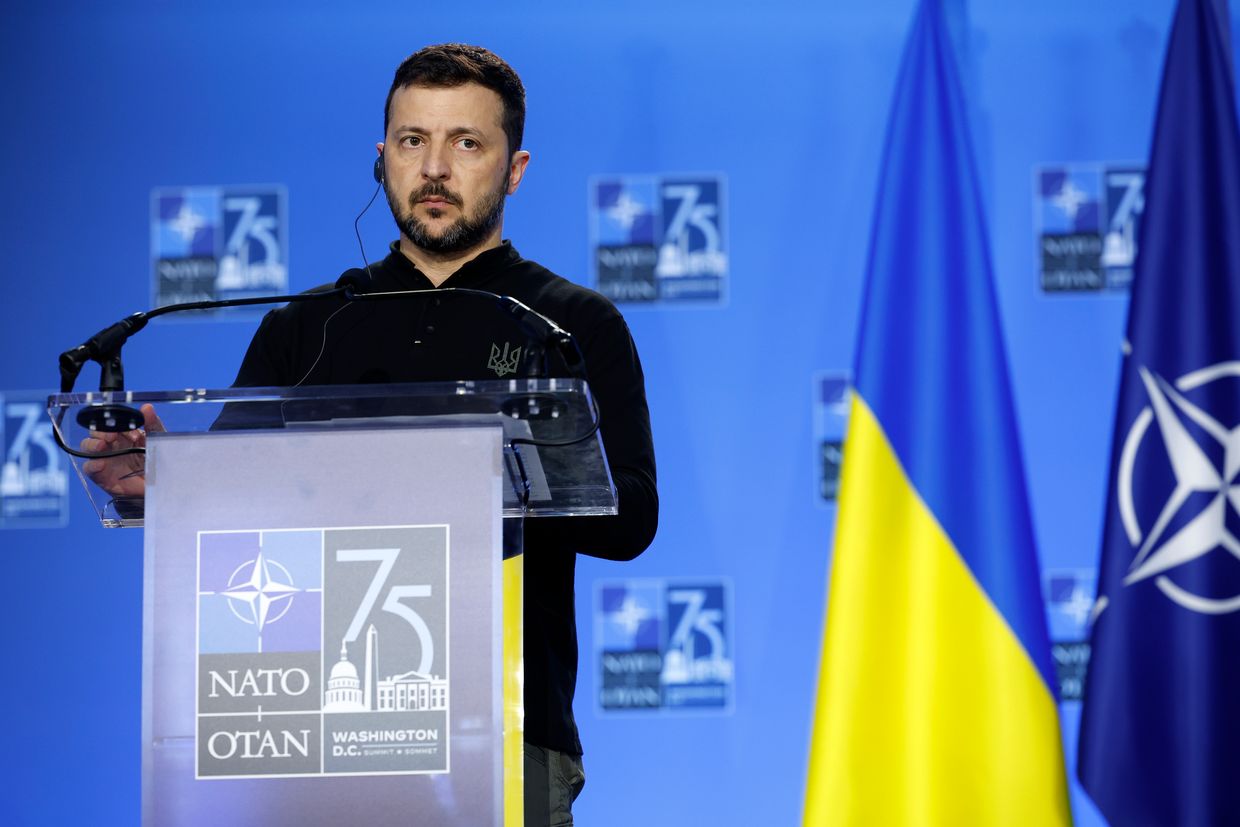
Ukrainian President Volodymyr Zelensky speaks during a joint press conference at the 2024 NATO Summit on July 11, 2024 in Washington, DC. (Kevin Dietsch/Getty Images)
"It’s hard to say now what kind of defense secretary he will be. I understand that one of the main criteria for Trump when he selects people for his administration is their loyalty, which is quite natural," said Oleksandr Merezhko, chair of the Foreign Affairs Committee in Ukraine’s parliament.
"At the end of the day, what matters is how he will perform his functions and whether he will be an efficient defense secretary."
‘The main problem is Musk’s influence’
Western analysts have noted that Trump’s reported picks of Waltz and Rubio elevate two known China hawks to key foreign policy positions, signaling that future U.S. foreign policy may center on China.
Serhii Fursa, the deputy managing director at Kyiv-based investment firm Dragon Capital, echoed views that the appointments announced so far "sound better than expected for Ukraine."
"When we see appointments that are connected to external policies, it's not people who are known as Russian sympathizers," Fursa said. "For us, the main problem is Musk's influence … If he focuses on domestic U.S. problems instead of external policy, we will be very happy."
Musk has repeatedly echoed pro-Russian talking points on Ukraine, including proposals to cede territory to Moscow. While his Starlink satellite company has played a crucial role in helping Ukraine’s Armed Forces, he has called to reduce aid to Ukraine and also reportedly has been communicating with Putin and other Kremlin officials since late 2022, according to the Wall Street Journal.
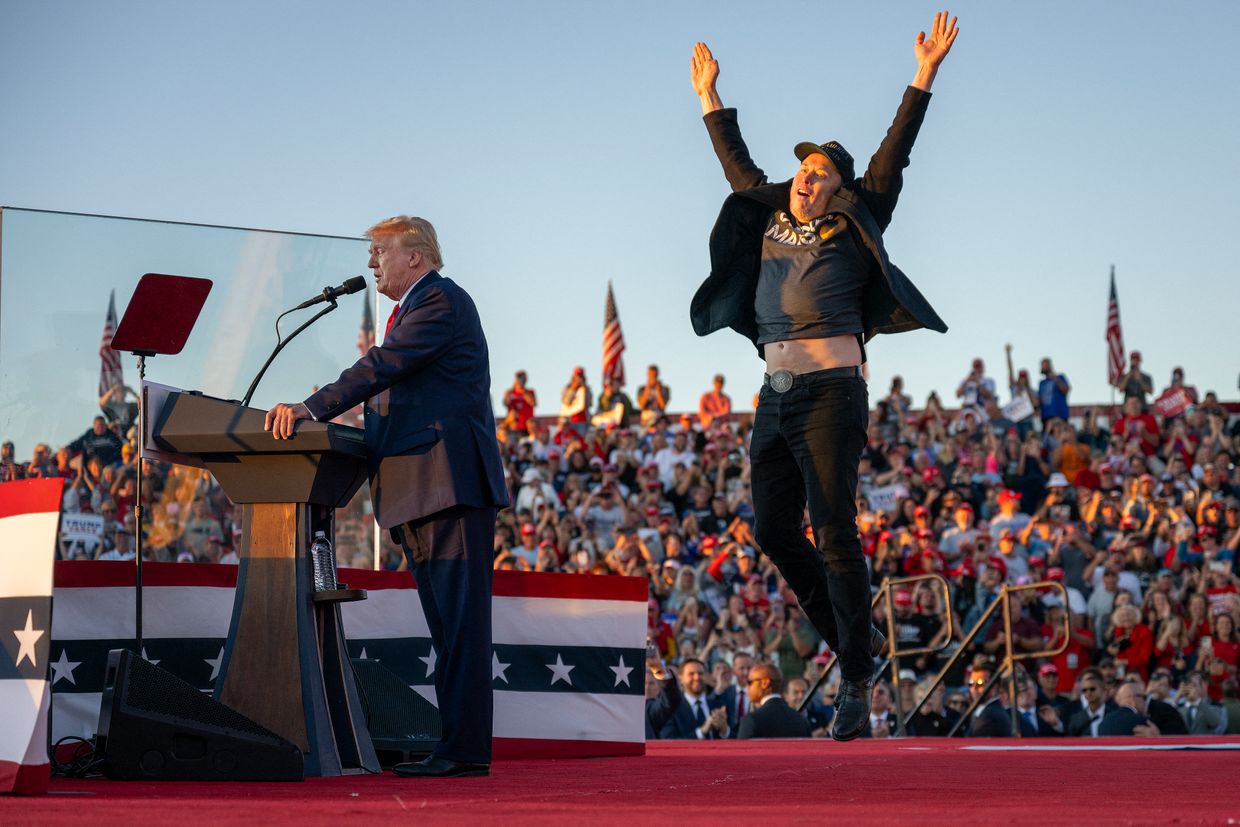
Tesla CEO Elon Musk (R) jumps on stage as he joins former U.S. President and Republican presidential candidate Donald Trump during a campaign rally at site of his first assassination attempt in Butler, Pennsylvania, U.S. on Oct. 5, 2024. (Jim Watson / AFP via Getty Images)
Ramaswamy, meanwhile, has been a vocal critic of providing military aid to Kyiv and advocated for the recognition of occupied territories as Russian since they are "Russian speaking."
Stanislav Zhelikhovskyi, a Ukrainian political scientist and a corresponding member of the Ukrainian Academy of Geopolitics and Geostrategy, said that his expectations for Musk are "not positive," though there was still a chance that his appointment was related to the negotiation process between Russia and Ukraine.
"Ramaswamy, in my opinion, is one of the most controversial appointments," Zhelikhovskyi added, highlighting Ramaswamy’s opposition to Ukraine’s membership in NATO and his support for the possibility of conceding territory to Russia.
"This cannot help but be alarming, given Trump's possible future arrangements with Putin," he said.
“For us, the main problem is Musk's influence," said Serhii Fursa, deputy managing director at Dragon Capital
Responding to the appointment of Musk and Ramaswamy, Arakhamia told the Kyiv Independent, "We will work with everyone."
"Once all the new appointees have access to intelligence reports and other classified material, I suppose a lot can change in their own assessments of the situation," Arakhamia added.
Kate Tsurkan, Dominic Culverwell, Chris York, Martin Fornusek, Dinara Khalilova, and Natalia Yermak contributed reporting.








 The Kyiv IndependentKateryna Denisova