The Biden administration has not seen any "indications of Russia preparing to use a nuclear weapon in Ukraine," White House Press Secretary Karin Jean-Pierre said on Nov. 21.
Speaking at a press briefing, Jean-Pierre also said the administration was "not surprised by Russia's announcement that it would update its nuclear doctrine," and they believed it was "irresponsible rhetoric."
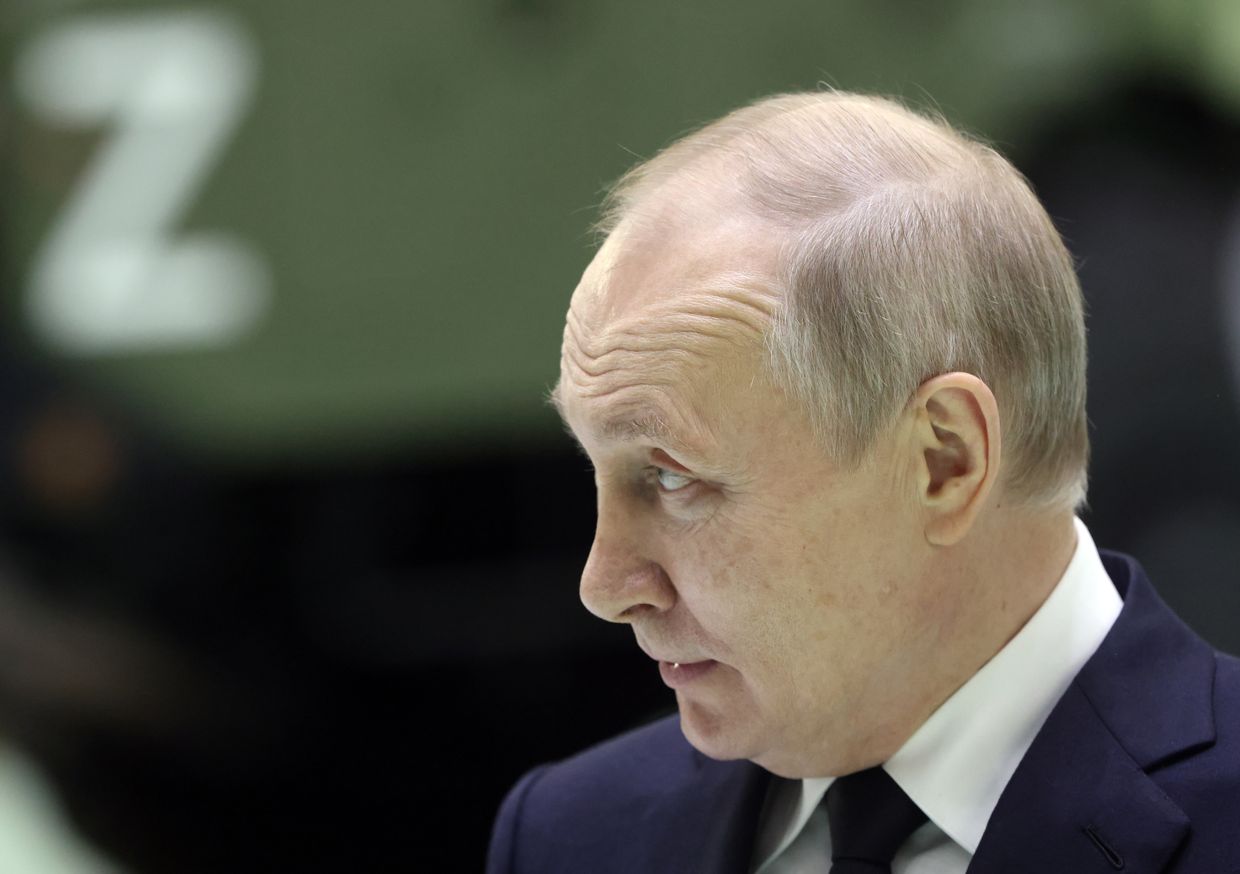
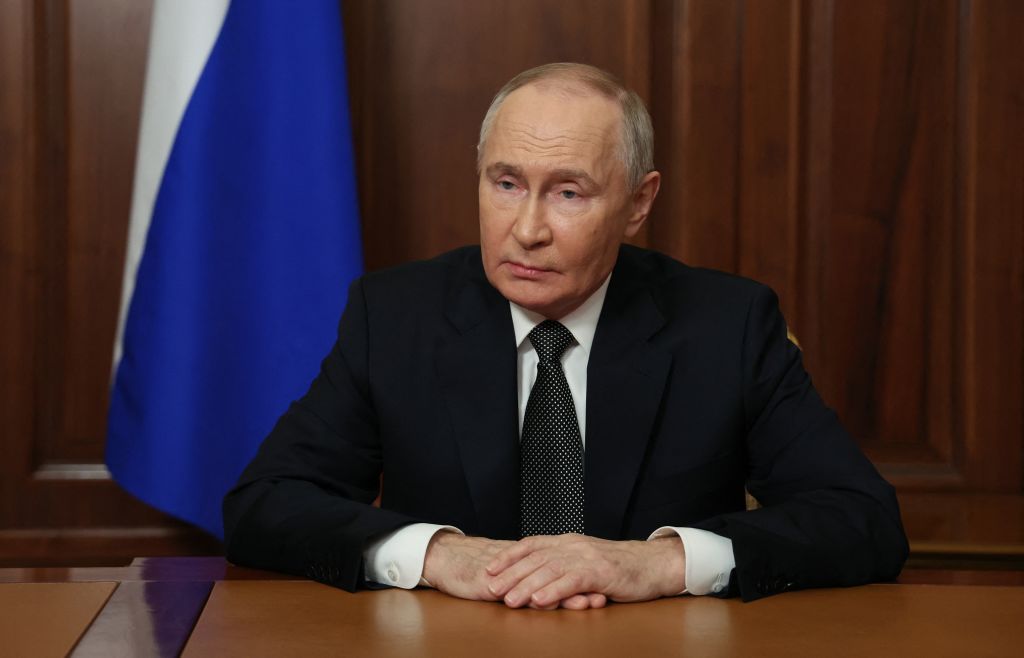
Russian President Vladimir Putin approved the country's new nuclear doctrine on Nov. 19. Kremlin spokesperson Dmitry Peskov said the changes should be seen as a "certain signal" to the West.
"This is more of the same irresponsible rhetoric that we continue to hear from Russia, which we have seen for more than two years now, if you think about their aggression, their war against Ukraine," Jean-Pierre said.
"We haven’t seen any indications of Russia preparing to use a nuclear weapon in Ukraine. We just have not seen that.
"And observing no changes to Russia’s nuclear posture, we have not seen any reason to adjust our own nuclear posture or doctrine in response to Russia’s statements."
Deputy Pentagon Press Secretary Sabrina Singh on Nov. 20 also dismissed Russia’s rhetoric surrounding its nuclear policy as a continuation of its behavior over the past two years.
Since the start of its full-scale invasion of Ukraine in February 2022, Russia has made a series of nuclear threats against Ukraine and the West, none of which have materialized.
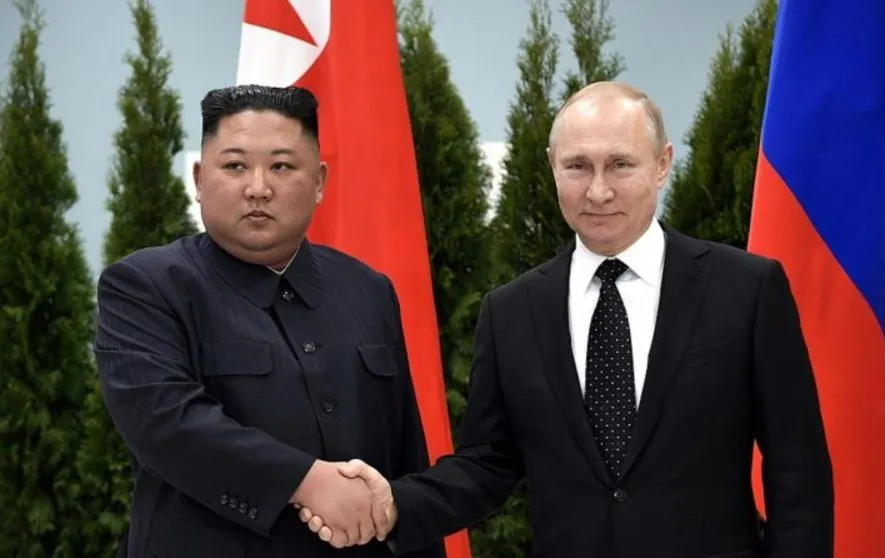
North Korea received anti-aircraft missiles and air defense equipment for the capital from Russia. In exchange, the DPRK sent military personnel to support the Russian occupation forces.
Anti-aircraft missiles were transferred to the DPRK from the Russian Federation in exchange for the deployment of Pyongyang's troops to the Russian occupation forces. Reported by UNN with reference to AP.
Details
Air defense missiles in exchange for sending troops – this is the deal that Russia and North Korea have probably made. A high-ranking South Korean official reports that Russia is most likely interested in such an exchange.
Shin Wonsik, President Yun Suk-yeol's national security adviser, told SBS television on Friday that South Korea has discovered that Russia has provided missiles and other equipment to bolster its air defense network in the capital Pyongyang.
– reports Associated Press.
Recall
Colonel General Kim Yong Bok, deputy head of the KPA General Staff, arrived in Russia among 500 officers. His specific mission is unknown; he previously commanded the DPRK Special Forces Corps.
South Korean intelligence reveals the real number of DPRK troops in RussiaNov 21 2024, 07:21 AM • 15358 views
Russia has lost 728,300 troops in Ukraine since the beginning of its full-scale invasion on Feb. 24, 2022, the General Staff of Ukraine's Armed Forces reported on Nov. 22.
This number includes 1,050 casualties Russian forces suffered just over the past day.
According to the report, Russia has also lost 9,399 tanks, 19,156 armored fighting vehicles, 29,777 vehicles and fuel tanks, 20,736 artillery systems, 1,254 multiple launch rocket systems, 1004 air defense systems, 369 airplanes, 329 helicopters, 19,260 drones, 28 ships and boats, and one submarine.
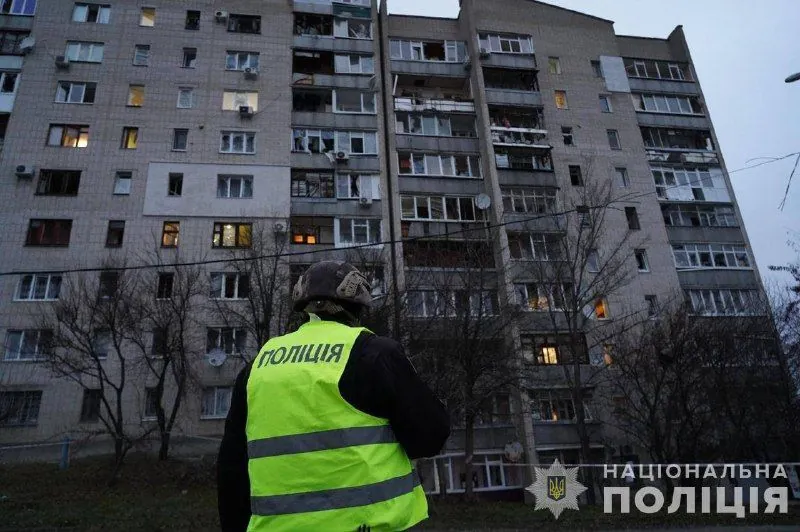
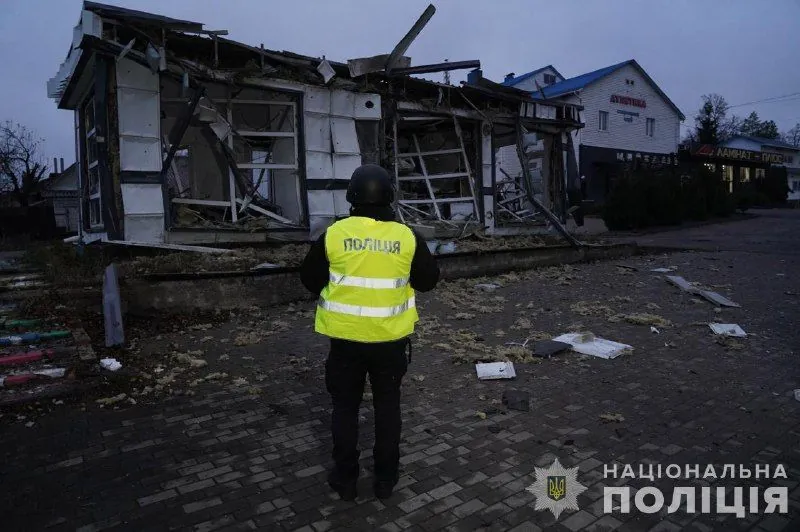
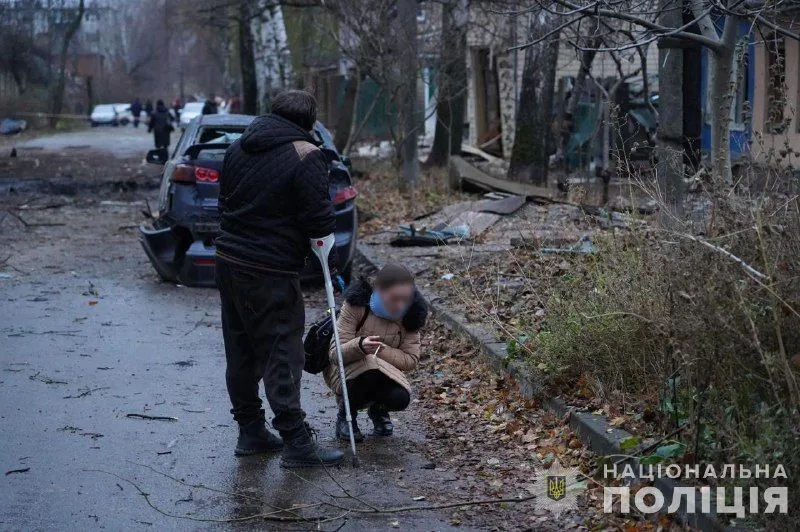
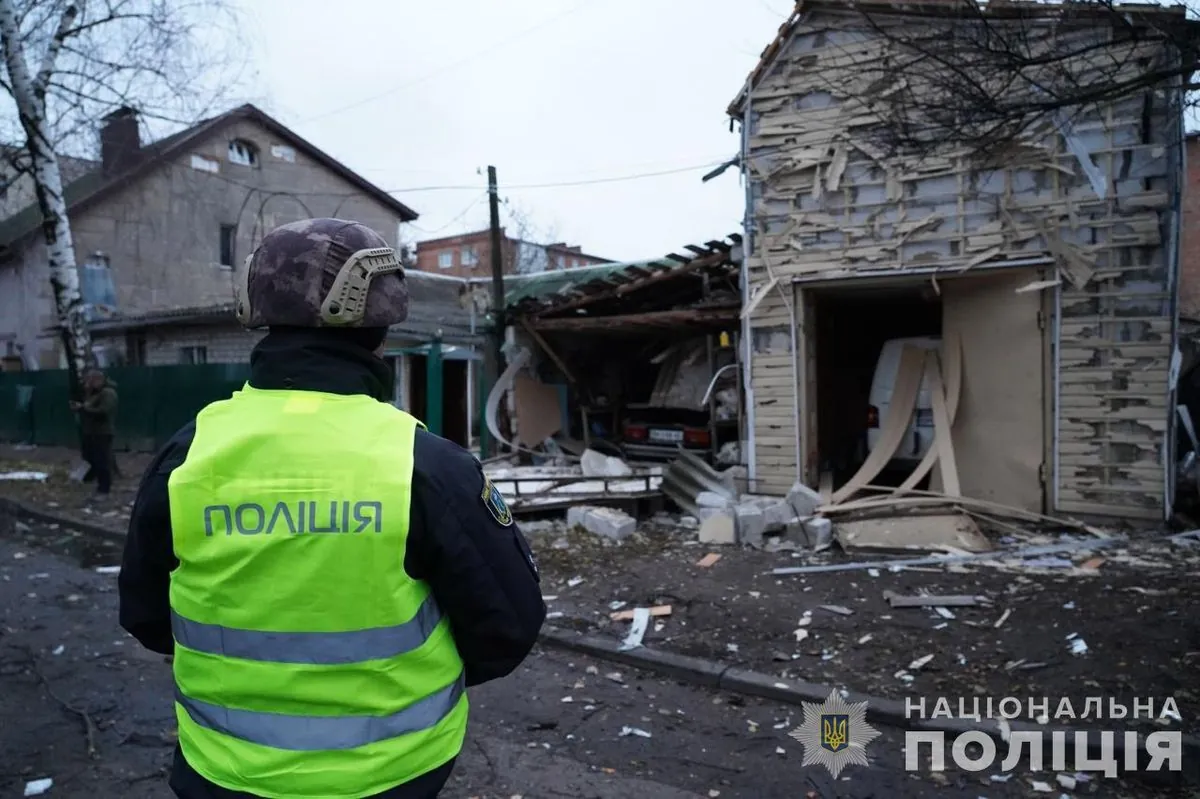
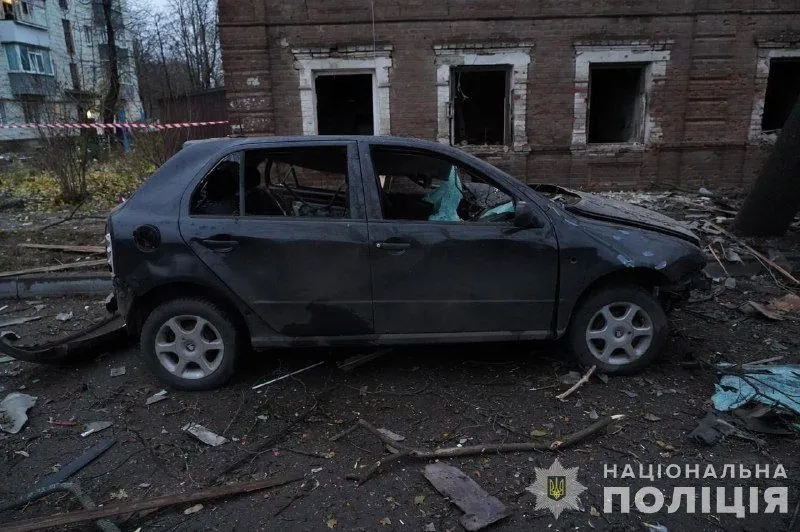
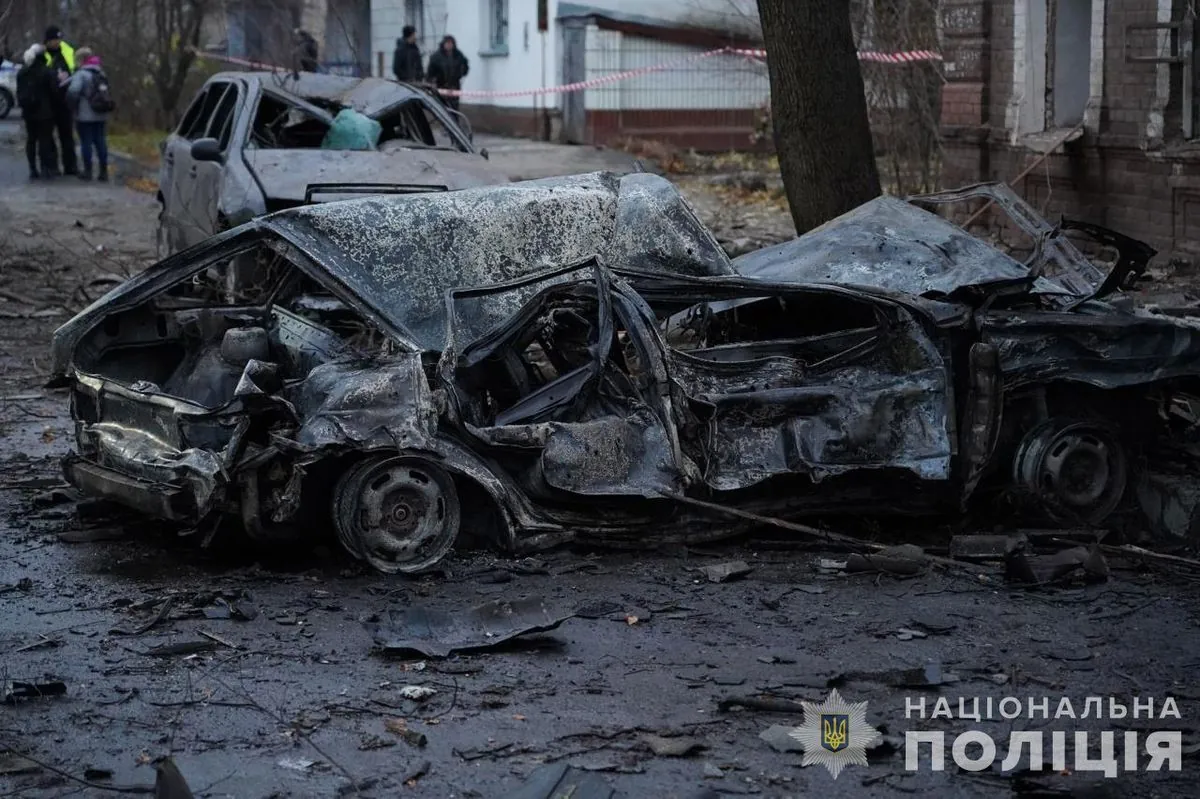
Russian troops attacked the Sumy community with three Shahed drones. The attack killed 2 people, wounded 12, and damaged residential buildings and cars.
On the morning of November 22, the Russian army attacked the Sumy community with hostile drones, killing two people and injuring 12 others, the Sumy RMA reported on Friday, UNN reported .
This morning the enemy attacked Sumy community with a Shahed UAV (3 explosions). As a result of the strikes, 2 people were killed, 12 were wounded, and apartment buildings, private houses, and cars were damaged
– , the RMA said in a statement.
Previously
In the morning of November 22, explosions were reported in the area of Sumy. The enemy attacked the region with drones. Powerful explosions were heard.
Russia using an intercontinental ballistic missile (ICBM) against Ukraine would be a "clear escalation" by Moscow, EU foreign affairs spokesperson Peter Stano told reporters on Nov. 21 after Kyiv said Russian forces deployed the weapon.
"While we're assessing the full facts, it's obvious that such (an) attack would mark yet another clear escalation from the side of (Russian President Vladimir) Putin," Stano said, according to AFP.
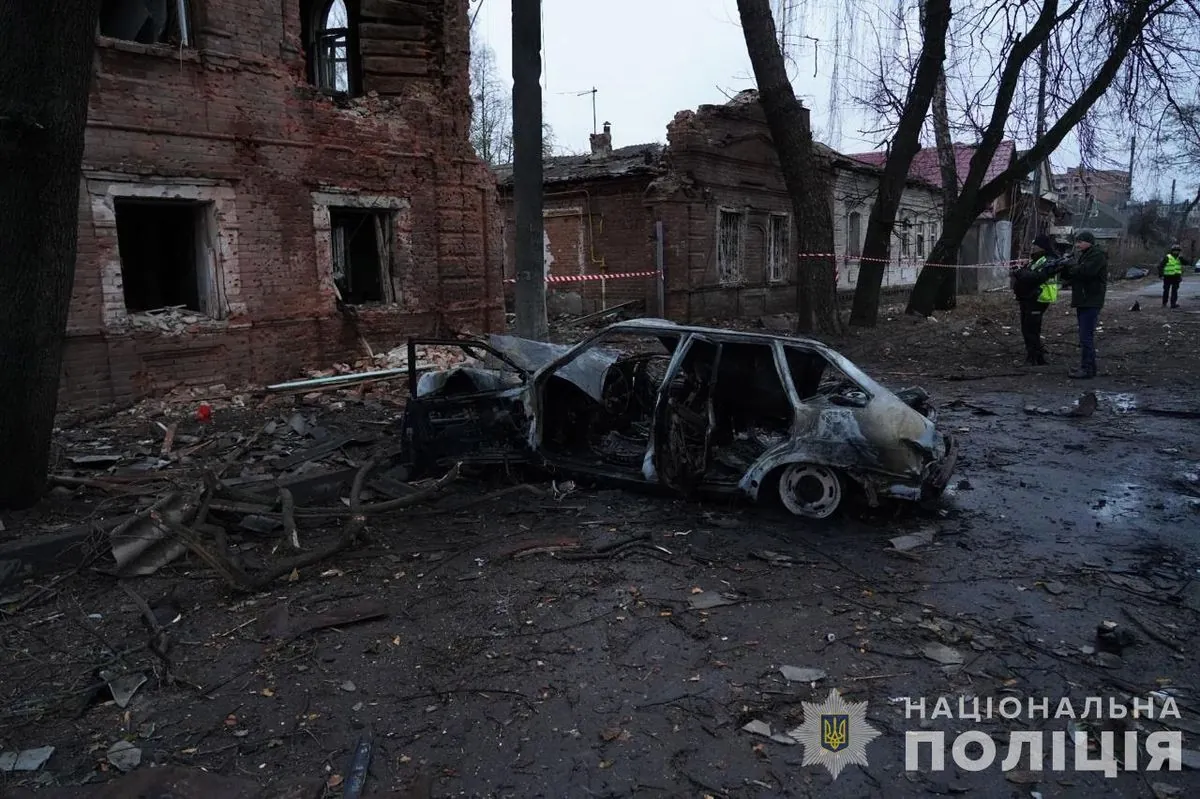
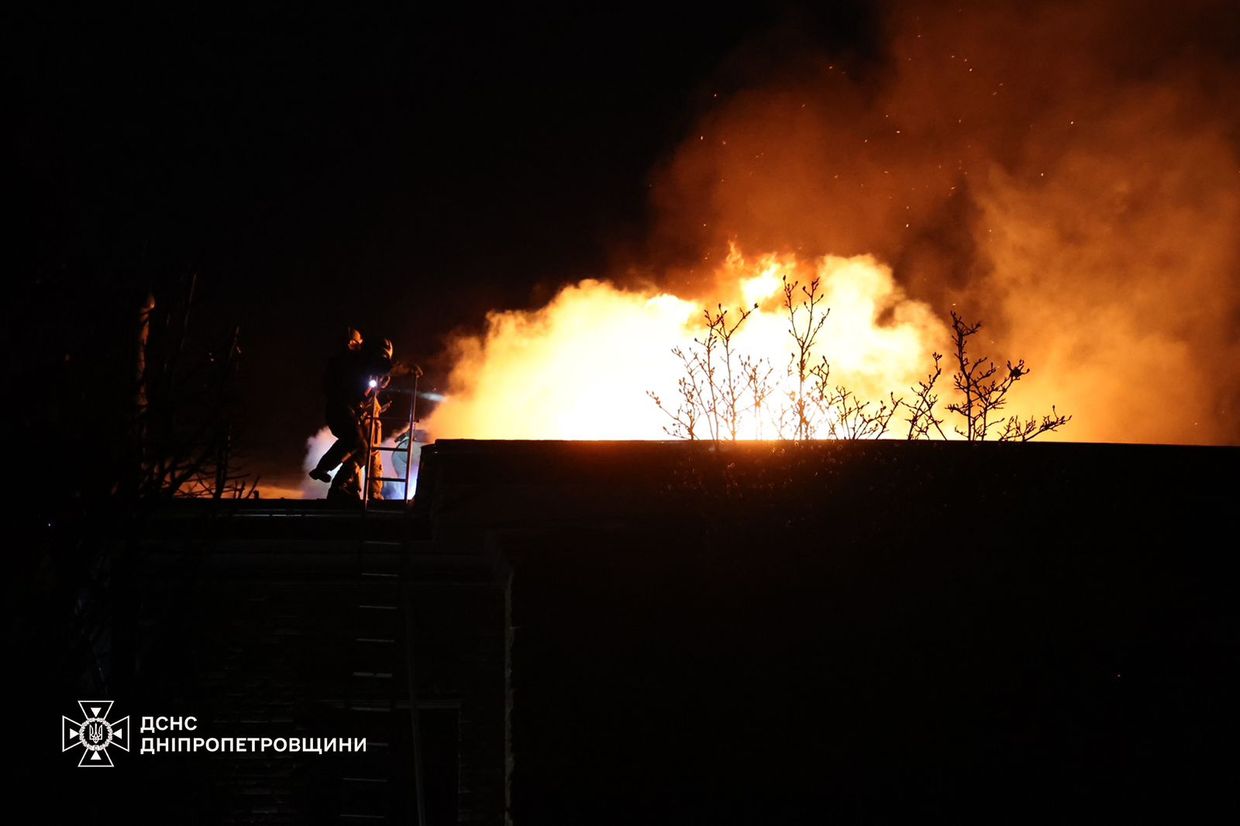
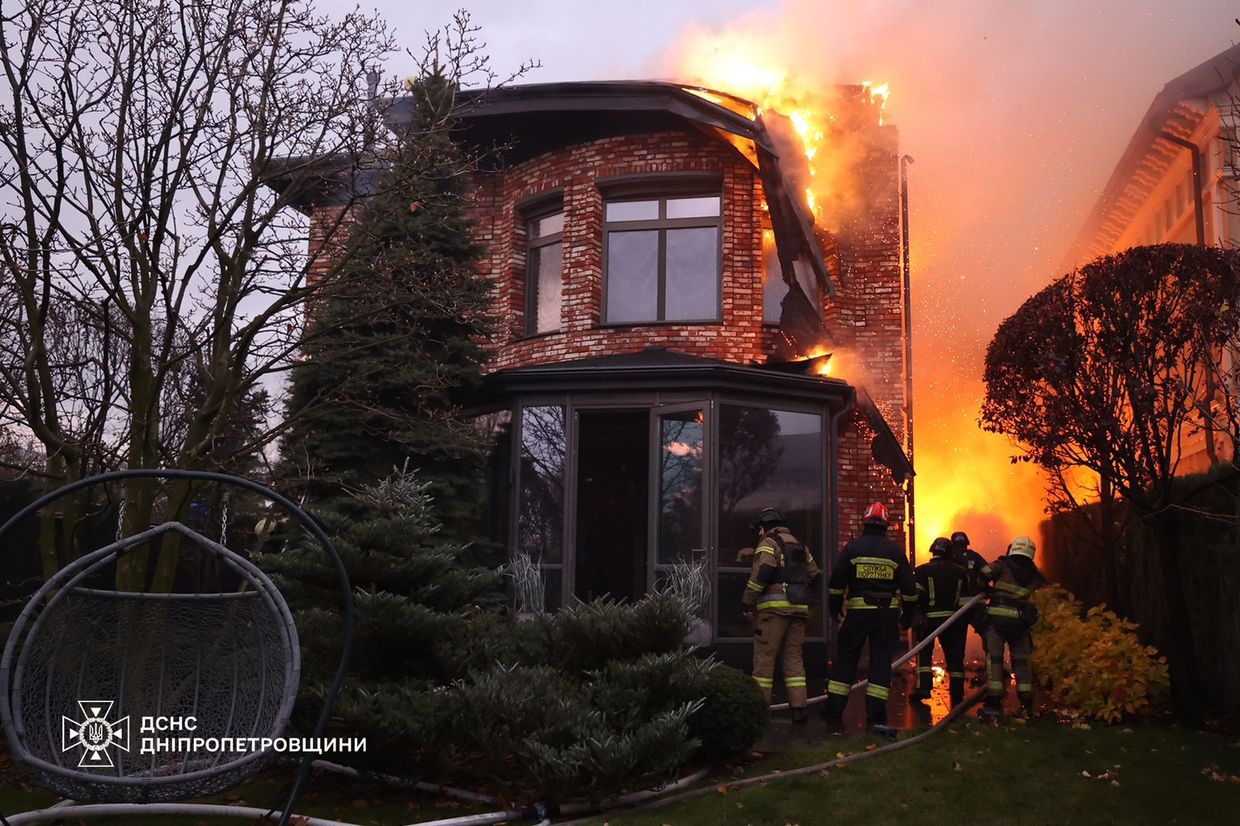
The Ukrainian Air Force said that Russia launched nine missiles, including a conventional ICBM, against the central-eastern city of Dnipro on the morning of Nov. 21, injuring at least two people and damaging several buildings.
President Volodymyr Zelensky later clarified that the investigation is ongoing but that the missile's "speed and altitude suggest intercontinental ballistic capabilities."
If confirmed, it would mark the first occasion of Russia deploying an ICBM in the war against Ukraine, coming shortly after the U.S. permitted Ukraine to carry out strikes in Russia with Western long-range missiles and after Russia updated its nuclear deterrence policy.
While an undisclosed Ukrainian official told ABC News that Ukraine was "95%" certain Russia deployed an ICBM, a Western official quoted by the news outlet disputed the claim, saying it resembled a regular ballistic missile.
It remains unclear what type of ICBM was reportedly deployed. The missile was launched from Astrakhan Oblast in southern Russia, over 700 kilometers (435 miles) east of Dnipro.
Russia has not immediately commented. In a video clip widely shared in the media, Russian Foreign Ministry spokesperson Maria Zakharova received a phone call during a press conference apparently asking her not to comment on reports about "ballistic missile strikes."
Zakharova later claimed she was merely asking "experts whether this was our topic," and the "answer came during the briefing: the Foreign Ministry does not comment. There is no conspiracy."
If the use of such a weapon is confirmed, it would mark "quantitative and qualitative change" in the war, according to Stano.
According to the spokesperson, Russia is "playing a nuclear gamble. Whether they really mean it, it's very hard to foresee."
"We only know that this is irresponsible and this constitutes a global threat," he added.
The Pentagon has confirmed the provision of anti-personnel mines to Ukraine for use exclusively on its own territory. The decision was made due to a change in the tactics of Russian troops on the battlefield.
The US Department of Defense assured that the Ukrainian Defense Forces will use the anti-personnel mines provided by Washington only on their own territory. This was announced at a briefing by Deputy Pentagon spokesperson Sabrina Singh, UNN reports.
The Ukrainians have given us their assurances that they are going to use them only in Ukraine… We offer different types of mines. I'm just not going to go into further details
– Singh said.
The Pentagon deputy spokeswoman added that the reason why the US is providing anti-personnel mines to Ukraine is that "the battlefield and the fight has changed" in the context of Russia's ongoing war against Ukraine, and Washington is responding in terms of providing assistance to the Ukrainian armed forces.
Russia has changed its tactics. So they are not conducting (offensives – ed.) with their mechanized forces,
– Singh said.
Recall
The Biden administration has authorized Ukraine to use American anti-personnel mines to deter the Russian offensive. The decision was made due to a change in the tactics of Russian troops on the battlefield.
Russian President Vladimir Putin said that during the Nov. 21 strike on Dnipro, Russia tested a new intermediate-range ballistic missile — Oreshnik (Hazel).
Russian forces launched a missile attack on the city earlier in the day, reportedly using a new type of ballistic missile. Ukrainian authorities have not confirmed the type of missile used in the strike.
Putin claimed Ukraine targeted facilities in Russia’s Kursk and Bryansk oblasts with long-range ATACMS and Storm Shadow missiles on Nov. 19 and 20. In response, Russian forces launched a combined attack on a defense industry facility in Dnipro, according to the Russian president.
The Oreshnik missile is designed to carry nuclear weapons. However, Putin said it was not armed with a nuclear warhead in this instance. Putin warned that Russia would use weapons against any country whose arms are used to strike Russian targets. Putin claimed that the U.S. was allegedly planning to produce and deploy medium- and shorter-range missiles in Ukraine. The Russian president also promised that he would warn Ukrainian civilians and citizens of other countries in advance to leave the area of possible weapons impact. President Volodymyr Zelensky said earlier that Putin is using Ukraine as "a testing ground" by launching missiles at Ukrainian cities. The recent attack against damaged an industrial enterprise, two houses, and nine garages and caused two fires, said Dnipropetrovsk Oblast Governor Serhii Lysak. A rehabilitation center for people with disabilities was also damaged, Mayor Borys Filatov said. Two people were injured in the strike.
In the temporarily occupied areas of Zaporizhzhia region, utility workers have not been paid since the summer. This has led to massive layoffs and a critical shortage of staff.
A dangerous situation has arisen in the temporarily occupied districts of Zaporizhzhia region due to the suspension of salary payments to housing and communal services workers. This was reported by the Center of National Resistance (CNR), UNN reports.
Details
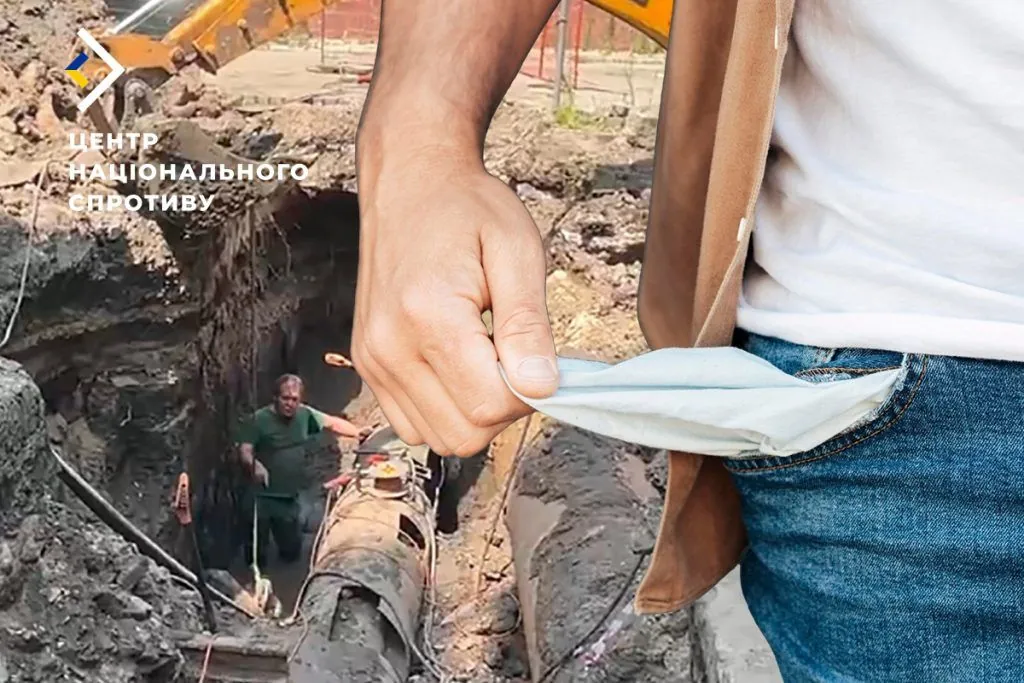
It is noted that due to the suspension of payments, the situation is getting out of control. There is a critical shortage of workers in the housing and utilities sector, and those who are trying to ensure the life of the Melitopol district are not receiving salaries.
83 employees of the Yakymivka district's "reformed" housing and communal services have been working "for gratitude" since the summer. As a result, layoffs have begun at the company. The situation looks especially dangerous at the beginning of the heating season and winter,
– the statement said.
The CNS added that the work of the occupiers in the bombed-out Ukrainian cities is only to spray the Kremlin's funds allocated for "reconstruction.
For example, in the temporarily occupied Mariupol, local residents were promised to install windows in their destroyed houses only after the end of the "military operation",
-summarized in the Resistance.
russians militarize Ukrainian children in the occupied part of Zaporizhzhia – FedorovFeb 14 2024, 05:11 PM • 26645 views
Russia used new 'Oreshnik' intermediate-range ballistic missile against Ukraine, Putin says
Ukrainian UAVs reportedly strike Russian border regions, industrial facility hit
Hungary deploys air defenses near Ukraine, cites war escalation after US allows strikes in Russia
Russian troops suspected of executing Ukrainian POWs in Kursk Oblast, ombudsman says
Zaporizhzhia nuclear plant faces 2nd blackout of the week after Russian attacks
Russian President Vladimir Putin said that during the Nov. 21 strike on Dnipro, Russia tested a new intermediate-range ballistic missile — Oreshnik (Hazel).
Russian forces launched a missile attack on the city earlier in the day, reportedly using a new type of ballistic missile. Ukrainian authorities have not confirmed the type of missile used in the strike.
Putin claimed Ukraine targeted facilities in Russia's Kursk and Bryansk oblasts with long-range ATACMS and Storm Shadow missiles on Nov. 19 and 20. In response, Russian forces launched a combined attack on a defense industry facility in Dnipro, according to the Russian president.
The Oreshnik missile is designed to carry nuclear weapons. However, Putin said it was not armed with a nuclear warhead in this instance. Putin warned that Russia would use weapons against any country whose arms are used to strike Russian targets. Putin claimed that the U.S. was allegedly planning to produce and deploy medium- and shorter-range missiles in Ukraine. The Russian president also promised that he would warn Ukrainian civilians and citizens of other countries in advance to leave the area of possible weapons impact. President Volodymyr Zelensky said earlier that Putin is using Ukraine as "a testing ground" by launching missiles at Ukrainian cities. The recent attack against damaged an industrial enterprise, two houses, and nine garages and caused two fires, said Dnipropetrovsk Oblast Governor Serhii Lysak. A rehabilitation center for people with disabilities was also damaged, Mayor Borys Filatov said. Two people were injured in the strike.
Ukrainian UAVs reportedly strike Russian border regions, industrial facility hit
Russian authorities reported Ukrainian drone strikes against the border regions of Rostov and Voronezh on Nov. 21, claiming that an industrial facility had been hit.
Russia's Defense Ministry claimed that its forces intercepted two drones over the two regions, making no mention of possible damage or whether some of the drones slipped through the defenses.
Yuri Slyusar, the acting governor of Rostov Oblast, said on his Telegram channel that a fire broke out at an industrial facility in the central Konstantinovsky district because of a "drone crash."
Slyusar claimed that firefighters quickly extinguished the fire. The type of the facility and the full extent of damage were not specified.
Another drone was reportedly downed in Rostov Oblast's Myasnikovsky district, inflicting no damage. No casualties were reported.
The airport in the city of Volgograd, lying northeast of Rostov Oblast, temporarily suspended operations due to safety concerns, the Federal Air Transport Agency (Rosaviatsiya) reported.
The Kyiv Independent could not verify all of the claims.
Kyiv launches regular drone strikes against Russian territory, targeting military and industrial facilities to undermine Russia's war effort in Ukraine.
Two industrial facilities – including a factory producing cargo drones for the Russian military – and a military arsenal were allegedly hit during drone attacks overnight on Nov. 20.
Hungary deploys air defenses near Ukraine, cites war escalation after US allows strikes in Russia
Hungary is deploying air defense systems near the Ukrainian border, citing increased risks after the West allowed the use of long-range weapons inside Russian territory, Defense Minister Kristof Szalay-Bobrovniczky said on Nov. 20.
The minister ordered the deployment of air defense systems in the country's northeastern regions, saying that "the war has entered its most dangerous phase."
Szalay-Bobrovniczky attributed this escalation namely to the easing of restrictions on Ukrainian strikes with Western arms and linked it to Russian President Vladimir Putin's approval of an updated nuclear doctrine.
This decision comes after two Russian missiles were shot down on Nov. 17 in Zakarpattia Oblast, Ukraine's westernmost region bordering Hungary and home to an estimated 75,000 ethnic Hungarians.
On that occasion, Hungarian Foreign Minister Peter Szijjarto said that it was necessary to "strengthen efforts to bring peace" as "each day brings with it the risk of escalating war."
Budapest has consistently criticized and obstructed Western military support for Ukraine, claiming it would lead to an escalation, and has maintained warm ties with Moscow throughout the full-scale war.
Previously, Russian drones and missiles launched during strikes on Ukraine have crossed into the airspace of other countries, namely Poland, Latvia, Romania, Moldova, and Belarus.
The latest development in Hungary follows a series of increasingly strong resolutions by Ukraine's Western allies.
After U.S. Secretary of State Antony Blinken pledged that the Biden administration would bolster support for Kyiv before the inauguration of President-elect Donald Trump, President Joe Biden on Nov. 17 allowed Ukraine to use ATACMS missiles to strike deep inside Russian territory.
Ukraine reportedly used ATACMS missiles to strike a Russian military arsenal in Bryansk Oblast on Nov. 19 and allegedly also used U.K.-supplied Storm Shadow on Nov. 20, marking the first instance of these weapons being used on Russian soil.
Other Western allies have expressed their position on their own supplied weapons.
French Foreign Minister Jean-Noel Barrot said on Nov. 18 that Paris "remained open" to allowing Ukraine to use French long-range missiles to strike military targets inside Russia, reported Le Monde.
Italian Prime Minister Giorgia Meloni said that she "understands" the U.S. response to Russia, but Rome makes a "different choice" and focuses on air defenses for Ukraine.
Russian troops suspected of executing Ukrainian POWs in Kursk Oblast, ombudsman says
Russian forces are suspected of summarily executing a group of Ukrainian prisoners of war (POW) in Russia's Kursk Oblast, Ombudsman Dmytro Lubinets reported on Nov. 20.
Lubinets said that the prisoners were "surrounded" but gave no other details, in particular on the number of victims.
Reports of murders, torture, and ill-treatment of Ukrainian POWs are received regularly by Ukrainian authorities and have spiked in recent months.
"I have sent letters to the U.N. and the ICRC about this crime," Lubinets said, reporting the suspected crime on his Telegram channel.
"The international community must act immediately. The occupying country has once again violated the Geneva Convention on the treatment of prisoners of war," he added.
The Armyinform news outlet ties this announcement to a video taken by a drone camera purporting to show the execution.
It shows 10 unarmed people lying on the ground with at least five armed men standing over them. At one point, they start shooting at the people on the ground.
Heavy fighting has been ongoing in the Russian border region of Kursk since Ukraine launched an offensive there in early August.
Earlier the same day, the Prosecutor General's Office announced another shooting of captured Ukrainian military personnel by Russian troops in the Pokrovsk area in Ukraine.
Former Prosecutor General Kostin on Oct. 15 called the killing of captured Ukrainian service members in captivity a "deliberate policy of the Russian Federation."
The execution of prisoners of war constitutes a grave violation of the Geneva Convention.
Russian forces had executed at least 124 Ukrainian prisoners of war since 2022 as of Nov. 6, authorities said at the time, while the number continues to grow. On top of that, at least 177 Ukrainian prisoners have died in Russian captivity, according to a representative of the Ukrainian Coordination Center for the Treatment of Prisoners of War.
Zaporizhzhia nuclear plant faces 2nd blackout of the week after Russian attacks
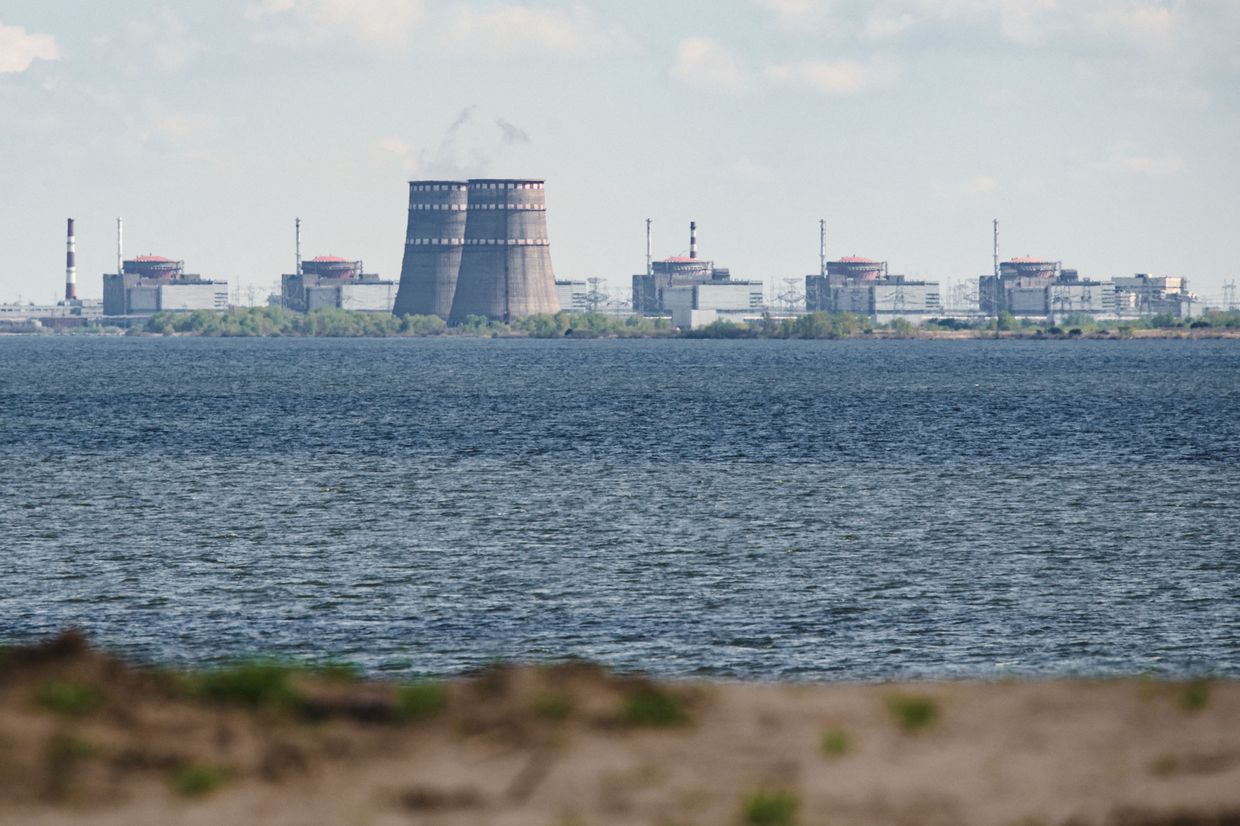
The Russian-occupied Zaporizhzhia Nuclear Power Plant is on the verge of a blackout after Russian attacks on power lines left the plant connected to only one line, the Energy Ministry reported on Nov. 21.
This is the second time this week that the plant has been seriously threatened by a blackout, which could compromise conditions for safe operation and cause an accident.
At the moment, the plant is connected to the Ukrainian power grid by only one transmission line.
Similar incidents have been reported throughout the full-scale war, with Kyiv accusing Russia of threatening the security of the plant. Russia has occupied the Zaporizhzhia plant, the largest nuclear station in Europe, since March 2022.
Energy Minister Herman Halushchenko confirmed that if the last line is cut off, there will be a complete blackout, as reported by the Energy Ministry's Telegram channel.
The Zaporizhzhia plant is not the only one causing concern.
The Khmelnytskyi, Rivne, and Southern Ukrainian plants were forced to decrease output on Nov. 17 after a massive Russian aerial strike targeted several substations critical to their power supply.
Greenpeace warned that Ukraine's power grid was at "heightened risk of catastrophic failure" after the mass missile and drone attack targeted the electrical substations.
The head of the International Atomic Energy Agency (IAEA), Rafael Grossi, confirmed in a statement on Nov. 17 that Ukraine's nuclear power plants had to reduce their electricity production as a precautionary measure due to large-scale missile attacks.
The attacks on Ukraine's infrastructure led to "increased nuclear safety and security risks," Grossi agreed.
Allowing Ukraine to regain control "is the only way to ensure the safe operation of the Zaporizhzhia Nuclear Power Plant," Halushchenko said.
The UN has expressed concern over Russia's use of new intermediate-range ballistic missile weapons to attack Ukraine. The organization calls for de-escalation of the conflict in accordance with international law.
The United Nations has expressed concern over Russia's use of new intermediate-range ballistic missile weapons to strike Ukraine. This was reported by CNN, according to UNN.
The situation is going in the wrong direction. We want all parties to take immediate steps to de-escalate the situation. We want to put an end to this conflict in accordance with General Assembly resolutions, international law and territorial integrity.
– the statement said.
Recall
Ukraine's Foreign Ministry reacted to Putin's statement about the Oreshnik missile strike on the Dnipro. The Foreign Ministry spokesperson emphasized Ukraine's right to strike military targets on the territory of Russia in accordance with Article 51 of the UN Charter.


 The Kyiv IndependentAlisa Yurchenko