Enemy shelling in Kherson region killed 2 people and wounded 15. 28 houses in 13 settlements were damaged, and a drone attack was recorded, which was shot down by air defense.
Enemy shelling in Kherson region killed 2 people and wounded 15 others. This was reported by the head of the Kherson RMA Oleksandr Prokudin, UNN reports.
Details
The enemy struck at critical and social infrastructure, damaging several residential buildings, including five multi-storey buildings and 23 private homes. In addition, private cars were damaged as a result of the attacks.
The towns and villages that came under fire were Antonivka, Veletenske, Shyroka Balka, Mykilske, Oleksandrivka, Stanislav, Novovorontsovka, Bilozerka, Tomaryne, Chervonyi Mayak, Komyshany, Novoraysk and others. Residential areas sustained the most damage.
As a result of these attacks, two people were killed and 15 others were injured of varying severity.
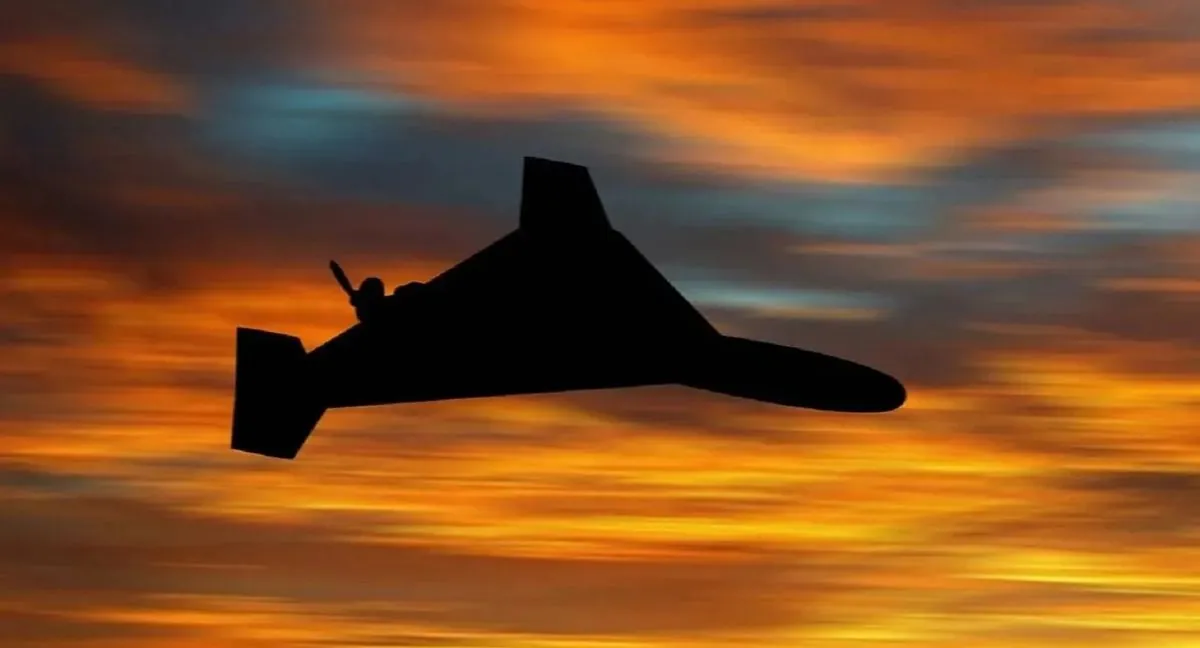
There was also a drone attack at night, during which the Air Defense Forces destroyed one drone approaching the region.
New attacks in Kherson region: 2 people killed, 2 woundedNov 19 2024, 06:08 AM • 13728 views
The U.S. is preparing to announce a military aid package for Ukraine worth about $275 million, the Associated Press (AP) reported on Nov. 19, citing U.S. officials.
The latest aid package comes as the Biden administration rushes to deliver the remaining approximately $7 billion in military aid to Ukraine ahead of the inauguration of President-elect Donald Trump, amid concerns that a future Trump administration would halt weapons shipments before they reach Kyiv.
Two administration officials told Politicoon Nov. 6 that the White House plans to expedite the weapons delivery ahead of the January 2025 inauguration, as Trump has previously said he would cease military aid to Ukraine unless it agrees to hold peace negotiations with Russia.
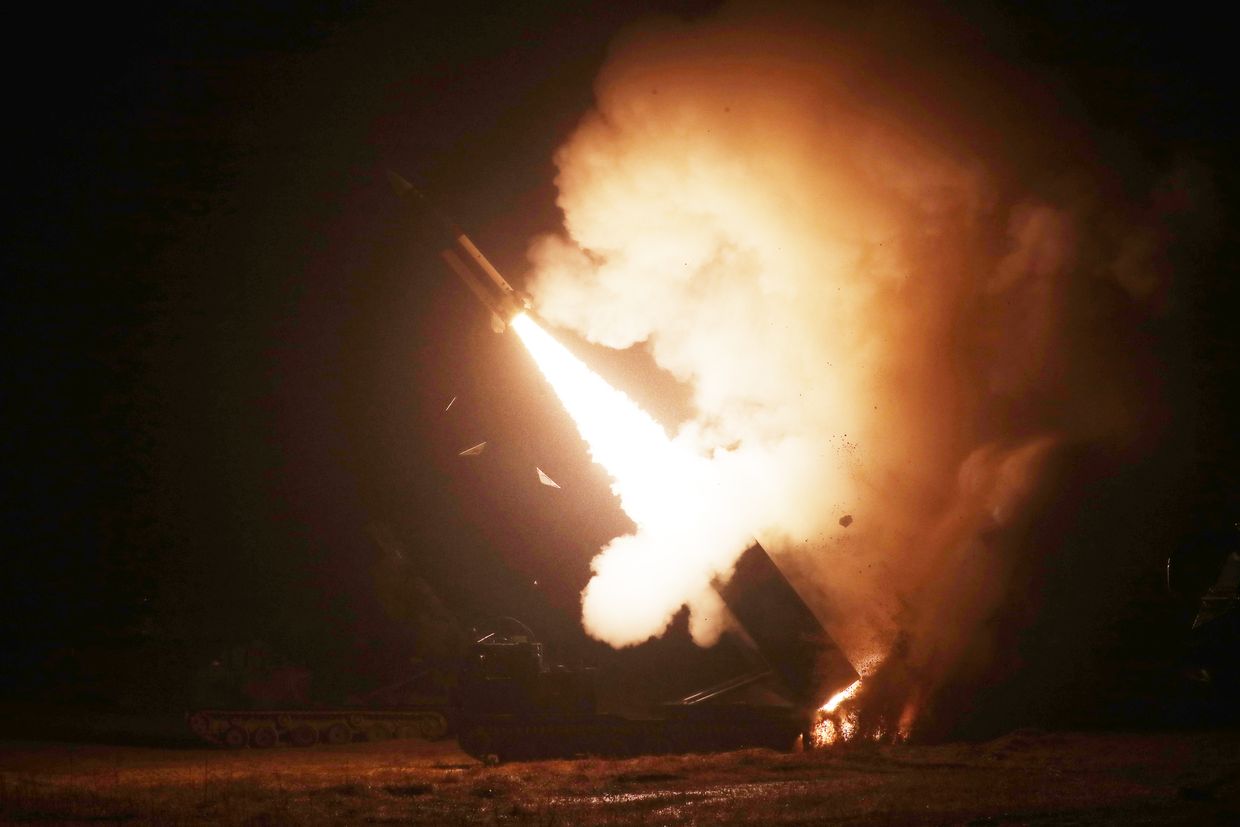
The new aid package will include HIMARS (High Mobility Artillery Rocket System) ammunition, artillery shells, and Javelin surface-to-air missiles, in addition to a wide range of spare parts and equipment, according to officials.
The new aid package, which is expected to be announced this week, will be provided under presidential drawdown authority, pulling weaponry from existing U.S. stockpiles. The U.S. most recently announced the delivery of a $425 million military aid package for Kyiv on Nov. 1.
Despite the president's ability to deliver existing weapons stocks through presidential drawdown authority, White House officials are concerned that the delivery of the large amount of undelivered weapons may take months to reach Ukraine — well past Trump's inauguration into office.
President Volodymyr Zelensky on Oct. 30 said the U.S. has transferred to Ukraine only about 10% of the $61 billion aid approved by Congress in April 2024.
Of the $61 billion aid package, only $4.3 billion remains to pull existing weapons stocks, while a further $2.1 billion in funding remains to put weapons on contract with U.S. defense companies.
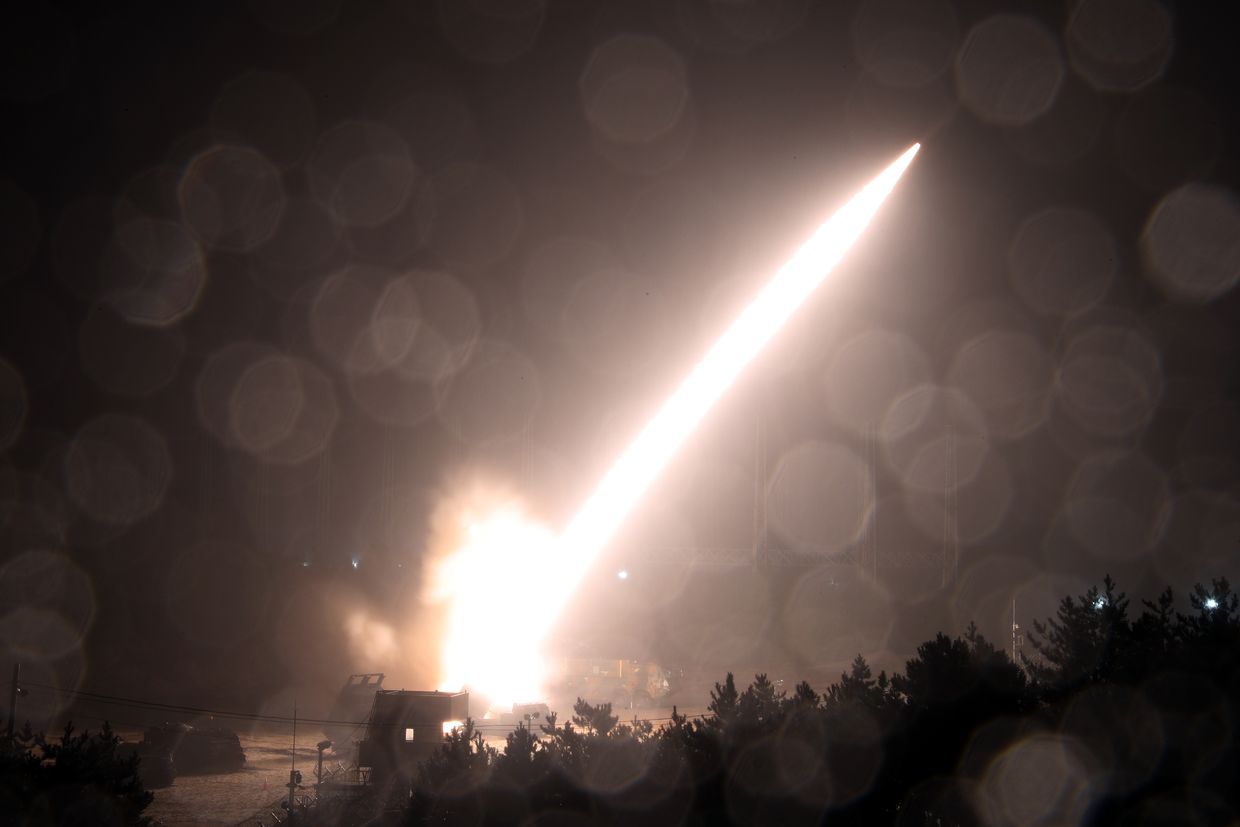
The latest military aid package comes amid a significant shift in U.S. policy as President Joe Biden authorized Ukraine to use U.S.-supplied long-range ATACMS missiles for strikes inside Russia on Nov. 17.
Ukraine reportedly used ATACMS to strike Russian territory for first time on Nov. 19, striking a Russian military facility in Karachev, Bryansk Oblast.
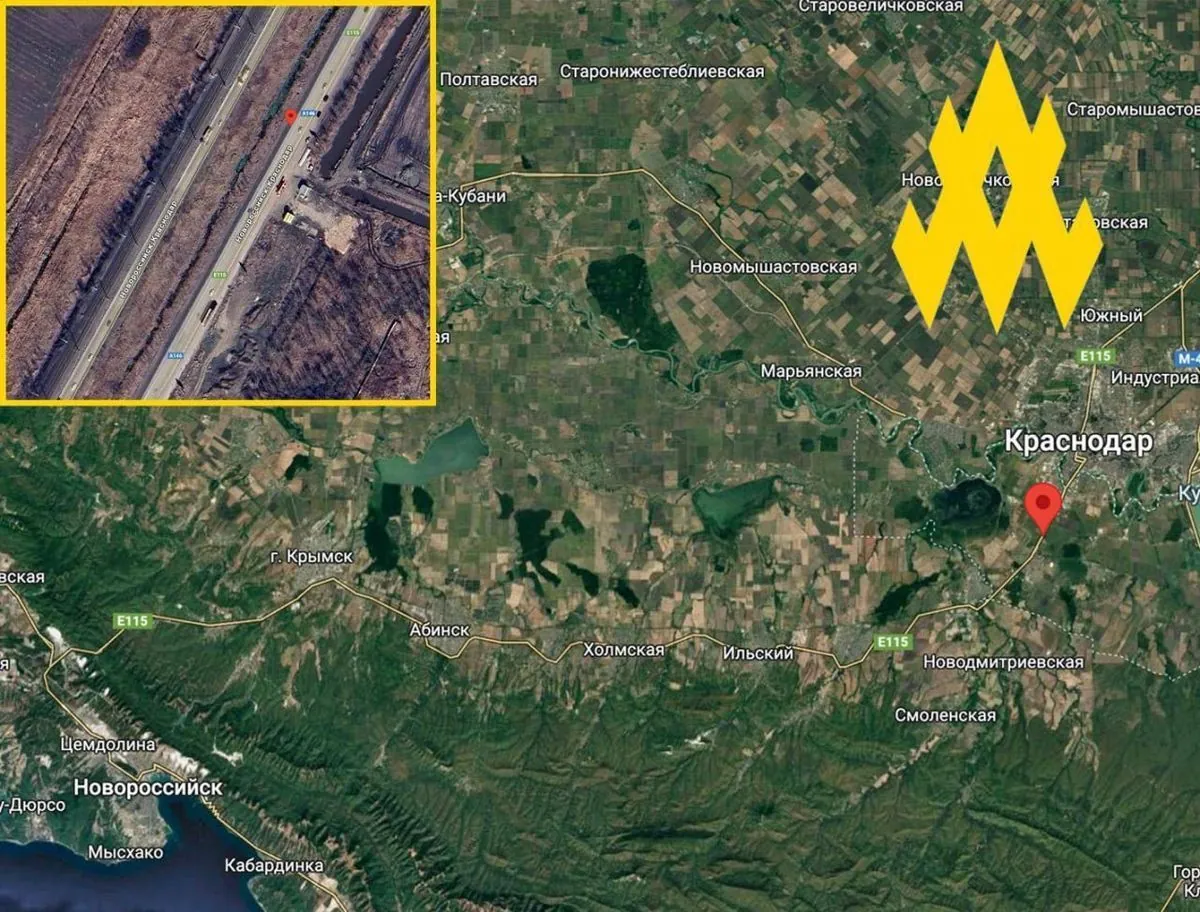
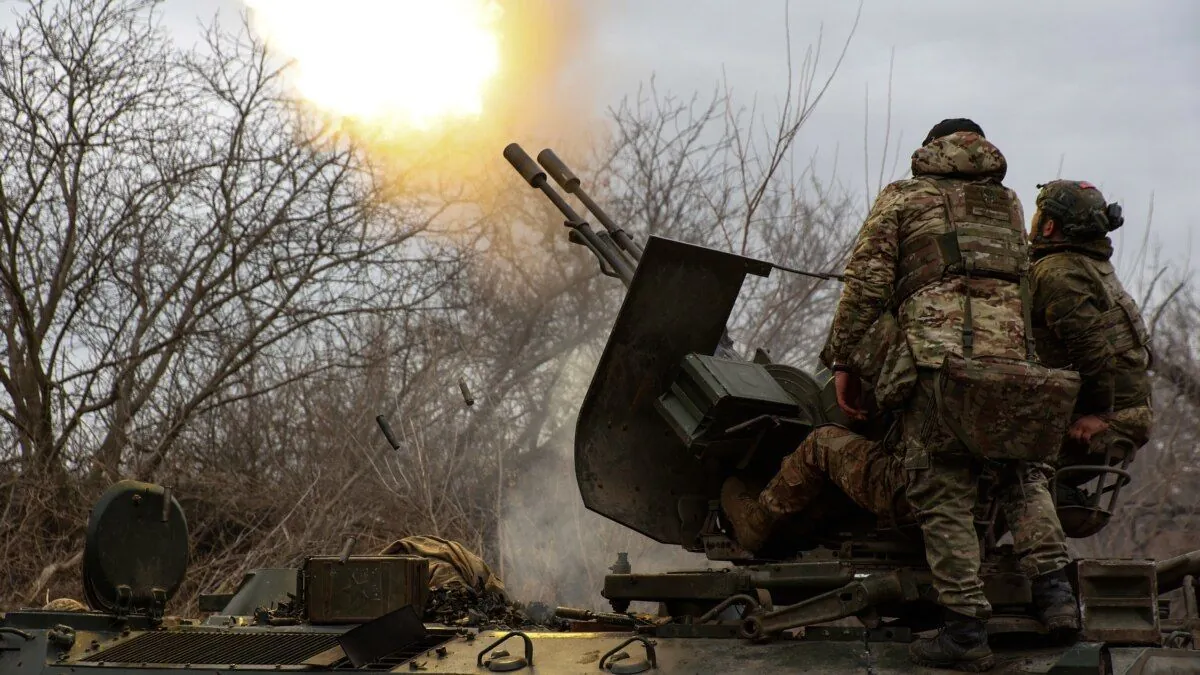
ATES agents detected the movement of decommissioned Msta-S self-propelled artillery systems in the Krasnodar Territory. The transportation of North Korean self-propelled artillery systems was also recorded, indicating a serious shortage of artillery in the Russian military.
An ATES agent has detected the movement of Russian Msta-S air defense systems in the Krasnodar Territory. This was reported by the Military Movement of Ukrainians and Crimean Tatars "ATESH", UNN reports .
Details
Since the enemy army is experiencing an acute shortage of equipment, it was decided to decommission old installations that had previously been in reserve for use on the southern front.
In addition, the agency has repeatedly recorded the transportation of North Korean self-propelled artillery systems and informed about the preparation of the enemy military for their combat use.
These actions point to serious problems with the supply of artillery equipment for the occupation forces, which may indicate a significant shortage of artillery at the front line.
ATES guerrillas blow up an important railway facility in the occupied territory of ZaporizhzhiaNov 17 2024, 04:18 AM • 101177 views
South Korea did not contribute to the Czech initiative to purchase artillery shells for the Ukrainian Armed Forces, Tomas Kopecny, Czech government commissioner for the restoration of Ukraine, said in an interview with Radio Free Europe/Radio Liberty (RFE/RL) on Nov. 19.
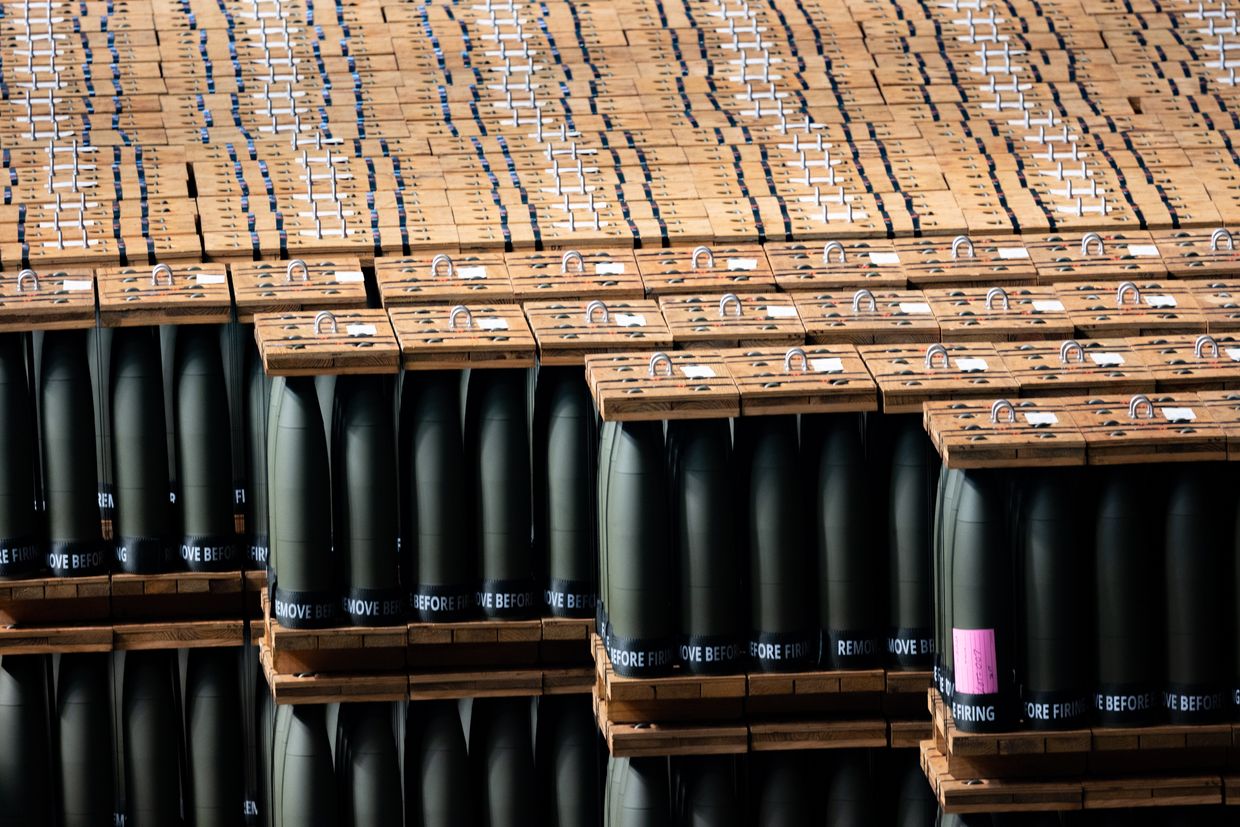
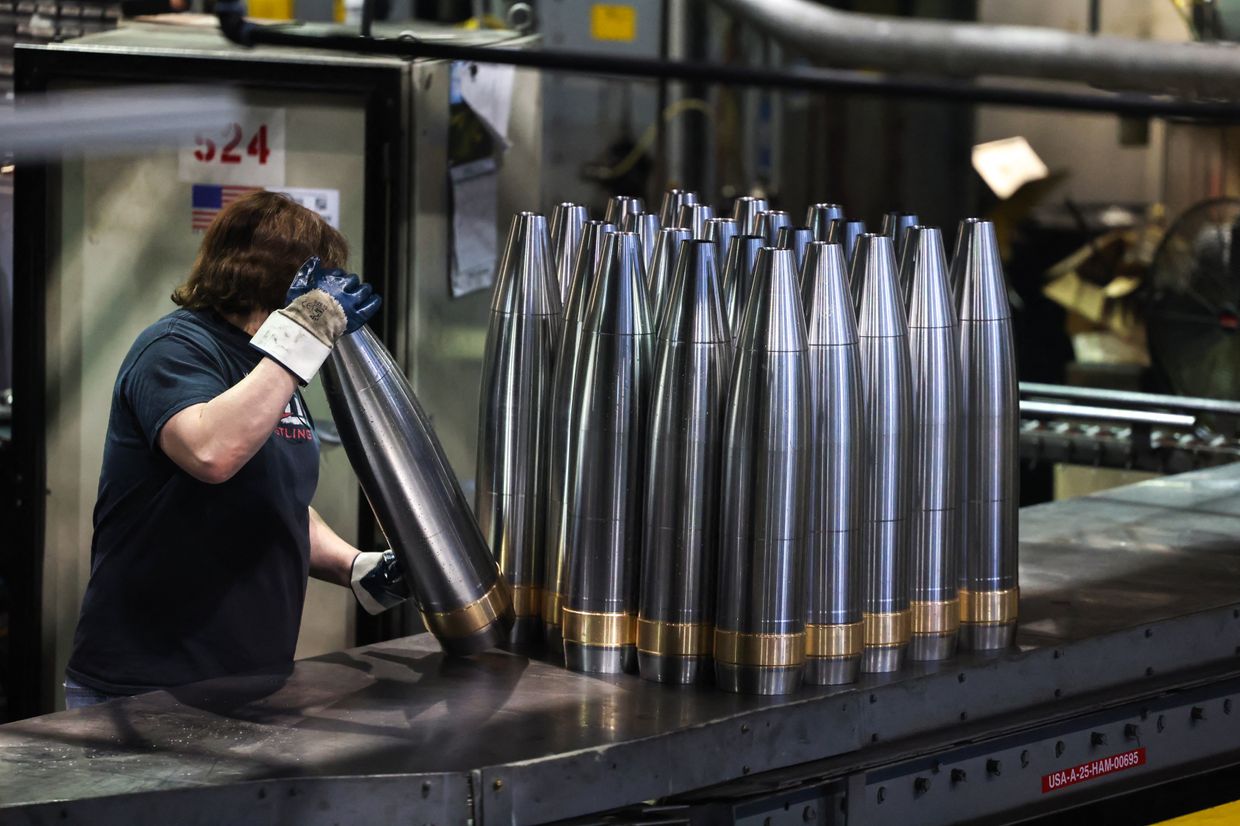
Czechia unveiled its initiative to jointly purchase artillery shells for Ukraine from undisclosed third countries earlier this year, amid shell shortages caused mainly by delays in U.S. assistance.
In October, Ukraine received over one-third of the 500,000 155 mm shells expected to be delivered under the Czech initiative by the end of 2024.
South Korea did not provide artillery shells of its own production, nor did it make financial contributions to the purchase of shells from other countries under the Czech initiative to purchase ammunition for Ukraine from third countries, according to Kopecny.
"So far, South Korea has not participated in the Czech initiative. From a financial point of view, they were not among the 16 countries that contributed, and they were not among the supplier countries from which we received the shells. This is the situation as of now," Kopecny said.
Thus, the official denied the information previously published in the German media Bild that South Korea was probably one of the ammunition suppliers under the Czech initiative.
Earlier, South Korea's Yonhap news agency reported that South Korea had no plans to supply 155 mm shells to Ukraine amid reports of North Korean soldiers participating in the war.
Since the start of the full-scale war though, South Korean shells have reportedly been sent to Ukraine, but this was done so indirectly, through undisclosed U.S. purchases.
On Oct. 22, Seoul announced a possible revision of its support for Kyiv, including the provision of lethal weapons and personnel, depending on the situation in Ukraine.
The Ukrainian Air Force reports enemy drone activity in Sumy, Chernihiv, Poltava, Zhytomyr, and Dnipro regions. The UAVs are moving in different directions, which requires increased defense measures.
New flights of enemy attack drones were recorded in Ukraine in several regions. This is reported by the Air Force of the Armed Forces of Ukraine, UNN reports.
Details
In particular, UAVs are moving west and southwest in Sumy region, west in eastern Chernihiv region, northwest in western Poltava region, northeast in Zhytomyr region, and west in eastern Dnipropetrovs'k region. These active drone flights underscore the ongoing threat posed by Russian forces, forcing the Ukrainian defense forces to take the necessary measures to destroy enemy equipment and ensure security in these areas.
Despite warnings from some analysts ahead of the U.S. elections that a win by the Republican nominee Donald Trump could become a “worst-case scenario” for Ukraine, the mood in Kyiv after his victory was far more mixed.
Some Ukrainians are optimistic that the president-elect could improve Kyiv’s standing amid Russian ongoing onslaught.
“I am generally up for changes,” said a Special Operations sniper with the callsign Bart, who is currently rehabilitating in Kyiv. “I believe that (President Joe) Biden and his administration are impotent,” he told the Kyiv Independent the day after the election, adding that a Trump victory could spell more decisive action.
The recurring theme among Ukrainian residents hopeful that Trump will turn the tide of Russia’s full-scale invasion was an overarching sense of fatigue with the pace of Biden’s support for Ukraine and a desire for quicker action.
After Trump’s victory in 2016, there was “huge disappointment and frustration in the air,” recalled Oleksiy Melnyk, the co-director of foreign policy and international security at the Kyiv-based think tank Razumkov Center. This year, however, he said he noticed “no big expectations, so no big disappointment.”
“Ukrainians are extremely grateful to the United States still, but at the same time, we do understand that part of our problems are because of the Biden administration’s policy of escalation management and self-restrictions,” Melnyk said.
Many Ukrainians predicted that a Kamala Harris election would not have brought about any radical change, he said, while “in the case of Trump, this unpredictability gives some people hope.”
"In the case of Trump, this unpredictability gives some people hope."
Serhii Fursa, deputy managing director at Kyiv-based investment firm Dragon Capital, said, “I feel bad. But markets feel okay, assuming he will end the war.” Fursa described the market signal as “total uncertainty.”
Trump has repeatedly said he would end the war within 24 hours, though has not provided details on how he plans to achieve such a result.
Desire for change
Not all experts had predicted that a Trump win would be devastating for Ukraine, with some urging a “wait-and-see” attitude.
"We’re going to work very hard on Russia and Ukraine. It’s gotta stop. Russia and Ukraine’s gotta stop," Trump said at an event in Florida on Nov. 14.
Optimism in Ukraine following the election was nonetheless cautious and came from three main reasons, said Timothy Garton Ash, an Oxford professor of European Studies, historian, and commentator.
“First, they were so disappointed with the Biden administration’s self-deterrence that they thought something else might be better,” he said.
Secondly, he added, U.S. politicians who genuinely supported Ukraine signaled that a Trump victory would work out all right.
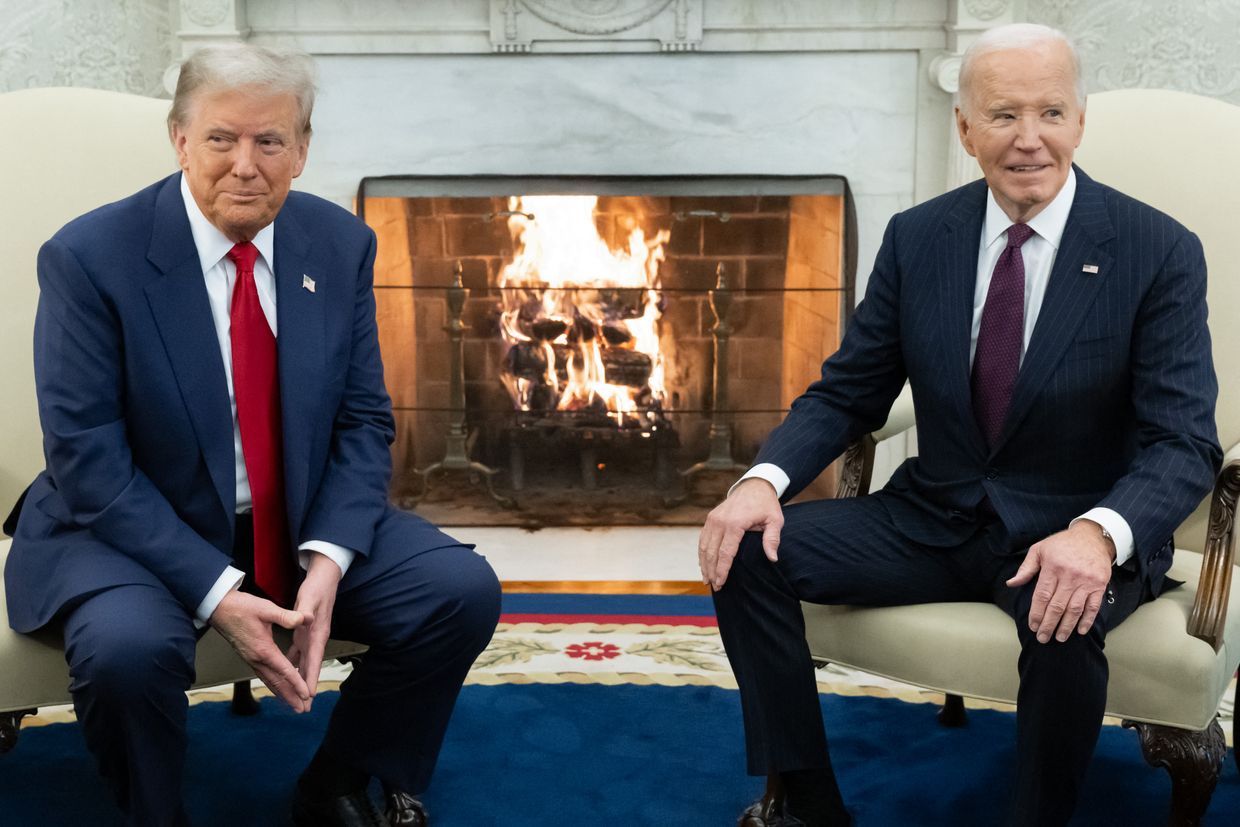
U.S. President Joe Biden meets with U.S. President-elect Donald Trump in the White House in Washington, D.C., U.S. on Nov. 13, 2024. (Saul Loeb / AFP via Getty Images)
“And the third reason is probably the most important of all,” noted Ash. “If you're fighting a war for your survival, you've got to believe that you can win. And if it looks as if your most important single ally is going to pull the rug on you, you know you're going to keep hoping and put a brave face on it that it's going to be okay.”
Still, Ash noted, he believes the optimism is “misplaced.”
“It's quite clear from the first conversations that Trump has had with people, he wants to get the issue off the table. He wants to go as fast as possible for that deal so he can get on to other things,” said Ash. “So now, optimism or pessimism focuses on the Europeans. Whether the Germans, the French, the British, the Poles and others can step into the breach.”
Oleksiy Haran, professor of comparative politics at Kyiv Mohyla Academy, however, noted that there was very little concrete data to show how widespread — or limited — support for Trump was among ordinary Ukrainians.
Without polling data, he added, it was difficult to draw conclusions about Ukrainians’ attitudes.
“I wouldn’t generalize any sentiments for Trump among ordinary Ukrainians,” Haran noted. “Clearly, there are some people who wanted Trump to win. But we cannot say that this is the majority, or even that this is a significant number of citizens of Ukraine.”
Even among Ukrainians who expressed positive sentiment about a Trump win, enthusiasm was tempered.
“The pace of decision-making (in the Biden administration), especially on critical military support, has sometimes been slower than the reality of the situation required,” said Vitalii Ivanov, a communications and investment manager at Kyiv-based UFuture.
“The Trump presidency is likely to introduce a more practical and pragmatic approach to policy making, which could lead to faster decision-making by the administration,” Ivanov said.
“Still, I would like to underline that we need to focus on solving our domestic problems and acting to make our country successful rather than worrying about who wins the U.S. election and what this or that president will do for us.”
Part of the response in Kyiv can be attributed to Ukraine’s recent and historical experience dealing with radical changes, said Melnyk from Razumkov Center. “In general, this is kind of the Ukrainian attitude: Ok, it happened. Life goes on.”
“We can speculate about more general things like the peace formula through power or force,” said Melnyk. “But we have about two months before (Trump’s) inauguration to get prepared for different scenarios. Hope is not a strategy.”
The Kyiv Independent business editor Liliane Bivings and business reporter Dominic Culverwell contributed to this report.
Introducing official merch from the Kyiv Independent Shop now
Over the last day, 130 combat engagements took place in various frontline areas. The most intense enemy attacks were recorded in the Kurakhove and Pokrovsk sectors – 22 and 37 attacks respectively.
There were 130 combat engagements in the frontline. The enemy attacked intensively on the Kurakhove and Pokrovske directions. This was reported by the General Staff of the Armed Forces of Ukraine, UNN reports.
Details
In the Kharkiv sector, terrorists stormed Vovchansk 5 times.
In the Kupyansk sector, the occupants attacked 11 times near Kindrashivka, Lozova, Petropavlivka, Zahryzove, Pershotravneve and Kruhlyakivka. Petropavlivka and Lozova came under air strikes.
In the Liman sector, the militants fired 14 times in the areas of Hrekivka, Novoyehorivka, Hryhorivka, Torske and Terny.
In the Siversk sector, the enemy dropped 9 bombs on Siversk and 4 more on Zakitne, but did not conduct any offensive actions.
In the Kramatorsk sector, there was 1 firefight near Stupochky.
In the Toretsk sector, the occupants attacked 8 times in the areas of Toretsk, Druzhba and Shcherbynivka.
In the Pokrovsk sector, the aggressor carried out 37 assault and offensive actions in the areas of Promenu, Lysivka, Petrivka, Dachanske, Myrolyubivka, Novotoretske, Yurivka, Pustynka and Pushkine.
In the Kurakhove sector, 22 attacks took place in the areas of Novoselydivka, Sontsivka, Berestky, Kurakhove, Dale, Yelizavetivka and Antonivka.
In the Vremivsk sector, the enemy attacked 15 times near Kostyantynopolske, Trudove, Sukhi Yaly, Rozdolne and Novodarivka.
In the Orikhivsk sector, the enemy tried unsuccessfully to advance in the direction of Novoandriivka.
Ukrainian Armed Forces repelled two enemy attacks in the Dnipro sector.
135 combat engagements in the frontline: where the enemy attacked most actively – General StaffNov 18 2024, 08:36 PM • 29163 views
Ukraine used ATACMS on Russian territory for first time, according to Moscow, media
Russia claims to capture village near Kurakhove, Kyiv hasn't confirmed
Putin approves Russia's updated nuclear doctrine
Over 50,000 Ukrainian recruits have received training in UK
Denmark to provide over $137 million for Ukrainian defense industry
Zelensky presents resilience plan: 'Ukraine may need to outlive someone in Moscow to achieve all the goals'
The Russian Defense Ministry claimed on Nov. 19 that Ukraine launched U.S.-made ATACMS missiles against Russia's Bryansk Oblast, according to the state news agency TASS.
This coincides with several Ukrainian media outlets reporting that, according to undisclosed military sources, Ukraine successfully struck a Russian military facility in Karachev, Bryansk Oblast.
If confirmed, this would mark the first instance of Ukraine using U.S.-made long-range missiles on Russian territory since Washington eased the restrictions last week. Kyiv's forces have previously deployed the weaponry only against Russian targets in occupied Ukrainian territories.
The claims could not be independently verified. A Ukrainian military representative declined to comment on the reports for the Kyiv Independent.
Ukrainian officials previously reported an attack with unspecified weaponry against a Russian arsenal in Karachev overnight on Nov. 19, which reportedly stored artillery ammunition, including North Korean munitions, KAB guided bombs, anti-aircraft missiles, and rocket launcher ammunition.
Twelve secondary explosions could be heard at around 2:30 a.m., the General Staff of Ukraine's Armed Forces reported.
Karachev residents reported explosions and detonations, including an alleged attack on a "military base," as shared in local chats and reported by Russian media outlet Astra. The town lies more than 100 kilometers (60 miles) from the Ukrainian border.
ATACMS missiles have a maximum range of 300 kilometers (190 miles).
In turn, the Russian Defense Ministry claimed that its forces shot down five and damaged one ATACMS missile. Missile fragments fell on a military facility in Bryansk Oblast and started a fire but inflicted "no casualties or damage," the ministry claimed.
Unnamed U.S. officials, as well as a source familiar with the decision, who spoke to Reuters following the decision earlier this week, said that Kyiv plans to conduct its first long-range strikes in the coming days.
Commenting on the reports, President Volodymyr Zelensky said that the "missiles will speak for themselves."
Zelensky presents resilience plan: 'Ukraine may need to outlive someone in Moscow to achieve all the goals'
President Volodymyr Zelensky unveiled Ukraine's 10-point plan for internal resilience in an address to the parliament on Nov. 19.
"Ukraine may need to outlive someone in Moscow to achieve all the goals," Zelensky said, according to lawmaker Yaroslav Zhelezniak's Telegram channel. "We do not trade security or sovereignty. We will not give up our rights to our entire territory."
The resilience plan follows some criticism Zelensky received after presenting a victory plan this fall that primarily focused on requests from external partners and lacked domestic reforms.
"While the whole world is waiting for a miracle from Trump, God willing, we should get to work," Zelensky said.
"Ukraine may need to outlive someone in Moscow to achieve all the goals," Zelensky said.
The individual points of the new resilience plan were focused on the country's unity, front-line situation, arms, finances, energy, security, communities, human capital, cultural sovereignty, and veterans, according to Zhelezniak's Telegram channel.
In his presentation to parliament, Zelensky emphasized he is not preparing to lower the mobilization age. Instead, he called for new approaches to management, establishing a military ombudsman, and creating a new contract system for citizens below the age of mobilization. With Ukraine facing sharp manpower shortages, Zelensky has come under pressure both from citizens at home and from U.S. lawmakers abroad to reduce the age of mobilization.
Zelensky also said that Ukraine will produce at least 30,000 long-range drones next year, and noted that Ukraine has already struck targets using their domestically-produced Neptune cruise missiles. In his speech, he set a goal of producing 3,000 cruise missiles.
For veterans, Zelensky proposed new efforts to recruit veterans for public service, creating rehabilitation centers in every community in 2025, introducing 11,000 veteran support specialists in the next year, providing supplementary payments to family physicians treating veterans, and establishing dedicated veteran housing.
Financial aspects of the plan included deregulation, insuring military risks, and increased security for businesses from law enforcement pressures.
Zelensky also proposed a cultural "Ramstein" to reinforce and export Ukraine culture abroad, including helping to establish Ukrainian studies departments in foreign universities.
In regards to unity, Zelensky reportedly restated that the country will not hold any elections until martial law is lifted, and said that further aspects of the plan will be developed in detail in coordination with civil society members, business leaders, and experts.
Russia claims to capture village near Kurakhove, Kyiv hasn't confirmed
Russian forces claim to have taken the front-line village of Novoselydivka in Donetsk Oblast on Nov. 19.
Ukraine has not commented on the claims, which could not be independently verified.
Novoselydivka lies some 7 kilometers (4 miles) north of Kurakhove, an important stronghold of Ukrainian forces in the area that has seen increasingly heavy Russian assaults in the past months.
If confirmed, this will be the latest village that the Russian forces took in their attempt to encircle Kurakhove by driving their forces towards Konstiantynopil with a north-south pincer movement.
With the best Ukrainian brigades holding Russia's Kursk Oblast, Russian troops move forward along the Donetsk front line at a rate not seen since the early weeks of the war.
The victory of U.S. President-elect Donald Trump in early November adds further uncertainty to Kyiv's military prospects to hold its defenses across the 1,200-kilometer-long (750 miles) front line as doubt over Washington's future military aid looms.
Outgoing President Joe Biden's decision to allow Ukraine to use Western-supplied ATACMS to strike targets deep inside Russia may help in the short run but will not change the general course of the war, observers said.
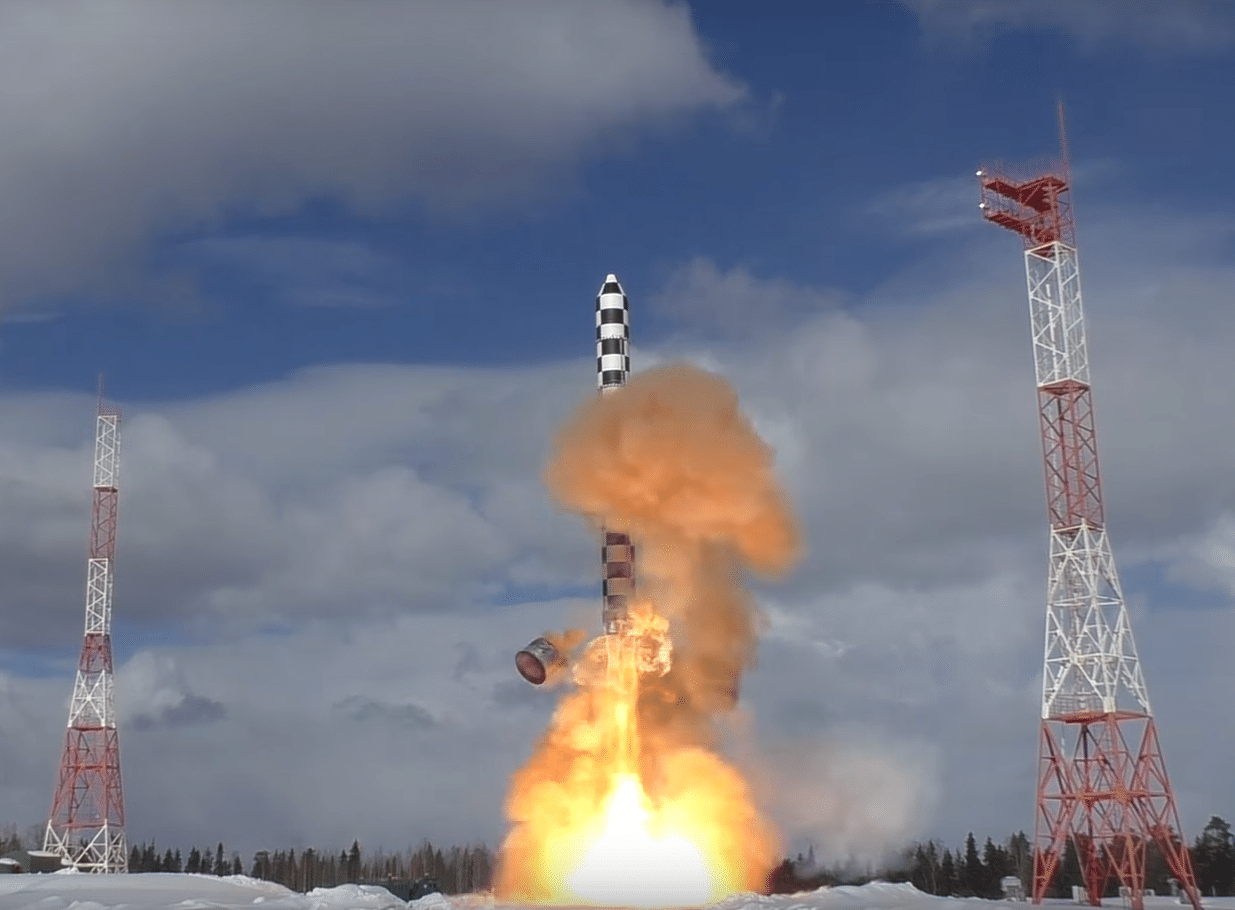
Russian President Vladimir Putin approved updated principles of Russia's nuclear deterrence policy, according to a presidential decree published on a government website on Nov. 19.
The revised doctrine outlines scenarios that could justify a nuclear strike. It implies that this could include "aggression against the Russian Federation and its allies by a non-nuclear state with the support of a nuclear state" and large-scale non-nuclear attacks, such as those carried out with drones.
Putin first proposed changes to the nuclear doctrine during a Sept. 25 Security Council meeting on nuclear deterrence. He claimed that Russia does not need a preventative strike as part of its nuclear doctrine "because, in a retaliatory strike, the enemy will be guaranteed to be destroyed."
Kremlin spokesperson Dmitry Peskov said the changes should be seen as a "certain signal" to the West.
"This is a signal that warns these countries of the consequences if they take part in an attack on our country by various means, not necessarily nuclear," Peskov told the state-run RIA Novosti on Sept. 26.
Since launching its full-scale invasion of Ukraine in February 2022, Russia has repeatedly issued nuclear threats against Ukraine and the West.
The threats have failed to materialize, and Russia continues to wage its all-out war without using its nuclear arsenal.
Over 50,000 Ukrainian recruits have received training in UK
More than 50,000 Ukrainian recruits have undergone training in the U.K. as part of the British-led Operation Interflex since June 2022, the U.K. Defense Ministry announced on Nov. 19.
"Kosovo, Romania, and Estonia are the latest nations to join this global effort, standing united for freedom and resilience," the Defense Ministry said on X.
The project, also supported by 10 other partner countries, including Canada, New Zealand, Norway, Denmark, Finland, Sweden, Lithuania, the Netherlands, and Australia, provides essential military training to Ukrainian recruits at various facilities.
Operation Interflex, led by the U.K., is one of the key programs aimed at preparing Ukrainian troops to defend against Russian aggression.
Ukrainian service members have also been receiving military training under other initiatives led either by national governments of partner countries or the EU.
British soldiers have been warned that Russia may be using spies and drones to gather intelligence on Ukrainian service members trained in the U.K., according to a report by The Times on Aug. 5.
Denmark to provide over $137 million for Ukrainian defense industry
Denmark will allocate 130 million euros ($137.5 million) for the development of the Ukrainian defense industry, Danish Prime Minister Mette Frederiksen announced on Nov. 19 during a joint press briefing with Ukrainian President Volodymyr Zelensky.
Frederiksen came to Kyiv on Nov. 19 in a surprise visit and met Zelensky on the 1,000th day of Russia's full-scale invasion of Ukraine.
"It is important to me that our own industry, not only in Denmark but in all neighboring countries, can visit Ukraine and learn from your experience and your ability to expand and develop your production lines," Frederiksen said.
Denmark became the first country to offer to donate arms to Ukraine via direct purchases from the Ukrainian defense industry, as Kyiv's defense budget does not match the capacities of domestic weapons production.
According to the president, the Ukrainian defense industry has already attracted over $1 billion in line with this financing model from partners, including Norway, which recently joined.
Zelensky added that Ukraine should open the defense industry to full cooperation with partners.
Denmark, one of Kyiv's key supporters throughout Russia's full-scale invasion, announced on Oct. 18 a new 2.4 billion kroner ($350 million) military aid package for Ukraine.
This was Denmark's 21st military aid package since the beginning of Russia's full-scale invasion of Ukraine. Copenhagen previously provided Ukraine with a military aid package worth around $115 million in August.
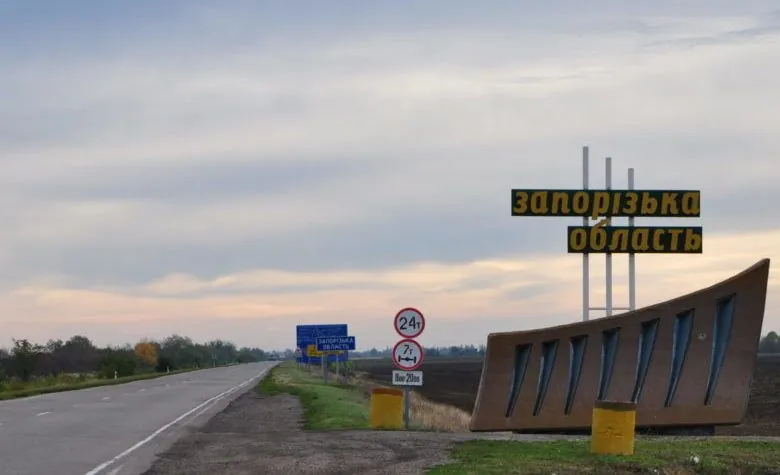
Russian troops shelled a settlement in Zaporizhzhia region, targeting a residential area. The consequences of the attack are currently being investigated, and local residents are asked to observe safety measures.
Enemy troops attacked a settlement in Zaporizhzhia region. This was reported by the head of the Zaporizhzhya RMA Ivan Fedorov, according to UNN.
Details
According to preliminary information, the rocket attack targeted a residential area.
The consequences of the attack are currently being clarified, and the details of the incident are still being investigated.
Residents are urged to stay in safe places and take precautions.
The enemy fired on Zaporizhzhia region: 410 attacks in 10 settlements in a dayNov 14 2024, 05:04 AM • 43485 views
Over nearly 1,000 days of full-scale war, Russia has attacked Ukraine’s energy system more than 1,000 times. Despite this relentless onslaught, Ukrainian power engineers have achieved a historic feat: maintaining energy supply stability by repeatedly repairing equipment, sometimes three or four times after consecutive strikes.
This remarkable effort has not only ensured light and heat for Ukrainian homes but has also created a model of resilience and expertise that will be studied by future generations and international energy experts alike.
The energy system is stable and prepared for the heating season under normal conditions. However, one constant risk looms: massive Russian attacks on energy infrastructure. The only effective defense remains bolstering Ukraine’s air defenses.
Russia’s primary goal in targeting Ukraine’s energy infrastructure is to create social unrest and destabilize the nation’s rear by cutting off electricity and heating — critical for household comfort and economic stability.
Since 2022, the nature of these attacks has evolved. Early strikes reflected pre-war planning and Russia’s initial military strategy. Over the course of 2023 and 2024, however, the attacks grew more widespread and destructive, with Russia employing more advanced weapons.
This year alone, 9 GW of power generation capacity from thermal, combined heat and power, and hydro plants have been disabled. During the largest attack, on Aug. 26, 236 missiles and drones targeted Ukraine’s energy infrastructure. Russia used its most expensive weaponry, including ballistic missiles and cluster munitions valued at over $1 billion, damaging substations critical to nuclear power plants. The International Atomic Energy Agency (IAEA) has since expanded monitoring at these facilities.
In 2023, after extensive destruction, Ukraine began a robust repair campaign and received critical support from international partners. Spare parts from decommissioned European power plants, notably those supplied by Baltic nations, played a vital role in restoring operations quickly, as the production time for new equipment is lengthy.
The European Union Delegation to Ukraine launched a platform to provide surplus energy equipment from EU warehouses, offering essential short-term solutions. Additionally, electricity import capacity has increased from 200 MW to 1.7 GW, thanks to prolonged negotiations with EU governments and the G7. This milestone was reached just before the heating season commenced.
The foundation of Ukraine’s preparedness lies in the restoration of power generation and transmission equipment that could be brought back online before the heating season. This effort included the largest repair campaign in the history of independent Ukraine. Notably, our nuclear power plants (NPPs), which supply around 60% of the country’s electricity, are set to operate at full capacity this winter, with nine power units in operation in Ukraine-controlled areas — despite the Russian occupation of the Zaporizhzhia NPP, Europe’s largest nuclear plant.
A thermal power plant worker stands outside a thermal power plant that was extensively damaged after a Russian missile attack at an undisclosed location in Ukraine, on April 12, 2024. (Andrew Kravchenko/Bloomberg via Getty Images)
A critical factor in meeting demand during the 2024/2025 heating season was the increase in electricity imports. Following assessments of the decisions made in 2023 and their effectiveness, as well as high-level negotiations with EU partners and the European Commission, we successfully raised our import capacity to 2.1 GW on a commercial basis, with an additional 250 MW available for emergency assistance.
While the Power System Integration Action Plan, adopted in 2019, outlined a five-year timeline for technical and legal measures to integrate Ukraine into the EU’s energy system, Ukraine has accelerated this process and is now de facto integrated, becoming a full member of the EU energy network.
Another vital component of our energy strategy is the expansion of distributed generation across the country. The government has created favorable conditions for this development, implementing key decisions to simplify construction and environmental regulations and streamline the process for connecting to electricity and gas networks.
Moreover, a series of financial measures have been introduced to support households, condominium associations (COAs), and public utilities in building their own generation facilities. These include interest-free loans for households and low-interest loans for utilities, as well as a zero-rate import duty and VAT on energy goods used for electricity generation. These measures have made it more affordable and efficient to purchase and install the necessary equipment without excessive bureaucracy.
In parallel, a collaborative initiative led by the Office of the President, Ministry of Energy, Ministry of Regional Development, and regional authorities is underway to develop “regional energy independence passports.” This effort will assess local energy consumption and identify the needs for backup power, particularly for critical infrastructure. It also takes into account changes in consumption patterns due to internal displacement, population migration, and damage caused by the war.
These passports will focus on the development of local gas and electricity networks, ensuring that solutions like solar panels, geothermal energy, wind power, and gas generation are tailored to the region's specific needs and climate conditions.
As a result of these efforts, nearly 2 GW of new generation capacity is already being commissioned, largely driven by commercial and business interests. Simultaneously, international donors have provided local governments and utilities with a significant number of gas generators, cogeneration units, and mobile boiler houses to ensure backup power for critical infrastructure.
The success of distributed generation depends on a coordinated effort among local communities, regional administrations, national authorities, and energy companies. This integrated approach is key to ensuring economic independence for communities and fostering energy resilience.
Despite the challenges ahead, we have prepared for the 2024/25 heating season. Russia will persist in its efforts to plunge Ukraine into darkness and cold — as it did in its 10th mass attack on Ukraine’s energy infrastructure on Nov. 17 — but thanks to the tireless work of power engineers, the collaboration of central and local authorities, and unwavering international support, we are prepared to keep Ukrainian homes warm and well-lit throughout the winter.
Trust in the power engineers — they have done more than could have been imagined.
Editor’s Note: The opinions expressed in the op-ed section are those of the authors and do not necessarily reflect the views of the Kyiv Independent.
Submit an Opinion Introducing official merch from the Kyiv Independent Shop now



 The Kyiv IndependentMartin Fornusek