Category: War in Ukraine

Last news • War in Ukraine

  • YouTuber Johnny Harris’ lens on Eastern Europe is distorted and irresponsible

    YouTuber Johnny Harris’ lens on Eastern Europe is distorted and irresponsible

    YouTuber Johnny Harris’ lens on Eastern Europe is distorted and irresponsible

    Something is wrong with YouTuber Johnny Harris’ lens — not the one he uses to film himself, but his view of Eastern European history. Known for his unquenchable thirst for maps and archival documents, Harris has become a prominent voice on geopolitics and history. If you're unfamiliar with him, Harris developed his personal brand at Vox Media before leaving during the COVID-19 pandemic after his web series “Borders” was canceled.

    On Dec. 5, he published a video titled “Why People Blame America for the War in Ukraine.” In it, he echoes Kremlin talking points about NATO expansionism being the cause of Russia’s so-called “special military operation” in Ukraine. As Kyiv Independent’s Creative Video Director, I often see this argument in our YouTube comments — usually from bots. To hear it from Harris, however, is unexpected. To summarize his argument: NATO provoked Russia, and the Kremlin was left with no choice but to invade Ukraine. Of course, buried in the final moments, he acknowledges how inexcusable and tragic this war has been.

    Harris’ video claims that the United States treated Russia as a defeated belligerent at the end of the Cold War, taking advantage of its weakness to expand NATO to Russia’s borders. Despite all the maps in Harris’ possession, he shockingly overlooks how little of Russia NATO actually borders. Before Russia’s 2022 invasion prompted Finland to join the alliance, NATO only bordered about 378 kilometers (235 miles) of Russia’s 57,792-kilometer (35,910 miles) border. This point is neglected by Harris.

    In his narrative, the Soviet collapse of 1991 is treated similarly to Germany’s 1918 surrender in World War I — shamed, indebted, and politically isolated. Yet, in the decades that followed, the new Russia was awarded a permanent Security Council seat, invited to the G7, given lucrative energy deals, and hosted the Olympics and World Cup. While some in Washington remained skeptical and suspicious of Russia, Moscow received far more generosity and prominence than any other former Soviet republic.

    In contrast, the U.S. pressured Ukraine to weaken its defense deterrence at Russia’s insistence, prioritizing friendlier relations with Moscow over Kyiv’s security concerns. We explore this in our recent video on the Budapest Memorandum. Yes, the reality is more complex than I’ve outlined, but that’s precisely my point: Harris’ perspective is too narrow to the point of irresponsibility.

    Harris’ perspective is too narrow to the point of irresponsibility.

    Harris issued an apology early Dec. 6 after a “wave of feedback” and removed the video — likely prompted by his sponsor “not wanting to be associated” with it. He admitted he “omitted the valuable perspective of these Eastern European countries.” With sleek design, he mapped NATO’s expansion into Central and Eastern Europe. Somehow, it didn’t occur to him to question why these countries voluntarily joined a defensive military alliance. As one colleague put it, “When you join a gym, we don’t call it gym enlargement.” Why would these countries want to join NATO?

    In Harris’ telling, Russia wanted peace and to partner with the West after the fall of the Soviet Union. Yet, Russia had a curious way of showing this. Harris neglects even a cursory glance at Russian history. Moscow spent much of the 1990s at war, occupying parts of Moldova and Georgia, and crushing the uprising in Chechnya. He praises Soviet leader Mikhail Gorbachev’s efforts to end the Cold War, yet ignores how Gorbachev sent tanks to Lithuania to crush its independence movement. Central and Eastern Europeans remember these events — and the comments on Harris’ video made him very aware of this.

    Johnny Harris is not stupid. He was aware of what he was doing in this video. In fact, he joked that his viewers would be Googling “Is Johnny Harris funded by the Russian government?” after watching it. With a broad grin, he dismisses this as if it were not a serious concern. It’s not like the U.S. Justice Department exposed a Russian operation in September that covertly paid several prominent right-wing influencers to promote its agenda. Or the questionable finances of former RT journalist Max Blumenthal’s “The Grayzone.” Similar operations have been exposed in the media, academia, and NGOs — including an arrest of a think tank employee this week. With Harris’ massive following and his scrutiny of official narratives, he would make for an attractive target — whether wittingly or not.
    YouTuber Johnny Harris’ lens on Eastern Europe is distorted and irresponsible
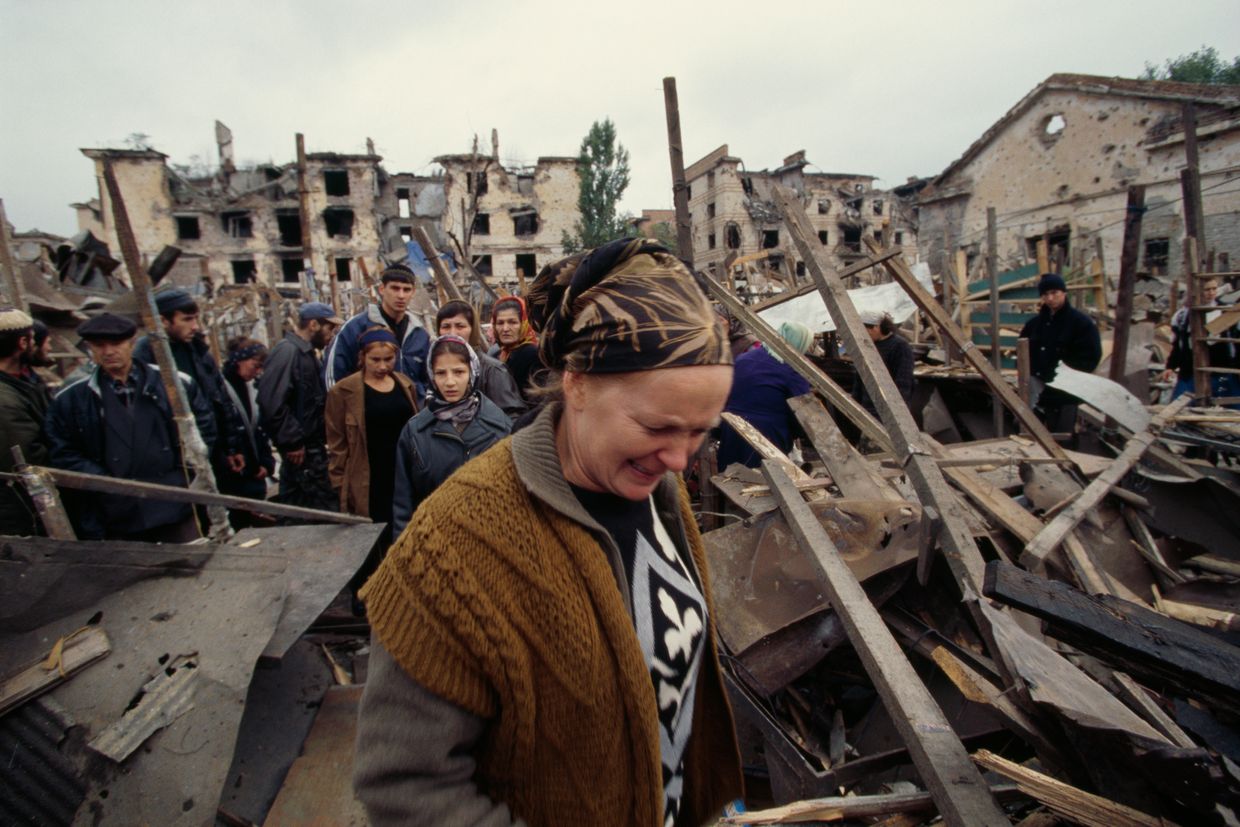
    People walk among the ruins caused by a Russian missile strike in Grozny, Chechnya, on an unknown date in 1999. (Antoine GYORI/Sygma via Getty Images)
    YouTuber Johnny Harris’ lens on Eastern Europe is distorted and irresponsible
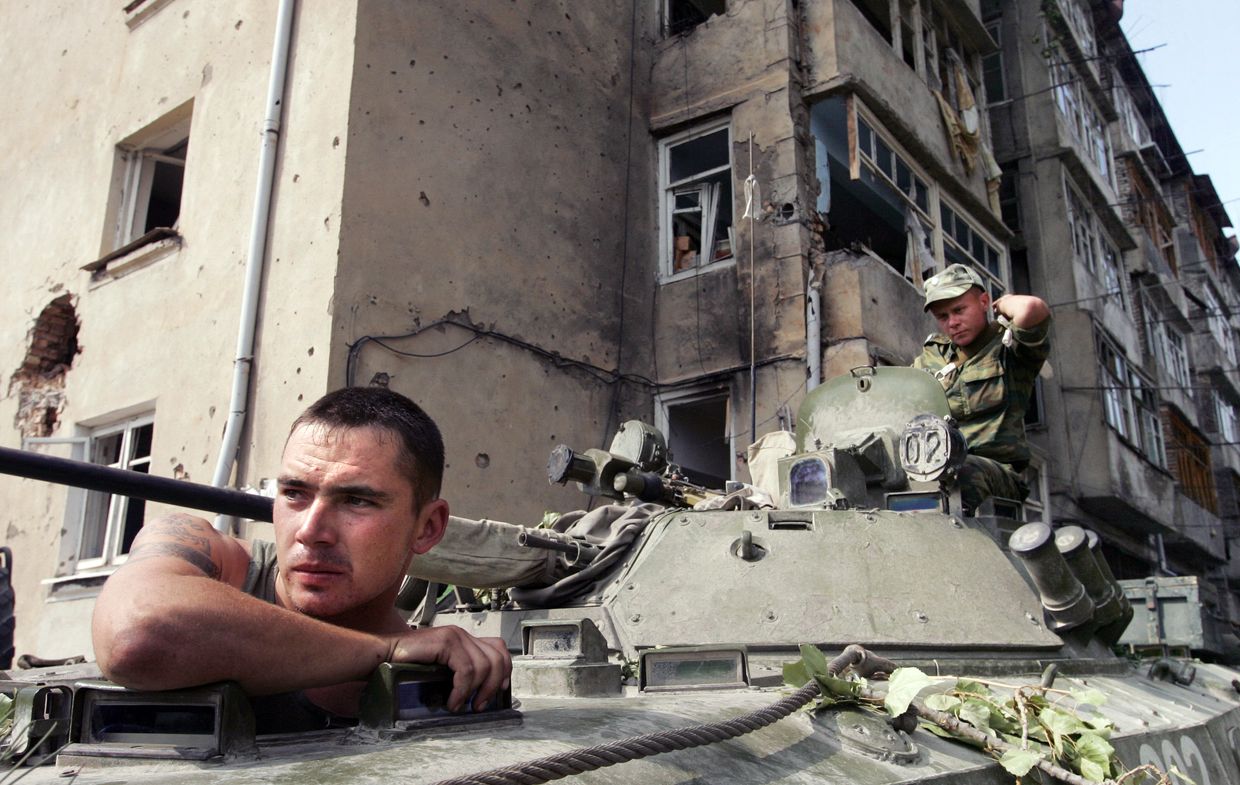
    Russian soldiers sit in an armored vehicle in Russian Tskhinvali, Georgia, on Aug. 12, 2008. (Dmitry Kostyukov / AFP via Getty Images)
    YouTuber Johnny Harris’ lens on Eastern Europe is distorted and irresponsible
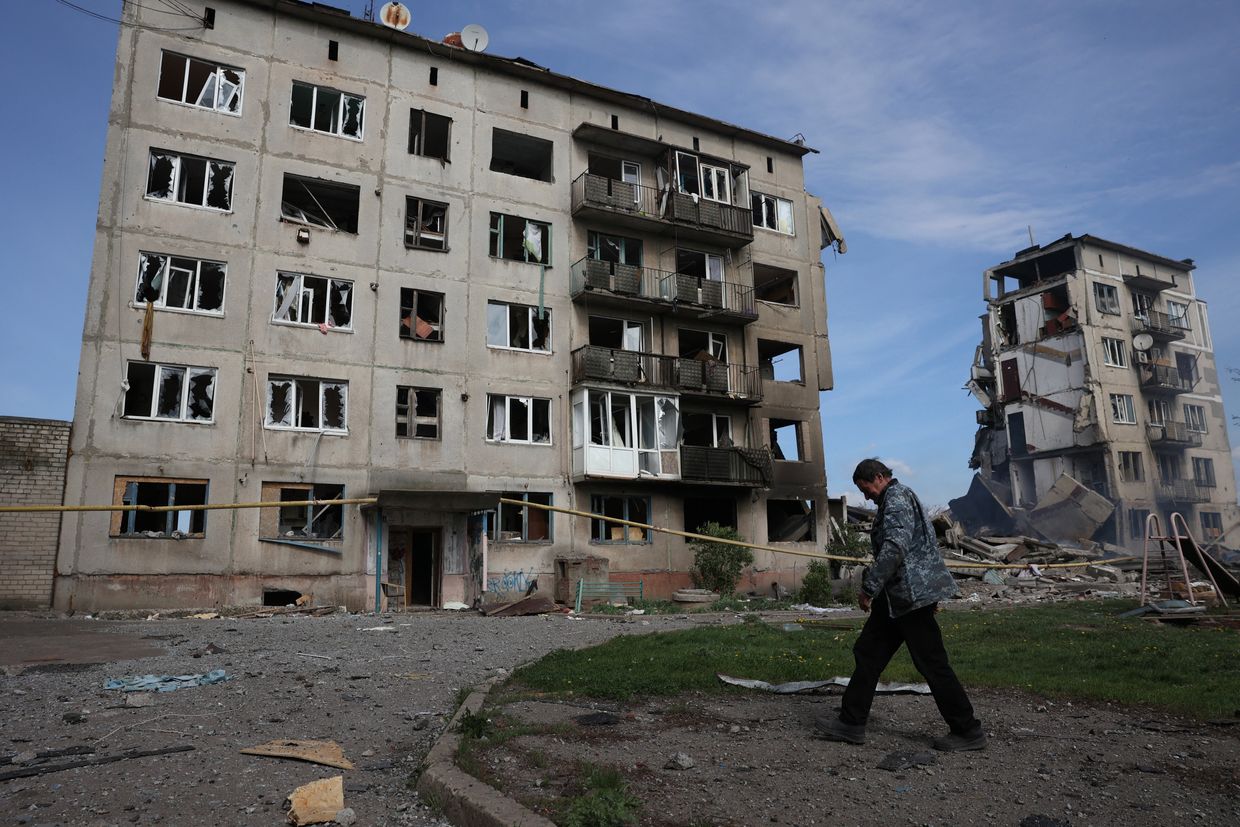
    A man walks past apartment buildings destroyed by a Russian bombing in Ochertyne, Donetsk Oblast, Ukraine, on April 15, 2024, amid the Russian invasion of Ukraine. (Anatolii Stepanov/AFP via Getty Images)

    Harris appears genuinely surprised by the backlash. But should he be? More importantly, should any of us really be surprised by this video from him?

    Harris has long been guilty of a white-savior complex, broadcasting the plight of the colonized and Global South to the world — from Venezuela’s hyperinflation to Sudan’s civil war. Yet, you rarely hear their voices in his videos — especially after he left Vox. He’s hesitant to turn the camera away from himself. He understands it’s his face that gets views, so it’s understandable to put himself front and center. But when dealing with sensitive subjects, it’s past time for him to include the voices of those who have spent more time experiencing and studying the topics he explores.

    Harris is not a nobody. He has over 6 million global subscribers, corporate sponsors, and a Patreon that earns up to an estimated $21,000 per month. This is not the first time he has been called out for prioritizing sensationalism over facts and disregarding history. This was evident in his video “Why Is Russia So DAMN BIG?,” which whitewashes Russia’s violent history of expansionism.

    This is especially important in the visual medium we operate in on YouTube. Video is a powerful tool of persuasion. The experience of watching a Harris video is hypnotic due to his masterful use of storytelling, music, graphics, and editing. It can move viewers emotionally as well as intellectually.

    Take one moment in Harris’ now-deleted video on NATO and Russia (still available on a Twitch stream), where he says: “Here in the political West, we mostly blame Russia and China for greedily trying to disrupt the U.S.-led rules-based order, but what if that’s wrong?” As he says this, he cuts to House Speaker Mike Johnson. Why him? Johnson is not representative of American foreign policy, but to Harris’ target audience, he represents American hypocrisy. Johnson has constantly defended convicted felon and incoming president, Donald Trump. He is certainly not the face of a “rules-based order.” Furthermore, Johnson only joined Congress in 2017, meaning he was not involved in NATO expansion, which Harris explores in the video.

    That subconscious influence through editing makes video an effective tool for propaganda. The question for Harris is whether he wants to be a journalist or a propagandist.

    Editor’s Note: The opinions expressed in the op-ed section are those of the authors and do not necessarily reflect the views of the Kyiv Independent.

    Submit an Opinion

    As military options dwindle, US support is key to Ukraine’s peace talksUkraine is exhausted. Low on manpower, ammunition, and, most importantly, morale, the country is slowly reckoning with the fact that the ongoing war may be unwinnable on the battlefield — at least for now. According to a Gallup survey published on Nov. 19, 52% of Ukrainians now say they want theirYouTuber Johnny Harris’ lens on Eastern Europe is distorted and irresponsibleThe Kyiv IndependentOleksiy SorokinYouTuber Johnny Harris’ lens on Eastern Europe is distorted and irresponsible
  • The occupiers are forcing schoolchildren to take tests on the knowledge of the Constitution of the Russian Federation

    The occupiers are forcing schoolchildren to take tests on the knowledge of the Constitution of the Russian Federation

    The occupiers are forcing schoolchildren to take tests on the knowledge of the Constitution of the Russian Federation

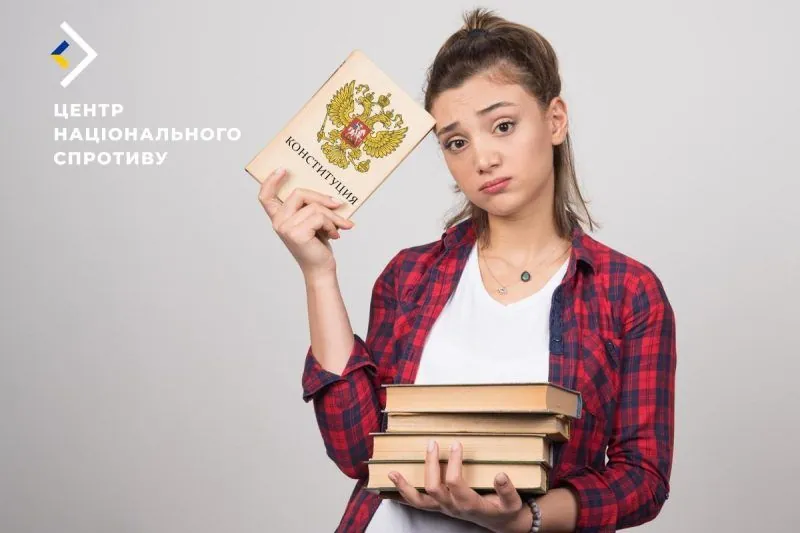
    In the occupied territories, Russians are conducting mandatory testing of schoolchildren for knowledge of the Russian Constitution. The tests are organized by the “citizen” association with the support of the occupation “ministries of youth”.

    In the temporarily occupied territories, Russians are forcing students of seized schools to take tests on the knowledge of the fake constitution of the Russian Federation. This is reported by the Center for National Resistance (CNR), UNN reports.

    Details

    The testing is carried out by the public association "citizen", with the support of the "ministries of youth" in the occupation administrations.

    The Russians are trying to impose this useless document, the norms of which are not enforced in Russia, on Ukrainian children in order to integrate them into the occupation society.

    – the CNS said in a statement.

    The event was covered by fake media, which sought to show the loyalty of the local population to the invaders.

    Compulsory tests are held until December 12, when Russia celebrates Constitution Day.

    Recall

    The occupation authorities of Donetsk are forcing students of a technical university to participate in Kremlin propaganda events. Students are threatened with problems at exams and forced to donate blood for terrorists.

  • Ukraine war latest: Russia continues to suffer record losses in December, Zelensky says

    Ukraine war latest: Russia continues to suffer record losses in December, Zelensky says

    Ukraine war latest: Russia continues to suffer record losses in December, Zelensky says

    Key developments on Dec. 11:

    • Russia continues to suffer record losses in December, Zelensky says
    • Ukraine has arms to resist at least until mid-2025 if US cuts aid, finance minister says
    • Russian proxies sentence 9 Azovstal defenders to 24 years, life in prison
    • Russia may launch new Oreshnik missile against Ukraine in 'coming days,' US intelligence says

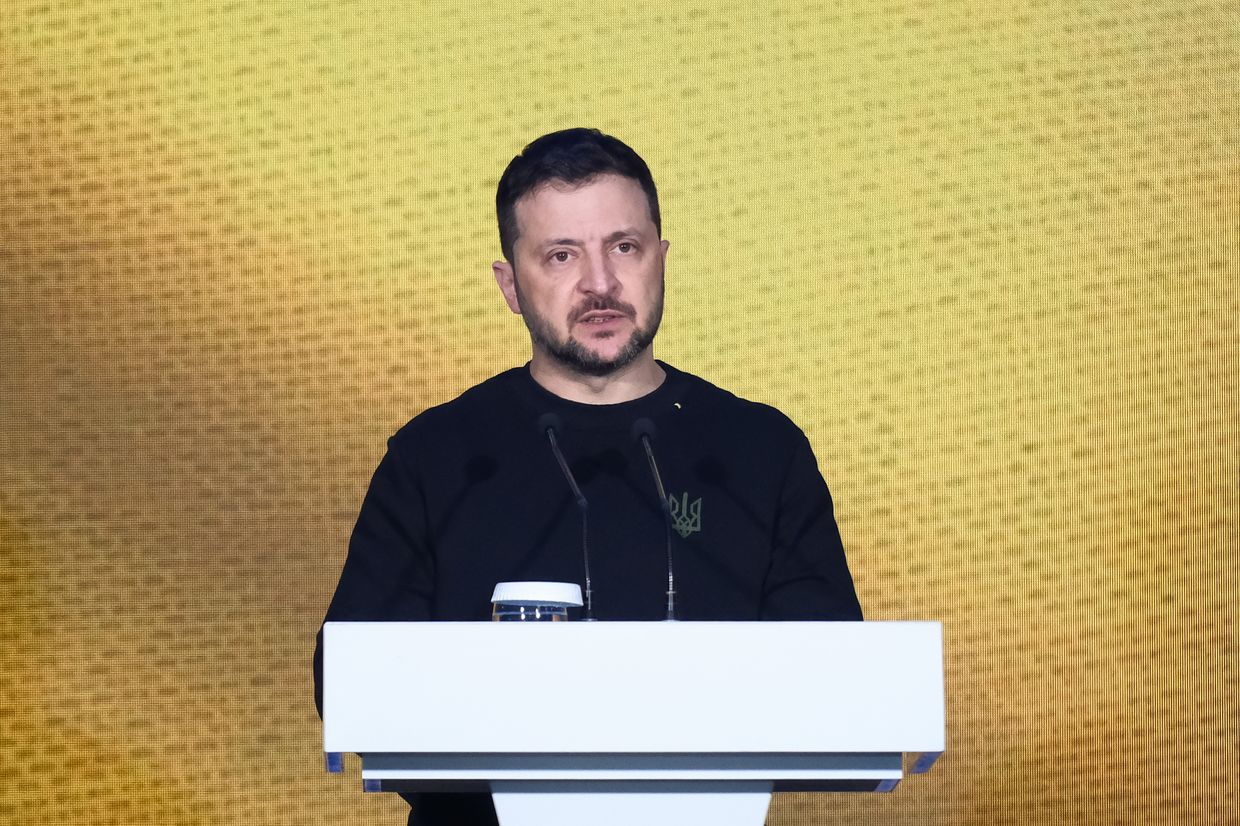
    Russian forces have incurred record-high casualties in manpower during hostilities in both November and December, President Volodymyr Zelensky said on Dec. 11 after hearing a report from Commander-in-Chief Oleksandr Syrskyi.

    Moscow's troops are advancing at a rapid pace in Ukraine's east, pushing back outgunned and outnumbered Ukrainian defenders at the cost of staggering losses.

    "As in November, the Russian military is using a record number of its men in December in battles and assaults," Zelensky said on Telegram.

    "These months — November and December — saw record Russian losses," the president noted, adding that the Pokrovsk and Kurakhove sectors in Donetsk Oblast remain the active parts of the front.

    Ukraine's Defense Ministry said on Dec. 1 that Russian losses throughout November amounted to 45,720 soldiers wounded, killed, or captured, as well as over $3 billion worth of equipment.

    Join our community Support independent journalism in Ukraine. Join us in this fight. Support Us Ukraine war latest: Russia continues to suffer record losses in December, Zelensky says

    November also saw the record broken for the enemy personnel losses in one day with 2,030, the highest figure since Feb. 24, 2022. Ukrainian and Western estimates put Russian losses at between 600,000-750,000 killed, injured, or captured, while Moscow has not disclosed the exact figures.

    Despite the losses, Russia holds the upper hand on the battlefield, advancing toward key Donetsk Oblast towns like Pokrovsk and chipping away at the Ukrainian position in the Russian border region of Kursk.

    In his post, Zelensky also thanked Ukrainian forces for "tangible hits on Russian targets last night," namely "military facilities on Russian territory" and "energy and fuel facilities."

    Earlier today, the General Staff of Ukraine's Armed Forces reported a successful strike against a Druzhba oil pipeline loading station near the Russian city of Bryansk, resulting in a large-scale fire.

    Ukraine has arms to resist at least until mid-2025 if US cuts aid, finance minister says

    Ukraine has enough funds and ammunition to continue resisting Russia at least throughout the first half of 2025, even if U.S. assistance dries up, Finance Minister Serhii Marchenko said in an interview with the El Pais newspaper published on Dec. 11.

    Marchenko's comments come amid growing concern that U.S. President-elect Donald Trump might withdraw Washington's crucial support for Kyiv after he takes office in January.

    "I believe that we have enough funds, enough weapons, missiles, and artillery shells to resist at least during the first half of 2025," Marchenko said. Ukraine is allocating necessary funds from its budget to purchase equipment and continues to receive U.S. arms, the minister explained.

    "This means that at least during the first half of the year and beyond, we will be well-equipped to resist this aggression," he added.

    The outgoing Biden administration has accelerated its weapons deliveries ahead of Trump's inauguration, announcing an arms package worth nearly $1 billion on Dec. 7. Washington has provided Ukraine with over $60 billion in arms and equipment since the outbreak of the full-scale war, making it by far the most important military donor.

    The flow of supplies may soon dry up, as Trump recently said that Kyiv could expect a reduction of U.S. assistance after he takes office.

    Marchenko noted that the possibility of Trump cutting aid is a "challenge." It is, therefore, in Kyiv's interest to "create the necessary conditions" for cooperation with the new administration, he added.

    "We want to build a good relationship," Marchenko said.

    President Volodymyr Zelensky met Trump in Paris on Dec. 7 for the first time since the latter's reelection. Reuters wrote that the two did not discuss the specifics of any concrete peace plan, but the Ukrainian president stressed the need for security guarantees.

    Marchenko expressed his belief that full NATO membership remains the best possible guarantee to deter Russian aggression, with a "modern and strong Ukrainian military" as the only alternative.

    As military options dwindle, US support is key to Ukraine’s peace talksUkraine is exhausted. Low on manpower, ammunition, and, most importantly, morale, the country is slowly reckoning with the fact that the ongoing war may be unwinnable on the battlefield — at least for now. According to a Gallup survey published on Nov. 19, 52% of Ukrainians now say they want theirUkraine war latest: Russia continues to suffer record losses in December, Zelensky saysThe Kyiv IndependentOleksiy SorokinUkraine war latest: Russia continues to suffer record losses in December, Zelensky says

    Russian proxies sentence 9 Azovstal defenders to 24 years, life in prison

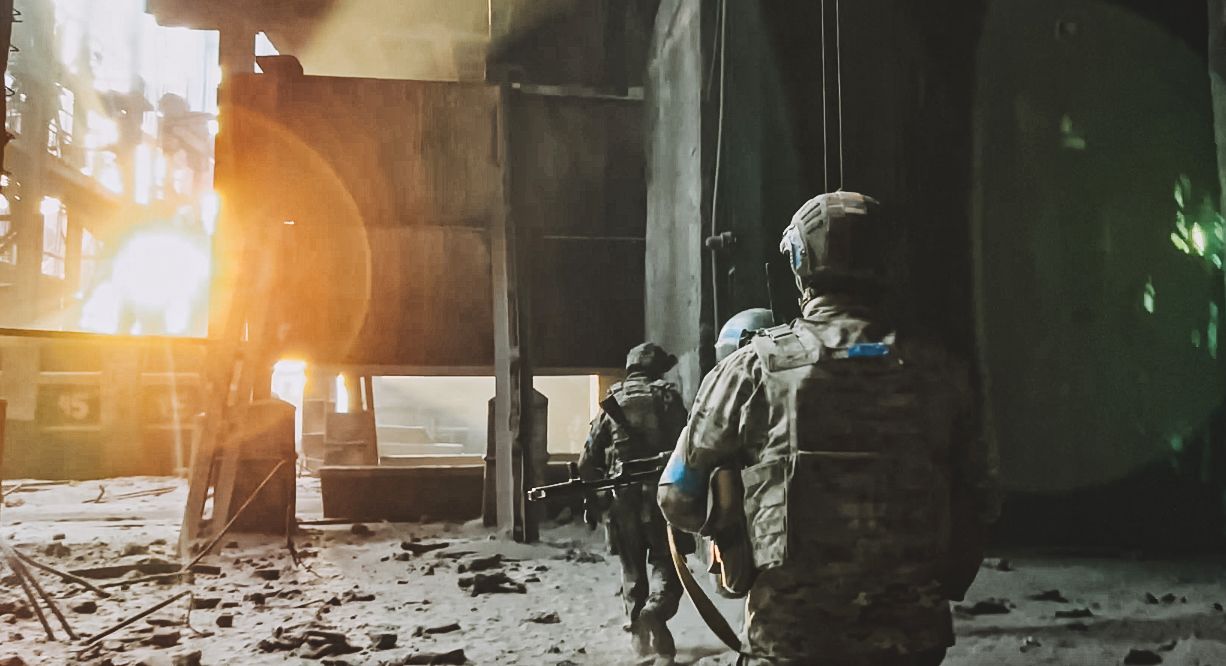
    Russian occupation authorities in Donetsk jailed nine Ukrainian soldiers captured after defending Mariupol to between 24 years and a life sentence, the city's exiled authorities reported on Dec. 11.

    Russia often uses trumped-up charges to jail captured Ukrainian soldiers, activists, journalists, and regular civilians for lengthy terms.

    Moscow's proxies in Donetsk now sentenced soldiers of the 36th Marine Brigade who fell into Russian hands after a gruesome siege of Mariupol and its Azovstal steel plant in the spring of 2022, the exiled Mariupol City Council said on Telegram.

    Andrii Shestak, Nazarii Moroz, Vladyslav Yavorskyi, Vadym Shulha, Serhii Yampolskyi, Maksym Kolbasin, Dmytro Shalara, Volodymyr Penzin, and Kostiantyn Romaniuk will serve their sentences in a high-security prison, according to the statement.

    The occupation authorities accused the soldiers of shelling the village of Staryi Krym near Mariupol in March 2022.

    Ukraine's former Prosecutor General said that nine out of 10 Ukrainian prisoners of war (POW) are subjected to physical and moral torture. While Ukraine has managed to bring back home some of the captives, including Azovstal defenders, through prisoner exchanges, many more remain in Russian captivity.

    12 never-before-seen photos from Azovstal defense (Photos)The defense of the Azovstal steel plant, Ukraine’s last stronghold during the Russian siege of Mariupol in the spring of 2022, remains one of the most heroic operations carried out by the Ukrainian soldiers to date. The plant was under constant Russian bombardment for nearly two months, and those s…Ukraine war latest: Russia continues to suffer record losses in December, Zelensky saysThe Kyiv IndependentIrynka HromotskaUkraine war latest: Russia continues to suffer record losses in December, Zelensky says

    Russia may launch new Oreshnik missile against Ukraine in 'coming days,' US intelligence says

    Russia may launch its new Oreshnik intermediate-range ballistic missile (IRBM) against Ukraine for the second time "in the coming days," the Associated Press (AP) reported on Dec. 11, citing an unnamed U.S. official.

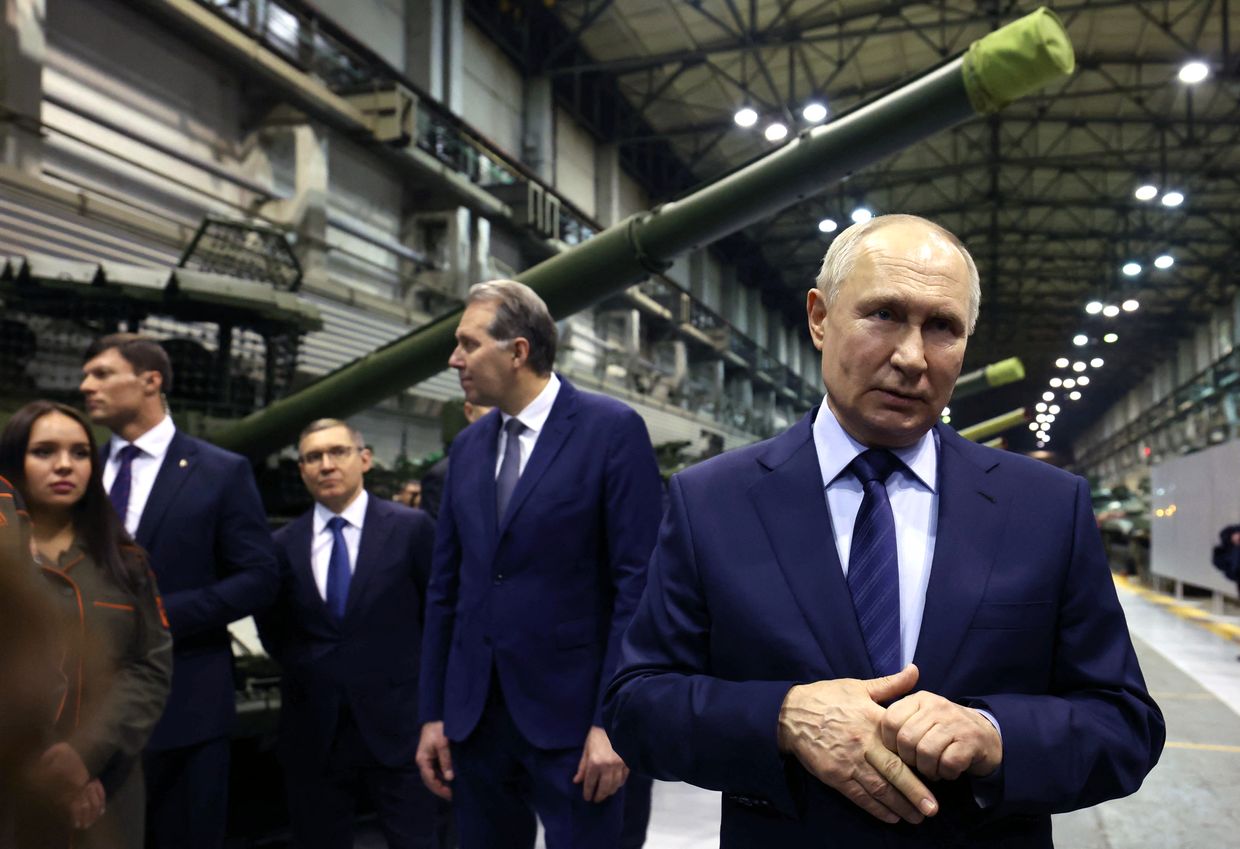
    Russia launched its new intermediate-range ballistic missile at Dnipro in Ukraine on Nov. 21. Russian President Vladimir Putin claimed the strike was in response to Ukraine's use of American and British weapons to target deeper within Russia.

    Washington still sees the experimental Oreshnik missile more as "an attempt at intimidation than a game-changer on the battlefield in Ukraine," a U.S. official told reporters on condition of anonymity, referring to a U.S. intelligence assessment.

    Russia has only "a handful" of the Oreshnik missiles, and they carry a smaller warhead than other missiles that Russia has regularly launched at Ukraine, AP reported, citing an official.

    In early December, the Moscow Times reported, citing four Russian official sources, that the media blitz following the strike on Dnipro was a carefully staged stunt designed to scare off the West.

    The Oreshnik is likely not a new Russian development but a modification of the RS-26 missile, also known as the Rubezh, Fabian Hoffmann, a defense expert and doctoral research fellow at the University of Oslo, told the Kyiv Independent.

    "I think basically they (Russians) just took apart the RS-26 or just cannibalized it, and then put together this new missile with a couple of upgrades, and a new paint job."

    First produced in 2011, and successfully tested in 2012, the Rubezh is a 36,000 kilogram, nuclear capable, intermediate-range ballistic missile with a known range of 5,800 kilometers.

    ‘Don’t overreact’ — Oreshnik missile isn’t as new as Russia claims, experts sayRussian President Vladimir Putin on Nov. 21 announced his country had launched a new type of missile in an attack on Ukraine, a demonstration of military might meant to deter Kyiv’s allies from further support against his full-scale invasion. “There are currently no ways of countering this weapon.…Ukraine war latest: Russia continues to suffer record losses in December, Zelensky saysThe Kyiv IndependentChris YorkUkraine war latest: Russia continues to suffer record losses in December, Zelensky says
  • UNESCO’s “special monitoring” mechanism will be applied in Ukraine for the first time: what is known

    UNESCO’s “special monitoring” mechanism will be applied in Ukraine for the first time: what is known

    UNESCO's “special monitoring” mechanism will be applied in Ukraine for the first time: what is known

    The UNESCO Committee will use the “special monitoring” mechanism for the first time in Ukraine and organize a mission to Kharkiv. The goal is to record the damage to the State Industrial Complex caused by Russian air strikes and collect evidence for the International Criminal Court.

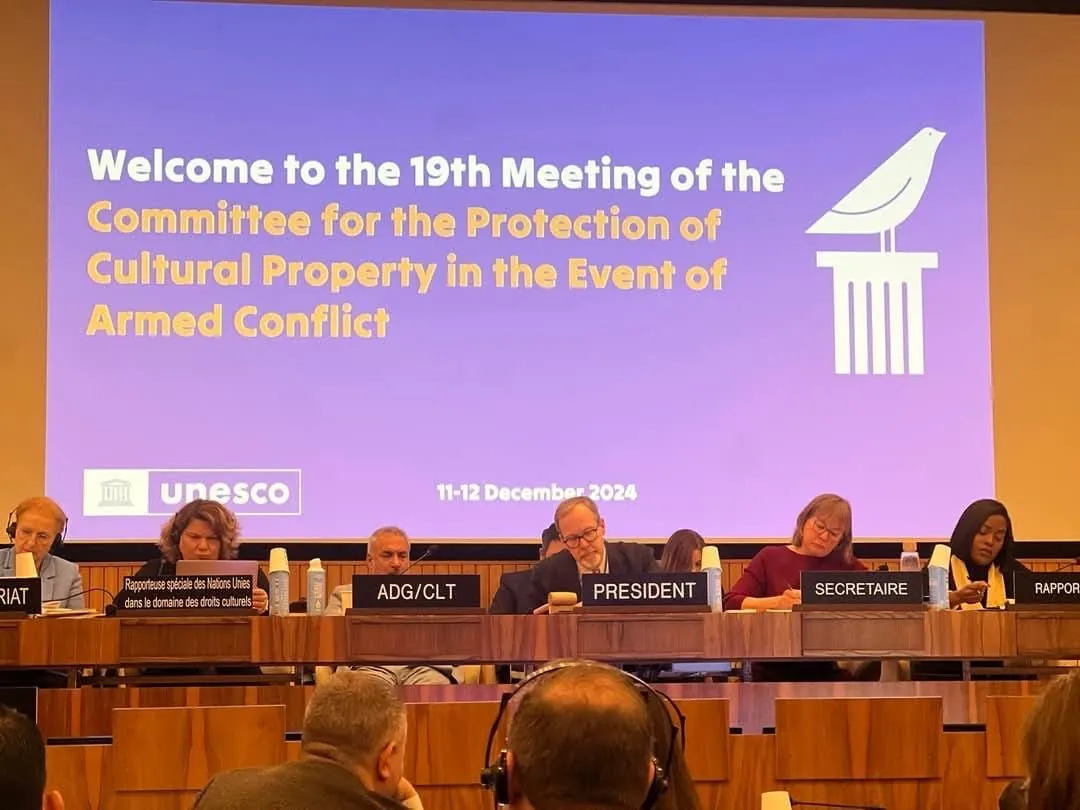
    The UNESCO Committee for the Protection of Cultural Property in the Event of Armed Conflict decides to use the mechanism of "special monitoring" in Ukraine for the first time. A mission will be organized to Kharkiv. This was reported by the Ministry of Culture and Strategic Communications of Ukraine, UNN reports.

    On December 11, during a meeting, the Committee members supported the decision to organize a "special monitoring" mission to Kharkiv. This will make Ukraine the first country to use this mechanism,

    – writes the Ministry of Culture.

    Details

    The agency clarified that such a step would allow to record the damage to the Derzhprom building, which was hit by the Russian occupiers. Measures will also be coordinated to restore the monument and evidence will be collected to bring Russian war criminals to justice.

    Minister of Culture Mykola Tochytskyi noted that Ukraine is stepping up efforts to use UNESCO mechanisms to maximize the protection and preservation of cultural property in times of war.

    The head of the Ministry of Culture is confident that the results of the "special monitoring" mission will help to record the destruction and send the findings to the International Criminal Court.

    Recall

    At the end of October, Russian troops damaged the State Industry building in Kharkiv, which is a UNESCO-protected architectural monument. A medical facility and administrative buildings were also damaged, with six people injured.

    An aerial bomb damaged the 7th entrance of the State Industrial Complex in Kharkiv, shattering about 700 windows. The main structures survived, but due to its status as an architectural monument, restoration may take years.

  • Zelensky slams Orban for phone call with Putin to discuss Ukraine

    Zelensky slams Orban for phone call with Putin to discuss Ukraine

    Zelensky slams Orban for phone call with Putin to discuss Ukraine

    President Volodymyr Zelensky slammed Hungary's Prime Minister Viktor Orban on Dec. 11 following his hour-long call to Russian President Vladimir Putin during which the two discussed the war in Ukraine.

    The call occurred earlier in the day after Orban's visit to Mar-a-Lago and meeting with U.S. President-elect Donald Trump.

    Orban said on X that the call with Putin lasted an hour. The prime minister also mentioned that these weeks are the war's "most dangerous," adding that the parties are taking "all possible diplomatic steps" to promote a ceasefire and peace talks.

    In response, Zelensky called for "not playing on one's own image at the expense of unity" but "for the common success." He added that discussions about the war in Ukraine cannot occur without its representatives.

    "It is absolutely clear that achieving real peace and guaranteed security requires American determination, European unity, and the commitment of all partners to uphold the goals and principles of the U.N. Charter," the president added.

    "We all hope that Orban at least won't call Assad in Moscow to listen to his hour-long lectures as well," Zelensky wrote on Telegram, referring to ousted Syrian President Bashar al-Assad who fled to Moscow after rebels took over the Syrian capital Damascus on Dec. 9.

    Zelensky also thanked Trump and European leaders with whom Ukraine "is already working together to find the right and strong solutions for real peace."

    Orban responded to Zelensky's criticisms, claiming on X that Hungary had allegedly proposed "a Christmas ceasefire and a large-scale prisoner exchange" to Zelensky, but that the Ukrainian president had ruled it out.

    Hungary has retained warm diplomatic and economic ties with Moscow even after the Russian full-scale invasion of Ukraine in 2022, refusing to send military aid to Kyiv and vocally opposing EU sanctions on Russia, albeit eventually voting for every one of the packages.

    Hungary's prime minister was the first EU leader to visit Putin in Moscow in July after taking the helm of the EU presidency despite Western attempts at isolating the Russian leader.

    As military options dwindle, US support is key to Ukraine’s peace talksUkraine is exhausted. Low on manpower, ammunition, and, most importantly, morale, the country is slowly reckoning with the fact that the ongoing war may be unwinnable on the battlefield — at least for now. According to a Gallup survey published on Nov. 19, 52% of Ukrainians now say they want theirZelensky slams Orban for phone call with Putin to discuss UkraineThe Kyiv IndependentOleksiy SorokinZelensky slams Orban for phone call with Putin to discuss Ukraine
  • Ukraine and Ireland strengthen cooperation to return Ukrainian children abducted by Russia

    Ukraine and Ireland strengthen cooperation to return Ukrainian children abducted by Russia

    Ukraine and Ireland strengthen cooperation to return Ukrainian children abducted by Russia

    Presidential Advisor Daria Gerasymchuk held meetings with the Irish government on the return of deported children. The delegation presented the film “Stolen Childhood” and held a panel discussion on the reintegration of returned children.

    A Ukrainian delegation headed by Daria Gerasymchuk, Advisor to the Presidential Commissioner for Children's Rights and Child Rehabilitation, visited Ireland to strengthen cooperation to return Ukrainian children illegally deported and displaced by Russia. This was reported by the Office of the President of Ukraine, UNN reports.

    Details

    The visit was part of the Stolen Voices information campaign, which is part of Volodymyr Zelenskyy's Bring Kids Back UA initiative.

    Darya Gerasymchuk met with representatives of the Irish government, in particular with the Director of the European Neighborhood Division of the Political Department of the Department of Foreign Affairs, Dervla Doyle, and the Director of the International and EU Affairs Division of the Office of the Prime Minister, Ronan Gargan.

    Ukrainian children are witnesses to the crimes against humanity that Russia is trying to hide. Russians are kidnapping our children and trying to make them "Russian" by changing their names, identities and native language. We will not stop until every child returns home. We are grateful to Ireland for their support and willingness to join forces in this important cause

    – emphasized the Presidential Advisor-Commissioner.

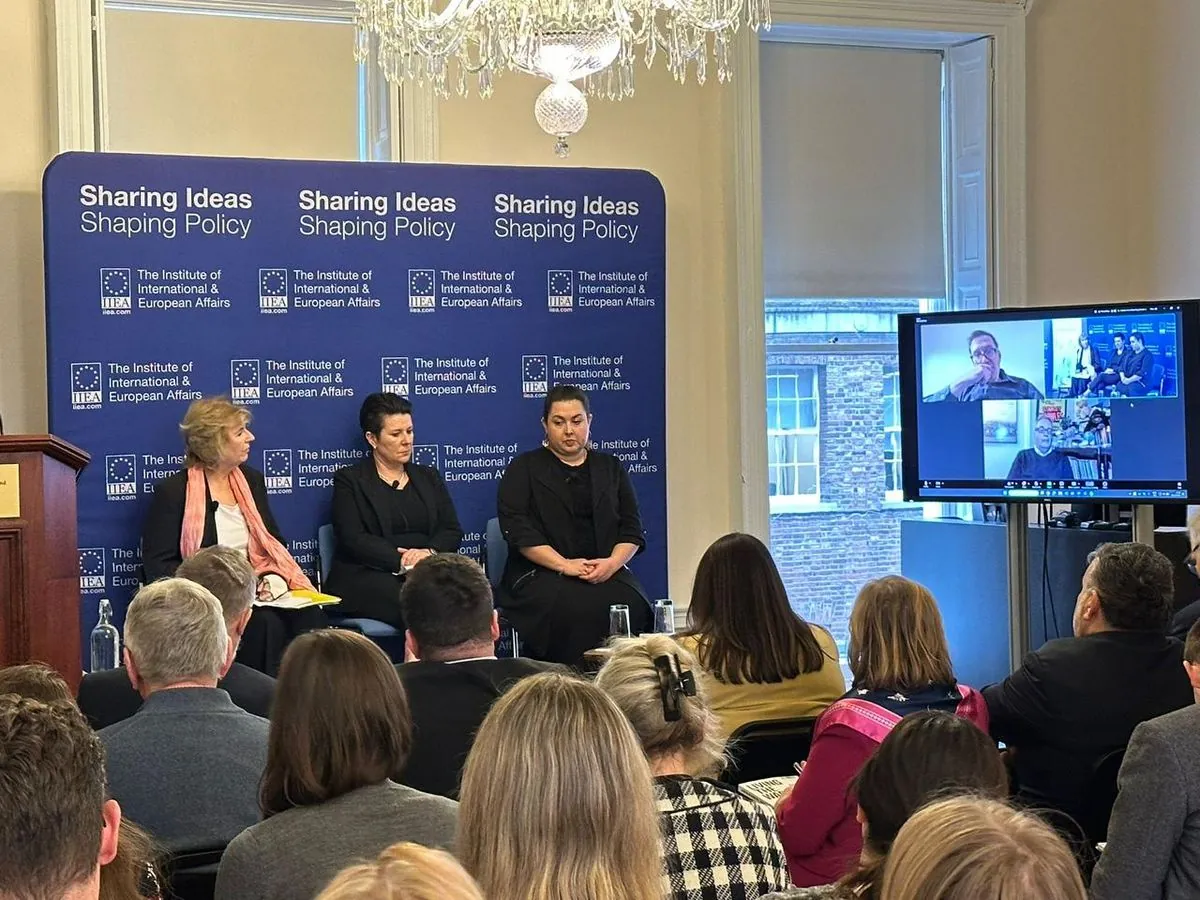
    The Institute of International and European Affairs also hosted a panel discussion on the return of abducted Ukrainian children and the reintegration of those who were returned home.

    Image

    Kira and Oleksandr, children who came with the Ukrainian delegation, spoke about their experiences. They are both from Mariupol. The girl's father was killed by the Russian occupiers, and the boy's mother disappeared after the filtration camp. The children were kidnapped and taken to a Donetsk hospital.

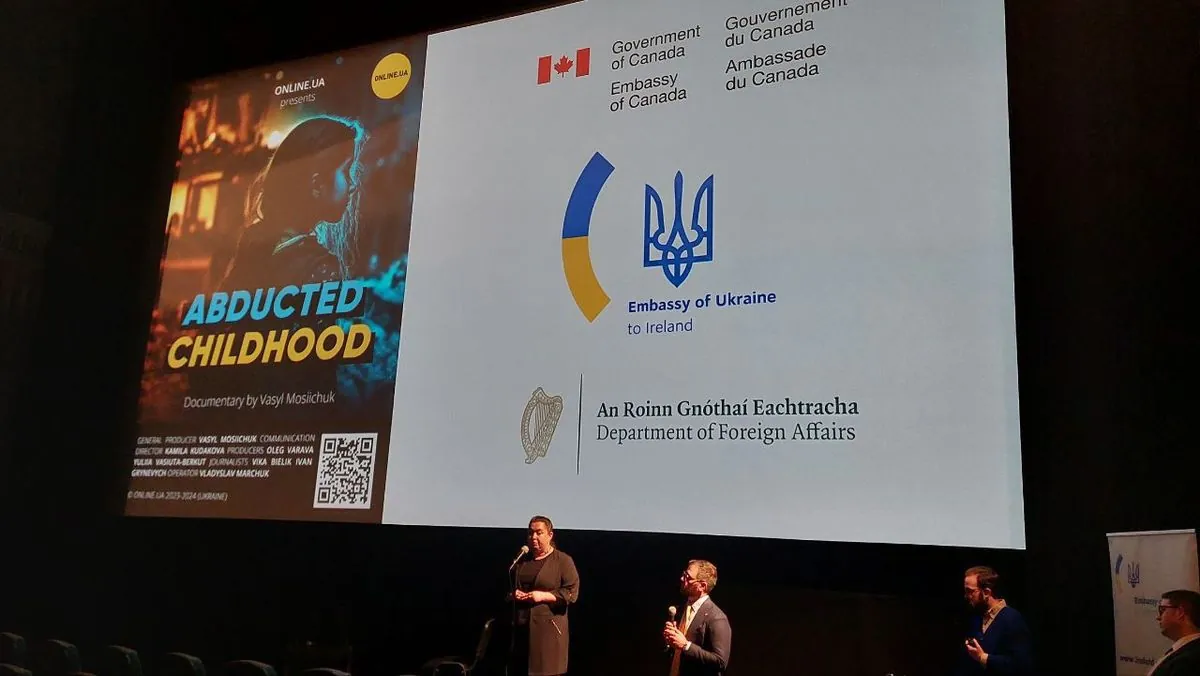
    In addition, in Ireland, the Ukrainian delegation presented the documentary Stolen Childhood, about the real-life stories of children who were taken by Russia.

    Image

    The visit was organized by the Embassy of Ukraine in Ireland and the Embassy of Ireland in Ukraine with the support of the Embassy of Canada in Ireland.

    Recall

    From the temporarily occupied territories of Ukraine 8 children aged 6 to 16 years were returned. Seven children returned with the help of Qatar, and one returned through the humanitarian corridor.

  • The Kyiv Independent’s picks for best Ukraine-related books of 2024

    The Kyiv Independent’s picks for best Ukraine-related books of 2024

    The Kyiv Independent’s picks for best Ukraine-related books of 2024

    The year 2024 proved to be another landmark for books about Ukraine and Ukrainian literature in translation, with a continued trend in publishing in fiction, non-fiction, and poetry. Unsurprisingly, Russia’s ongoing full-scale war against Ukraine was the most common topic among these works.

    Whether through incisive on-the-ground reportage that captures the suffering and fortitude of the Ukrainian people or through reflections on the historical forces that shaped the present moment, Ukraine-related publications in 2024 offered a rich and multifaceted portrait of the country. Read together, these works of prose and poetry invite English-language readers to engage with the story of the Ukrainian people in all its depth, complexity, and urgency.

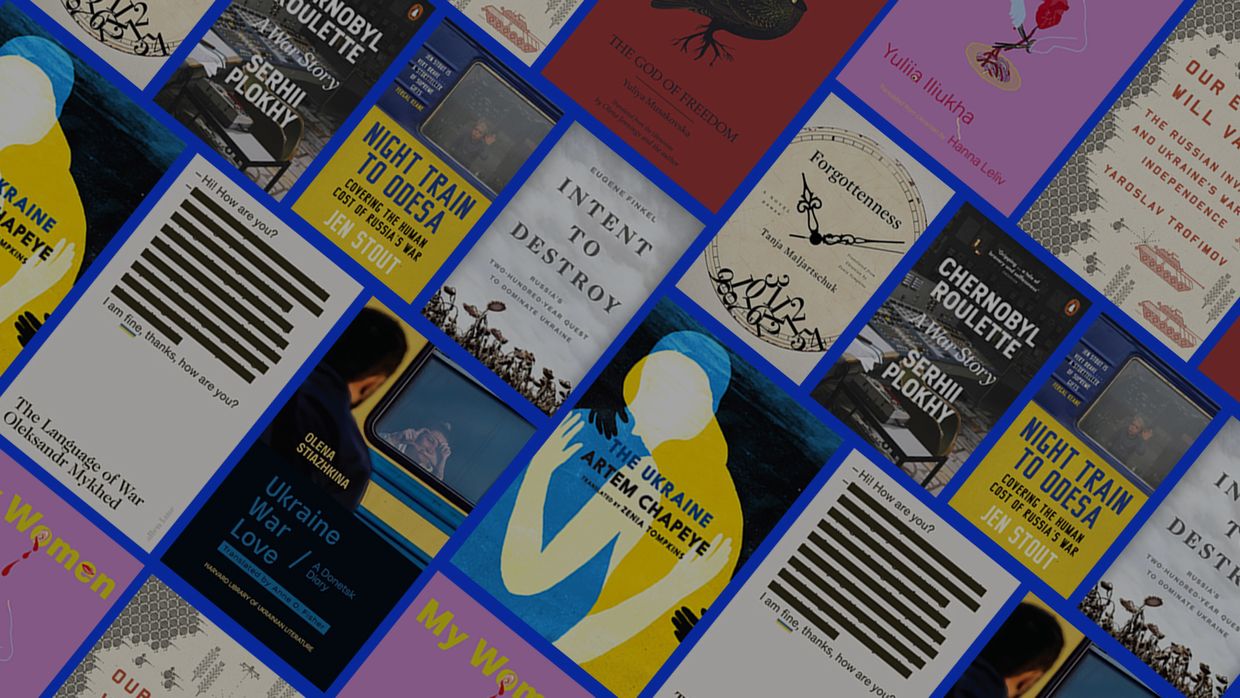
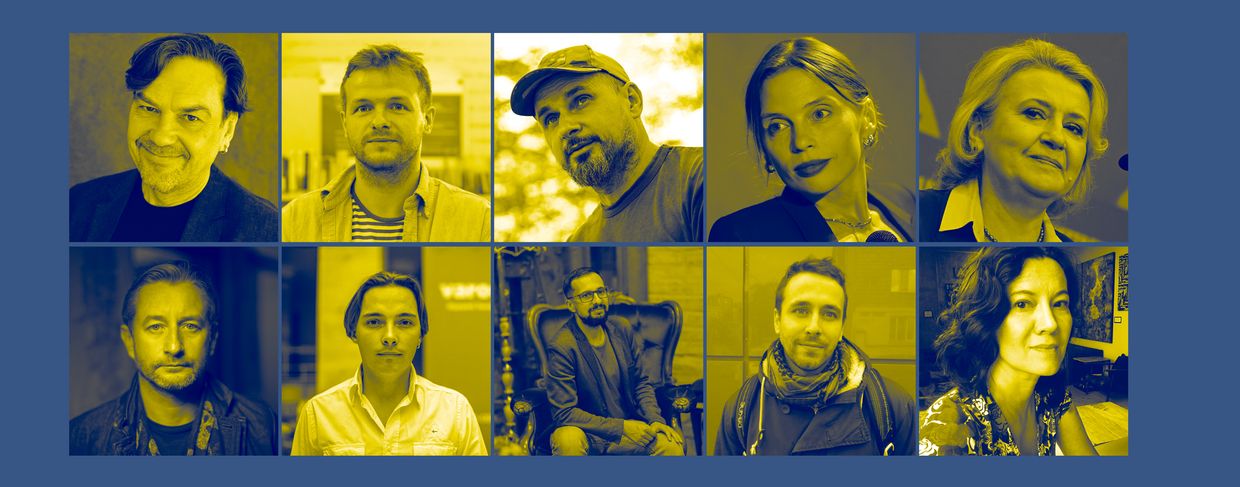
    The Kyiv Independent has curated a selection of the 10 most compelling books on Ukraine from 2024. This list serves as a guide rather than a definitive ranking, offering readers a foundation to engage with the year's literary highlights while anticipating the Ukraine-related publications slated for 2025.

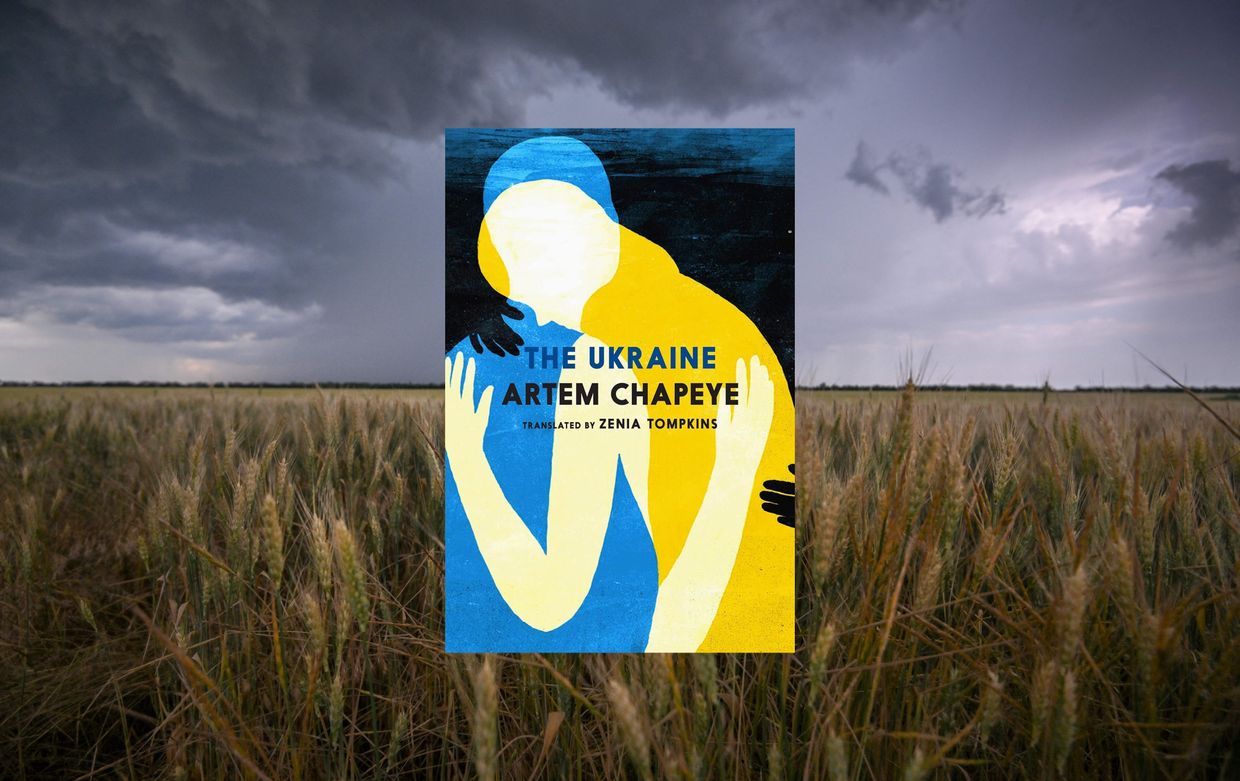
    “The Ukraine” by Artem Chapeye
    Translated by Zenia Tompkins

    A mix of fiction and creative nonfiction, the collective stories in Ukrainian author Artem Chapeye's "The Ukraine" deliver a colorful mosaic of contemporary Ukrainian life leading to the full-scale war. The title itself is a provocative rebuke of the common foreign misstep of referring to the country as “the Ukraine,” a phrasing that implies it is a borderland of Russia. Instead, Chapeye invites readers to discover the real Ukraine — his Ukraine. A perfect blend of humor and heartbreak, the collection portrays the everyday struggles of ordinary Ukrainians while also laying bare the historical and political divides that shape their world. Whether it’s the story of an elderly pensioner trying to sell vegetables on the street getting harassed by corrupt police or a western Ukrainian traveling to the east only to realize the country is not as divided as one would have them believe, each story unfolds as a microcosm of the Ukrainian people’s broader societal tensions and aspirations.

    The characters in Chapeye’s stories are fully realized individuals that command a sense of dignity amid political uncertainty and systemic neglect. It offers a rare glimpse into the lives and dreams of those striving to reconcile a fractured past with an uncertain future, making it as timely as it is timeless.

    ‘The Ukraine’ book of stories offers a look at different, pre-war UkrainiansUkrainian author Artem Chapeye has lived many lives: journalist, activist, translator, and since the spring of 2022, a soldier in the Ukrainian Armed Forces. Being a writer helps him to “endure everyday army life,” he said in an interview in June 2023, but “until everything is finished, it is veryThe Kyiv Independent’s picks for best Ukraine-related books of 2024The Kyiv IndependentElsa CourtThe Kyiv Independent’s picks for best Ukraine-related books of 2024

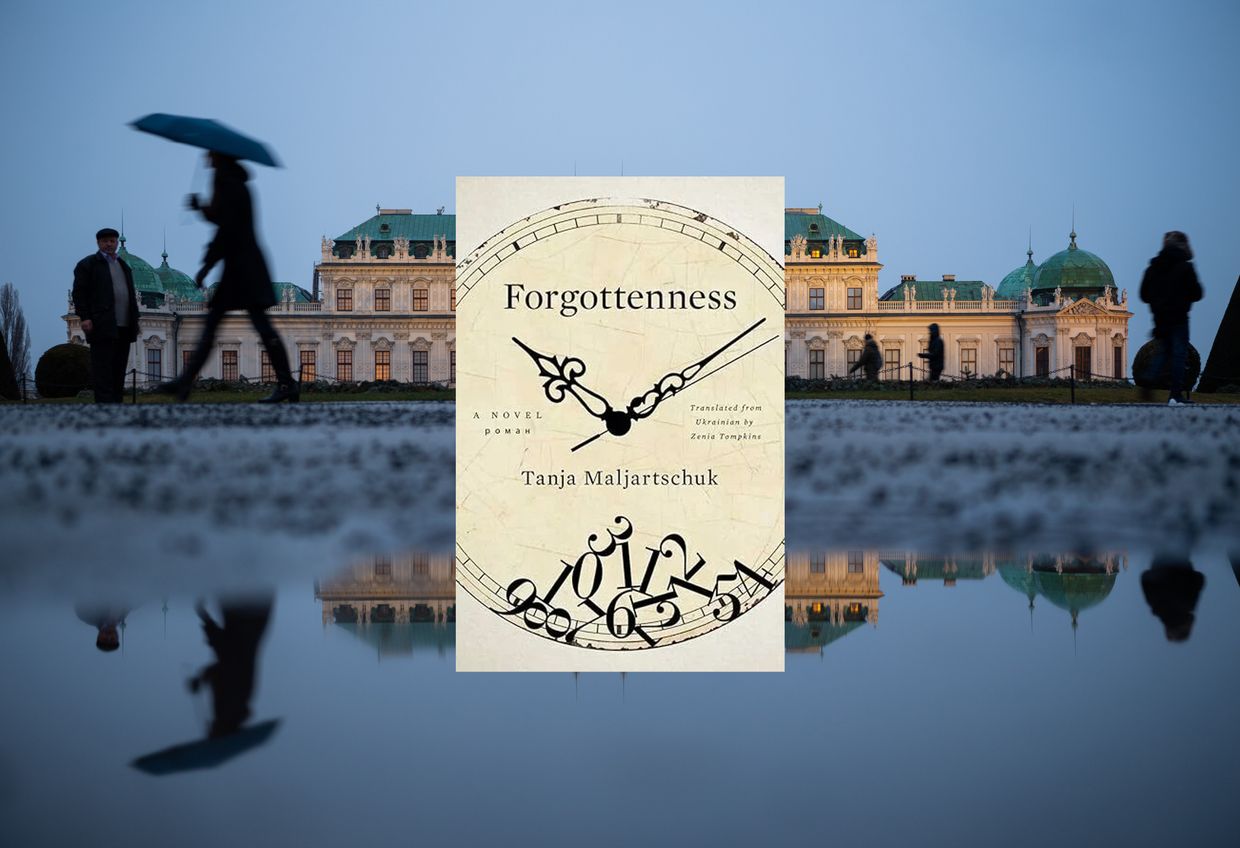
    “Forgottenness” by Tanja Maljartschuk
    Translated by Zenia Tompkins

    The unnamed narrator of Ukrainian author Tanja Maljartschuk’s novel “Forgottenness,” grappling with an agoraphobic episode, becomes consumed by the past, reading old newspapers in search of understanding time's relentless passage. Her journey leads her to Viacheslav Lypynskyi, a forgotten figure in Ukrainian history whose life she believes intersects with her own in unexpected ways. As she uncovers his role in Ukraine’s centuries-long fight for independence, the narrator begins to confront the intergenerational trauma that weighs upon her family's history, particularly the horrors of the Holodomor and Soviet repression.

    The novel explores themes of national identity, memory, and the struggle to preserve one’s voice against the overwhelming forces of time. Through vivid storytelling and historical depth, “Forgottenness” asks: Can one truly escape the past, or is it destined to consume us all?

    Haunting Ukrainian novel explores time, trauma, and identityIn the midst of a full-blown agoraphobic episode, the unnamed narrator of Tanja Maljartschuk’s novel “Forgottenness,” becomes engrossed in reading old newspapers. Asked by her increasingly concerned partner what she’s looking for, she simply tells him: “I want to understand what time is.” “Time con…The Kyiv Independent’s picks for best Ukraine-related books of 2024The Kyiv IndependentKate TsurkanThe Kyiv Independent’s picks for best Ukraine-related books of 2024

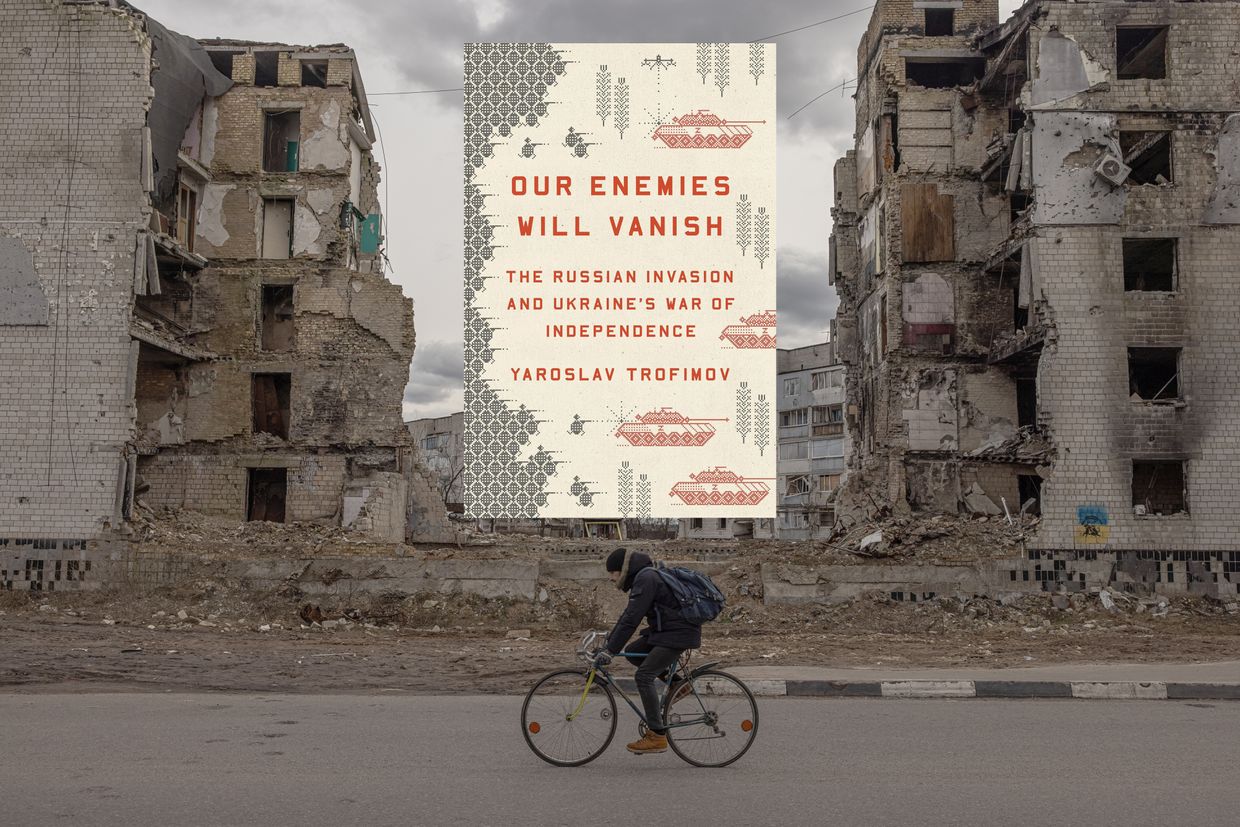
    “Our Enemies Will Vanish” by Yaroslav Trofimov

    Drawing on firsthand accounts from Ukrainian officials, soldiers, and civilians, Ukraine-born journalist Yaroslav Trofimov of the Wall Street Journal delivers a gripping chronicle of the full-scale war in “Our Enemies Will Vanish.”

    From Russia’s unyielding refusal to negotiate to the world’s hesitation over Moscow’s so-called "red lines," the latter of which has consistently delayed critical military aid, Trofimov captures the extraordinary resolve of the Ukrainian people facing the threat of annihilation. With journalistic precision and deep empathy, Trofimov also documents some of the war’s darkest chapters, including the horrific mass executions uncovered in Bucha following Kyiv Oblast’s liberation and the bloody clashes in Bakhmut, Donetsk Oblast.

    Beyond the enduring scars of documented Russian crimes, Trofimov highlights pivotal victories for Ukrainian forces, such as the liberation of southern Kherson and eastern Kharkiv oblasts. Trofimov’s masterful reporting is a testament to the power and importance of fearless, on-the-ground journalism.

    Wartime book of on-the-ground reporting details Ukraine’s resilienceWarning: This book review contains graphic descriptions. While embedded with Ukrainian forces entering Bakhmut in December 2022, the bloodiest battle to date in the Russo-Ukrainian war, journalist Yaroslav Trofimov encountered anti-Kadyrov Chechen fighters fighting on the side of Ukraine. “It’s li…The Kyiv Independent’s picks for best Ukraine-related books of 2024The Kyiv IndependentKate TsurkanThe Kyiv Independent’s picks for best Ukraine-related books of 2024

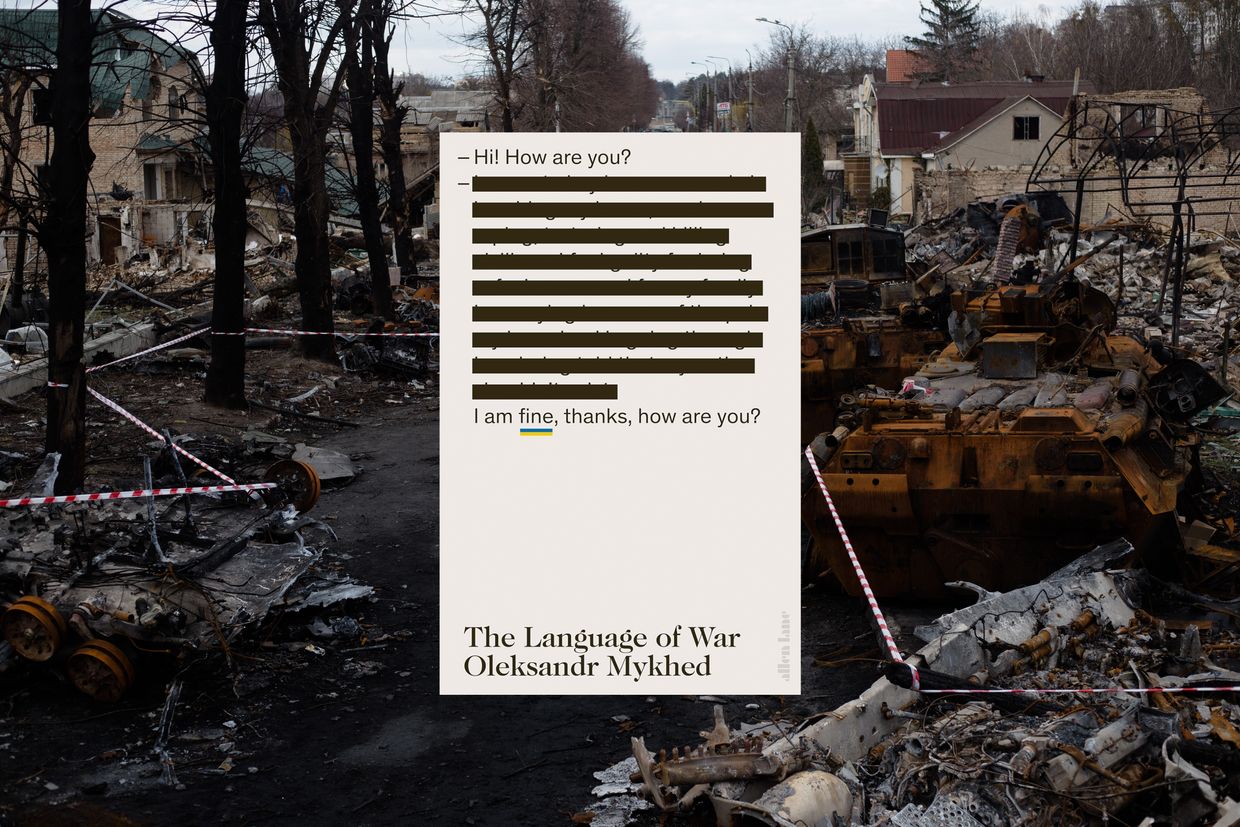
    “The Language of War” by Oleksandr Mykhed
    Translated by Hanna Leliv

    In “The Language of War,” Ukrainian author and soldier Oleksandr Mykhed delivers a searing account of the first year of Russia's full-scale invasion, blending personal reflections with reportages. With raw intensity and poetic precision, Mykhed examines how the war has not only upended Ukrainian lives but also reshaped the very fabric of language, compelling Ukrainians to forge new expressions for navigating unimaginable grief, loss, and anger.

    From recounting his parents' ordeal in Russian-occupied Bucha to reflecting on the generational trauma that conflict imprints, Mykhed crafts a profound and sobering narrative of war’s emotional toll. Deeply rooted in the centuries-long history of Russian aggression against Ukraine, “The Language of War” also captures the enduring weight of the past, along with Mykhed’s stark awareness that this terror may resurface within his lifetime.

    ‘The Language of War’ searches for ways to talk meaningfully about Russian invasion“How should I manage this anger? Or should I?” Ukrainian author Oleksandr Mykhed asks himself following the start of Russia’s all-out war. In his book “The Language of War,” the first major Ukrainian prose work published by a Penguin imprint, Mykhed recounts how the lives of Ukrainians were upendedThe Kyiv Independent’s picks for best Ukraine-related books of 2024The Kyiv IndependentKate TsurkanThe Kyiv Independent’s picks for best Ukraine-related books of 2024

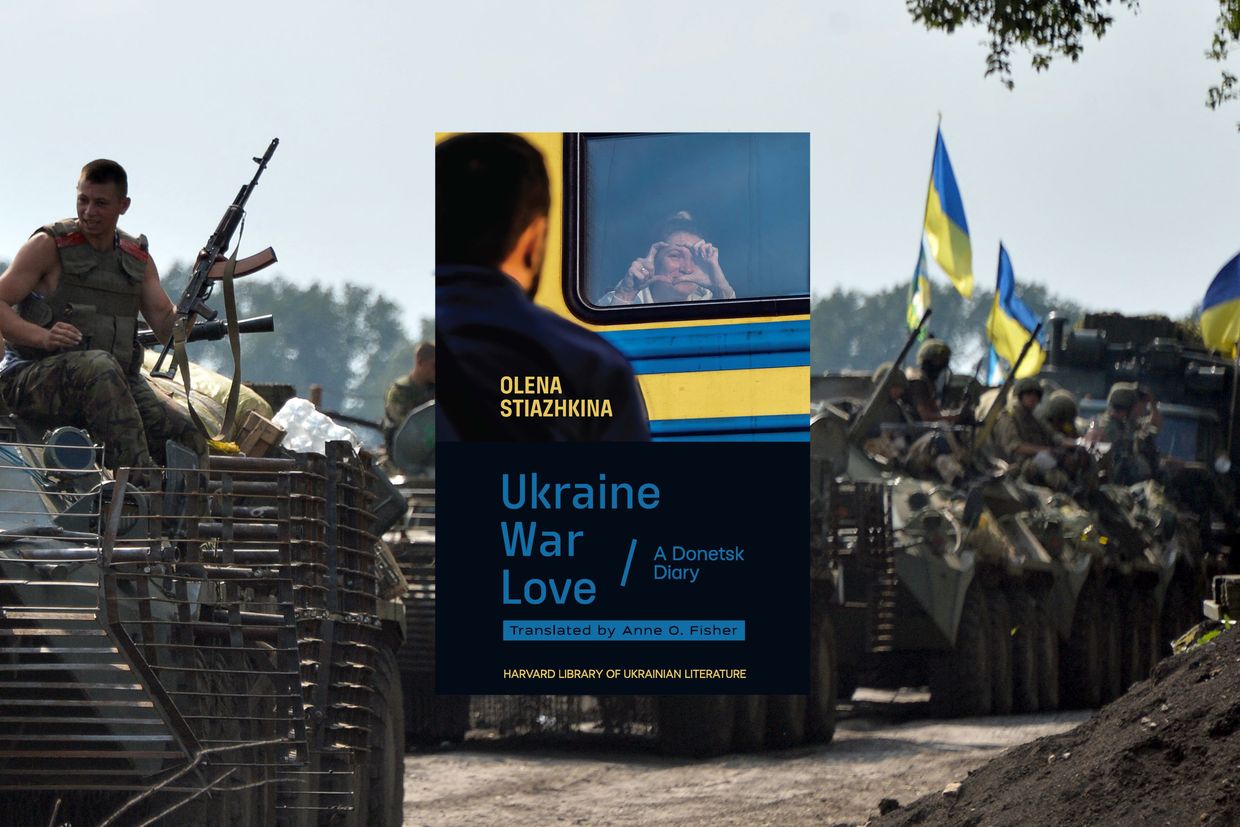
    “Ukraine, War, Love: A Donetsk Diary” by Olena Stiazhkina
    Translated by Annie Fisher

    Harvard’s Ukrainian Research Institute also published Ukrainian author Olena Stiazhkina’s novel “Cecil the Lion Had to Die” in 2024, but her diary chronicling the fall of Donetsk stands out as a deeply personal and vital testimony, shedding light on the roots of the current war from a local perspective.

    Stiazhkina masterfully dismantles the Russian propaganda myth of a "people’s uprising against Kyiv," offering striking examples of how infiltrating Russians failed to convincingly pose as locals. Their unfamiliarity with the regional variations of spoken Russian in Donetsk compared to Russia exposed them as outsiders, as did their lack of knowledge about the city’s layout. The fall of Donetsk, Stiazhkina reveals, was not a sudden event but a creeping catastrophe, something many realized only when it was too late. Adding to this heartbreak was the betrayal of seeing former friends and neighbors align themselves with the enemy, deepening the wounds of occupation. Simultaneously, Stiazhkina's testimony is laced with dark humor — a hallmark of her writing and a shared sensibility among many Ukrainians who have endured over a decade of Russian aggression.

    In 2014, one Ukrainian writer kept a diary during Russia’s occupation of DonetskThe propaganda surrounding Russia’s 2014 invasion of Donetsk and Luhansk oblasts has been so pervasive that, even a decade later, people continue to parrot lines about the need to “protect the Donbas people from the Kyiv regime.” It’s time for the voices of people from both regions toThe Kyiv Independent’s picks for best Ukraine-related books of 2024The Kyiv IndependentKate TsurkanThe Kyiv Independent’s picks for best Ukraine-related books of 2024

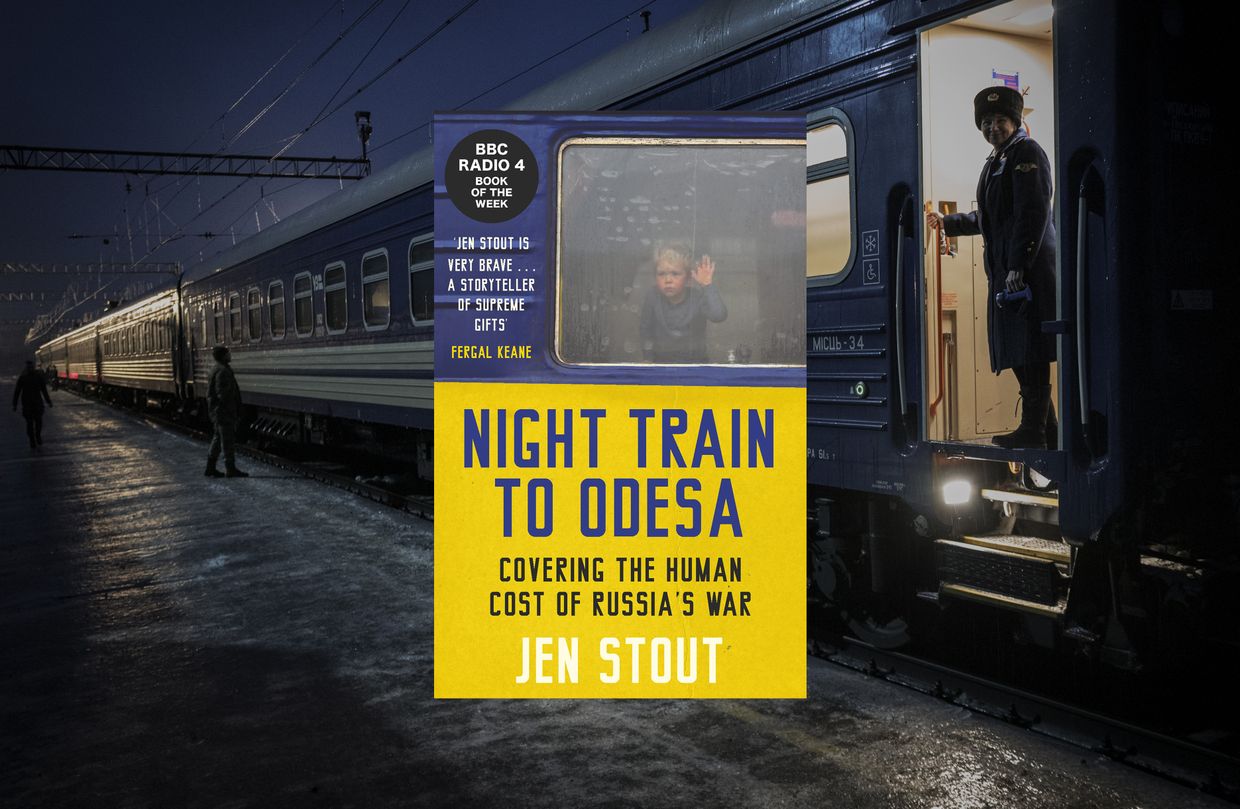
    “Night Train to Odesa” by Jen Stout

    Scottish journalist Jen Stout delivers a timely and necessary account of her experience covering the war in Ukraine. Her journey begins in Moscow before the full-scale invasion and takes readers from her reporting on Ukrainian refugees in Romania to the front lines in Donetsk.

    At its core, the book is a powerful tribute to the resilience of the Ukrainian people, who, despite relentless Russian bombardments, continue to find ways to survive — and even to thrive. Stout also delves into the cultural shifts in cities like Odesa and Kharkiv, the emotional toll of journalists reporting from war zones, and the extraordinary contributions of Ukraine's cultural community in the face of crisis. With remarkable empathy and insight, she paints a portrait of Ukrainian society where unlikely alliances emerge — such as between the LGBTQ+ community and football ultras — driven by a shared fight for survival against Russian aggression.

    “Night Train to Odesa” is an eye-opening, deeply human exploration of the unbreakable spirit of the Ukrainian people.

    ‘Night Train to Odesa’ is a remedy for reading about wartime despairAt a bar in Moscow leading up to Russia’s full-scale invasion of Ukraine, reporter Jen Stout interrupts a local parroting lines of propaganda from state-controlled television about so-called Ukrainian Nazis by asking him if he’s ever actually been to Ukraine. He seems taken aback by such a simpleThe Kyiv Independent’s picks for best Ukraine-related books of 2024The Kyiv IndependentKate TsurkanThe Kyiv Independent’s picks for best Ukraine-related books of 2024

    “The God of Freedom” by Yuliya Musakovska
    Translated by Olena Jennings and the author

    Poetry is one of the cornerstones of Ukrainian literature, with works about war holding particular weight and significance. In her collection “The God of Freedom,” Ukrainian author Yuliya Musakova delivers a powerful, haunting portrayal of life during wartime, where personal and collective struggles are inextricably linked. With vivid imagery and emotional depth, the poems navigate love, survival, and resilience against the relentless backdrop of war’s destruction. Musakova’s verses do not shy away from the harsh reality that spurred them; they boldly confront the wounds inflicted by war while capturing the quiet heroism of healing.

    This collection is both a mournful reflection and a resilient testament — its voice rises from the chaos, grounded in the unwavering belief that hope can endure.

    “Chernobyl Roulette” by Serhiy Plokhy

    The site of one of the most catastrophic disasters of the 20th century, Chornobyl (Ukrainian historian Serhiy Plokhy distinguishes in the book between “Chornobyl” for the abandoned city and “Chernobyl” for the site of the nuclear disaster of 1986) once again made international headlines when the iconic nuclear power plant fell under Russian occupation at the onset of the full-scale war in Ukraine.

    Plokhy, widely regarded as the leading Ukrainian historian of our time, chronicles the harrowing events that unfolded as Russian forces advanced into Ukraine from Belarus. The nearly 300 personnel stationed at the plant — comprising firefighters, operators, and members of the National Guard — were taken hostage, forced to navigate a perilous new reality under the control of occupying forces. Compounding the danger, Russian troops dug trenches within the radioactive exclusion zone, seemingly oblivious to the grave health and environmental risks. Plokhy describes the temporary occupation of Chornobyl as an act of nuclear blackmail, serving as "a warning for the future” in a conflict-ridden world.

    “Intent to Destroy” by Eugene Finkel

    Ukraine-born historian Eugene Finkel's "Intent to Destroy" offers a compelling and nuanced examination of Russia’s war against Ukraine, tracing its origins beyond the full-scale invasion of 2022. The title itself is a reference to the definition of genocide, a topic which Finkel specializes in as a historian. The historian paints a chilling picture of the ongoing atrocities committed by Russian forces — murders of Ukrainian civilians and soldiers, forced relocations of thousands of children, destruction of cultural heritage, and torture under occupation — all of which are part of a centuries-long campaign by Russia to subjugate Ukraine. The turning point in Ukraine’s history, marked by its push for a democratic future during the 2014 Euromaidan Revolution, posed an existential threat to Russia. Yet, despite the dire threats of annihilation it imposed upon Ukraine thereafter, Ukrainians have stood firm in their fight for independence. Finkel’s work underscores the profound stakes of this ongoing struggle, reminding readers of the human cost and the broader geopolitical implications of the war.

    “My Women” by Yulia Iliukha
    Translated by Hanna Leliv

    A series of poetic vignettes narrated by Ukrainian women who have endured the ravages of Russia’s war, Iliukha’s “My Women” is a testament to the scars inflicted upon Ukrainian society.

    One woman, a lifelong speaker of Russian and lover of Russian culture, finds herself buried under rubble from a Russian attack — it is presented as a cruelly ironic fate that silences her without regard for her love of Russian authors like Alexander Pushkin or Mikhail Lermontov. Another woman scours a mass grave for her husband’s distinguishing features, finding him at last when she recognizes the haunting smile of his wolf tattoo. A third woman, concealing the abyss of grief within herself, dons red lipstick as a fragile armor of beauty, only to face the whispers of neighbors who brand her shameless while her husband remains missing.

    Simple yet brutal, these vignettes capture the fragility of wartime day-to-day existence. Iliukha masterfully conveys through spare yet evocative prose an unflinching glimpse into lives forever altered by the war.

    10 authors shaping contemporary Ukrainian literatureUkraine has a thriving contemporary literature scene with writers from across the country working in multiple genres. There’s a wide variety of texts for readers to choose from, whether they prefer the immersive realm of a science fiction novel or a work of thought-provoking literary criticism. Thi…The Kyiv Independent’s picks for best Ukraine-related books of 2024The Kyiv IndependentKate TsurkanThe Kyiv Independent’s picks for best Ukraine-related books of 2024

    Note from the author:

    Hi, this is Kate Tsurkan, thanks for reading this article. There is an ever-increasing amount of books about Ukraine available to English-language readers, and I hope my recommendations prove useful when it comes to your next trip to the bookstore. Ukrainian culture has taken on an even more important meaning during wartime, so if you like reading about this sort of thing, please consider supporting The Kyiv Independent.

  • Large-scale drone attack: several regions of Russia and occupied Crimea are under attack

    Large-scale drone attack: several regions of Russia and occupied Crimea are under attack

    Large-scale drone attack: several regions of Russia and occupied Crimea are under attack

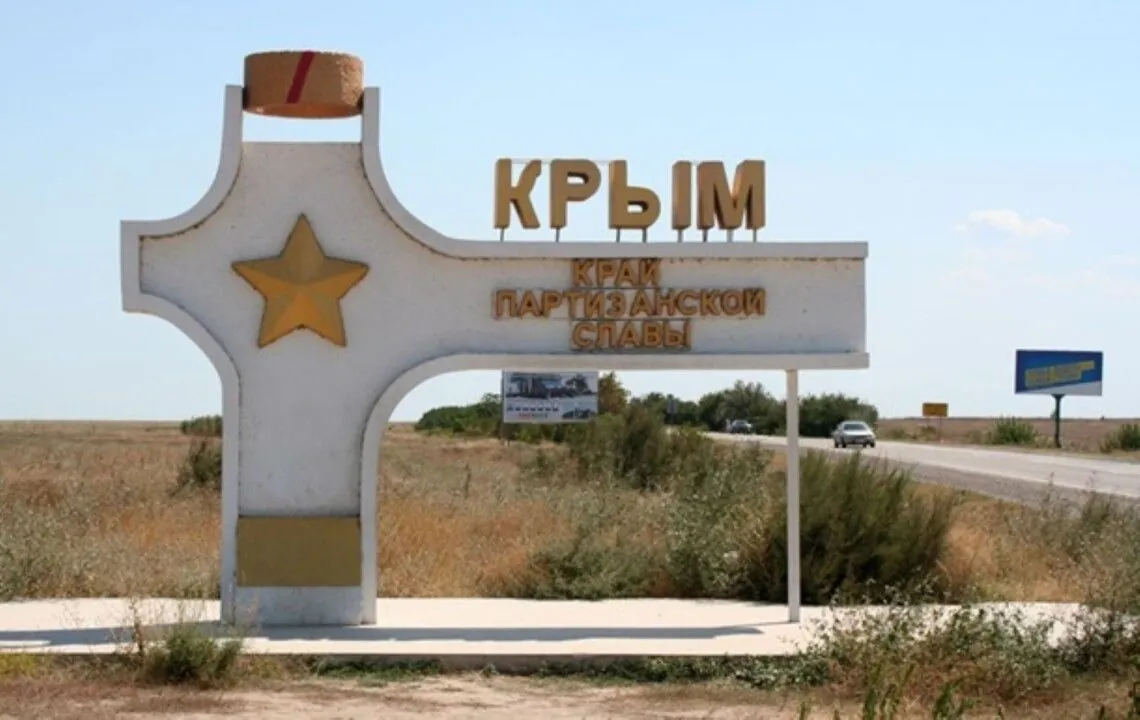
    The head of the National Security and Defense Council's Center for Countering Disinformation reported UAV attacks on several regions of Russia and Crimea. Explosions were heard in Sevastopol, which was confirmed by the city's Russian-appointed “governor.

    Several regions of Russia and occupied Crimea are under attack. This was stated by the head of the Center for Countering Disinformation of the National Security and Defense Council of Ukraine Andriy Kovalenko, UNN reports.

    "Russia is under attack by UAVs. Several regions at once. There are also strikes on Crimea," Kovalenko said.

    Add

    The information about the shelling of occupied Sevastopol was confirmed by the Russian-appointed "governor" of the annexed region, Mikhail Razvozhayev. Explosions were heard in the city, according to local public media.

    Russian Federation says Ukraine attacked Taganrog with ATACMS missilesDec 11 2024, 04:13 PM • 10840 views

  • Ukraine’s tax hike, G7 loan enough for planned defense expenses in 2025, Finance Ministry says

    Ukraine’s tax hike, G7 loan enough for planned defense expenses in 2025, Finance Ministry says

    Ukraine's tax hike, G7 loan enough for planned defense expenses in 2025, Finance Ministry says

    A recently signed tax hike and parts of the G7's $50 billion loan will be sufficient to cover Ukraine’s defense expenses included in the 2025 budget, the Finance Ministry said on Dec. 11.

    For the next year, Ukraine allocated 26.3% of its gross domestic product (GDP) to defense and security expenditures, including Hr 740 billion ($17.7 billion) for arms purchases and Hr 50 billion ($1.2 billion) on the production and purchase of drones.

    Ukraine began actively developing its defense production after Russia's full-scale invasion in February 2022.

    To cover the growing defense expenses, Ukraine’s government raised the war tax on personal income from 1.5% to 5% and introduced a war tax on small businesses and individual entrepreneurs.

    Separately, the G7's Extraordinary Revenue Acceleration (ERA) initiative is expected to bring an additional $50 billion to Kyiv's coffers. The loan will be covered by proceeds from the roughly $300 billion of frozen Russian assets, which amount to roughly $3 billion annually over 30 years.

    The U.S. announced on Dec. 10 the disbursement of $20 billion for Ukraine as part of the loan. The EU is expected to contribute $20 billion, Canada $3.7 billion, and Japan and the U.K. $3 billion each.

    Only a part of these funds, namely those provided by the EU and the U.K., can be used directly to cover defense needs.

    These funds "will allow to fully finance all planned expenditures of the Defense Forces in 2025,” the ministry said, adding that "meeting the needs of the security and defense sector is an undisputed priority for the Finance Ministry."

    Speaking to El Pais, Finance Minister Serhii Marchenko said that Ukraine has enough arms and funds to continue resisting Russia at least until mid-2025 and possibly longer if U.S. President-elect Donald Trump cuts support after taking office.

    US announces $20 billion loan for Ukraine as part of G7 initiativeThe U.S. Treasury Department announced on Dec. 10 that it will provide $20 billion in loan assistance to Ukraine, marking its contribution to a broader $50 billion initiative supported by G7 countries.Ukraine's tax hike, G7 loan enough for planned defense expenses in 2025, Finance Ministry saysThe Kyiv IndependentTim ZadorozhnyyUkraine's tax hike, G7 loan enough for planned defense expenses in 2025, Finance Ministry says
  • Russian Federation says Ukraine attacked Taganrog with ATACMS missiles

    Russian Federation says Ukraine attacked Taganrog with ATACMS missiles

    Russian Federation says Ukraine attacked Taganrog with ATACMS missiles

    Ukraine has struck six US ATACMS missiles at a military airfield in Taganrog. According to the russian defence ministry, two missiles were shot down, the rest were deflected, and there were casualties among the personnel.

    The rf Ministry of defense said the morning missile attack on the military airfield in Taganrog, using U.S. missiles “ATACMS”. According to the ministry, some of the missiles seem to have been shot down and deflected by air defense facilities, writes UNN.

    “On the morning of December 11, 2024, the Kiev regime launched a missile strike with Western precision-guided weapons on the military airfield of Taganrog in the Rostov region. In the course of the conducted proceedings, it was reliably established that six American-made ATACMS ballistic missiles were used,” the rf defense ministry wrote.

    They claim that allegedly two missiles were shot down by the combat formation of the Pantsir SAM system, while the rest were deflected by electronic warfare equipment.

    The Russians also say that there are casualties among the personnel as a result of the missile fragments. There was allegedly no damage, but two buildings on the technical territory of the airfield and three units of military vehicles, as well as civilian cars in the parking lot adjacent to the airfield, were slightly damaged (cut by shrapnel).

    And traditionally, the rf has threatened that this attack by western long range weapons will not go unanswered, appropriate measures will be taken.

    Recall

    In the Russian city of Taganrog in the Rostov region on the night of December 11, an aircraft repair plant was attacked which is under sanctions because of the war in Ukraine.